









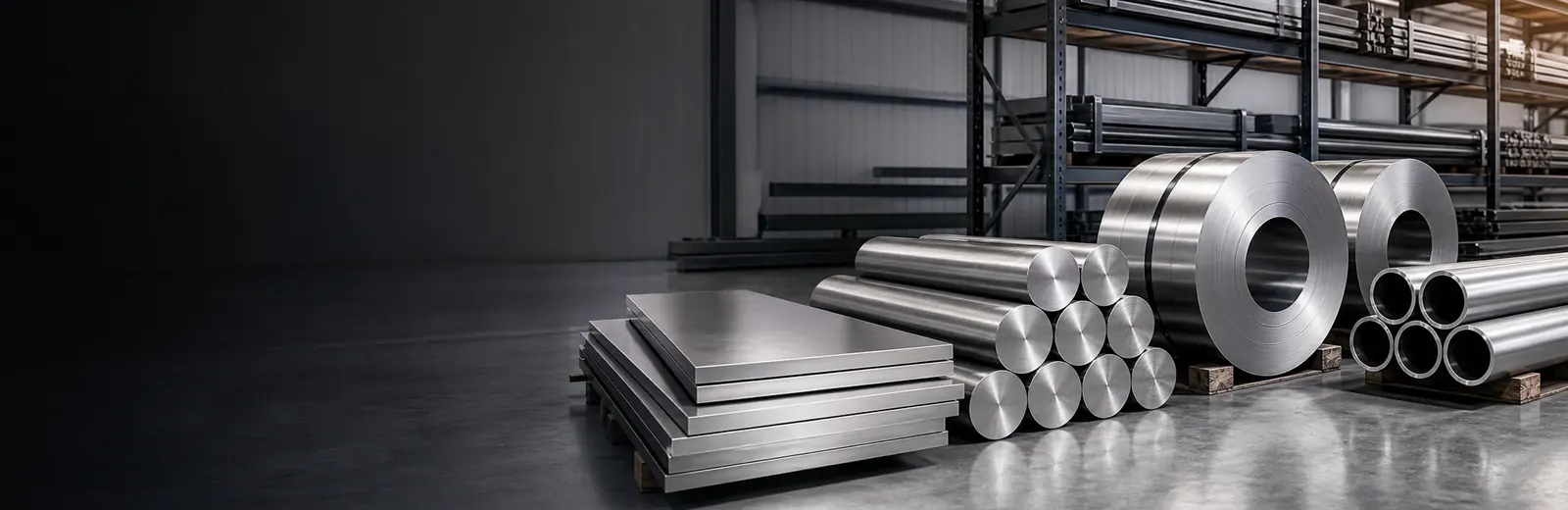
عندما يقوم المهندسون بتقييم سبائك النيكل والحديد والكروم المقاومة للتآكل للخدمة في درجات الحرارة المرتفعة، فإن المقارنة المتكررة هي سبيكة Incoloy 800 مقابل سبيكة Incoloy 800H. على الرغم من أن كلتا السبيكتين تشتركان في نفس الكيمياء الأساسية (Ni-Fe-Cr) ومقاومة ممتازة للأكسدة والكربنة والنترة في الأجواء، فإن الاختلافات التركيبية والمعالجة الحرارية التي يتم التحكم فيها والتي تحدد 800H تجعلها الخيار المفضل حيثما كانت مقاومة الزحف طويل الأجل ومقاومة التمزق الإجهادي مطلوبة.
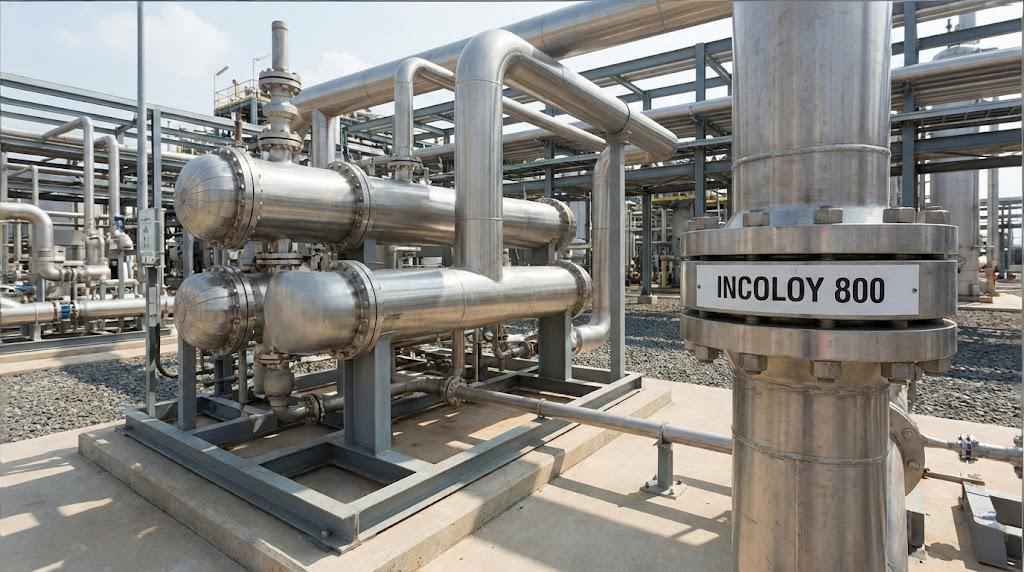
الفروق بين 800 نكلوي 800 هـ مقابل 800 هـ
التحكم الكيميائي والبنية المجهرية. والتمييز الرئيسي بين المواد هو التحكم في الكربون (وحجم الحبيبات/المعالجة الحرارية ذات الصلة). تُحدَّد السبيكة 800 ببدل كربون أوسع (حتى 0.10% كحد أقصى)، بينما Incoloy 800H يتم تصنيعه على نطاق كربون أكثر إحكامًا (عادةً ما يكون 0.05-0.10%) وحجم حبيبات مضبوطة لتحسين القوة طويلة الأجل في درجة الحرارة. تزيد هذه الكيمياء الأكثر إحكامًا (والتحكم الإضافي في 800HT في 800HT) من مقاومة الزحف والتمزق الإجهادي مقارنةً بالمادة 800 العامة.
السلوك الميكانيكي. من الناحية العملية، يُظهر 800H إجهادات مسموح بها أعلى بكثير في نطاق 600-900 درجة مئوية (≈1100-1650 درجة فهرنهايت) لأنه عادةً ما يتم صلبه بالمحلول في درجات حرارة أعلى لإنتاج بنية حبيبات أكثر خشونة ومقاومة للزحف. بالنسبة للاستخدامات قصيرة الأجل في درجات الحرارة المنخفضة (على سبيل المثال، الخدمة تحت 600-650 درجة مئوية تقريبًا)، غالبًا ما يوفر المعيار 800 قوة كافية وليونة/قابلية أفضل للتشكيل.
التصنيع واللحام. كلتا السبيكتين قابلتان للحام عن طريق عمليات الانصهار الشائعة، ولكن الكربون المتحكم فيه ومحلول التلدين المطلوب بعد العمل الساخن ل 800H/800HT يعني أنه يجب تحديد إجراءات التصنيع (إجراء اللحام، ودرجة الحرارة البينية، والمعالجة بعد اللحام) لتجنب ترسيب الكربيد أو التقصف الموضعي. يتطلب 800H عادةً التلدين بالمحلول والتبريد السريع بعد العمل الساخن لتحقيق خصائص الزحف التصميمية.
سبائك الإنكولوي 800 مقابل 800H كيفية الاختيار
الاختيار بين سبيكة Incoloy 800 مقابل سبيكة Incoloy 800H يجب أن تبدأ من ثلاثة مدخلات للمشروع: (1) درجة حرارة الخدمة ودورة التشغيل, (2) متطلبات الزحف/الإجهاد والتمزق, و(3) قيود التصنيع.
-
درجة حرارة الخدمة ومدتها. إذا كانت الخدمة المستمرة متوقعة أعلى من 650 درجة مئوية تقريبًا (≈1200 درجة فهرنهايت) أو إذا كان الجزء يتعرض لإجهاد الشد المستمر أثناء السخونة، فاميل إلى 800H/800HT لخصائصه الفائقة طويلة الأجل في مقاومة الإجهاد والتمزق. بالنسبة للتعرضات المتقطعة أو درجات الحرارة المنخفضة (أقل من 600-650 درجة مئوية)، قد يكون 800 القياسي أكثر اقتصادًا وأسهل في التشكيل.
-
الزحف والإجهاد المسموح به. عندما تكون رموز التصميم أو بيانات التمزق الزاحف هي الدافع وراء اختيار المواد (على سبيل المثال، أسلاك التوصيل المصنوعة وأنابيب المصلح وأنابيب التسخين الفائق/التسخين الفائق والمكونات الحاملة للضغط)، استخدم جداول الإجهاد المسموح بها ل 800 مقابل 800H واختر الدرجة التي تلبي عمر التمزق الإجهادي طويل الأجل مع هامش. ترفع كيمياء 800H الخاضعة للرقابة والتلدين بدرجة حرارة عالية من قيم الإجهاد المسموح به في نظام درجات الحرارة العالية.
-
التصنيع واللحام والمعالجة الحرارية اللاحقة. إذا كانت هناك حاجة إلى تشكيل معقد أو عمل على البارد، أو إذا كان اللحام لا يمكن أن يتبعه التلدين بالمحلول الموصى به، تحقق مما إذا كان مسار التصنيع يمكن أن ينتج ويحافظ على البنية الحبيبية والخصائص الميكانيكية المطلوبة. في كثير من الحالات، يجب أن تكون الأجزاء المصنعة من 800H ملدنة بالمحلول (عادةً ما تكون 2050-2150 درجة فهرنهايت / 1120-1177 درجة مئوية) وتبريدها بسرعة لتلبية المواصفات.
قائمة مراجعة عملية للمهندسين
-
راجع درجة حرارة التشغيل القصوى ودرجة حرارة التشغيل المستمرة مقابل الدورية.
-
تحقق من جداول التمزق الزاحف (الشركة المصنعة/المعيار ASME حيثما ينطبق) لمعرفة العمر الافتراضي المطلوب.
-
تأكد مما إذا كانت المعالجة الحرارية بعد التصنيع (التلدين بالمحلول والتبريد) ممكنة.
-
ضع في اعتبارك بيئة السطح (الكربنة والكبريتيد والنترة) - جميع الدرجات الثلاث تقاوم هذه الأمور، ولكن التعرض الطويل عند درجة حرارة عالية يفضل 800H/800HT.
سبائك الإنكولوي 800 مقابل 800H لدرجات الحرارة العالية
عندما يكون معيار الاختيار الرئيسي هو الأداء في درجات الحرارة المرتفعة، تصبح المقارنة مفاضلة بين الأداء مقابل تكلفة الخدمة.
-
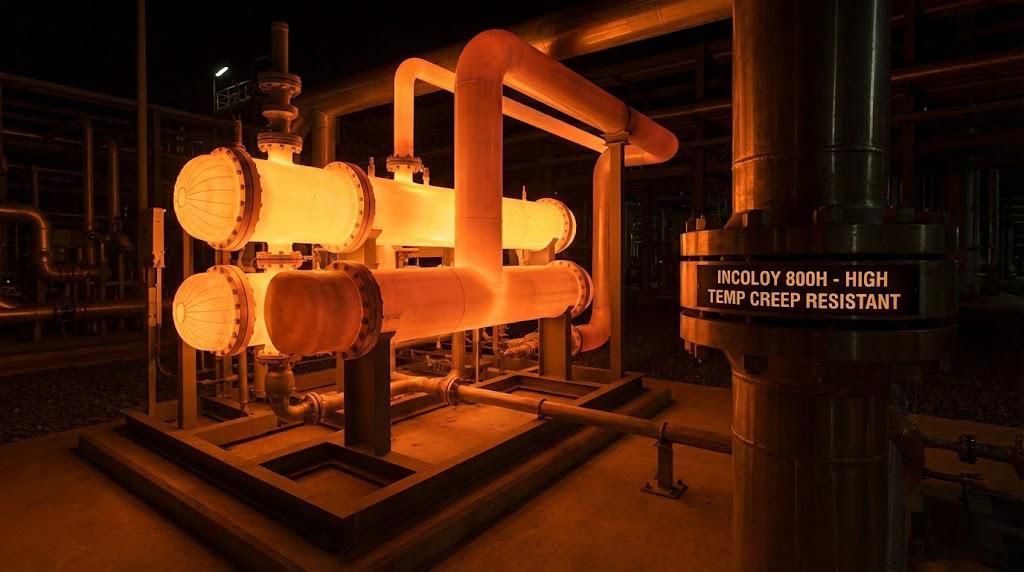
نطاقات درجة الحرارة. مكان ممارسة الصناعة وأوراق البيانات إنكولوي 800 مناسبًا للعديد من التطبيقات ذات درجات الحرارة العالية التي تصل إلى 600-650°C (≈1100-1200 درجة فهرنهايت)، بينما Incoloy 800H/800HT يتم تحديدها ومعالجتها حراريًا للاحتفاظ بقوة فائقة طويلة الأجل عند هذا النطاق وفوقه، وتستخدم عادةً حتى 816 درجة مئوية تقريبًا (1500 درجة فهرنهايت) مع استخدام مسموح به أعلى من ذلك اعتمادًا على عمر التصميم ومتغير السبيكة. بالنسبة لمقاومة الزحف الفائقة الارتفاع، فإن 800HT (ألومنيوم مقيد + Ti) هي خطوة أخرى تتجاوز 800H.
-
عمر الزحف وهامش التصميم. إذا كان التطبيق يتطلب آلاف الساعات عند ضغط ودرجة حرارة مرتفعين (لفائف المصلح، أنابيب التسخين الفائق، أسلاك التوصيل)، فإن التكلفة الإضافية والمعالجة الحرارية الخاصة ل 800H/800HT لها ما يبررها لأنها تطيل بشكل كبير من وقت الفشل وتقلل من خطر التمزق الناتج عن الإجهاد. وعلى العكس من ذلك، بالنسبة للأنابيب المشعة أو عناصر الفرن أو مكونات التبادل الحراري منخفضة الخدمة، يمكن أن تكون القاعدة 800 الخيار الاقتصادي والأداء.
-
هجوم بيئي في درجة الحرارة. تُظهر جميع الدرجات مقاومة جيدة للأكسدة والكربنة والكبريتيد بسبب توازن النيكل والكروم والنيكل، ولكن التعرض الطويل الثابت في أجواء الكربنة إلى جانب إجهاد الشد يفضل الكيمياء الأكثر إحكامًا والتلدين 800H/800HT.
أسئلة وأجوبة ذات صلة
س1: هل سبيكة Incoloy 800H مجرد نسخة أعلى كربون من 800؟
A1: ليس مجرد كربون أعلى - 800H يحتوي على نطاق كربون مقيد بالإضافة إلى حجم حبيبات متحكم فيه ومزود بمحلول صلب بدرجة حرارة عالية لإنتاج مقاومة زحف ومقاومة معززة للتمزق الإجهادي مقارنةً بعام 800.
س2: هل يمكنني لحام سبيكة Incoloy 800H بدون معالجة حرارية بعد اللحام؟
ج2: اللحام القياسي ممكن، ولا يلزم دائمًا التلدين بالمحلول بعد اللحام، ولكن لتحقيق خصائص زحف مضمونة بعد التصنيع، عادةً ما يتم توريد مادة 800H/800HT ملدنة بالمحلول وغالبًا ما يتم إعادة تلدين القطع المشغولة على الساخن وفقًا لمواصفات المورد. اتبع مواصفات المورد/إجراءات اللحام.
س3: متى يجب أن أختار 800HT على 800H؟
A3: اختر 800HT عندما تحتاج إلى قوة زحف أعلى على المدى الطويل ومقاومة للتقصف في الخدمة لفترات طويلة في درجات حرارة مرتفعة - يتميز 800HT بتحكم أكثر إحكامًا في Al+Ti وC والحد الأدنى المطلوب من المعالجة الحرارية لتقديم هذا الأداء.