








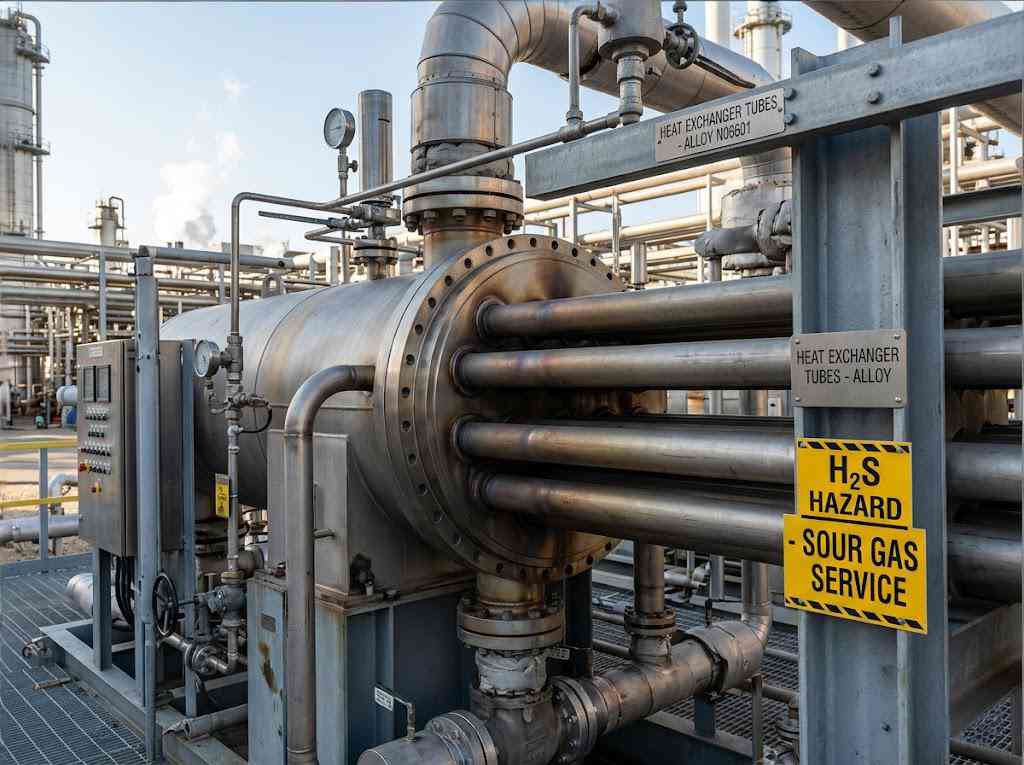
يُشكل العمل في بيئات الاستخراج والتكرير المليئة بكبريتيد الهيدروجين (H₂S) وثاني أكسيد الكربون (CO₂) تحديات معدنية لا ترحم. ولا يقتصر تأثير تعطل المعدات في هذه البيئات على توقف الإنتاج فحسب، بل يؤدي أيضًا إلى مخاطر أمنية جسيمة. وبصفتنا مهندسي مواد، فإننا نقيّم باستمرار السبائك القادرة على مقاومة تشقق الإجهاد الكبريتي (SSC) مع الحفاظ على الاستقرار في درجات الحرارة العالية. إذا كنت تعمل في ظل هذه الظروف القاسية، فإن فهم كيفية اختيار Inconel 601 للاستخدام في الغاز الحامض أمر بالغ الأهمية. توفر هذه السبيكة المحددة المكونة من النيكل والكروم والحديد آلية تخميل عالية الاستقرار، لكنها تتطلب مواصفات دقيقة فيما يتعلق بحدود درجة الحرارة وتركيزات الكلوريد. دعونا نحلل الحقائق المعدنية.
المنطق المعدني وراء السبائك المعدنية 601 في بيئات H₂S
لكي نتقن حقًا كيفية اختيار Inconel 601 لخدمة الغاز الحامض، يجب أن ننظر إلى بنيته المجهرية. يتميز UNS N06601 بسبب تركيبه الكيميائي: حوالي 61% نيكل، و23% كروم، وإضافة ألومنيوم 1.4% حاسم.
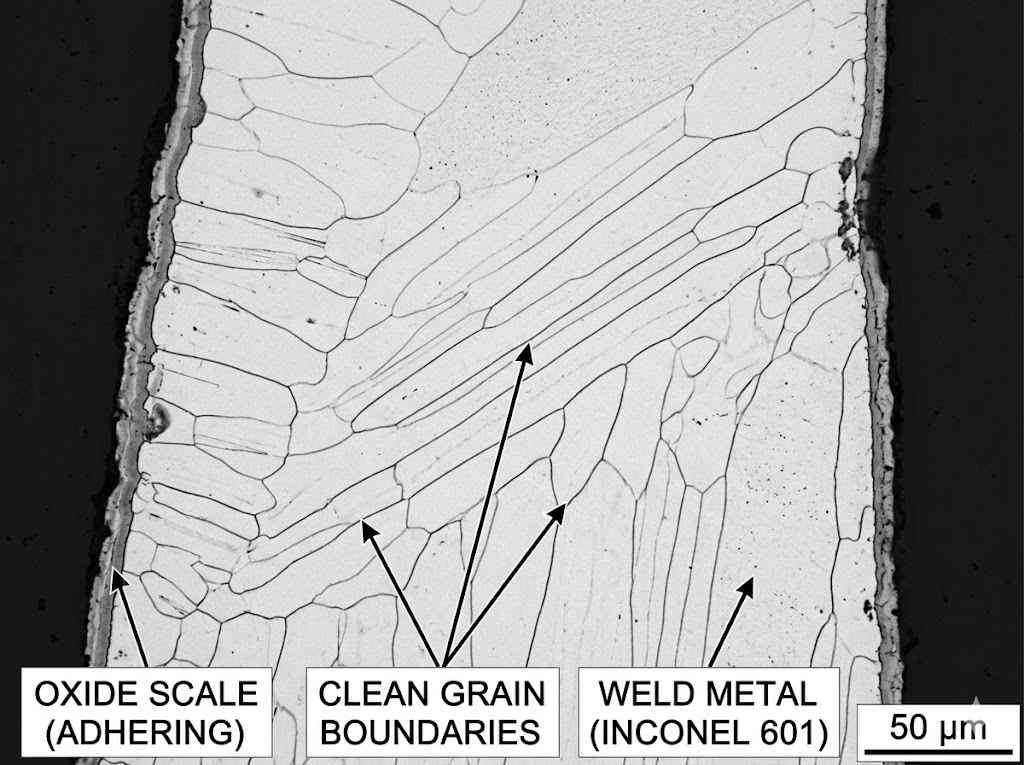
في الخدمة الحامضة القياسية، يكون نمط الفشل الأساسي هو التقصف الهيدروجيني الناجم عن انتشار الهيدروجين الذري في الشبكة المعدنية - وهو منتج ثانوي لتفاعل التآكل المائي H₂S. يقلل محتوى النيكل المرتفع بشكل استثنائي في 601 من معدل نفاذ الهيدروجين بشكل كبير. وعلاوةً على ذلك، يشكل مزيج الكروم والألومنيوم طبقة أكسيد ذاتية الالتصاق والالتصاق بإحكام. وفي حين تشتهر سبيكة 601 عالميًا بمقاومتها للأكسدة في درجات الحرارة العالية (حتى 1200 درجة مئوية)، فإن أداءها في الغاز الحامض يعتمد بشكل كبير على الضغط الجزئي لـ H₂S ووجود الكلوريدات المائية.
يجب على المهندسين توخي الحذر. إذا انخفض سائل المعالجة الخاص بك إلى ما دون نقطة الندى، يمكن أن يؤدي الكلوريد المائي مع H₂S إلى بدء التنقر. ولذلك، فإن معرفة كيفية اختيار Inconel 601 لخدمة الغاز الحامض يعني حساب متطلبات الرقم المكافئ لمقاومة التنقر (PREN) بدقة مقابل معلمات التشغيل الفعلية.
التحليل المقارن لاختيار المواد
فيما يلي مقارنة فنية للمساعدة في وضع خط الأساس حيث يتناسب N06601 مع الطيف الأوسع للسبائك المقاومة للغازات الحامضة.
| درجة السبيكة | تسمية نظام الأمم المتحدة | كر (%) | ني (%) | PREN (نموذجي) | أفضل تطبيق في البيئات الحامضة |
| إنكونيل 601 | N06601 | 21.0 - 25.0 | 58.0 - 63.0 | ~25 | تدفقات غاز H₂S الجافة ذات درجة الحرارة العالية؛ مناطق الأكسدة. |
| إنكونيل 625 | N06625 | 20.0 - 23.0 | 58.0 دقيقة | ~50 | غاز حامض رطب شديد التآكل يحتوي على كلوريدات عالية. |
| إنكولوي 825 | N08825 | 19.5 - 23.5 | 38.0 - 46.0 | ~31 | فواصل الغازات الحامضة منخفضة الحرارة؛ كفاءة التكلفة. |
إن فهم هذه المصفوفة هو الخطوة الأولى في كيفية اختيار Inconel 601 لخدمة الغاز الحامض. إنه ليس بديلاً عالميًا للسبائك 625 في الخدمة الحامضة الرطبة عالية الكلوريد الرطبة، ولكنه استراتيجي للغاية في درجات الحرارة العالية أو العادم الحامل للكبريت أو مراحل المعالجة حيث قد يعاني 625 من التقصف بسبب التعرض الحراري لفترات طويلة.
ضوابط التصنيع والدعم الهندسي
إن حالة التوريد المادية للمادة لا تقل أهمية عن كيميائها. عندما يتساءل عملاؤنا عن كيفية اختيار Inconel 601 لخدمة الغاز الحامض، فإننا نراجع على الفور إجراءات التصنيع واللحام الخاصة بهم.
يجب توفير السبيكة في حالة التلدين بالمحلول لزيادة مقاومتها للتشقق الإجهادي (SCC). يمكن أن يزيد الشغل على البارد من قوة الخضوع ولكنه يزيد أيضًا من قابلية التعرض للتشقق الإجهادي الإجهادي إذا لم يتم تخفيف الإجهاد بشكل صحيح. أثناء اللحام، يجب استخدام معادن الحشو المطابقة (مثل ERNiCrFe-11) أو الحشوات ذات السبائك الزائدة (مثل ERNiCrMo-3) لمنع تحلل اللحام التفضيلي في البيئات الحامضة. في 28Nickel، ندقق بشدة في حجم الحبيبات ومحتوى الكربون في مخزوننا من السبائك 601 لضمان تلبيته للمتطلبات الصارمة لتطبيقات قطاع الطاقة.
الخاتمة: تأمين سلسلة التوريد الخاصة بك
يعود إتقان كيفية اختيار Inconel 601 لخدمة الغاز الحامض في نهاية المطاف إلى مطابقة الاستقرار الديناميكي الحراري للسبيكة مع متغيرات العملية المحددة (الضغط الجزئي ل H₂S، ودرجة الحرارة، ومستويات الكلوريد). إن الإفراط في المواصفات يستنزف ميزانيتك، في حين أن الإفراط في المواصفات يؤدي إلى مخاطر حدوث انفجارات كارثية.
وباعتبارنا شركة متخصصة في التجارة الخارجية لسبائك النيكل، تعمل شركة 28Nickel على سد الفجوة بين توريد المواد الخام والهندسة المعدنية. فنحن لا نبيع المعدن فقط؛ بل نقدم ضمانًا تقنيًا. إذا كان مشروعك الحالي يتضمن معايير الغاز الحامض وتحتاج إلى التحقق مما إذا كانت سبيكة 601 - أو بديل مثل 625 أو 825 - هو الأنسب، أرسل بياناتك التشغيلية إلى فريقنا الهندسي. سنساعدك على تحسين اختيارك للمواد وتأمين منتجات مطاحن موثوقة وعالية الجودة.
أسئلة وأجوبة ذات صلة
س1: هل يتوافق Inconel 601 مع حدود NACE MR0175 / ISO 15156 للخدمة الحامضة؟
الإجابة: تُعد السبيكة 601 (UNS N06601) مقبولة بشكل عام بموجب NACE MR0175 لسبائك محددة قائمة على النيكل الصلب، شريطة أن تكون في حالة التلدين وتفي بمتطلبات الصلابة الصارمة (عادةً ما تكون 35 HRC كحد أقصى). ومع ذلك، يجب الرجوع إلى الحدود البيئية (مثل درجة الحرارة والضغط الجزئي H₂S) مع المعيار بناءً على فئات تطبيق محددة.
س2: كيف يؤثر محتوى الألومنيوم في السبيكة 601 على أدائها في بيئات H₂S؟
الإجابة: تعمل إضافة الألومنيوم 1.4% بشكل تآزري مع الكروم لتشكيل مقياس أكسيد شديد الثبات ومقاوم للتشظي. في البيئات الغازية ذات درجة الحرارة المرتفعة (الغاز الحامض الجاف)، يعمل هذا المقياس كحاجز انتشار هائل، مما يمنع الكبريت والكربنة بشكل أكثر فعالية من سبائك Ni-Cr القياسية.
س3: ما هي القيود الأساسية لاستخدام سبيكة 601 في الغاز الحامض الرطب؟
الإجابة: ويتمثل القيد الرئيسي في مقاومته للتنقر الموضعي في وجود كلوريدات مائية. فمع وجود سبيكة مقاومة للكلوريد تبلغ 25 تقريبًا، تكون عرضة للتنقر الناجم عن الكلوريد إذا تكثف الماء في النظام. بالنسبة للغاز الحامض الرطب عالي الكلوريد، يلزم الانتقال إلى سبيكة موليبدينوم أعلى مثل Inconel 625 من الناحية المعدنية.