











عندما يقوم المهندسون وفرق المشتريات بتقييم المورد العالمي لمواد سبائك النيكل مع MTR, فنادراً ما يبحثون عن كتيب. إنهم يبحثون عن دليل. في مشاريع سبائك النيكل، خاصة في مشاريع توليد الطاقة، والمشروعات البحرية، والمعالجة الكيميائية، والمعالجة الحرارية، لا تكون المخاطر التجارية عادةً هي سعر السبيكة نفسها. الخطر الحقيقي هو فشل التتبع، أو أرقام الحرارة المختلطة، أو الكيمياء غير المكتملة، أو شهادة تبدو مقبولة حتى تصل المادة إلى الفحص النهائي.
ولهذا السبب فإن عبارة المورد العالمي لمواد سبائك النيكل مع MTR الأمور أكثر بكثير مما يبدو عليه الأمر. إذا لم يتمكن المورد من إثبات إمكانية التتبع الكامل للمواد من الذوبان إلى الشحن، تظهر التكلفة لاحقًا: التقارير الوطنية، أو تأخر نوافذ الإغلاق، أو بكرات الأنابيب المرفوضة، أو إعادة التصنيع، أو ما هو أسوأ من ذلك، فشل الخدمة المبكر في بيئات الكلوريد أو البيئات الحاملة للكبريت أو البيئات ذات درجات الحرارة العالية.
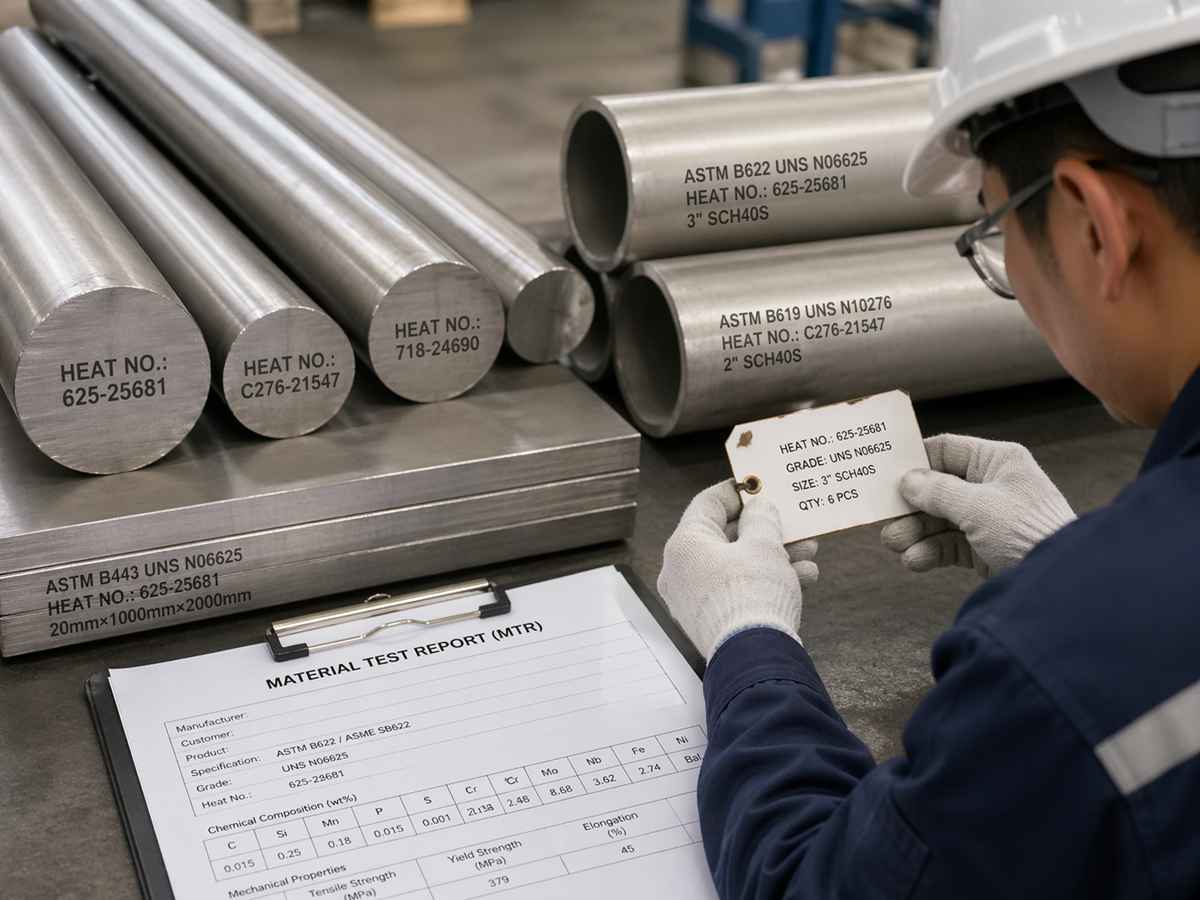
ومن الناحية العملية، فإن استعراض منتصف المدة ليس مجرد وثيقة شحن. إنها الجسر التقني بين المواصفات والمساءلة. وبالنسبة لصفيحة سبائك النيكل والقضيب والأنابيب والأنابيب والأنابيب والمطروقات، يجب أن يكون المورد الجاد قادرًا على ربط الدرجة ورقم الحرارة وشكل المنتج ومسار التصنيع وحالة المعالجة الحرارية والكيمياء وقيم الشد والصلابة حيثما ينطبق ذلك والمعيار الحاكم في سلسلة واحدة قابلة للتدقيق.
لماذا يفضل المهندسون موردًا عالميًا لمواد سبائك النيكل مع MTR
مختص المورد العالمي لمواد سبائك النيكل مع MTR يفعل أكثر من شحن المخزون. يقلل المورد من وقت التأهيل. على سبيل المثال، إذا كنت تقوم بتوريد سبيكة 625 لخدمة مياه البحر، أو سبيكة C-276 للأحماض المختلطة القوية، أو سبيكة 800H للأجزاء الداخلية للأفران، أو سبيكة 825 للوسائط الكبريتية والفوسفورية، فإن السؤال الفني الأول ليس “ما مدى سرعة الشحن؟ بل ”هل يمكن لوثائقك أن تنجو من تدقيق عميلي؟“
يجب أن يؤكد استعراض منتصف المدة القوي على خمسة أساسيات على الأقل.
أولاً، يجب أن تتوافق التركيبة الكيميائية مع النطاق المسموح به وفقًا لمعايير ASTM أو ASME أو EN أو مواصفات المشروع. ففي سبائك النيكل، يمكن أن تؤثر التباينات الطفيفة في محتوى الكروم (Cr) أو الموليبدينوم (Mo) أو النيوبيوم (Nb) أو التيتانيوم (Ti) أو الألومنيوم (Al) أو الحديد (Fe) تأثيرًا جوهريًّا على الأداء في مقاومة التآكل، ومقاومة الزحف، وقابلية اللحام، أو سلوك الترسيب.
ثانيًا، يجب أن تعكس الخواص الميكانيكية الحالة التي تم تسليمها، وليس قيمة كتالوج المطحنة العامة. يجب أن تتوافق قوة الشد وقوة الخضوع والاستطالة وأحيانًا قيم الصدمات أو الصلابة مع الحرارة الدقيقة وشكل المنتج.
ثالثًا، يجب أن تكون المعالجة الحرارية شفافة. الملدنة بالمحلول، الملدنة والمخللة، المصلدة بالحرارة، المشغولة على الساخن، المشغولة على البارد - هذه ليست أوصافًا قابلة للتبديل. في السبائك مثل 718 أو 625 أو 800H، تعتمد نتائج الخدمة بشدة على التاريخ الحراري.
رابعًا، يجب أن تظل إمكانية التتبع سليمة بعد التقطيع وإعادة التعبئة والتغليف والتغليف الآلي والتعبئة للتصدير. يمكن الاعتماد على المورد العالمي لمواد سبائك النيكل مع MTR يحافظ على إمكانية التتبع الداخلي حتى عند إزالة علامات المطحنة الأصلية جزئيًا أثناء المعالجة.
خامسًا، يجب أن يتماشى استعراض منتصف المدة مع التحقق التكميلي عندما يتطلب المشروع ذلك: مؤشر مديري المشتريات، أو فحوصات الفريت عند الاقتضاء، أو الفحص بالموجات فوق الصوتية، أو سجلات الاختبار الهيدروليكي، أو اختبار التآكل بين الخلايا الحبيبية أو بيانات حجم الحبيبات أو وثائق EN 10204 3.1/3.2.
ما يجب أن يتضمنه استعراض منتصف المدة الكامل لمشتريات سبائك النيكل
غالباً ما يفترض المشترون أن جميع الشهادات متكافئة. وهي ليست كذلك. فبعضها ليس أكثر من مجرد ملخصات مطبوعة. والبعض الآخر مفيد من الناحية الفنية وجاهز للتدقيق. عند تأهيل المورد العالمي لمواد سبائك النيكل مع MTR, ، غالبًا ما تكون جودة الشهادة هي أسرع طريقة لفصل التاجر عن شريك التوريد الفني الحقيقي.
| عنصر MTR | أهمية سبائك النيكل في سبائك النيكل | ما الذي يجب أن يتحقق منه المهندسون |
|---|---|---|
| رقم الحرارة | رابط التتبع الأساسي بين المادة والشهادة | يجب أن تتطابق مع علامات المنتج وقائمة التعبئة والفاتورة |
| الرتبة / UNS / W.Nr. | يمنع الاستبدال عبر السبائك المتشابهة بصريًا | التحقق من التعيين المزدوج وتوافق مواصفات المشروع |
| نموذج المنتج | تتصرف الألواح، والأنابيب، والقضبان، والأنابيب، والشفاه، والتشكيل بشكل مختلف | تأكد من أن نتائج الاختبار تنتمي إلى نفس النموذج المقدم |
| التركيب الكيميائي | يتحكم في مقاومة التآكل واستقرار البنية المجهرية | مراجعة Ni، Cr، Mo، Nb، Ti، Al، Fe مقابل الحدود القياسية |
| الخواص الميكانيكية | يؤكد اللياقة في حالة التسليم | تحقق من الخضوع والشد والاستطالة والصلابة إذا كانت محددة |
| حالة المعالجة الحرارية | يؤثر بشدة على بنية الحبوب وسلوك الخدمة | التأكد من حالة التلدين بالمحلول أو التعتيق أو التشطيب على البارد |
| مرجع قياسي | يحدد أساس القبول | يجب أن تكون مراجع ASTM/ASME/EN/NACE/PED واضحة |
| طريقة الاختبار/الاختبارات التكميلية | حرجة للخدمة المنظمة أو الشديدة | مؤشر مديري المشتريات، ويو تي آي، و IGC، والاختبار المائي، وحجم الحبيبات والتسطيح والتوهج، إلخ. |
| مطحنة الإصدار/التوقيع المعتمد | يدعم مصداقية المراجعة | يفضل أن تكون بيانات منشأ المصنع قابلة للتتبع مع موافقة رسمية |
| الكمية والأبعاد | يمنع إعادة استخدام الشهادات عبر الحصص المختلطة | يجب أن يتطابق الحجم والجدول الزمني والسُمك والكمية مع الشحنة |
يدرك أقوى الموردين أيضًا الفرق بين مجرد اجتياز معيار ما وكونه مناسبًا للخدمة. يمكن أن تتوافق الصفيحة كيميائيًا ومع ذلك لا تزال غير مناسبة للوظيفة إذا كان حجم الحبيبات أو حالة السطح أو مسار التصنيع السابق غير متوافق مع التحميل الحراري الدوري أو التعرض للغازات الحامضة أو إجراءات تراكب اللحام.
ما وراء استعراض منتصف المدة: كيف يمكن لمورد عالمي لمواد سبائك النيكل مع استعراض منتصف المدة التحكم في المخاطر
هذا هو المكان الذي يتعمق فيه المشترون ذوو الخبرة. استعراض منتصف المدة ضروري، ولكن لا ينبغي أن ينهي المحادثة. يمكن الاعتماد على المورد العالمي لمواد سبائك النيكل مع MTR يجب أن تكون مستعدًا لمناقشة منشأ المخزون، ومسار التحويل، والمعالجة النهائية دون لغة مراوغة.
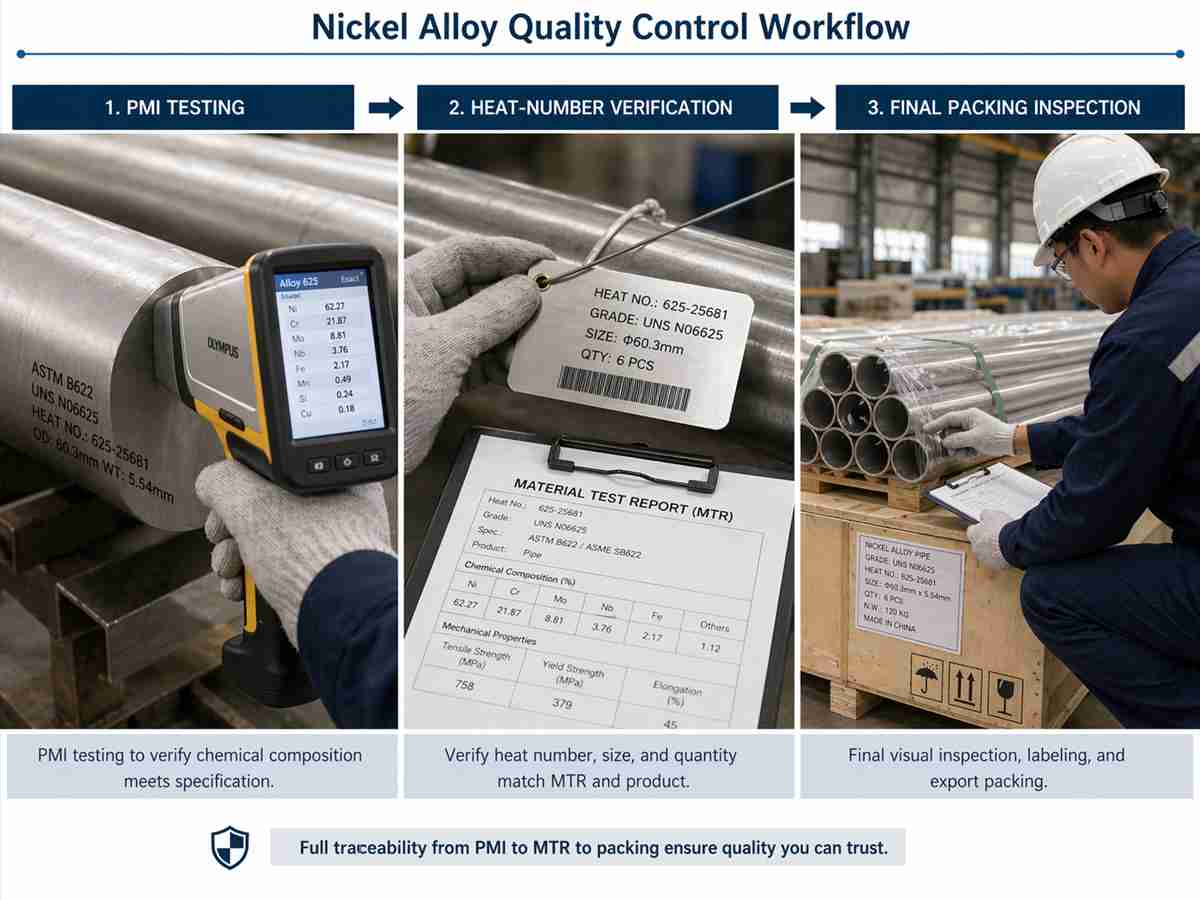
بالنسبة للخدمة الحرجة للتآكل، اسأل عما إذا كانت المادة جاءت مباشرةً من مخزون المصنع، أو من مخزون معاد اعتماده، أو من مدخلات نصف مصنعة محولة. اسأل عما إذا كانت القطع المقطوعة تحتفظ بالإحالة المرجعية إلى الحرارة الأصلية. اسأل عما إذا كان يتم إجراء تحديد إيجابي للمواد قبل الشحن أو فقط عندما يطلب العميل ذلك. اسأل عما إذا كان المورد يمكنه تقديم صور مميزة قبل التعبئة. هذه أسئلة بسيطة، ولكن الموردين الضعفاء يميلون إلى عدم الإجابة عنها بسرعة.
بالنسبة للأجزاء المشكّلة آليًا أو العناصر المطروقة، لا يكفي التوافق في الأبعاد وحده. فسبائك النيكل تتصلب أثناء العمل، وتستجيب بشكل مختلف للدورات الحرارية، ويمكن أن تطور أداءً حساسًا للحالة بعد التشكيل أو الإصلاح. إن المصداقية الفنية المورد العالمي لمواد سبائك النيكل مع MTR يجب فهم كيفية تأثير التصنيع الآلي والطحن والتقويم والتخليل واللحام على السطح المُسلَّم ومسار التوثيق.
هذا مهم بشكل خاص في الطلبات المختلطة. فقد يجمع مشروع ما بين 600 و625 و800H و825 و825 و718 وC-276 في عبوة واحدة. بدون التتبع المنضبط، يصبح الخلط البصري سهلًا جدًا في مرحلة المستودع. ويمنع الموردون الجيدون ذلك من خلال الفصل على مستوى الحرارة، وعلامات إعادة تحديد الهوية، والانضباط في المستودعات، والمطابقة النهائية لمراقبة الجودة قبل الإفراج عن الصادرات.
الأفكار النهائية
اختيار المورد العالمي لمواد سبائك النيكل مع MTR هو في النهاية قرار هندسة المخاطر. المورد المناسب لا يرسل المعدن ببساطة؛ بل يرسل امتثالاً يمكن التحقق منه. في سبائك النيكل، هذا الفرق مهم لأن ظروف الخدمة لا ترحم. فدرجات الحرارة المرتفعة، والكلوريدات، ومركبات الكبريت، والأحماض المؤكسدة، وتسلسلات التصنيع الصعبة تكشف كل نقطة ضعف في التوثيق والتحكم في المواد.
إذا كان فريقك مؤهلاً لـ المورد العالمي لمواد سبائك النيكل مع MTR بالنسبة للأنابيب أو الألواح أو القضبان أو القضبان أو الأنابيب أو الفلنجات أو المطروقات، فإن أسرع طريقة لتقليل المخاطر هي مراجعة تقرير منتصف المدة بنفس الطريقة التي تراجع بها المواد نفسها: درجة بدرجة، وحرارة بحرارة، وحالة بحالة. هذا النهج يوفر الوقت، ويحمي عمليات التدقيق، ويؤدي إلى تصفية الموردين غير التقنيين قبل أن يصبحوا مشاكل في المشروع.
إذا كنت بحاجة إلى دعم فني، فمن الأفضل بكثير إرسال درجة السبيكة والمعيار والأبعاد ووسط التشغيل ونطاق درجة الحرارة ومستوى التوثيق المطلوب. يجب أن تبدأ المناقشة الفنية الحقيقية من هناك.
أسئلة وأجوبة ذات صلة
1. ما الفرق بين MTR و EN 10204 3.1 لمواد سبائك النيكل؟
تقرير الفحص المتوسط الأجل هو تقرير اختبار المواد العام الذي يوضح الكيمياء والخواص الميكانيكية ورقم الحرارة وبيانات الامتثال. EN 10204 3.1 هو تنسيق مستند فحص رسمي يتطلب التحقق من صحة من قبل ممثل الفحص المعتمد من الشركة المصنعة. في العديد من المشاريع، يتم تسليم محتوى تقرير الاختبار المتوسط الأجل بصيغة 3.1، لكنهما ليسا متطابقين تلقائيًا.
2. لماذا لا تزال هناك حاجة إلى مؤشر مديري المشتريات إذا كان المورد يقدم بالفعل تقرير منتصف المدة؟
لأن اختبار منتصف المدة يثبت ما يجب أن ينتمي إلى الحرارة، بينما يساعد مؤشر مديري المشتريات على التحقق مما هو موجود فعليًا في الشحنة. في بيئات السبائك المختلطة، يعتبر مؤشر مديري المشتريات دفاعًا فعالًا على المستوى الميداني ضد خلط المواد، خاصةً بالنسبة للقطع المقطوعة والتجهيزات والمكونات المشكّلة آليًا.
3. ما هي المنتجات المصنوعة من سبائك النيكل التي تتطلب في أغلب الأحيان مراجعة صارمة لاستعراض منتصف المدة؟
عادةً ما تتطلب الأنابيب، والأنابيب المستديرة، والفلنجات، والتجهيزات المطروقة، والألواح ذات الجدران السميكة، والقضبان المخصصة للاستخدامات التي تتطلب مقاومة الضغط أو التي تتعرض للتآكل بشكل كبير، إجراءً من أكثر عمليات المراجعة صرامةً. وغالبًا ما تُستخدم هذه الأشكال من المنتجات في الأنظمة الخاضعة للوائح التنظيمية، حيث تؤثر قابلية التتبع، وظروف المعالجة الحرارية، وسجلات الاختبارات التكميلية تأثيرًا مباشرًا على قبول المنتج.