










في أعمال تصنيع وإصلاح الصمامات الحقيقية, اختيار معدن حشو اللحام Inconel 600 لأجسام الصمامات نادرًا ما تكون مسألة اختيار “السبيكة الأقرب” من مخطط الحشو. تكون أجسام الصمامات سميكة ومقيدة وغالبًا ما تتعرض لوسائط عدوانية أو تدوير حراري أو درجة حرارة مرتفعة. هذا المزيج يغير كل شيء. لا يزال بإمكان معدن الحشو الذي يبدو مقبولاً على الورق أن يسبب مشاكل في الإنتاج: التشقق في خط الوسط، أو التخفيف المفرط، أو ضعف الترطيب في مناطق الجذر، أو أداء التآكل غير المستقر في معدن اللحام، أو إعادة العمل بعد رفض اختبار PT/RT.
بالنسبة لمعظم المهندسين، السؤال الحقيقي بالنسبة لمعظم المهندسين ليس فقط “ما هو الحشو الذي يطابق سبيكة 600؟ السؤال الأفضل هو ما الحشو الذي يعطي نافذة اللحام الأكثر أمانًا وسلوك الخدمة الأكثر موثوقية في هندسة جسم الصمام الفعلي؟ في كثير من الحالات، تكون الإجابة السليمة من الناحية الفنية هي ERNiCr-3 ل GTAW/GMAW/PAW أو ENiCrFe-3 لـ SMAW, بدلاً من مفهوم المطابقة الكيميائية البحتة. وذلك لأن لحامات جسم الصمام تتأثر بمستوى التقييد، وسُمك المقطع، والتخفيف من المواد المجاورة، وعملية اللحام، ومعيار الفحص، وبيئة الخدمة أكثر بكثير من تأثرها برقم UNS الاسمي وحده.
لماذا يعد اختيار الحشو مهمًا في لحامات جسم صمام Inconel 600
Inconel 600 عبارة عن سبيكة من النيكل والكروم والحديد يتم تقييمها لمقاومتها للأكسدة، ومقاومة التشقق الإجهادي الناتج عن تآكل الكلوريد في العديد من البيئات، والأداء المستقر عبر نطاق واسع من درجات الحرارة. تجعلها نقاط القوة هذه جذابة لأجسام الصمامات في المعالجة الكيميائية، والخدمة الحرارية، والأنظمة الكاوية، وبعض مهام التآكل المختلط. ولكن نفس التطبيقات التي تبرر استخدام سبيكة 600 تجعل اللحام أقل تسامحًا أيضًا.
جسم الصمام ليس قسيمة صفيحة رقيقة. فهو عادةً ما يكون مقطعًا مقيدًا للغاية مع تغيرات في سمك الجدار، وتقاطعات الفوهات، وكتلة الشفة، وتركيز الإجهاد الموضعي حول المقاعد والمنافذ وتقاطعات غطاء المحرك. في ظل هذه الظروف، يجب أن يأخذ اختيار معدن الحشو في الاعتبار عدة عوامل متفاعلة:
- مقاومة التشقق الساخن أثناء التصلب
- تحمل التخفيف، خاصةً بالقرب من المرفقات غير المتشابهة
- ليونة معدن اللحام تحت التقييد
- توافق التآكل مع وسيط الخدمة الحقيقي، وليس فقط ورقة بيانات السبيكة الأساسية
- الثبات الميكانيكي بعد التعرض الحراري
- التطبيق العملي للإصلاح الميداني وحساسية المشغل
هناك خطأ شائع يتمثل في التقصير في استخدام مادة الحشو من نوع السبيكة 625 لمجرد أنها مألوفة ومخزنة على نطاق واسع. يمكن أن يعمل ERNiCrMo-3 بالتأكيد في بعض المواقف غير المتشابهة أو التي تسبب التآكل، ولكنه ليس تلقائيًا أفضل حشو لكل لحام جسم صمام من نوع سبيكة 600. في خدمة درجات الحرارة المرتفعة على المدى الطويل، قد لا يكون معدن اللحام الغني بالموليبدينوم الخيار الأكثر تحفظًا إذا كان استقرار الطور وتاريخ الخدمة في صالح عائلة 82/182. ومن ناحية أخرى، قد يكون اختيار مادة الحشو فقط لأنها “مطابقة” قصير النظر أيضًا إذا كان هامش قابليتها للحام أضيق في ظل قيود التصنيع الحقيقية.
نهج عملي لاختيار معدن الحشو لأجسام الصمامات
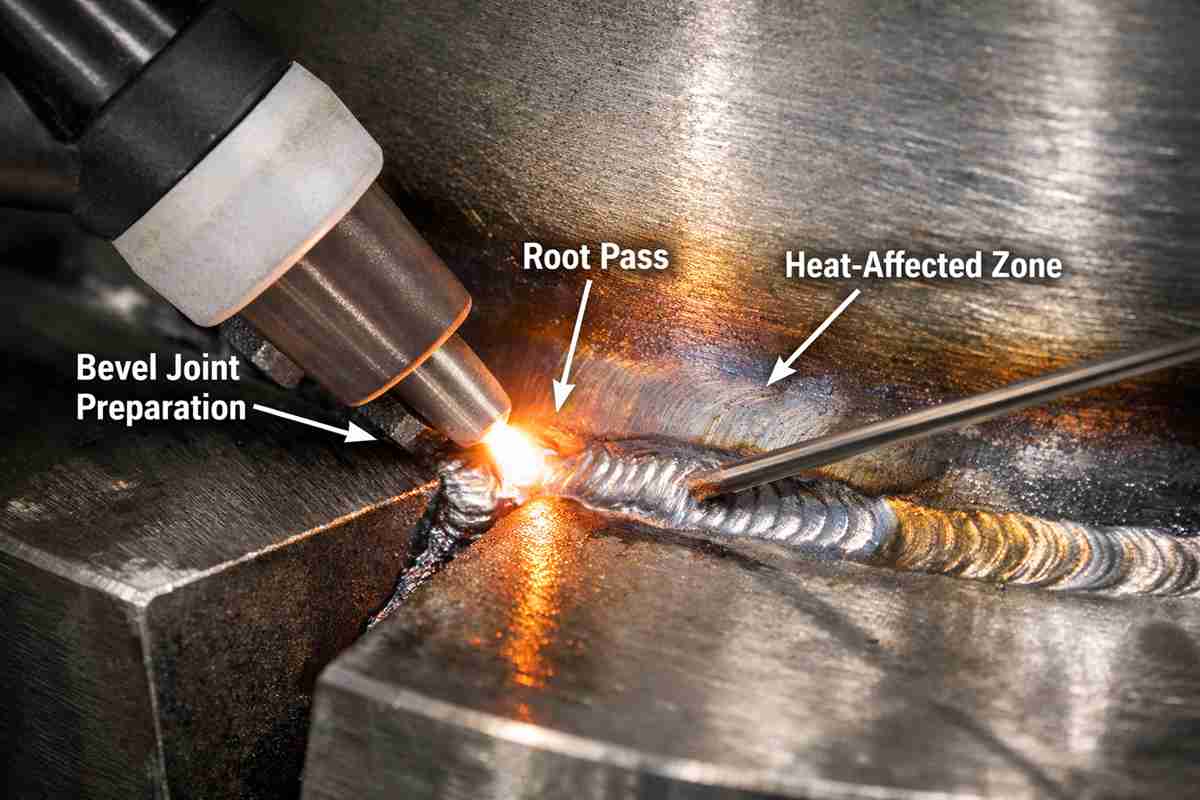
من وجهة نظر هندسية، يجب أن يبدأ اختيار مادة الحشو بسيناريو اللحام، وليس بكتيب المنتج. عادةً ما أقسم لحامات جسم الصمام إلى أربع فئات: لحامات تصنيع الجسم، ولحامات التثبيت أو اللحامات الانتقالية، ولحامات الإصلاح، واللحامات المتعلقة بمانع التسرب/التبطين.
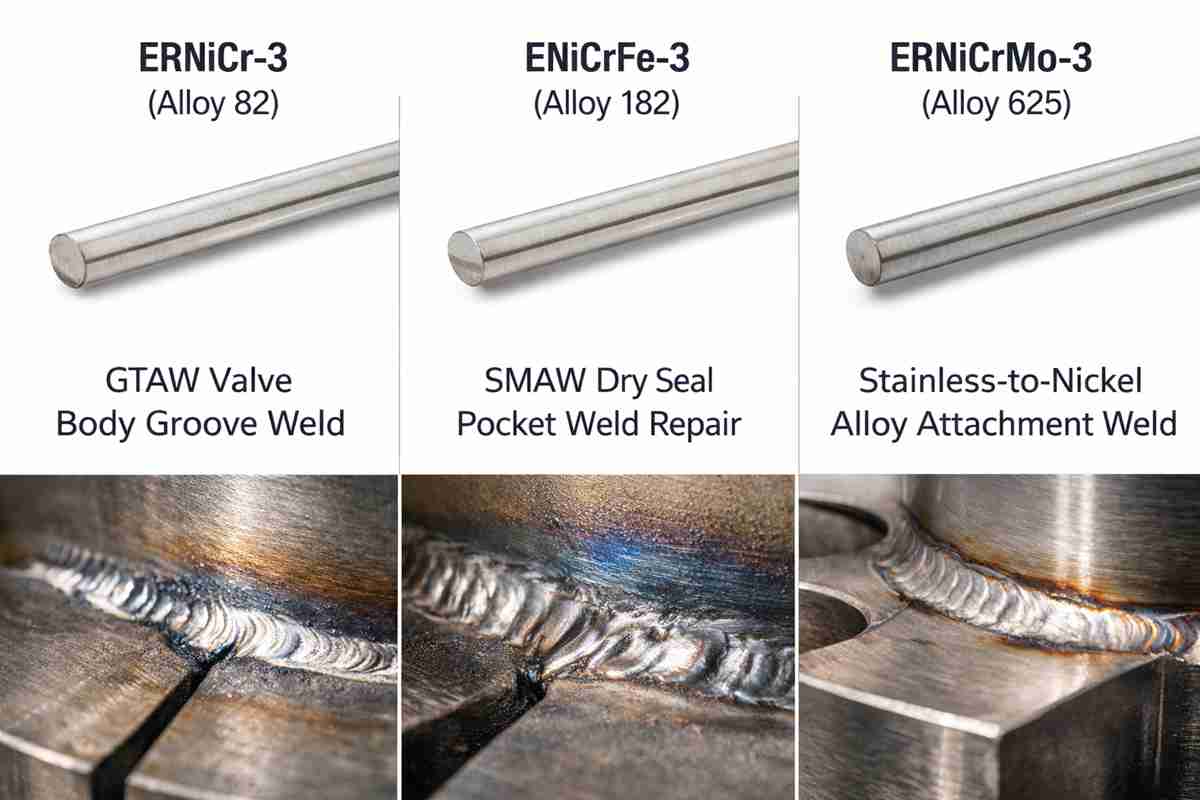
بالنسبة لـ تصنيع الجسم أو اللحامات الأخدودية في السبائك 600 إلى السبائك 600, ERNiCr-3 غالبًا ما يكون الخيار الأول ل GTAW أو GMAW أو PAW. إنه يوفر مزيجًا راسخًا من مقاومة التشقق والليونة والتعامل المتسق. لإصلاح القوس المعدني المحمي بالقوس المعدني أو العمل الميداني, ENiCrFe-3 هي المكافئ العملي في كثير من الأحيان. هذه الحشوات مقبولة على نطاق واسع لأنها تتحمل ظروف التصنيع الحقيقية بشكل أفضل مما يتوقعه العديد من المهندسين، خاصة عندما تكون الوصلة سميكة والتقييد مرتفع.
بالنسبة لـ لحام التصليح, يجب أن يتحمل الحشو أيضًا التباين الكيميائي المحلي. قد تحتوي أجسام الصمامات على مناطق منفصلة، أو تاريخ إصلاح سابق، أو تلوث تم إدخاله أثناء الخدمة أو التصنيع الآلي. في مثل هذه الحالات، غالبًا ما توفر عائلة 82/182 نافذة معالجة أوسع من فلسفة المطابقة الصارمة. وهذا الأمر مهم بشكل خاص في إصلاح جيب المقعد، أو تصحيح حافة الحافة، أو ترميم رأس التصريف، أو حفر العيب الموضعي حيث يتغير التخفيف من ممر إلى آخر.
بالنسبة لـ الوصلات غير المتشابهة, مثل أقسام جسم السبيكة 600 الموصولة بمكونات من سبيكة 600 أو ملحقات سبائك النيكل، يصبح اختيار الحشو أكثر حساسية لالتقاط الحديد ومخاطر انتقال الكربون وعدم تطابق التمدد الحراري. وهنا، يظل ERNiCr-3 شائعًا، ولكن في بعض الحالات التي يحركها التآكل قد يكون هناك ما يبرر استخدام حشو محمل بالموثرات. المفتاح هو أن حالة الخدمة يجب أن تقود هذه الترقية، وليس العادة.
توصيات معدن الحشو حسب الاستخدام
| حالة اللحام | معدن الحشو المفضل | لماذا يتم اختياره عادةً | الحذر الرئيسي |
|---|---|---|---|
| لحام أخدود جسم الصمام من سبيكة 600 إلى سبيكة 600 | ERNiCr-3 | قابلية لحام جيدة، ومقاومة صلبة للتشقق، وأداء عام مستقر | التحكم في مدخلات الحرارة ودرجة الحرارة البينية |
| الإصلاح الميداني للسبائك 600 بواسطة SMAW | ENiCrFe-3 | عملي للإصلاحات المقيدة ومناطق الحفر المحلية | تعتبر إزالة الخبث ووضع الحبيبات أمرًا بالغ الأهمية في الأشكال الهندسية الضيقة |
| اللحام الانتقالي من سبيكة 600 إلى لحام انتقالي غير قابل للصدأ | ERNiCr-3 | يتعامل مع التخفيف بشكل جيد ويقلل من مخاوف عدم التطابق المعدني | مراجعة درجة حرارة الخدمة ووسط التآكل بعناية |
| لحام مانع التسرب الناتج عن التآكل أو وصلة غير متشابهة مختارة | ERNiCrMo-3 | مفيدة في الحالات التي تحسن فيها كيمياء المونيوم الحاملة للمواد الكيميائية من هامش التآكل | لا تفترض أنه الأفضل الافتراضي لجميع أجسام صمامات الخدمة الساخنة |
| إصلاح العيب المقيد بشدة في القسم السميك | ENiCrFe-3 أو ERNiCr-3، يعتمد على العملية | تاريخ تأهيل واسع ونافذة تصنيع موثوقة | نظافة الوصلة وشكل الحفر مهمان بقدر أهمية اختيار الحشو |
ما الذي يفحصه المهندسون ذوو الخبرة قبل تجميد الحشو
لا تكون توصية الحشو جيدة إلا بقدر جودة الافتراضات المحيطة بها. قبل قفل WPS، أود التحقق من خمسة أشياء.
أولاً, حالة المواد الأساسية. هل جسم الصمام مصنوع من الفولاذ المطروق أم المصبوب؟ في سبائك النيكل، تؤثر كل من التفرق المجهري ونقاء المادة والتاريخ الحراري السابق على استجابة اللحام. فلن يتصرف جسم مصنوع من الفولاذ المطروق من نوع N06600 وجسم مصبوب تم إصلاحه دائمًا بنفس الطريقة، حتى لو بدا الرسم الهندسي بسيطًا.
ثانياً, وسيط الخدمة. تؤدي السبيكة 600 أداءً جيدًا في العديد من البيئات المؤكسدة والكاوية، ولكن معدن اللحام يرى واقع التآكل الخاص به. قد تبرر الكلوريدات، والأنواع الحاملة للكبريت، والأحماض المختزلة، وظروف الشقوق بالقرب من المناطق الحشية أو الملولبة منطق اختيار مختلف عما تقترحه السبيكة الأساسية وحدها.
ثالثاً, درجة حرارة التشغيل. غالبًا ما يتم التقليل من أهمية هذه النقطة. إذا كان جسم الصمام سيشهد درجة حرارة مرتفعة مستدامة، فإن ثبات الطور طويل الأجل لمعدن اللحام المودع مهم. هذا هو أحد الأسباب التي تجعل المهندسين المتمرسين لا يستبدلون تلقائيًا الحشو من نوع 625 في كل لحام من سبائك النيكل لمجرد أن السوق يحب ذلك.
رابعاً, فئة الفحص وتحمّل العيوب. يمكن أن تكون حساسية PT على اللحامات المصنوعة من سبائك النيكل غير متسامحة عندما يكون محيط الخرزة أو ممارسة النسيج أو التحكم في الحفرة ضعيفًا. لا تزال الحشوة ذات الخصائص المختبرية الجيدة تفشل في الإنتاج إذا لم تتناسب مع عملية اللحام وإمكانية الوصول إلى الوصلة.
خامسًا, ملف تعريف التخفيف. في الممرات الجذرية، والإصلاحات الضيقة، ولحامات التعلق، قد تكون كيمياء اللحام النهائية مختلفة ماديًا عن شهادة الحشو. وهذا أمر مهم في أجسام الصمامات لأن التآكل أو التشقق الموضعي لا يبدأ أبدًا تقريبًا في رواسب اللحام “المتوسطة”. بل يبدأ عند الحافة المخففة، أو الزاوية غير المملوءة أو في منطقة ربط الإصلاح أو منطقة التوقف والبدء.
ملاحظات العملية التي تؤثر على أداء الحشو
حتى الحشو الصحيح يمكن أن يكون أداؤه ضعيفًا إذا كانت متغيرات اللحام خاطئة. بالنسبة لأجسام صمامات Inconel 600، فإن نظافة الوصلة غير قابلة للتفاوض. يمكن أن يؤدي الكبريت والزيت وبقايا الطلاء والتلوث بالحديد المدمج إلى زيادة مخاطر عيوب اللحام بشكل حاد. يجب التحكم في التركيب لتجنب التجسير المفرط، ويجب أن يكون إدخال الحرارة مستقرًا وليس عدوانيًا. وعادةً ما يكون النسيج العريض أقل فائدة من وضع الوتد المنضبط في الأشكال الهندسية المقيدة.
جودة التدريع مهمة أيضًا أكثر مما يعترف به العديد من فرق الإنتاج. قد تُظهر ممرات جذر GTAW ذات التغطية الغازية الضعيفة مظهرًا مقبولاً في البداية، ثم تفشل في اختبار الاختراق بعد الطحن الخفيف. وبالمثل، يجب مزج حفريات الإصلاح بسلاسة؛ حيث إن الأخاديد ذات القاع الحاد تدعو إلى تركيز الإجهاد الموضعي وسلوك الاندماج غير المنتظم.
هذا هو بالضبط السبب اختيار معدن حشو اللحام Inconel 600 لأجسام الصمامات يجب التعامل معها كقرار لحام المعادن، وليس اختصارًا للشراء. يجب أن تعمل الحشوة مع تصميم الوصلة، ومسار العملية، ودرجة حرارة الخدمة، وآلية التآكل، ونظام الفحص كنظام واحد متكامل.
الوجبات الجاهزة النهائية
إذا كان التطبيق عبارة عن لحام أو إصلاح جسم صمام سبيكة 600 القياسي, ERNiCr-3 و ENiCrFe-3 عادة ما تكون نقاط البداية الأكثر قابلية للدفاع عنها لأنها تجمع بين قابلية اللحام السليمة والخبرة الصناعية الواسعة. الاستخدام ERNiCrMo-3 انتقائيًا، حيث تدعمه بيئة الخدمة وبيانات التأهيل بصدق. لا تختار الحشو بالشعبية وحدها، ولا تختاره بالمطابقة الكيميائية وحدها أيضًا.
بالنسبة لأعمال الصمامات الجادة، فإن المسار الصحيح هو مراجعة شكل المادة الأساسية ونوع الوصلة ووسط الخدمة ودرجة حرارة التشغيل ومخاطر التخفيف ومتطلبات الفحص معًا. إذا كان فريقك يقوم بتأهيل إجراء جديد لهيكل صمام جديد أو استكشاف عيوب اللحام المتكرر من سبائك النيكل وإصلاحها، فقم بتوفير مواصفات المواد وخريطة اللحام وبيانات الخدمة أولاً. يجب أن تأتي توصية الحشو الجيدة من منطق المعادن والتصنيع، وليس من جدول مرجعي عام.
أسئلة وأجوبة ذات صلة
س1: هل ERNiCr-3 أفضل من ERNiCrMo-3 لأجسام الصمامات Inconel 600؟
في العديد من عمليات لحام جسم الصمام من السبائك 600 القياسية، نعم. غالبًا ما يُفضل استخدام ERNiCr-3 لأن له تاريخًا قويًا في لحام السبائك 600، ومقاومة جيدة للتشقق، وسلوك تصنيع يمكن التنبؤ به. يعتبر ERNiCrMo-3 مفيدًا في حالات مختارة ناتجة عن التآكل، ولكن لا ينبغي أن يكون هو الخيار التلقائي الافتراضي.
س2: هل يمكن استخدام ENiCrFe-3 في لحام الإصلاح على أجسام الصمامات السميكة؟
نعم، تُستخدم عادةً لإصلاح SMAW على الأجزاء المقيدة من سبائك النيكل، خاصةً عندما يكون الوصول محدودًا أو عندما يكون الحفر الموضعي مطلوبًا. تظل هندسة الإصلاح، وجودة التنظيف، والتحكم في الحرارة أمورًا بالغة الأهمية.
س3: هل يجب أن أستخدم حشوًا مطابقًا للحامات الهيكل المصنوعة من سبيكة 600؟
ليس بالضرورة. في الممارسة العملية، يفضل العديد من المهندسين عائلة 82/182 لأنها توفر نافذة لحام أكثر تسامحًا وتاريخ خدمة قوي. الحشو الأفضل هو الذي يوازن بين قابلية اللحام وتحمل التخفيف وأداء الفحص وموثوقية الخدمة.