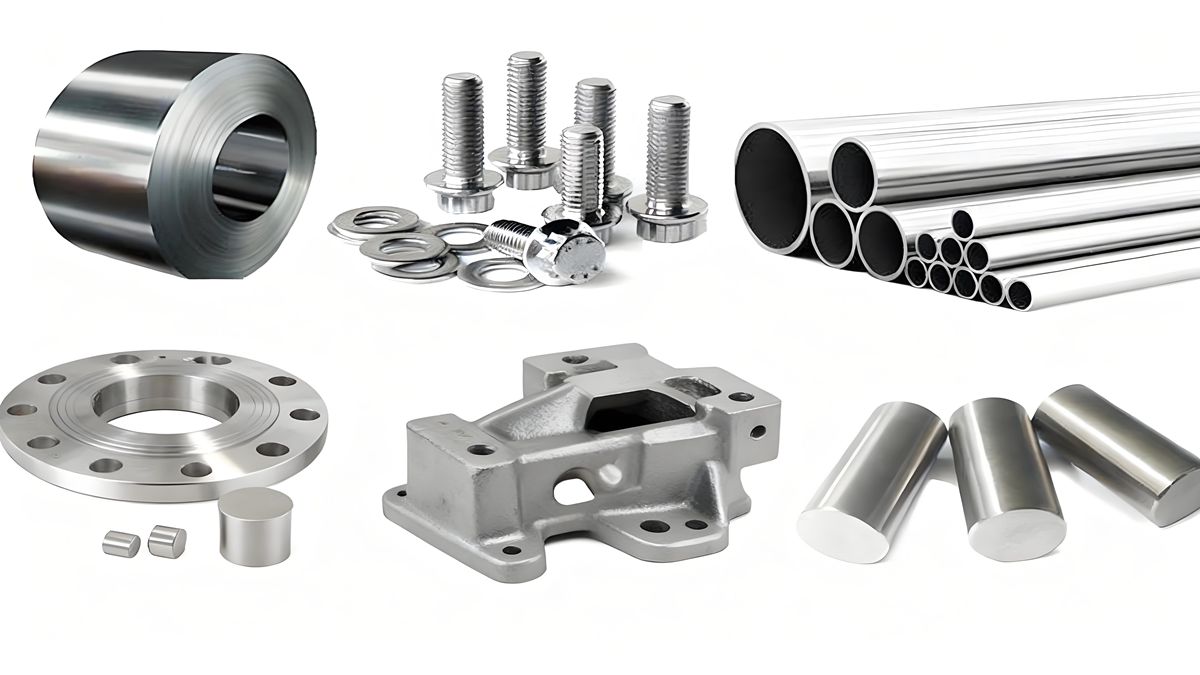
في مجال النقاء العالي سبائك النيكل, نيكل 200 (UNS N02200) و نيكل 201 (UNS N02201) بمثابة حصان العمل في صناعات المعالجة الكيميائية والصناعات الفضائية. بينما توفر كلتا السبيكتين مقاومة استثنائية للقلويات الكاوية والماء المقطر، فإن فهم الفروق الكيميائية الدقيقة بينهما أمر بالغ الأهمية لضمان السلامة الهيكلية في البيئات ذات درجات الحرارة العالية.
فروق نيكل 200 مقابل 201 نيكل
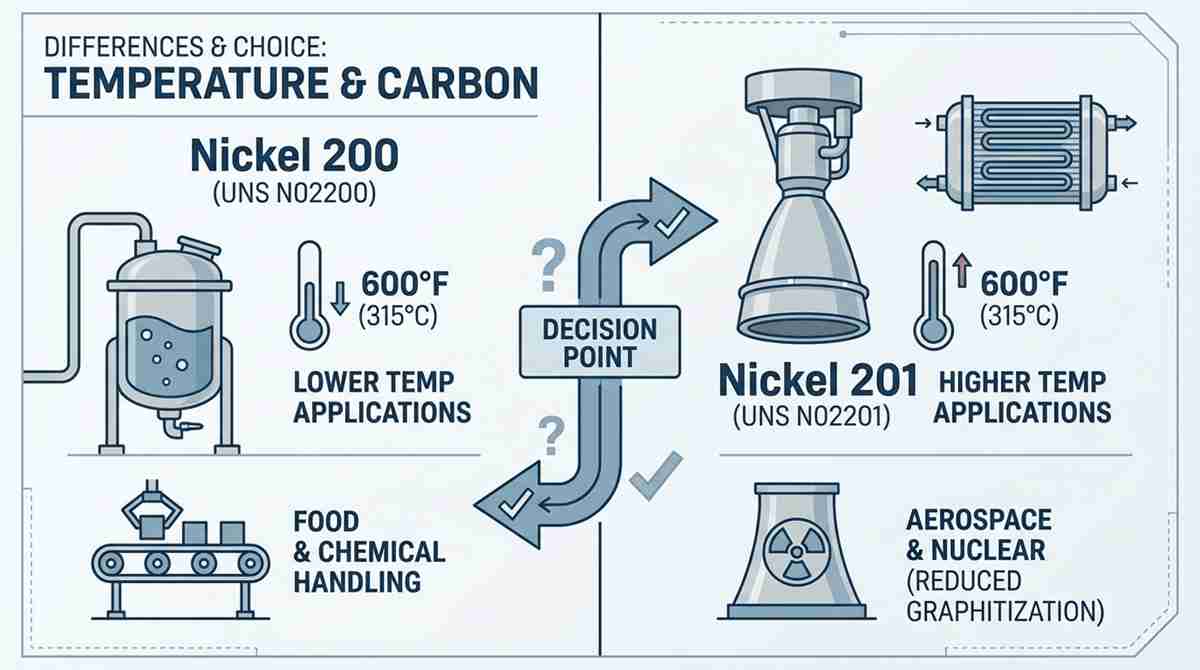
يكمن الفرق الأساسي بين النيكل 200 والنيكل 201 في محتواهما من الكربون. نيكل 200 عبارة عن نيكل مشغول نقي تجاريًا بحد أقصى لمحتوى الكربون يبلغ 0.15%. وفي المقابل، النيكل 201 هو الإصدار “منخفض الكربون”، ويقتصر على 0.02% كحد أقصى.
هذا التباين في الكربون يغير بشكل كبير من ثباتها الحراري. عند تعريض النيكل 200 لدرجات حرارة تتجاوز 315 درجة مئوية (600 درجة فهرنهايت) لفترات طويلة، يترسب الكربون الزائد على هيئة جرافيت عند حدود الحبيبات. وتؤدي هذه الظاهرة، والمعروفة باسم الجرافيتية، إلى فقدان شديد في الليونة والتقصف الحبيبي في نهاية المطاف. صُمم النيكل 201، الذي يتميز بالكربون المنخفض المتحكم فيه، خصيصًا لتجاوز هذا الخطر، محافظًا على خواصه الميكانيكية حتى 650 درجة مئوية (1200 درجة فهرنهايت).
| الممتلكات | النيكل 200 (UNS N02200) | نيكل 201 (UNS N02201) |
| محتوى الكربون (الحد الأقصى) | 0.15% | 0.02% |
| الكثافة | 8.89 جم/سم مكعب | 8.89 جم/سم مكعب |
| درجة الحرارة القصوى للخدمة | 315 درجة مئوية (600 درجة فهرنهايت) | 650 درجة مئوية (1200 درجة فهرنهايت) |
| قوة الشد (ملدنة) | 67,000 رطل لكل بوصة مربعة (462 ميجا باسكال) | 58,000 رطل لكل بوصة مربعة (400 ميجا باسكال) |
| قوة الخضوع (ملدنة) | 21,500 رطل لكل بوصة مربعة (148 ميجا باسكال) | 15,000 رطل لكل بوصة مربعة (103 ميجا باسكال) |
| الصلابة (روكويل ب) | 45 - 55 | 40 - 50 |
النيكل 200 مقابل 201 كيفية الاختيار
يتم الاختيار بين هاتين الدرجتين بشكل أساسي حسب درجة حرارة التشغيل والقوة الميكانيكية المطلوبة.
-
عتبة درجة الحرارة: إذا كان استخدامك يتضمن خدمة مستمرة أعلى من 315 درجة مئوية (600 درجة فهرنهايت)، فإن النيكل 201 هو الخيار الوحيد القابل للتطبيق. وكثيراً ما يُستخدم في المبخرات الكاوية ومراكب الاحتراق والمكونات الإلكترونية حيث تكون الحرارة العالية عاملاً مؤثراً.
-
القوة الميكانيكية: نظراً لأن الكربون يعمل كعامل تقوية في مصفوفة النيكل، فإن النيكل 200 يُظهر صلابة وقوة شد أعلى قليلاً من النيكل 201. بالنسبة للاستخدامات في درجات الحرارة المحيطة أو تلك التي تقل عن 315 درجة مئوية، يوفر النيكل 200 صلابة هيكلية أفضل.
-
مقاومة التآكل: توفر كلتا الدرجتين مقاومة متطابقة في معظم البيئات، خاصةً ضد الصودا الكاوية (NaOH) وهيدروكسيد البوتاسيوم. ومع ذلك، بالنسبة لبناء الأوعية المضغوطة، تأكد من أن المادة تفي بمتطلبات كود ASME للغلايات وأوعية الضغط الخاصة بدرجة الحرارة المقصودة.
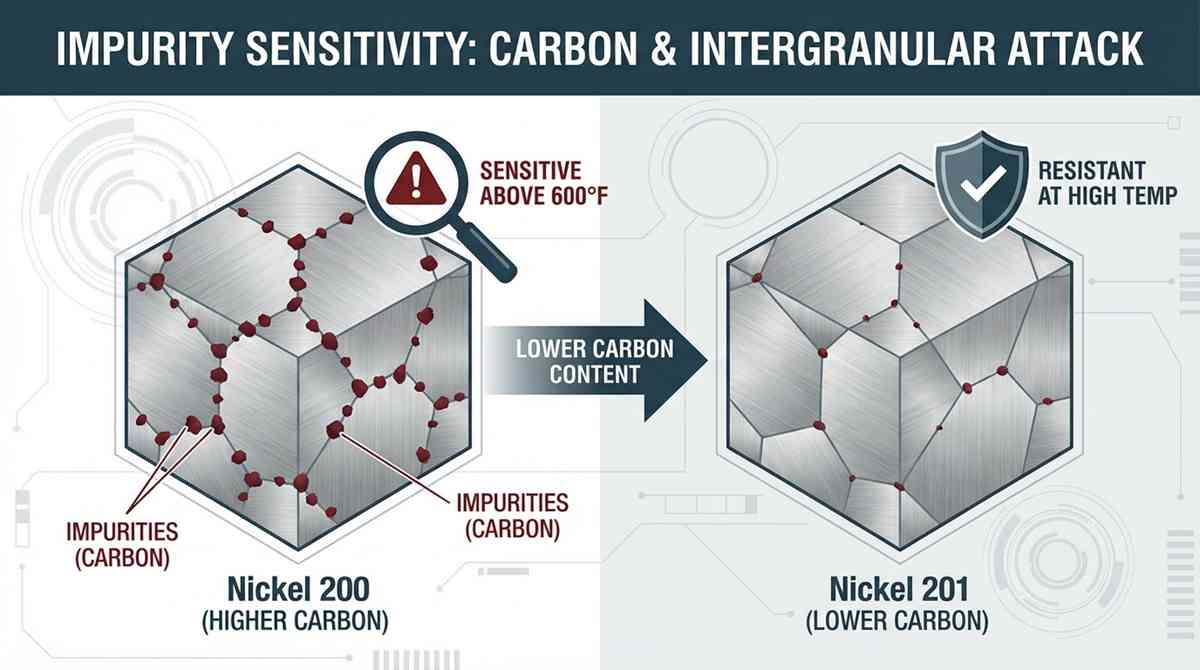
حساسية النيكل 200 مقابل حساسية الشوائب 201
وبخلاف الكربون، فإن كلا السبائكين حساسان للغاية للتلوث بالكبريت. يمكن أن يؤدي التعرض للمركبات الحاملة للكبريت في درجات حرارة مرتفعة إلى “تقصف الكبريت”. وينتقل الكبريت إلى حدود الحبيبات مكونًا سبيكة كبريتيد النيكل ذات نقطة انصهار منخفضة تدمر ليونة المعدن.
وعلاوة على ذلك، فإن حساسية النيكل 200 لترسيب الكربون هي ’نقطة ضعفه“ في سيناريوهات درجات الحرارة العالية. وعلى الرغم من أن النيكل 201 يخفف من هذه المشكلة، إلا أنه يجب على المستخدمين التأكد من أن عمليات التصنيع (مثل اللحام أو المعالجة الحرارية) لا تُدخل الكربون أو الكبريت الخارجي. يعد التنظيف السليم للسطح واستخدام معادن حشو منخفضة الكربون ضروريان للحفاظ على نقاء وأداء هذه السبائك.
أسئلة وأجوبة ذات صلة
س1: هل يمكن اعتماد النيكل 200 والنيكل 201 اعتمادًا مزدوجًا؟ نعم. يمكن منح شهادة مزدوجة للمادة إذا كان محتواها من الكربون 0.02% (يفي بمواصفات النيكل 201) مع الاستمرار في تلبية متطلبات القوة الميكانيكية للنيكل 200.
س2: ما السبيكة الأفضل لمعالجة الصودا الكاوية؟ كلاهما ممتاز. ومع ذلك، إذا كانت العملية تنطوي على تسخين الصودا الكاوية بتركيزات عالية عند درجات حرارة أعلى من 315 درجة مئوية، فيجب استخدام النيكل 201 لمنع التشقق الإجهادي والتآكل الإجهادي والجرافيت.
س3: هل يوجد فرق كبير في السعر بين الاثنين؟ بشكل عام، فرق السعر ضئيل للغاية. وتتأثر التكلفة بالسعر السائد في السوق للنيكل الخام أكثر من تأثرها بعملية تنقية الكربون.