









في المعالجة الكيميائية، نادرًا ما يكون اختيار السبيكة في المعالجة الكيميائية من تفاصيل الشراء. إنه قرار موثوقية يؤثر على معدل التآكل، وتكرار الإغلاق، وعائد التصنيع، وفترات الفحص، وفي النهاية اقتصاديات المصنع. عندما يبدأ المهندسون في تقييم مورد سبائك النيكل في الصين للمعالجة الكيميائية, فالسؤال الحقيقي ليس ببساطة من يمكنه تقديم الأسعار بسرعة. فالسؤال الأعمق هو ما إذا كان المورد يفهم التآكل الحمضي المختلط، والتشقق الإجهادي الناتج عن تآكل الكلوريد، والوسائط المختزلة، والوسائط المؤكسدة، وقابلية اللحام، واتساق الحرارة إلى الحرارة، وانضباط التوثيق المطلوب للخدمة الحرجة.
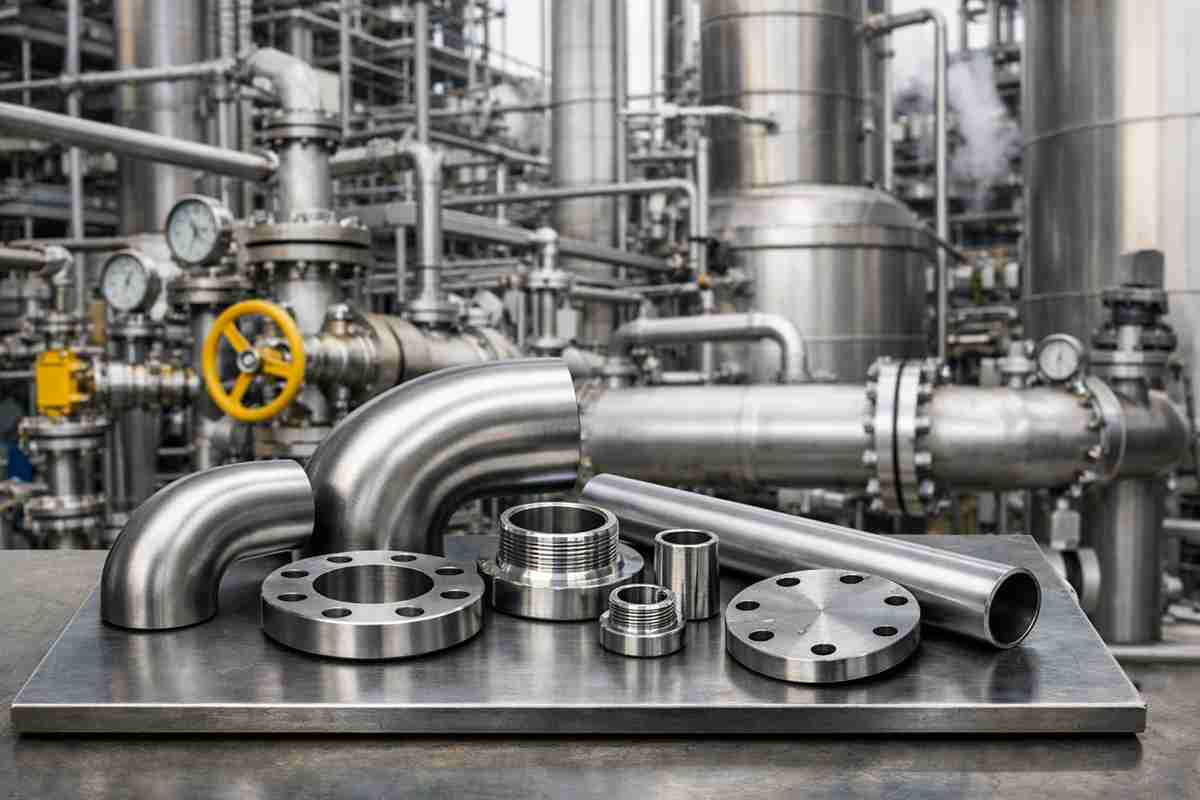
يجب أن يتحدث المورد الكفء لغة هندسة التآكل، وليس فقط لوجستيات التجارة. ويعني ذلك عمليًا مناقشة عائلات السبائك مثل السبائك 200/201، والسبائك 400، والسبائك 600، والسبائك 625، والسبائك 800H/HT، وC-22، وC-276، وغيرها من الدرجات عالية الأداء من حيث آلية التآكل، وحدود درجات الحرارة، وسلوك التصنيع، والامتثال للكود. بالنسبة للمشترين في حمض الكبريتيك، ومعالجة حمض الهيدروكلوريك، وتركيز حمض الفوسفوريك، والكلور الرطب، والتبخير الكاوي، وأنظمة الكلور القلوي، والمبادلات الحرارية، والمفاعلات، والأنابيب، وأوعية الضغط، فإن هذا التمييز مهم.
ما يتوقعه المهندسون من مورد سبائك النيكل في الصين للمعالجة الكيميائية
من وجهة نظر هندسية، عادة ما يتم الحكم على قدرة الموردين من خلال خمس نقاط.
أولاً، يجب أن تتخطى المعرفة المادية أرقام نظام الأمم المتحدة للمعلومات الجغرافية. يجب أن تكون موثوقة مورد سبائك النيكل في الصين للمعالجة الكيميائية يجب أن تشرح لماذا تؤدي السبائك C-276 أداءً جيدًا في العديد من البيئات المؤكسدة والمختزلة، ولماذا تُفضل السبائك 200 في بعض الخدمات الكاوية، ولماذا يتم اختيار المتغيرات منخفضة الكربون لتقليل مخاطر التحسس، ومتى تبرر السبائك الغنية بالموليبدينوم ارتفاع قيمتها.
ثانيًا، التحكم في الإنتاج مهم. لا تشتري المصانع الكيميائية “المعدن”؛ بل تشتري أداءً يمكن التنبؤ به. ويتطلب ذلك رقابة صارمة على الكيمياء، ومسار الصهر، والبنية الحبيبية والتلدين بالمحلول، والتخليل، والخصائص الميكانيكية، وحالة السطح، والتفاوتات في الأبعاد. يمكن أن يؤدي التباين في أي من هذه المراحل إلى الإضرار بمقاومة التآكل أو التصنيع النهائي.
ثالثًا، غالبًا ما يتم التقليل من أهمية الدعم في مجالي اللحام والتصنيع. يجب أن يكون المورد المتمرس قادرًا على مناقشة مدخلات الحرارة، ومطابقة معدن الحشو، والتحكم بين المراحل، وميل التصدع الحراري، والتنظيف بعد اللحام، وتأثير ممارسات التصنيع على التآكل الموضعي. ففي سبائك النيكل، يمكن أن تؤدي الممارسات السيئة في ورشة العمل إلى إهدار الميزة التي توفرها المادة الأساسية الممتازة.
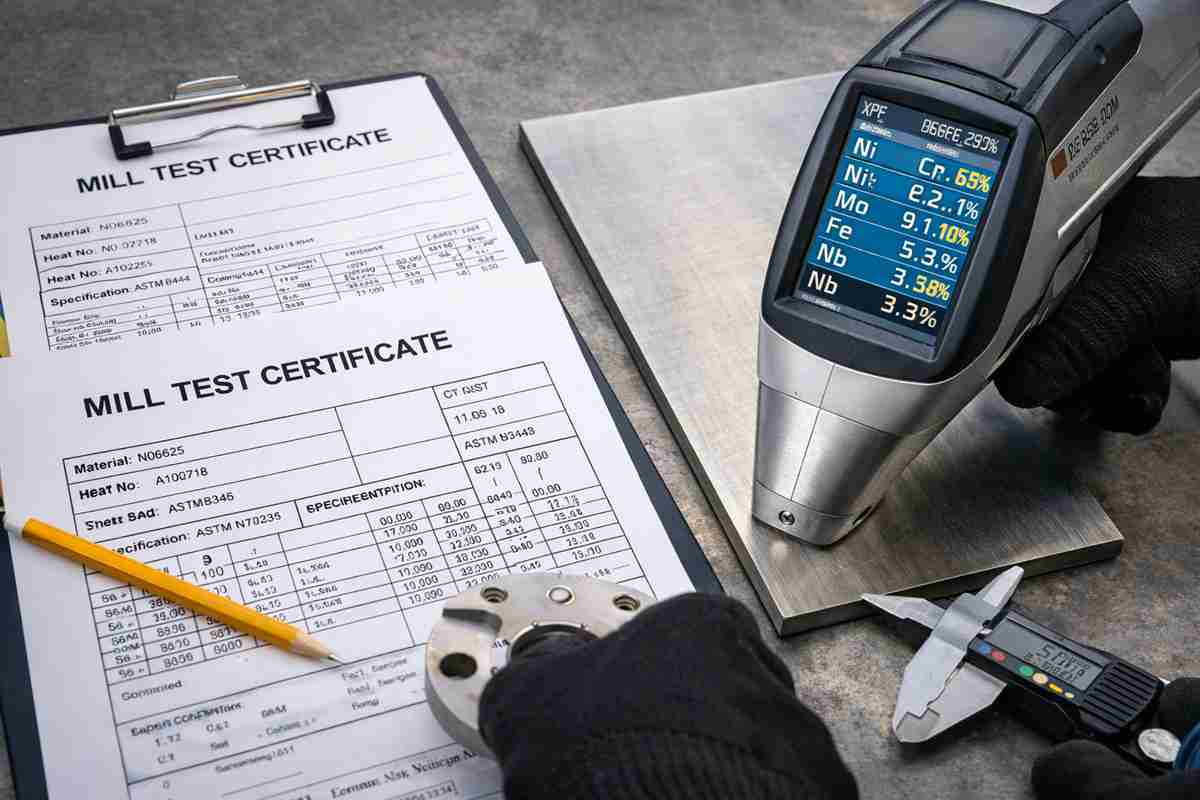
رابعًا، لا يمكن أن يكون الفحص وإمكانية التتبع اختياريًا. إن شهادات اختبار الطاحونة، ومؤشر مديري المشتريات، والفحص بالموجات فوق الصوتية عند الاقتضاء، ومراجع اختبار التآكل، ووثائق EN 10204 3.1، وإمكانية التتبع الحراري الكامل هي توقعات قياسية للمشاريع الجادة. في العديد من بيئات الهندسة والمشتريات والإنشاءات والبيئات التي يديرها المالك، تعتبر إمكانية التتبع غير المكتملة علامة حمراء.
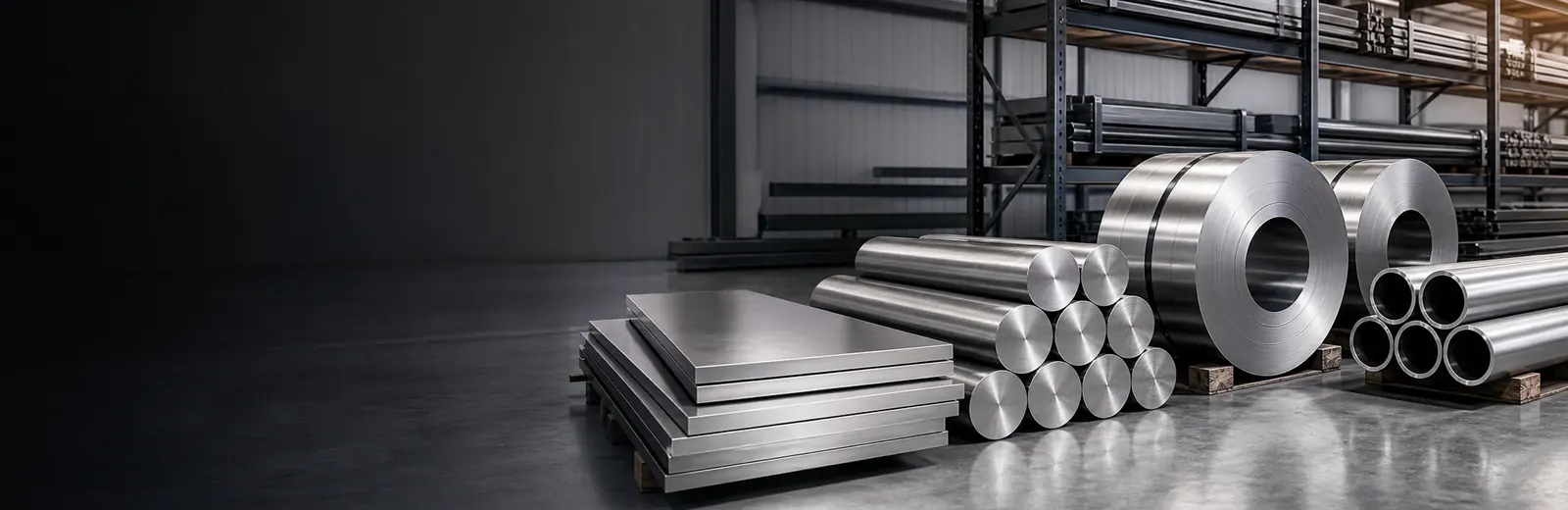
خامسًا، يؤثر نطاق المخزون والقدرة على التحويل على توقيت المشروع. يمكن للمورد الذي يمكنه توفير الألواح والصفائح والأنابيب والأنابيب والأنابيب والقضبان والأسلاك والفلنجات والتجهيزات المطروقة من مخزون منسق أن يقلل من تجزئة المشتريات. بالنسبة لنوافذ الصيانة العاجلة، غالبًا ما يكون ذلك أكثر قيمة من فرق السعر الهامشي.
كيفية تقييم أداء التآكل حسب بيئة الخدمة
أفضل محادثات الموردين هي محادثات خاصة بالخدمة. إن طلب “سبيكة جيدة مقاومة للتآكل” أمر واسع للغاية. يجب على المهندسين تحديد الغلاف الفعلي للعملية: التركيب المتوسط، وملامح الشوائب، ودرجة الحرارة، والضغط، ومحتوى الأكسجين، وسرعة التدفق، ومناطق الركود، وتقلب الأس الهيدروجيني، وكيمياء التنظيف.
على سبيل المثال، تؤدي الاستخدامات التي تتضمن حمض الهيدروكلوريك عمومًا إلى توجيه اختيار المواد نحو أنظمة النيكل-الكروم-الموليبدينوم عالية السبائك. وقد تؤدي الملوثات المؤكسدة إلى تغيير هذا التوازن مرة أخرى. أما في أنظمة الصودا الكاوية، فقد يظل النيكل النقي تجاريًا خيارًا مثاليًا في ظل الظروف المناسبة. في تدفقات العمليات الساخنة المحتوية على الكلوريد، تصبح مقاومة التآكل النقطي ومقاومة التآكل في الشقوق عاملين أساسيين، وليس مجرد هامش التآكل العام.
ولهذا السبب فإن مورد سبائك النيكل في الصين للمعالجة الكيميائية أن يطرح أسئلة فنية قبل إصدار توصية. إذا كان المورد يرد فقط بـ “C-276 هو الأفضل” أو “625 هو الأفضل”، فهذا ليس دعمًا هندسيًا. إنه بيع عام.
سبائك النيكل النموذجية لتطبيقات المعالجة الكيميائية
يلخص الجدول أدناه كيف يقارن المهندسون غالبًا بين خيارات سبائك النيكل الشائعة في الخدمة الكيميائية. يجب دائمًا التحقق من الاختيار النهائي مقابل حالة العملية الدقيقة.
| سبيكة / UNS | القوة النموذجية | ملف تعريف التآكل | استخدامات المعالجة الكيميائية الشائعة | الملاحظة الهندسية الرئيسية |
|---|---|---|---|---|
| النيكل 200 / N02200 | معتدل | ممتازة في القلويات الكاوية، ومحدودة في الأحماض المؤكسدة بشدة | المبخرات الكاوية، ومعدات المناولة، وخدمة القلويات | مراقبة القيود المتعلقة بالكربون في درجات الحرارة المرتفعة |
| نيكل 201 / N02201 / N02201 | معتدل | مماثلة ل 200، محسنة للخدمة في درجات الحرارة المرتفعة بسبب انخفاض الكربون | الأنظمة الكاوية، الخدمة الحرارية | يُفضل في الحالات التي يجب فيها تقليل مخاطر التحويل البياني |
| مونيل 400 / N04400 | متوسط إلى مرتفع | جيد في حمض الهيدروفلوريك ومياه البحر والوسائط المحايدة والمختزلة | المعدات المتعلقة بألكلة التردد العالي التردد، وأنظمة المحاليل الملحية والأعمدة والمضخات | ليست إجابة شاملة للوسائط الحمضية المؤكسدة |
| إنكونيل 600 / N066600 | عالية | مقاومة جيدة للأكسدة والتآكل في درجات الحرارة العالية | مكونات السخان، ومعدات المعالجة، والتعرض للكلوريد في حالات مختارة | غالبًا ما يتم اختيارها لمقاومة الحرارة والتقشر بدلاً من مقاومة الأحماض القوية |
| إينكونيل 625 / N0666625 | عالية | مقاومة ممتازة للتنقر والشقوق والتآكل العام في العديد من الوسائط العدوانية | أجهزة التنظيف، والأنابيب، والمبادلات الحرارية، والمكونات الانتقالية | جهاز قوي متعدد الاستخدامات مع أداء تصنيع جيد |
| هاستيلوي C-276 / N10276 | عالية | مقاومة ممتازة في الأحماض المختلطة والكلوريدات والأكسدة/الأوساط المختزلة | المفاعلات، والأنابيب، والمضخات، والصمامات، والكلور الرطب، وأنظمة إزالة الغازات المفلورة | الاختيار المتميز حيث يكون عدم اليقين في العملية مرتفعًا |
| Hastelloy C-22 / N06022 | عالية | مقاومة فائقة للتنقر، والتآكل الشقوق، والعديد من الوسائط المكلورة | أنظمة التبييض، والكلورة، والوحدات الكيميائية المتخصصة | غالبًا ما يتم اختياره عندما يكون التآكل الموضعي هو نمط الفشل المسيطر |
| Incoloy 800H/HT / N08810/N08811 إنكولوي 800H/HT | متوسط إلى مرتفع | التركيز على مقاومة الحرارة والثبات الهيكلي أكثر من التركيز على مقاومة التآكل الرطب الواسعة النطاق | المصلحات، ومعدات المعالجة ذات درجة الحرارة العالية | مرشّح قوي للخدمة الهيكلية في درجات الحرارة المرتفعة |
ما تفوته فرق المشتريات في كثير من الأحيان عند الشراء من الصين
A مورد سبائك النيكل في الصين للمعالجة الكيميائية ليس تلقائيًا خيارًا منخفض التكلفة، ولا ينبغي الحكم عليه بناءً على سعر التسليم على ظهر السفينة فقط. يقارن المشترون الأذكياء بين التكلفة الإجمالية المركبة ومخاطر دورة الحياة.
هناك ثلاثة أخطاء شائعة. الخطأ الأول هو التعامل مع جميع المطاحن وبائعي الأسهم على قدم المساواة. فهي ليست كذلك. فبعضها قوي في الصهر والدرفلة، وبعضها قوي في عمق المخزون، وبعضها قوي في المنتجات المطروقة، وبعضها قوي في التجارة فقط. الخطأ الثاني هو تجاهل جودة التحويل. يمكن أن تكون اللوحة ممتازة بينما يؤدي سوء التصنيع الآلي أو التشكيل على البارد أو إعداد حافة اللحام إلى مشاكل في الموقع لاحقًا. الخطأ الثالث هو الفشل في مواءمة الوثائق مع مواصفات المشروع قبل وضع أمر الشراء. وهذا يؤدي إلى تأخيرات ومواد مرفوضة وإعادة اختبار يمكن تجنبها.
في 28 نيكل، عادةً ما تبدأ المناقشات الفنية الأكثر إنتاجية في 28 نيكل ببيانات العملية بدلاً من رقم الجزء. بمجرد أن تتضح شروط الخدمة، يصبح اختيار السبيكة أكثر عقلانية، وتنتقل المحادثة بشكل طبيعي إلى النماذج المتاحة، والمهلة الزمنية، ونطاق الاختبار، ونصائح التصنيع. هكذا يصبح المورد شريكًا هندسيًا.
الأفكار النهائية
بالنسبة لمشاريع المعالجة الكيميائية، فإن المورد المناسب هو الذي يساعدك على تقليل عدم اليقين. إن عرض الأسعار الجيد مفيد؛ ولكن عرض الأسعار القائم على أسس فنية أكثر قيمة بكثير. إذا كنت تقوم بفحص مورد سبائك النيكل في الصين للمعالجة الكيميائية, اسألهم عن كيفية تقييمهم لآلية التآكل، ومخاطر التصنيع، ووثائق الاختبار، وملاءمة السبيكة الخاصة بالخدمة. ستخبرك إجابتهم ما إذا كانوا يفهمون واقع المصنع الكيميائي.
إذا كان فريقك يقارن بين السبائك للمفاعلات أو المبادلات الحرارية أو الأنابيب أو الخزانات أو أنظمة المرافق المسببة للتآكل، فقم بتوفير الوسيط ودرجة الحرارة والتركيز ومتطلبات التصنيع أولاً. هذا هو أسرع طريق للتوصية بمواد يمكن الدفاع عنها.
أسئلة وأجوبة ذات صلة
1. ما هي سبيكة النيكل التي تستخدم عادة في معدات المعالجة الكيميائية الحمضية المختلطة؟
تُعد السبيكة C-276 مادة الاختيار الأول الشائعة حيثما توجد أحماض مؤكسدة ومختزلة مختلطة، خاصةً عندما يزيد التلوث بالكلوريد أو تباين العملية من مخاطر التآكل الموضعي. ومع ذلك، يجب التأكد من الاختيار النهائي في ضوء بيانات التركيز الدقيق ودرجة الحرارة والشوائب.
2. كيف يمكنني التحقق مما إذا كان مورد سبائك النيكل الصيني موثوقًا من الناحية الفنية؟
تحقق مما إذا كان المورد يمكنه توفير إمكانية التتبع الكامل، وقياس التتبع الدقيق، ودعم مؤشر مديري المشتريات، وسجلات التحكم في الأبعاد، ونتائج الاختبارات غير القابلة للتفكيك القابلة للتطبيق، وتوصيات السبائك القائمة على الخدمة. كما يجب أن يناقش المورد الموثوق به أيضًا أوضاع اللحام والتصنيع والتآكل من الناحية العملية.
3. هل Inconel 625 أفضل دائمًا من Monel 400 للمعالجة الكيميائية؟
لا، إن Inconel 625 أكثر مقاومة على نطاق واسع في العديد من الوسائط العدوانية، خاصةً عندما تكون الكلوريدات والتآكل الموضعي من المخاوف. يمكن أن يظل مونيل 400 الخيار الأفضل والأكثر اقتصادًا في بعض البيئات المختزلة، بما في ذلك بعض الخدمات المتعلقة بحمض الهيدروفلوريك والخدمات المتعلقة بالمحلول الملحي.