









Wenn Ingenieure bewerten Inconel 617 vs. Inconel X-750 für Wärmetauscherrohre, Die eigentliche Entscheidung lautet nicht einfach “welche Legierung ist stärker”. In Hochtemperaturtauschern, insbesondere dort, wo die Rohre langen Belastungen, Temperaturschwankungen, Oxidation und Fertigungsstress ausgesetzt sind, ist das sicherere Material in der Regel dasjenige, das seine Gefügestabilität unter Belastung beibehält. Das ist der Punkt, an dem viele Kaufentscheidungen scheitern. Eine hohe Festigkeit bei Raumtemperatur sieht auf dem Papier beruhigend aus, aber Tauscherrohre versagen im Betrieb aufgrund von Kriechen, Überalterung, Schweißnahtschwäche, Aufkohlung, Zunderabplatzungen oder Verlust der Duktilität nach langer Belastung.
Aus diesem Grund muss dieser Vergleich mit der Metallurgie beginnen, nicht nur mit dem Preis.
Warum der Vergleich bei Wärmetauscherrohren wichtig ist
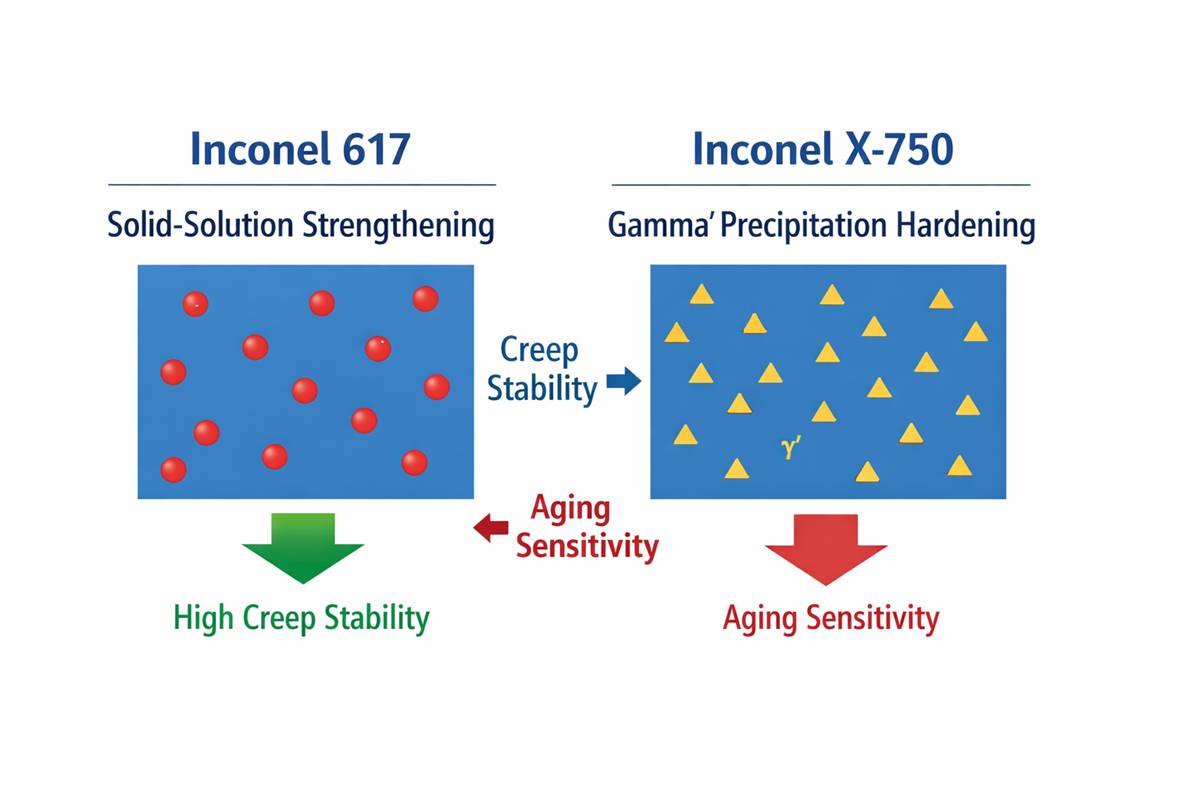
Inconel 617 und Inconel X-750 sind beides Nickelbasislegierungen, aber sie wurden für unterschiedliche technische Prioritäten entwickelt. Inconel 617 ist in erster Linie ein fest-lösungsgestärkt Legierung mit hohem Chrom-, Kobalt-, Molybdän- und Aluminiumanteil. Ihr Ruf beruht auf ihrer ausgezeichneten Hochtemperaturfestigkeit, Oxidationsbeständigkeit und Stabilität bei längerer Einwirkung. Inconel X-750 hingegen ist eine Ausscheidungsgehärtet Nickel-Chrom-Legierung, deren Festigkeit hauptsächlich durch Gamma-Kalk-Ausscheidung während der Wärmebehandlung entwickelt wird.
Dieser Unterschied ist bei Schläuchen von großer Bedeutung.
Ein Wärmetauscherrohr ist kein statisches Bauteil. Es wird gedehnt, gebogen, geschweißt, mit Druck belastet, vibriert, erhitzt, gekühlt und oft ungleichmäßigen Wandtemperaturen ausgesetzt. Unter realen Anlagenbedingungen ist die beste Rohrlegierung diejenige, die ein Gleichgewicht zwischen Warmfestigkeit, Oxidationsbeständigkeit, Verarbeitbarkeit und langfristiger Zuverlässigkeit bietet. In vielen kontinuierlichen Hochtemperaturanwendungen ist die Inconel 617 vs. Inconel X-750 für Wärmetauscherrohre Die Entscheidung fällt tendenziell zugunsten von 617 aus, da Kriechfestigkeit und metallurgische Stabilität wichtiger sind als die Spitzenzugfestigkeit im gealterten Zustand.
Metallurgische Logik hinter der Auswahl
Inconel 617 eignet sich gut für heiße Gasströme, da sein Verfestigungsmechanismus über einen breiten Temperaturbereich wirksam bleibt. Er ist weniger abhängig von einem sorgfältig aufrechterhaltenen Ausscheidungszustand. Das macht ihn nachsichtiger, wenn die Betriebstemperatur hoch genug ist, um die Verfestigungsphasen in anderen Legierungen zu vergröbern. Chrom und Aluminium unterstützen außerdem die Bildung von schützenden Oxidschichten, während Kobalt und Molybdän zur Warmfestigkeit beitragen.
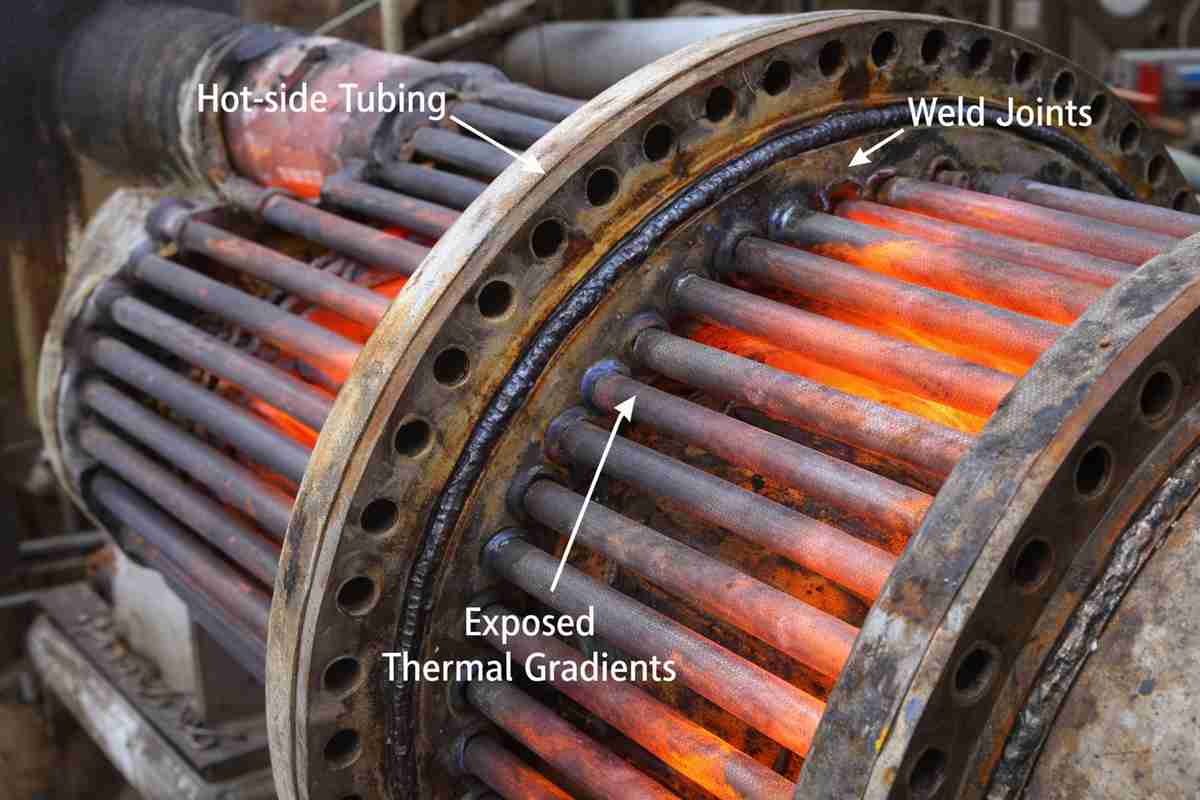
Inconel X-750 kann eine beeindruckende mechanische Festigkeit aufweisen, insbesondere wenn es ordnungsgemäß wärmebehandelt wurde. Bei Wärmetauscherrohren, die ständig hohen Temperaturen ausgesetzt sind, ist bei ausscheidungsgehärteten Legierungen jedoch mehr Vorsicht geboten. Bei längerer Exposition kann sich die Ausscheidungsverteilung verändern, was die Duktilität verringern und das Bruchverhalten verändern kann. Bei einem Bauteil wie einer Feder oder einem Befestigungselement kann dieser Kompromiss akzeptabel oder sogar wünschenswert sein. Bei dünnwandigen Rohren mit Schweißnähten und thermischen Gradienten wird der technische Spielraum enger.
Inconel 617 vs. Inconel X-750 für Wärmetauscherrohre: Was Ingenieure prüfen sollten
Wenn ich diese beiden Legierungen für Rohre vergleiche, konzentriere ich mich in der Regel auf fünf praktische Fragen.
Erstens, Wie hoch ist die tatsächliche Metalltemperatur und nicht nur die Prozesstemperatur? Wenn zu erwarten ist, dass die Rohrwand lange Zeit im oberen Temperaturbereich verbleibt, ist Inconel 617 normalerweise im Vorteil. Es wurde für den anspruchsvollen thermischen Einsatz entwickelt und bietet ein besseres Vertrauen, wenn das Kriechen zu einem Konstruktionsfaktor wird.
Zweitens, Ist der Dienst kontinuierlich oder intermittierend? Intermittierende Zyklen verändern das Bild. X-750 kann immer noch für einige Anwendungen bei mittleren bis hohen Temperaturen nützlich sein, bei denen eine höhere Festigkeit, eine gute Ermüdungsbeständigkeit und eine kontrollierte Wärmebehandlung von Vorteil sind. Sobald die Belastung jedoch lang und heiß genug wird, ist 617 im Allgemeinen die konservativere Rohrwahl.
Drittens, Wie hoch ist der Schweiß- und Umformaufwand? Dies wird häufig unterschätzt. Inconel 617 lässt sich in der Regel leichter zu Rohren verarbeiten, da er nicht auf einen ausscheidungsgehärteten Endzustand angewiesen ist, um seine Haupteigenschaften zu erreichen. Inconel X-750 kann zwar hergestellt und geschweißt werden, aber die Prozesssteuerung ist empfindlicher, und die endgültigen Eigenschaften hängen stark vom Zustand und der Wärmebehandlungsstrategie nach der Herstellung ab. Für Wärmetauscherbetriebe bedeutet dies ein engeres Prozessfenster.
Vierter, Was ist die ätzende Umgebung? Beide Legierungen sind gut oxidationsbeständig, aber es kommt auf die genaue Chemie an. In oxidierenden Hochtemperatur-Gasanwendungen ist 617 ein guter Kandidat. In gemischten Umgebungen mit Schwefel, Aufkohlungstendenzen oder anderen aggressiven Stoffen sollte die Auswahl anhand der genauen Atmosphäre, des Taupunkts, der chemischen Zusammensetzung der Ablagerung und des Reinigungszyklus geprüft werden. Kein verantwortungsbewusster Ingenieur sollte sich bei der Wahl zwischen 617 und X-750 nur auf ein allgemeines Korrosionsdiagramm stützen.
Fünfte, Welche Fehlerart ist am wenigsten akzeptabel? Wenn die Anlage keine Kriechverformung, Rohrverkrümmung oder langfristige Bruchgefahr tolerieren kann, verdient 617 eine hohe Priorität. Wenn es bei der Konstruktion mehr auf die Festigkeit bei niedrigeren Betriebstemperaturen und die spezifische mechanische Belastung ankommt, kann X-750 immer noch in Betracht gezogen werden - aber das ist ein engerer Fall für Wärmetauscherrohre, als viele Käufer annehmen.
Typischer Vergleich für Wärmetauscherrohre
Die nachstehenden Werte sind Richtwerte und keine Kaufspezifikationen. Die tatsächlichen Werte variieren je nach Produktform, Verarbeitungsprozess und Wärmebehandlung.
| Eigenschaft / Auswahlfaktor | Inconel 617 | Inconel X-750 | Relevanz für Wärmetauscherrohre |
|---|---|---|---|
| Verstärkungsmechanismus | Feste Lösung verstärkt | Ausscheidungsgehärtet (Gamma-Kalk) | Bestimmt die Langzeitstabilität unter Hitze |
| Typische Dienstleistungsschwerpunkte | Struktureller Einsatz bei sehr hohen Temperaturen | High-strength service, springs, fasteners, some hot components | Rohre sind in der Regel stabiler als Spitzenhärte |
| Kriechstromfestigkeit bei erhöhter Temperatur | Ausgezeichnet | Gut bis mäßig, zustandsabhängig | Entscheidend für eine lange Lebensdauer der Heißseitenrohre |
| Oxidationsbeständigkeit | Ausgezeichnet | Sehr gut | Beide sind geeignet, wobei 617 bei höheren Dauertemperaturen oft bevorzugt wird. |
| Mikrostrukturelle Stabilität bei längerer Hitzeeinwirkung | Stark | Anfälliger für Überalterung/Phasenentwicklung | Wichtig bei Wärmetauschern im Dauerbetrieb |
| Schweißbarkeit/Fertigungsfenster | Im Allgemeinen günstig | Empfindlicher gegenüber Wärmebehandlungsbedingungen | Fabrikationsrisiko oft geringer bei 617 |
| Empfindlichkeit der Wärmebehandlung nach der Herstellung | Unter | Höher | X-750 erfordert eine strengere Kontrolle zur Sicherung der Eigenschaften |
| Raumtemperatur-/Mitteltemperaturfestigkeit | Gut | Höher | X-750 mag auf Datenblättern attraktiv aussehen |
| Best-fit-Szenario für Schläuche | Kontinuierlicher Betrieb des Hochtemperaturtauschers | Eingeschränktere Verwendung, wo höhere Festigkeit und kontrollierte Wärmeeinwirkung entscheidend sind | Leistungsprofil entscheidet über den Gewinner |
| Bevorzugung konservativer Technik gegenüber starker thermischer Belastung | Normalerweise bevorzugt | In der Regel zweite Wahl | 617 ist im Allgemeinen die sicherere Warmrohrlegierung. |
Praktische Hinweise zur Auswahl: Wo jede Legierung hingehört
Für die Inconel 617 vs. Inconel X-750 für Wärmetauscherrohre Entscheidung ist meine Faustregel einfach: Wenn der Wärmetauscher wirklich heiß ist, eine lange Lebensdauer hat und kriechempfindlich ist, sollten Sie mit Inconel 617 beginnen. Es ist die natürlichere Rohrlegierung, wenn die Rohrwand eine anhaltende thermische Belastung überstehen muss, ohne von einer engen Ausscheidungsbedingung abhängig zu sein.
Verwenden Sie Inconel X-750 mit mehr Vorsicht. Es ist eine starke Legierung, die unter den richtigen Bedingungen gute Leistungen erbringt. Aber sie ist nicht automatisch der bessere Rohrwerkstoff, nur weil ihre Festigkeitswerte in bestimmten Zuständen höher erscheinen können. In der Wärmetauschertechnik lautet die falsche Frage: “Welche Legierung hat die höhere Zugfestigkeit?” Die bessere Frage lautet: “Welche Legierung behält nach Tausenden von Stunden bei der aktuellen Rohrwandtemperatur genügend Festigkeit und Duktilität?”
Diese Unterscheidung rettet Projekte.
Auch die Beschaffungsseite sollte vorsichtig sein. Die Einkäufer vergleichen oft nur den Namen der Basislegierung und den Stückpreis. Das ist riskant. Insbesondere bei X-750 sind der Lieferzustand, der Herstellungsweg, die Schweißreihenfolge und die Philosophie der abschließenden Wärmebehandlung untrennbar mit der Leistung verbunden. Bei 617 ist die Diskussion in der Regel unkomplizierter, auch wenn die Verfügbarkeit der Form, die Wandtoleranz und die Übereinstimmung von Normen und Spezifikationen sorgfältig geprüft werden müssen.
Endgültiges Urteil
In der Debatte über Inconel 617 vs. Inconel X-750 für Wärmetauscherrohre, ist die Antwort in der Regel abhängig von der Betriebstemperatur.
Wählen Sie Inconel 617 wenn die Rohre dauerhaft hohen Temperaturen, Kriechvorgängen, Oxidation und Herstellungsbedingungen mit einer größeren Sicherheitsspanne standhalten müssen. Wählen Sie Inconel X-750 Nur wenn die Aufgabe des Wärmetauschers spezieller ist, kann das thermische Fenster besser kontrolliert werden, und die Konstruktion profitiert wirklich von seinem ausscheidungsgehärteten Festigkeitsprofil.
Aus technischer Sicht ist 617 die konservativere und technisch solidere Lösung für Rohre für Wärmetauscher. Vom Verkaufsstandpunkt aus gesehen ist der bessere Lieferant derjenige, der Sie nach der Auslegungstemperatur, dem Druck, der Atmosphäre, dem Schweißverfahren und der erwarteten Lebensdauer fragt, bevor er Ihnen ein Materialangebot macht.
Wenn Sie jetzt ein Projekt dimensionieren, ist der schnellste Weg, eine falsche Legierungswahl zu vermeiden, den gesamten Betriebsbereich zu überprüfen - nicht nur den Legierungsnamen auf einem Datenblatt. Unter 28Nickel, Das ist in der Regel der Punkt, an dem das nützliche Gespräch beginnt.
Verwandte Fragen und Antworten
1. Ist Inconel X-750 für Hochtemperatur-Wärmetauscherrohre geeignet?
Er kann in bestimmten Fällen geeignet sein, ist aber in der Regel nicht die erste konservative Wahl für den kontinuierlichen Einsatz von Rohren bei sehr hohen Temperaturen. Sein ausscheidungsgehärtetes Gefüge bietet eine gute Festigkeit, doch kann eine lange Exposition bei erhöhter Temperatur die Stabilität der Eigenschaften empfindlicher machen als bei Inconel 617.
2. Warum wird Inconel 617 oft gegenüber Inconel X-750 für Wärmetauscherrohre bevorzugt?
Die Zuverlässigkeit von Rohren wird in der Regel durch die Kriechbeständigkeit, das Oxidationsverhalten, die Schweißbarkeit und die langfristige mikrostrukturelle Stabilität bestimmt. Inconel 617 bietet im Allgemeinen ein besseres Gleichgewicht dieser Eigenschaften für schwere thermische Belastungen.
3. Welche Daten sollten Käufer anfordern, bevor sie zwischen Inconel 617 und Inconel X-750 wählen?
Erkundigen Sie sich nach der chemischen Zusammensetzung, der Produktform, dem Lieferzustand, dem Stand der Wärmebehandlung, den Kriechbruchdaten bei Auslegungstemperatur, den Oxidations-/Korrosionsempfehlungen für das jeweilige Medium und den Schweißempfehlungen für die vorgesehene Herstellungsweise.