Selecting the optimal high-performance superalloy for severe industrial environments is rarely straightforward. Engineers frequently face catastrophic localized corrosion, stress corrosion cracking (SCC), or high-temperature creep when system specifications mismatch the actual service conditions. Relying on isolated material data sheets often leads to costly design oversights. To mitigate these structural risks, referencing a comprehensive nickel alloy selection chart is a fundamental step in the metallurgical evaluation process. It provides a macroscopic view of material capabilities, allowing you to align chemical compositions directly with the thermal and corrosive demands of your specific engineering project.
While standard stainless steels degrade rapidly under aggressive chloride attacks or extreme temperatures, nickel-based alloys maintain structural integrity due to their stable austenitic matrix. However, the exact alloying additions—such as chromium, molybdenum, niobium, and tungsten—drastically alter performance profiles.
Key metrics in a nickel alloy selection chart
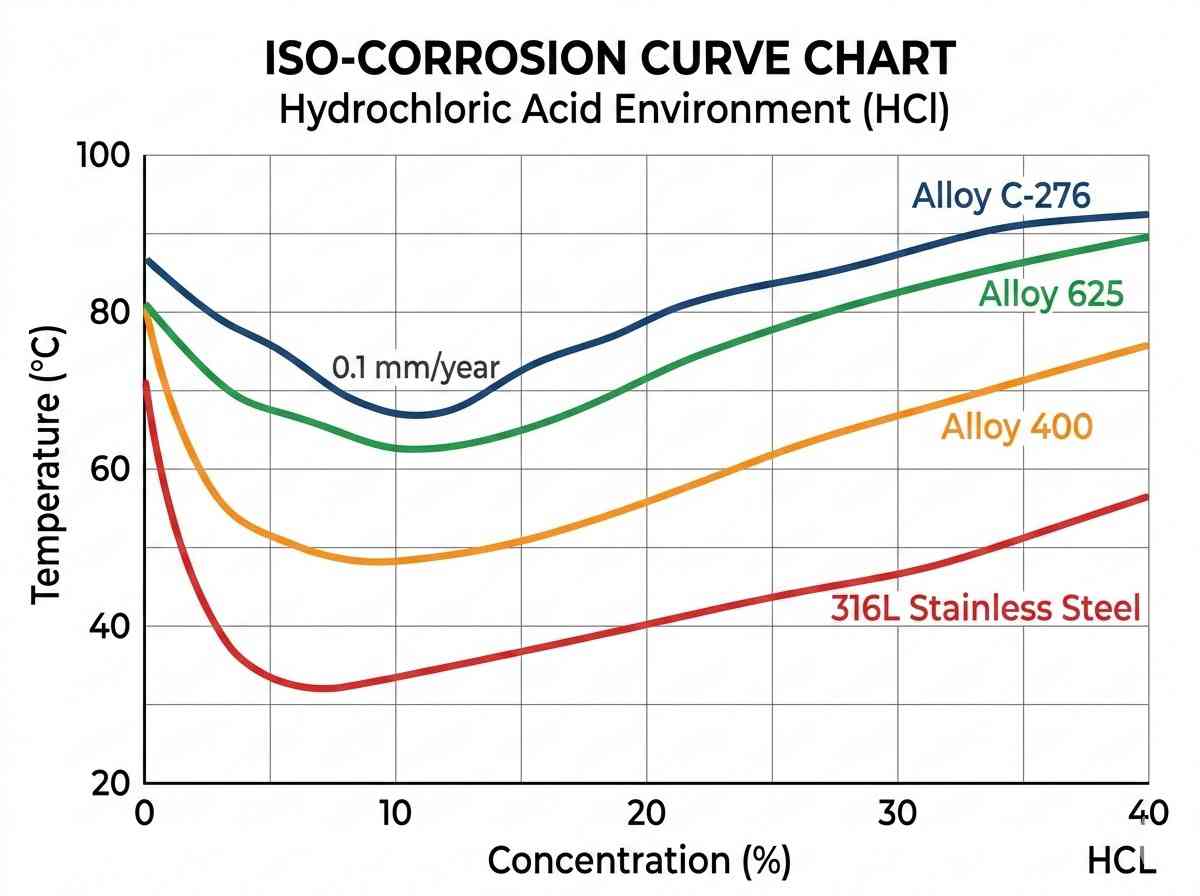
When you analyze a high-tier nickel alloy selection chart, the first variable to evaluate is the Pitting Resistance Equivalent Number (PREN). This theoretical calculation indicates an alloy’s resistance to localized pitting in chloride-containing environments. For instance, Alloy C-276 typically exhibits a PREN greater than 68, making it highly effective in wet chlorine gas, hypochlorite, and chlorine dioxide solutions. Conversely, Alloy 600, primarily a nickel-chromium-iron alloy, lacks the heavy molybdenum additions and is better suited for high-temperature oxidation resistance rather than aggressive wet corrosion.
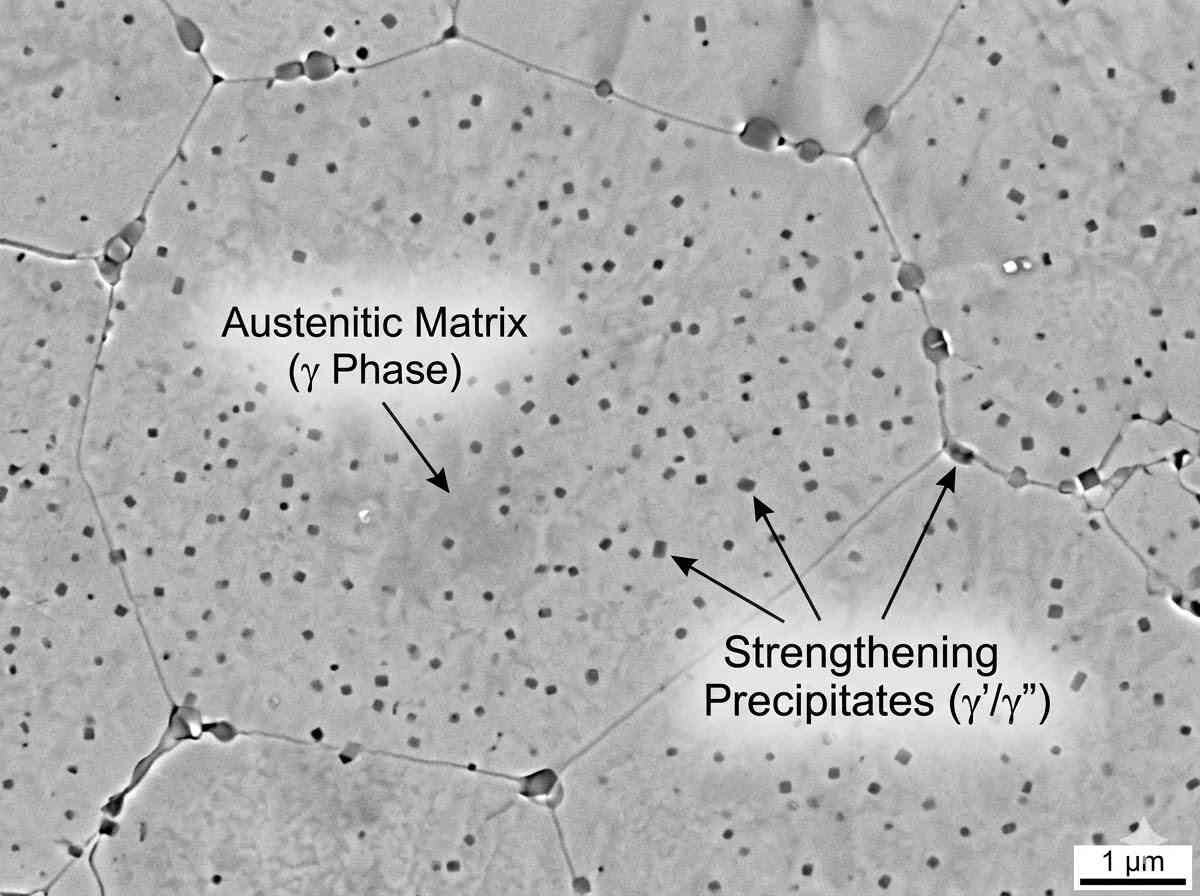
A reliable nickel alloy selection chart will always segregate materials by their strengthening mechanisms: solid-solution strengthening versus precipitation hardening. Solid-solution alloys, like Inconel 625, rely on the stiffening effect of molybdenum and niobium within the nickel-chromium matrix, offering excellent fabricability and corrosion resistance. Precipitation-hardened materials, such as Inconel 718, utilize microscopic precipitates (gamma prime and gamma double prime) to achieve extreme tensile and yield strengths at elevated temperatures, often up to 650°C.
Chemical composition and mechanical property baseline
To effectively navigate material specifications, cross-referencing basic mechanical properties with dominant alloying elements is necessary. Below is a comparative baseline often found at the core of a professional nickel alloy selection chart.
| Legierungssorte | UNS-Bezeichnung | Primary Additions | Streckgrenze (MPa) | Core Application Environment |
| Legierung C-276 | N10276 | Ni-Mo-Cr-W | ≥ 283 | Severe wet corrosion, strong acids, chlorides |
| Legierung 625 | N06625 | Ni-Cr-Mo-Nb | ≥ 414 | Marine engineering, aerospace exhaust systems |
| Legierung 718 | N07718 | Ni-Cr-Fe-Nb-Mo | ≥ 1034 (Aged) | High-stress turbine blades, cryogenic storage |
| Legierung 400 | N04400 | Ni-Cu | ≥ 195 | Hydrofluoric acid, marine environments |
By evaluating the table above in conjunction with a detailed nickel alloy selection chart, engineers can eliminate materials that either underperform mechanically or are over-specified and cost-prohibitive for the intended application. For example, deploying Alloy 718 in a low-stress, highly corrosive chemical piping system would be an inefficient use of its precipitation-hardened mechanical properties, where Alloy C-276 would be the metallurgically sound choice.
Interpreting thermal stability on a nickel alloy selection chart
Beyond ambient temperature corrosion, thermal stability is a critical factor. When operating near or above 800°C, the formation of protective oxide layers becomes paramount. A thorough nickel alloy selection chart will highlight the oxidation and carburization resistance of alloys like 600 or 601. The high chromium content facilitates the formation of a tightly adherent scale, which acts as a barrier against further atmospheric degradation.
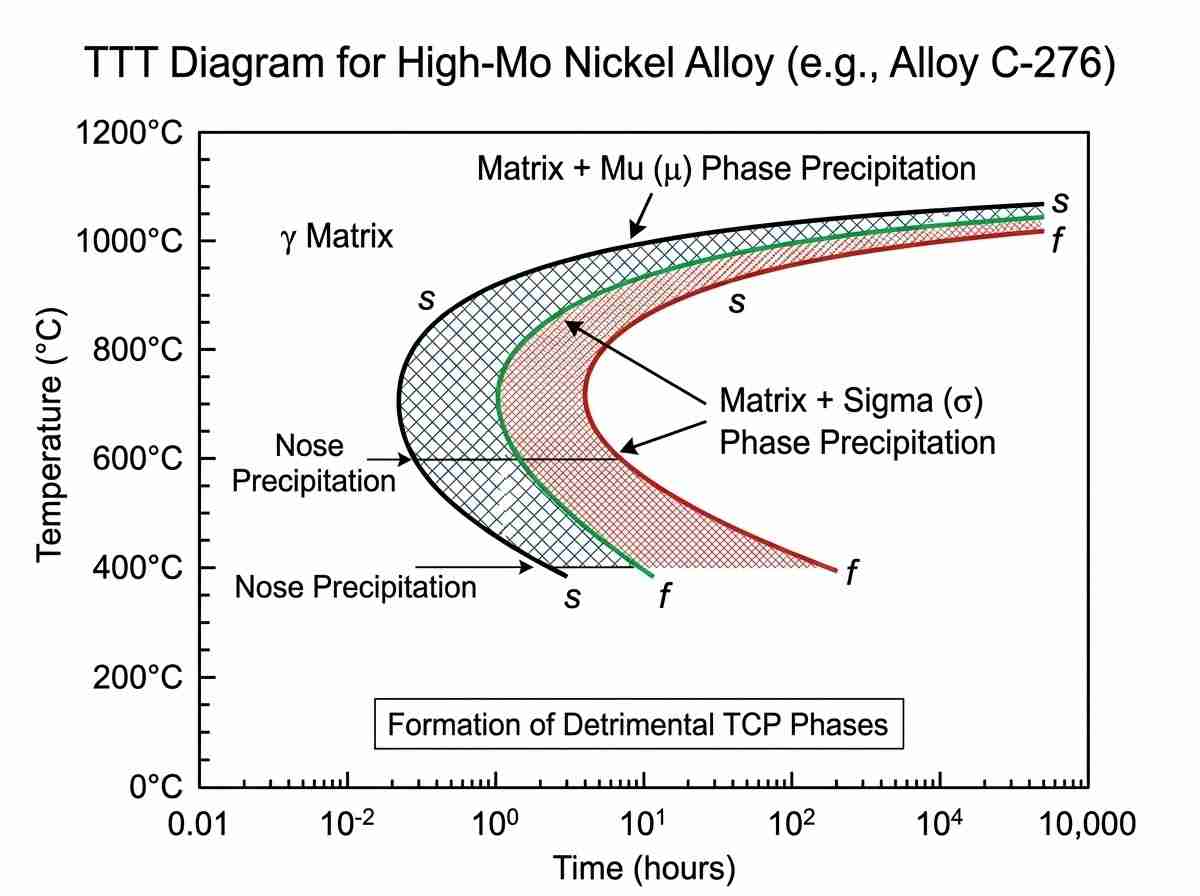
When you consult a nickel alloy selection chart for high-temperature applications, you must also consider the risk of metallurgical instability over prolonged exposure. Certain alloys may precipitate deleterious intermetallic phases (such as Sigma or Laves phases) when held at intermediate high temperatures for extended periods, drastically reducing room-temperature ductility. This is where the nuanced understanding of time-temperature-transformation (TTT) diagrams alongside your primary nickel alloy selection chart becomes indispensable for long-term reliability.
In summary, a generic nickel alloy selection chart provides the critical baseline data required for preliminary engineering design. However, real-world variables such as fluid velocity, presence of abrasive particles, and thermal cycling require a deeper metallurgical analysis. At 28Nickel, our engineering team specializes in interpreting these complex environmental variables. We invite you to share your specific operating parameters with us, and we will assist you in mapping your requirements to the most scientifically appropriate material.
Verwandte Fragen und Antworten
Q1: Why does a standard nickel alloy selection chart separate Alloy 625 and Alloy 718 when both contain similar base elements?
A: While both contain nickel, chromium, and molybdenum, their strengthening mechanisms differ. Alloy 625 is solid-solution strengthened, prioritizing excellent corrosion resistance and weldability. Alloy 718 includes higher amounts of niobium and titanium to facilitate precipitation hardening, prioritizing extreme mechanical strength at high temperatures over pure chemical resistance.
Q2: Can I determine resistance to stress corrosion cracking (SCC) purely from a nickel alloy selection chart?
A: A chart provides a strong indicator based on nickel content. Alloys with higher nickel concentrations (typically >40%) demonstrate near-immunity to chloride ion SCC. However, a basic selection chart must be cross-referenced with specific operational temperatures and stress loads, as high tensile stress can accelerate failure even in resistant materials.
Q3: How often should engineers update their reference nickel alloy selection chart?
A: While core material physics remain constant, new variants (such as low-carbon or highly pure grades like Alloy 625LCF) are continually developed. It is recommended to consult with a specialized materials engineer or refer to updated ASTM/ASME standards annually to ensure your nickel alloy selection chart reflects the latest metallurgical advancements and specification limits.