





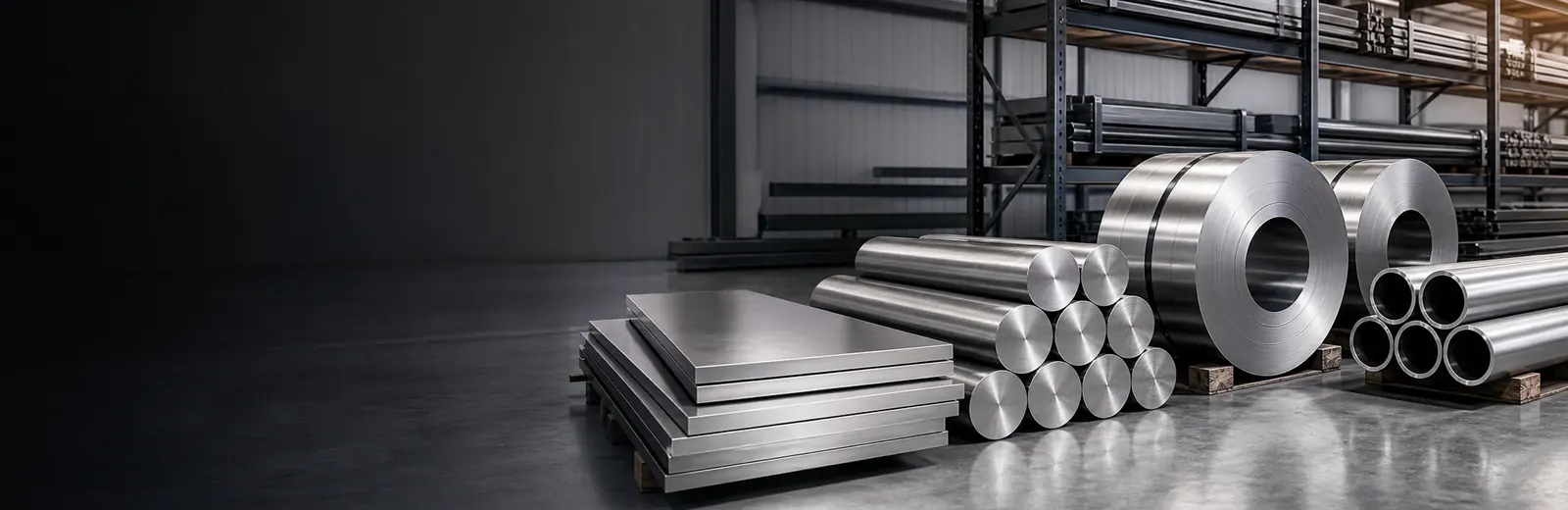
Un proveedor de aleaciones de níquel que cumple con las normas ASTM y ASME no es simplemente una empresa que incluye números de especificaciones conocidos en un presupuesto. En la contratación de proyectos serios, el cumplimiento significa que el grado solicitado, la forma del producto, la ruta de fábrica, el nivel de inspección y el paquete de documentación se ajustan a la norma vigente. Esto parece obvio, pero muchos retrasos se producen cuando esos elementos no coinciden. Es posible que un pedido de tubos se cotice según una norma ASTM, mientras que el proyecto requiera una referencia a una sección de la ASME. Una barra laminada en caliente puede cumplir con la composición química, pero suministrarse con una norma de forma de producto incorrecta. Un certificado puede indicar un nombre comercial común, mientras que el comprador necesita una designación precisa UNS o SB. Por eso los ingenieros y los equipos de compras buscan específicamente un proveedor de aleaciones de níquel que cumpla con las normas ASTM y ASME, en lugar de un comerciante genérico de aleaciones.
Las aleaciones de níquel agravan el problema, ya que el panorama normativo está más fragmentado de lo que muchos compradores esperan. Las chapas, las bandas, las barras, los tubos, los alambres, los consumibles de soldadura y las piezas forjadas pueden estar sujetos a diferentes especificaciones de materiales de la ASTM y la ASME, incluso dentro de la misma familia de aleaciones. Si el proveedor es impreciso en la fase de presupuesto, el comprador suele acabar pagando por esa imprecisión más adelante, ya sea mediante el rechazo de la documentación, las observaciones del propietario o la cuarentena del material. Un proveedor de aleaciones de níquel riguroso y que cumpla con las normas ASTM y ASME debería reducir ese riesgo antes de que se emita la orden de compra, y no explicarlo una vez que la mercancía ya está embalada.
¿Qué hace creíble a un proveedor de aleaciones de níquel que cumple la norma ASTM ASME?
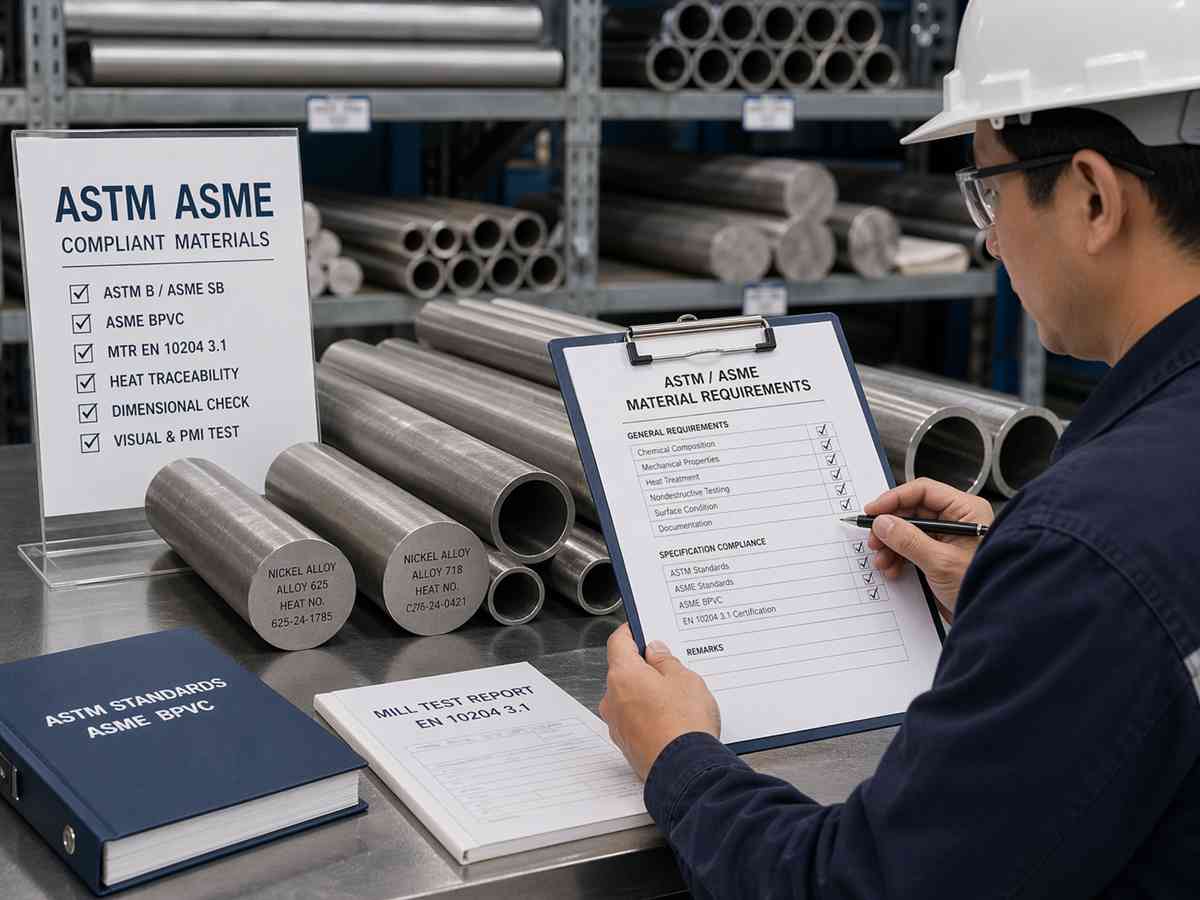
La primera prueba es si el proveedor puede trazar el requisito con precisión. Un verdadero proveedor de aleaciones de níquel que cumpla la norma ASTM ASME debe ser capaz de explicar qué norma se aplica a la forma exacta del producto, qué sección ASME o referencia SB corresponde a la especificación base ASTM y qué requisitos suplementarios son importantes para el servicio. Por ejemplo, la respuesta para tubos sin soldadura no es automáticamente la respuesta para tubos soldados, y la respuesta para barras no es automáticamente la respuesta para forja. Cuando un proveedor trata esas diferencias a la ligera, suele ser señal de que el control técnico es más débil de lo que sugiere la oferta.
La segunda prueba es la disciplina documental. Un proveedor de aleaciones de níquel que cumpla las normas ASTM ASME debe proporcionar certificados de laminación, registros de trazabilidad y prácticas de marcado que se ajusten a la forma del material y a las expectativas del proyecto. Esto incluye la indicación del grado correcto, el estado del tratamiento térmico cuando proceda, los valores medidos reales y una ruta documental que pueda superar la revisión del propietario. También significa estar dispuesto a discutir honestamente las sustituciones. En el suministro de aleaciones de níquel, un grado comercial casi equivalente no es lo mismo que una coincidencia con la especificación, y el proveedor que entiende esta distinción suele ser el que causa menos NCR más tarde.
| Preocupación del comprador | Lo que debe mostrar un proveedor fuerte | Punto débil común |
| Asignación correcta de especificaciones | Referencia ASTM-ASME clara y correspondencia producto-forma | Citar un grado familiar sin la norma de forma exacta |
| Documentación del molino | MTC con valores exactos de grado, calor y medida | Certificados genéricos o resúmenes elaborados por los comerciantes |
| Control de la trazabilidad | Continuidad del número de calor a través del embalaje y el corte | Las marcas visibles se pierden tras el reempaquetado |
| Aclaración técnica | Capacidad para explicar excepciones y necesidades suplementarias | Respuesta exclusivamente comercial sin soporte técnico |
Cómo deben seleccionar los compradores a un proveedor de aleaciones de níquel que cumpla la norma ASTM ASME
La comprobación más eficaz comienza antes de la comparación de precios. Pida al proveedor que le indique la norma exacta para el tipo de producto ofertado, la designación ASME correspondiente si procede, el formato de certificado previsto y cualquier limitación conocida en cuanto a existencias o plazos de entrega. Estas cuatro preguntas revelan mucho. Un buen proveedor de aleaciones de níquel que cumpla la norma ASTM ASME suele responder de forma directa y coherente. Un proveedor débil tiende a responder con un amplio lenguaje de marketing. Esta distinción es importante porque, una vez realizado el pedido, el coste de subsanar un desajuste en las especificaciones aumenta rápidamente.
También es prudente juzgar al proveedor por cómo trata los casos límite. ¿Puede explicar la diferencia entre las normas de tubos y tuberías? ¿Puede determinar cuándo las especificaciones del propietario son más estrictas que la práctica comercial normal? ¿Puede recomendar cuándo debe añadirse la inspección por terceros o la PMI para proteger el cumplimiento? En 28Nickel, aconsejamos a los clientes que traten al proveedor de aleaciones de níquel que cumple la norma ASTM ASME como parte de la interfaz técnica del proyecto, no sólo como el canal de envío. El proveedor que puede ayudar a resolver preguntas sobre normas en una fase temprana suele proteger el calendario, el flujo de aprobación y la calidad de fabricación mucho mejor que el proveedor que ofrece el número más barato el primer día.
Conclusión
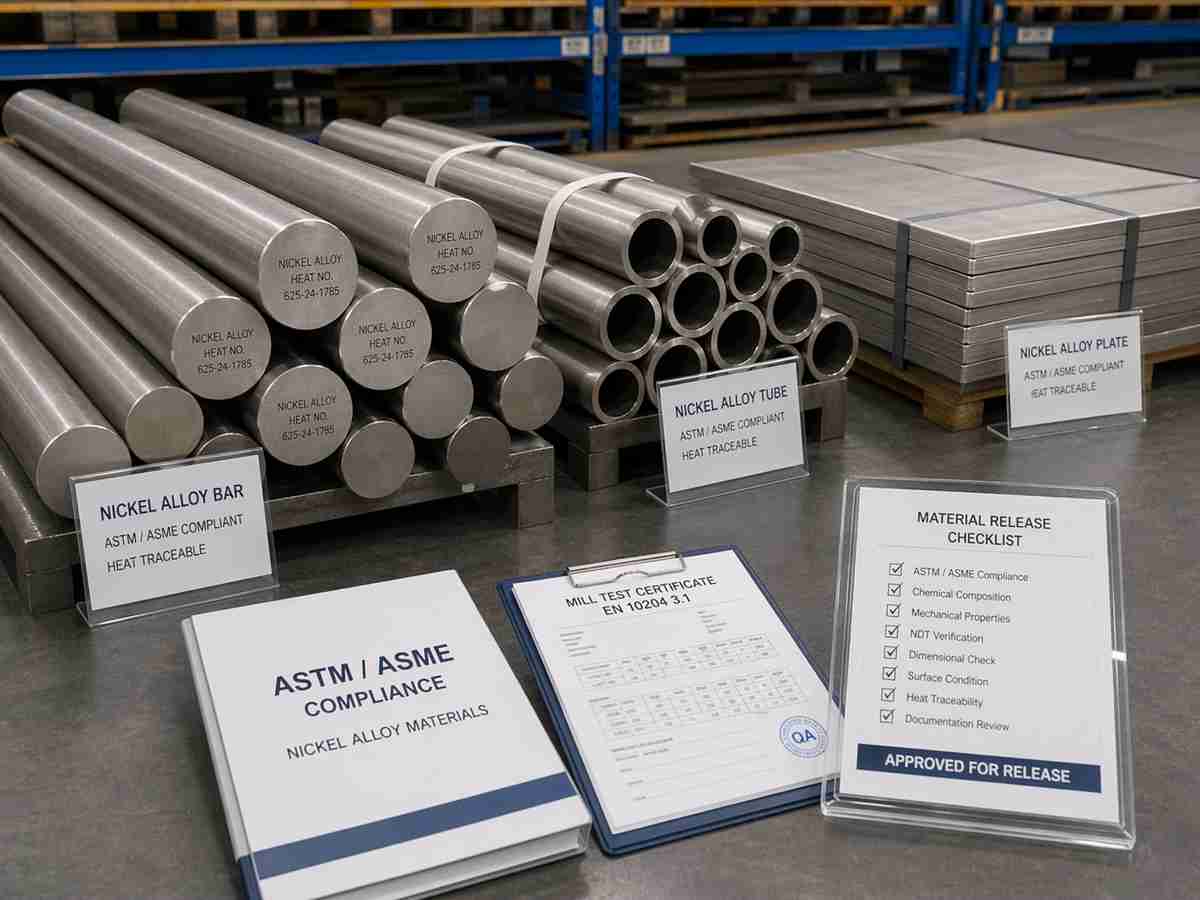
El cumplimiento no es un eslogan. En el aprovisionamiento de aleaciones de níquel, es la diferencia entre una liberación sin problemas y un rechazo evitable. Si necesita ayuda para confirmar la ruta ASTM o ASME correcta para un pedido de chapa, barra, tubo, forja o fundición, 28Nickel puede ayudarle a revisar el requisito antes de que el pedido llegue a la parte costosa del calendario.
Preguntas y respuestas relacionadas
P: ¿Pueden considerarse intercambiables las designaciones ASTM y ASME?
No automáticamente. A menudo están relacionados, pero el pedido y los documentos del proyecto deben reflejar la designación exacta exigida por el propietario o el paquete de códigos.
P: ¿Por qué es tan importante la forma del producto en la correspondencia de normas?
Porque las chapas, barras, tubos y piezas forjadas pueden tener distintos requisitos de fabricación, ensayo y aceptación, incluso dentro de la misma familia de aleaciones.
P: ¿Deben los compradores solicitar los certificados antes del envío?
Sí. Es una de las formas más sencillas de confirmar si el proveedor de aleaciones de níquel que cumple la norma ASTM ASME se ajusta realmente a la especificación antes de que se libere la carga.