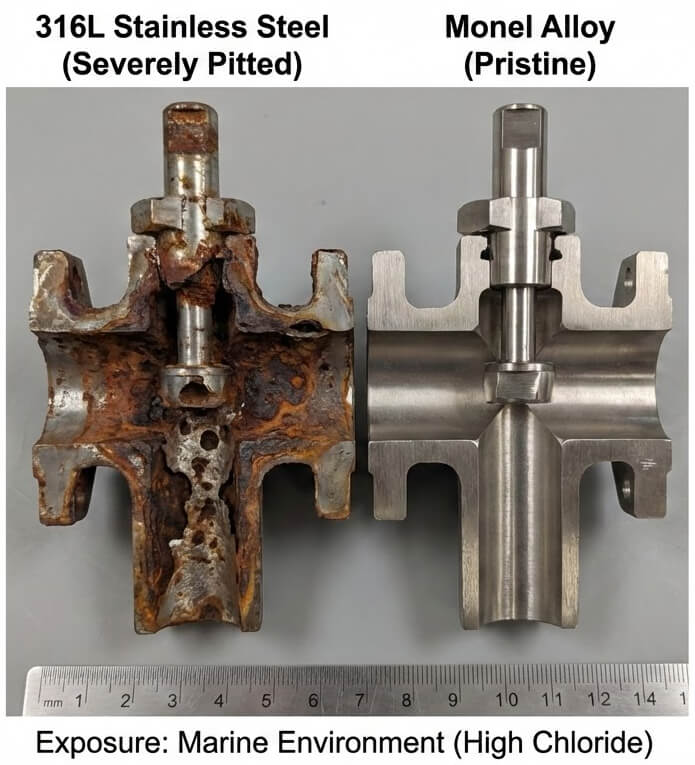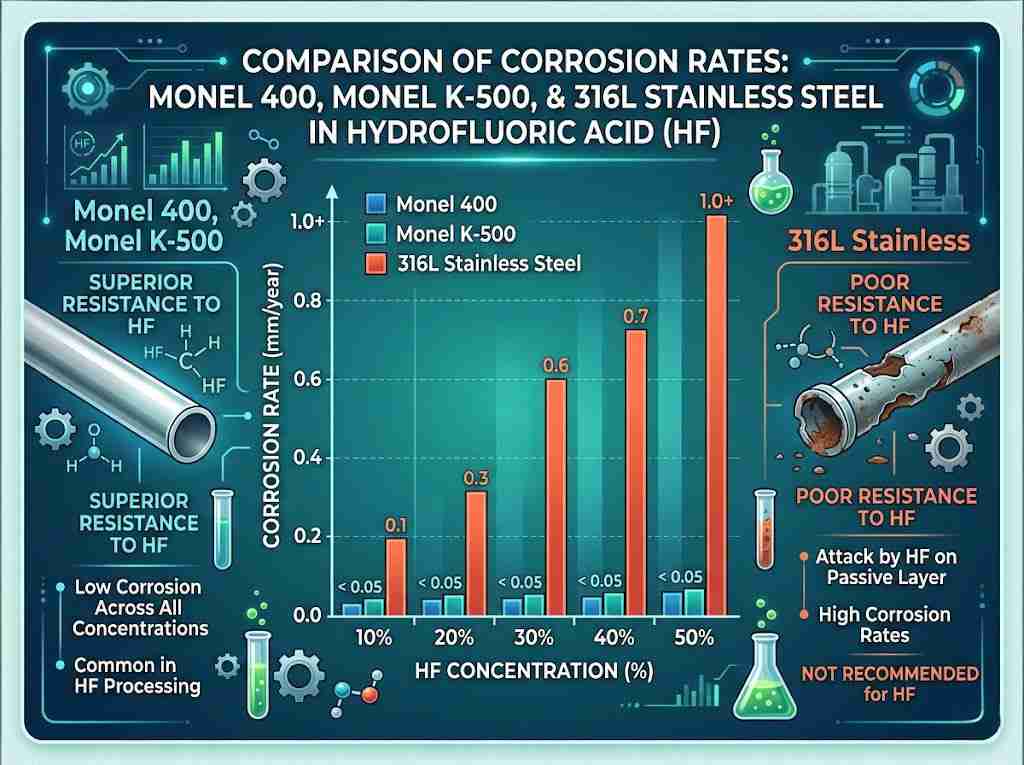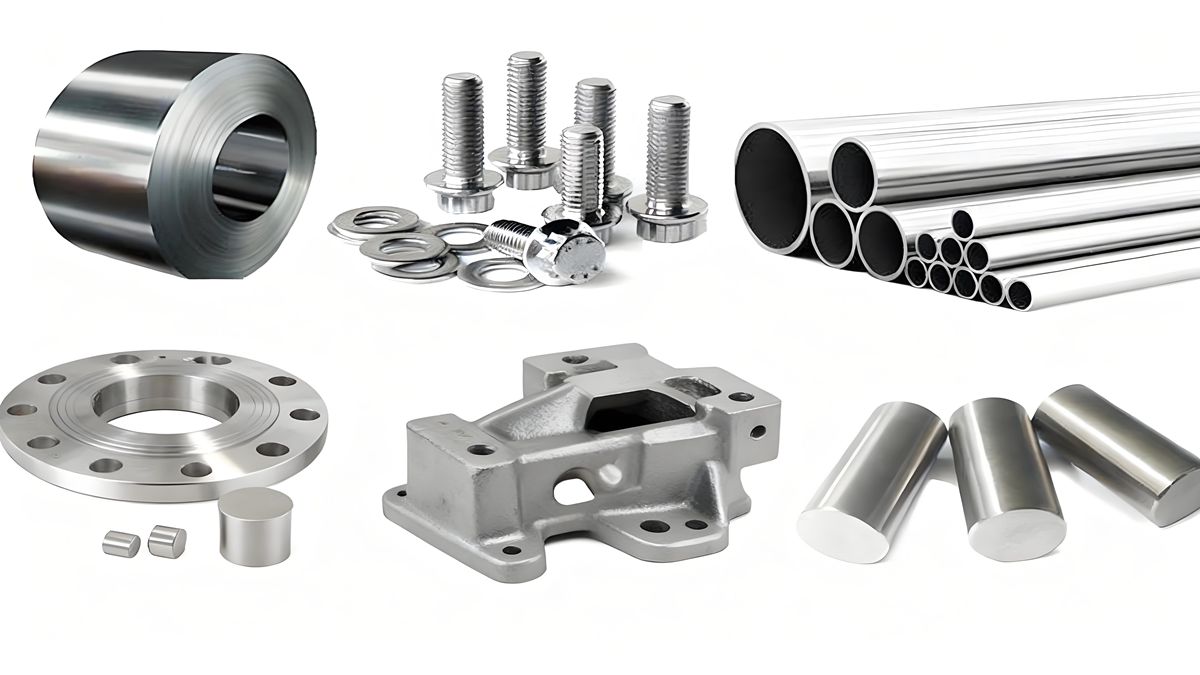
The demanding environments of modern aerospace, power generation, and chemical processing require materials that can withstand conditions where most metals would simply melt or deform. Among these elite materials, high temperature Inconel alloy stands as the industry standard. Developed to bridge the gap between standard stainless steels and the extreme requirements of jet engines, these nickel-chromium-based superalloys offer a unique combination of oxidation resistance and mechanical strength at temperatures exceeding 700°C. At 28Nickel, we understand that selecting the right grade is critical for the longevity and safety of industrial components.
The Metallurgy Behind High Temperature Inconel Alloy
The secret to the success of a high temperature Inconel alloy lies in its crystalline structure. Most Inconel grades are austenitic, face-centered cubic (FCC) alloys. When exposed to heat, they form a thick, stable, passivating oxide layer that protects the surface from further attack.
Unlike aluminum or steel, which lose their structural integrity as they approach their melting points, Inconel maintains its “creep” resistance. Creep is the tendency of a solid material to move slowly or deform permanently under the influence of persistent mechanical stresses. By utilizing solid-solution strengthening or precipitation hardening (such as the formation of gamma prime phases), a high temperature Inconel alloy can remain structurally sound in environments that would cause other metals to fail.
Key Grades of High Temperature Inconel Alloy
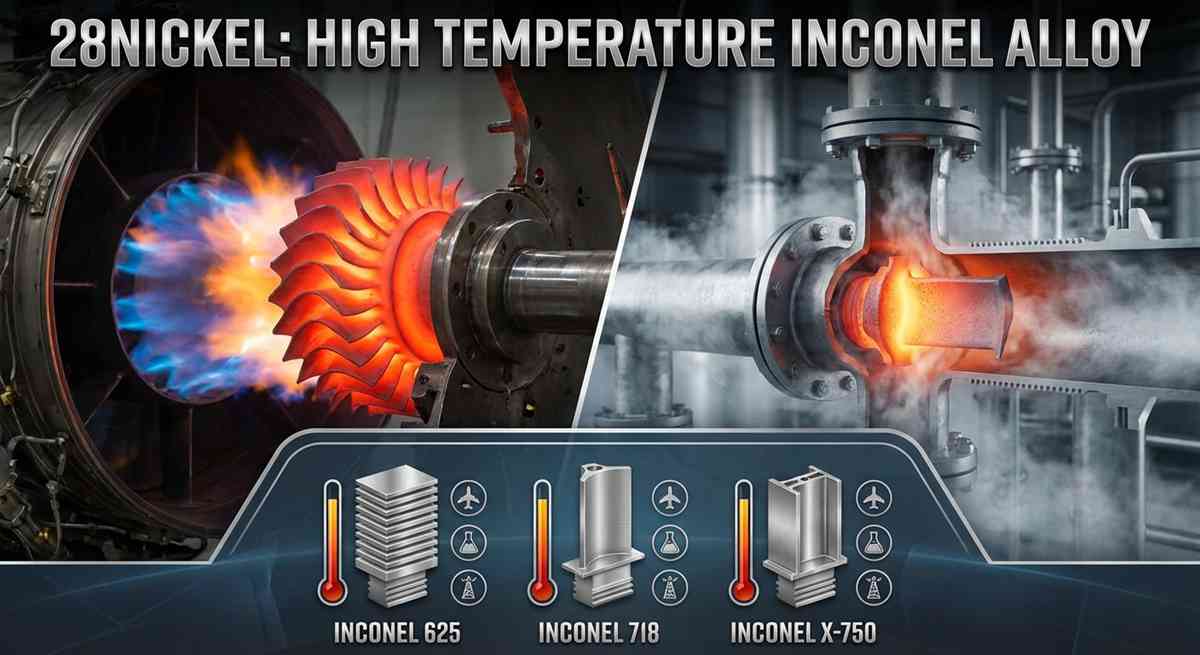
Not all Inconel is created equal. Depending on the specific thermal and chemical stressors, different grades are utilized:
-
Inconel 625: Known primarily for its high strength and aqueous corrosion resistance, it is a staple in chemical processing and marine engineering.
-
Inconel 718: This is perhaps the most common high temperature Inconel alloy. It is precipitation-hardenable, offering excellent creep-rupture strength at temperatures up to 700°C.
-
Inconel X-750: Often used for springs and gas turbine components, it adds aluminum and titanium to the mix for even greater heat resistance.
| Grado de aleación | Principales elementos de aleación | Max Service Temp (Approx.) | Características principales |
| Inconel 600 | Ni, Cr, Fe | 1095°C | Excellent oxidation resistance; resists chloride-ion stress corrosion. |
| Inconel 625 | Ni, Cr, Mo, Nb | 980°C | Superior fatigue and corrosion resistance; high fabricability. |
| Inconel 718 | Ni, Cr, Fe, Mo, Nb | 700°C | Exceptional yield and tensile strength; excellent weldability. |
| Inconel X-750 | Ni, Cr, Ti, Al | 815°C | High resistance to chemical corrosion and oxidation; high creep-rupture. |
Critical Applications of High Temperature Inconel Alloy
The versatility of high temperature Inconel alloy makes it indispensable in several high-stakes industries. In the aerospace sector, it is used extensively in the “hot section” of gas turbine engines. This includes turbine blades, seals, and combustors. Without the thermal stability of high temperature Inconel alloy, modern aviation would be significantly less efficient and safe.
In the energy sector, as power plants push for higher operating temperatures to increase thermal efficiency, these alloys are used in nuclear reactor core components and steam generator tubing. Furthermore, in the oil and gas industry, high temperature Inconel alloy is favored for downhole tools and wellhead components where high pressure, high temperature (HPHT), and sour gas (H2S) are present.
Why Choose 28Nickel for Your Alloy Needs?
Processing a high temperature Inconel alloy is notoriously difficult. These materials tend to “work-harden” rapidly during machining, which can lead to tool damage and surface defects if not handled by experts. 28Nickel provides not only the raw materials but also the technical expertise to ensure your project utilizes the most efficient grade of high temperature Inconel alloy for your specific environmental constraints.
Whether you are dealing with the corrosive vapours of a chemical refinery or the intense heat of a turbocharger, choosing a verified high temperature Inconel alloy provider is the first step toward engineering excellence. The investment in these superalloys pays for itself through reduced downtime and extended component life cycles.
Preguntas y respuestas relacionadas
Q1: What makes Inconel better than Stainless Steel for heat applications?
Standard stainless steel begins to lose its strength significantly above 500°C and is prone to oxidation. A high temperature Inconel alloy forms a protective oxide layer that prevents further degradation and maintains its mechanical properties at much higher thermal thresholds.
Q2: Is Inconel 718 difficult to weld?
Compared to many nickel-based superalloys, Inconel 718 is actually noted for its excellent weldability. It is resistant to post-weld cracking, which is a common failure point when working with other types of high temperature Inconel alloy.
Q3: How does 28Nickel ensure the quality of its alloys?
At 28Nickel, every batch of high temperature Inconel alloy undergoes rigorous testing, including chemical analysis and mechanical stress tests, to ensure it meets international standards like ASTM, AMS, and ISO.