In the demanding world of high-temperature engineering and corrosive environments, material integrity is non-negotiable. Whether you are operating in aerospace, chemical processing, or marine engineering, the performance of your components relies heavily on the quality of your raw materials. Finding a reliable inconel alloy supplier is often the first and most critical step in ensuring project success. Inconel, a family of nickel-chromium-based superalloys, is renowned for its exceptional resistance to oxidation and its ability to maintain structural integrity at temperatures that would cause standard steel to fail.
Why Material Expertise Matters in an Inconel Alloy Supplier
Not all alliages de nickel are created equal. When you partner with a specialized inconel alloy supplier, you aren’t just buying metal; you are investing in technical expertise. Inconel alloys are “superalloys” for a reason—they possess a unique face-centered cubic crystal structure that remains stable even under extreme thermal stress.
An experienced inconel alloy supplier like 28Nickel understands that the difference between Inconel 625 and Inconel 718 isn’t just a few percentage points of niobium or molybdenum; it’s the difference between a material optimized for weldability versus one optimized for high-yield strength.
Key Technical Specifications of Popular Inconel Grades
To help you navigate your procurement process, the following table compares the three most common grades handled by a professional inconel alloy supplier.
| Grade | Caractéristiques principales | Applications courantes | Temp. de service max. |
| Inconel 600 | High nickel content, excellent oxidation resistance. | Composants de four, traitement chimique. | 1100°C (2000°F) |
| Inconel 625 | High strength and toughness; excellent fatigue resistance. | Marine hardware, jet engine exhaust systems. | 980°C (1800°F) |
| Inconel 718 | Precipitation hardenable; exceptional creep-rupture strength. | Gas turbine engines, rocket motors, fasteners. | 700°C (1300°F) |
What to Look for in a Professional Inconel Alloy Supplier
When vetting a potential inconel alloy supplier, industry leaders prioritize three core pillars: traceability, processing capabilities, and logistical efficiency.
-
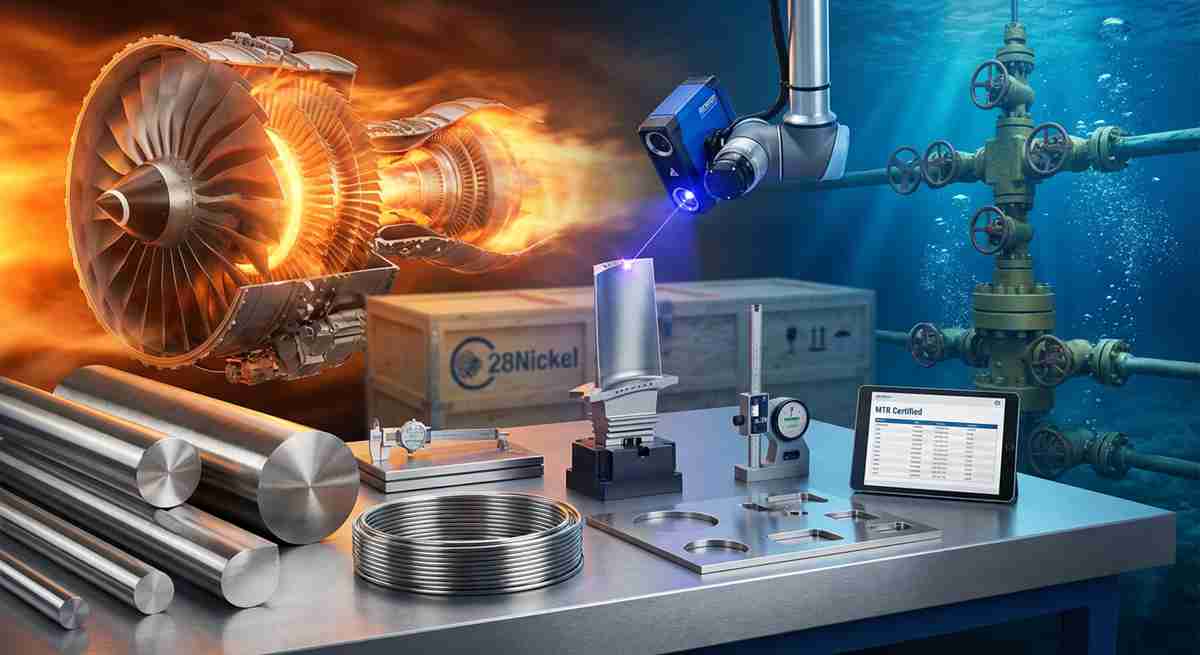
Material Traceability and Certification: A reputable inconel alloy supplier must provide Mill Test Reports (MTRs). These documents ensure that the chemical composition and mechanical properties meet international standards such as ASTM, ASME, or AMS.
-
Custom Processing: Can your inconel alloy supplier offer precision cutting, shearing, or heat treatment? Modern engineering often requires “near-net-shape” pieces to reduce waste and machining time.
-
Global Logistics: For international buyers, the ability of an inconel alloy supplier to manage sea and air freight while handling complex customs documentation is vital for maintaining production schedules.
Performance Under Pressure: Inconel in Extreme Environments
The value of a top-tier inconel alloy supplier becomes evident when looking at high-stress applications. For instance, in the oil and gas sector, sour gas environments (rich in hydrogen sulfide) can cause standard metals to undergo stress corrosion cracking. Inconel alloys, particularly 625 and 718, are virtually immune to this, making them the gold standard for downhole tools and wellhead components.
Furthermore, in the aerospace sector, the “hot section” of jet engines experiences temperatures where most metals lose their mechanical strength. By sourcing from a certified inconel alloy supplier, manufacturers ensure that turbine blades and combustion liners can withstand these hellish conditions without deforming or oxidizing.
28Nickel: Your Trusted Inconel Alloy Supplier
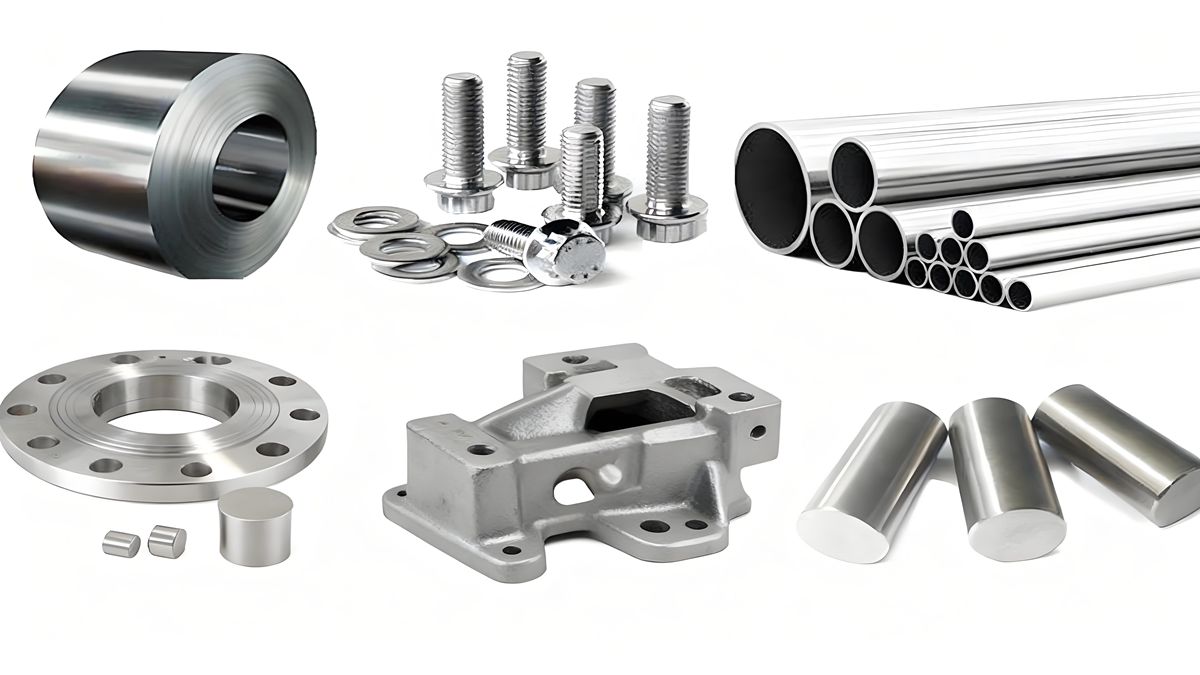
At 28Nickel, we have built our reputation on more than just inventory. We act as a strategic partner. As a dedicated inconel alloy supplier, we maintain a robust stock of sheets, plates, bars, and pipes to ensure that our clients never face downtime. Our quality control process involves rigorous inspections, ensuring that every shipment meets the exact specifications required by your engineers.
Questions et réponses connexes
Q1: What is the main difference between Inconel 625 and 718?
While both are nickel-chromium alloys, Inconel 625 is primarily solid-solution strengthened and offers superior corrosion resistance and weldability. In contrast, Inconel 718 is age-hardenable (precipitation hardening), providing much higher strength and better performance in high-stress applications up to 700°C.
Q2: Can an inconel alloy supplier provide custom dimensions?
Yes. A professional inconel alloy supplier like 28Nickel offers value-added services including waterjet cutting, laser cutting, and custom forging to meet specific project requirements, reducing the need for extensive secondary machining.
Q3: Is Inconel magnetic?
Most Inconel alloys, such as 600, 625, and 718, are non-magnetic at room temperature. This property is highly beneficial for electronic and specialized medical applications where magnetic interference must be avoided.