










La scelta di un fornitore di lamiere in Inconel 718 per il settore aerospaziale è un’operazione ben diversa dall’acquisto di materiale standard resistente alla corrosione per l’industria generale. Gli acquirenti del settore aerospaziale non si preoccupano solo dell’identità della lega. A loro interessano la disciplina di processo, il percorso di certificazione, il controllo delle condizioni, la coerenza della documentazione e la certezza che la lamiera fornita superi un’analisi approfondita. L’Inconel 718 viene utilizzato in contesti in cui l’elevata resistenza, la resistenza alle alte temperature e l’affidabilità strutturale sono così importanti da rendere inaccettabili affermazioni vaghe. Ecco perché gli ingegneri spesso cercano specificatamente un fornitore di lastre in Inconel 718 per il settore aerospaziale piuttosto che un rivenditore generico di leghe di nichel.
La fornitura di lastre comporta ulteriori sfide. Le lastre possono essere successivamente tagliate in forme in cui l'orientamento, la coerenza dello spessore, le condizioni della superficie e la completa tracciabilità diventano fondamentali. Il percorso di produzione a valle può includere operazioni di lavorazione, formatura, trattamento termico o giunzione che sono sensibili alle condizioni di fornitura. Se il fornitore non è in grado di spiegare chiaramente a quali standard risponde la lamiera, come è strutturato il pacchetto di certificati e come viene preservata la tracciabilità dopo il taglio, l'acquirente potrebbe ereditare problemi di approvazione prima ancora che il materiale raggiunga la produzione. Un fornitore credibile di lamiere di inconel 718 per il settore aerospaziale deve ridurre queste incertezze, non crearle.
Che cosa si aspettano gli acquirenti del settore aerospaziale da un fornitore di piastre 718?
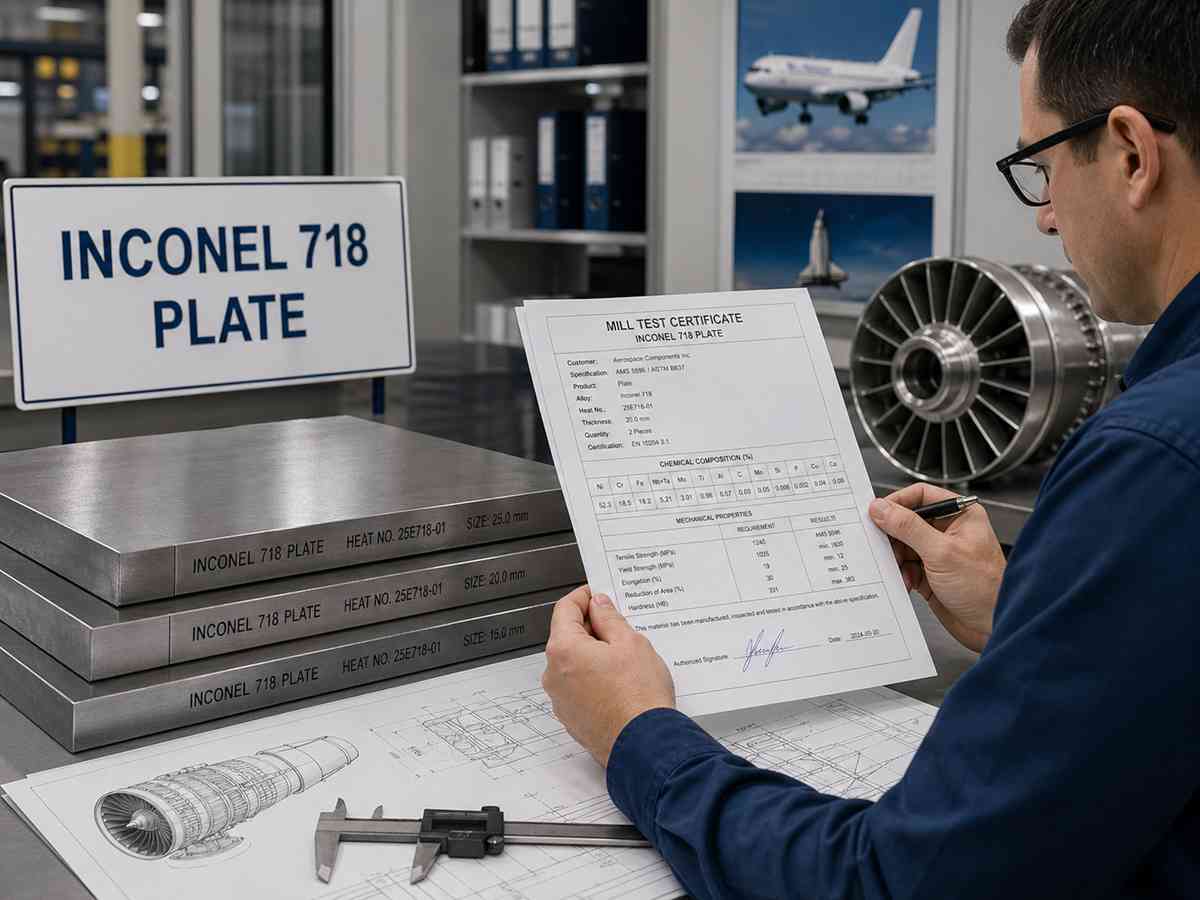
La prima aspettativa è la chiarezza tecnica. Un fornitore serio di lamiere inconel 718 per il settore aerospaziale deve essere in grado di identificare la specifica della lamiera applicabile, le condizioni di fornitura, il percorso del documento rintracciabile e tutte le limitazioni importanti per il percorso di produzione previsto. Gli acquisti nel settore aerospaziale non perdonano l'ambiguità, perché i team di approvazione spesso esaminano non solo il certificato finale, ma anche se la forma e le condizioni del materiale corrispondono veramente a quanto richiesto dai requisiti tecnici. Un fornitore che risponde con un linguaggio di marketing generico piuttosto che con dettagli tecnici precisi, di solito non è il partner giusto per questo livello di lavoro.
La seconda aspettativa è la disciplina di rilascio. Un fornitore affidabile di lamiere inconel 718 per il settore aerospaziale deve essere pronto a condividere i certificati preliminari, a confermare lo spessore e l'identità della lamiera, a preservare la visibilità del numero di calore e a rispondere alle domande sulla chimica, sulle proprietà meccaniche e sulle condizioni. Anche quando la lamiera consegnata è corretta, una documentazione carente può creare ritardi nel progetto. Nelle forniture aerospaziali, la documentazione non è separata dalla qualità dei materiali. Fa parte della qualità del materiale, perché l'approvazione dipende dalle prove che sopravvivono in ogni punto di revisione tra la cartiera e l'utente finale.
| Area di controllo | Perché gli acquirenti del settore aerospaziale sono interessati | Cosa deve mostrare il fornitore |
| Corrispondenza delle specifiche | Uno standard sbagliato può bloccare immediatamente l'approvazione | Specifiche e condizioni chiare per la piastra |
| Certificazione tracciabile | Il proprietario o i team della qualità esaminano attentamente le prove | MTC e documenti di rilascio legati all'identità della targa |
| Dettagli della targa | Lo spessore e l'orientamento possono influire sull'utilizzo | Chiarezza dimensionale e continuità di marcatura delle targhe |
| Reattività tecnica | Le domande sorgono spesso prima del rilascio | Risposte basate sull'ingegneria, non solo sulle vendite |
Come selezionare un fornitore di piastre Inconel 718 per il settore aerospaziale
Lo screening più utile avviene prima dell'emissione dell'ordine di acquisto. Chiedete al fornitore quale standard si applica, in quali condizioni viene fornita la lamiera, se il formato del certificato è già stato utilizzato per lavori aerospaziali e come viene preservata l'identità del numero di calore dopo il taglio o il reimballaggio. Queste domande separano rapidamente un vero fornitore di lamiere inconel 718 per il settore aerospaziale da un commerciante che ha semplicemente accesso a stock di leghe di nichel. Gli acquirenti dovrebbero anche chiedere se il fornitore può supportare ispezioni aggiuntive, imballaggi speciali per il rilascio o la revisione del cliente prima della spedizione, se il progetto lo richiede.
Vale anche la pena di chiedersi come il fornitore gestisce le situazioni non routinarie. Se una lastra deve essere tagliata in diversi pezzi più piccoli, il fornitore è in grado di mantenere la tracciabilità pezzo per pezzo? Se un team di approvazione chiede chiarimenti sulle condizioni o sulla formulazione di un certificato, il fornitore è in grado di rispondere con un supporto ingegneristico piuttosto che con un linguaggio commerciale generico? Questi dettagli sono importanti perché le revisioni aerospaziali spesso rallentano proprio sui punti che un fornitore più debole considera minori.
Noi di 28Nickel consigliamo generalmente ai clienti di non considerare l'approvvigionamento di lamiere aerospaziali come un esercizio di commodity. Il costo del materiale è solo una parte del rischio. Il costo più elevato deriva spesso dall'interruzione dell'approvazione, dalle ripetute domande e dai ritardi di produzione causati da un debole controllo delle condizioni o dei documenti. Un fornitore di lamiere inconel 718 per il settore aerospaziale aiuta l'acquirente a evitare queste perdite evitabili rendendo chiaro il percorso tecnico in anticipo. Nelle catene di fornitura ad alto valore, la chiarezza stessa è parte del prodotto.
Conclusione
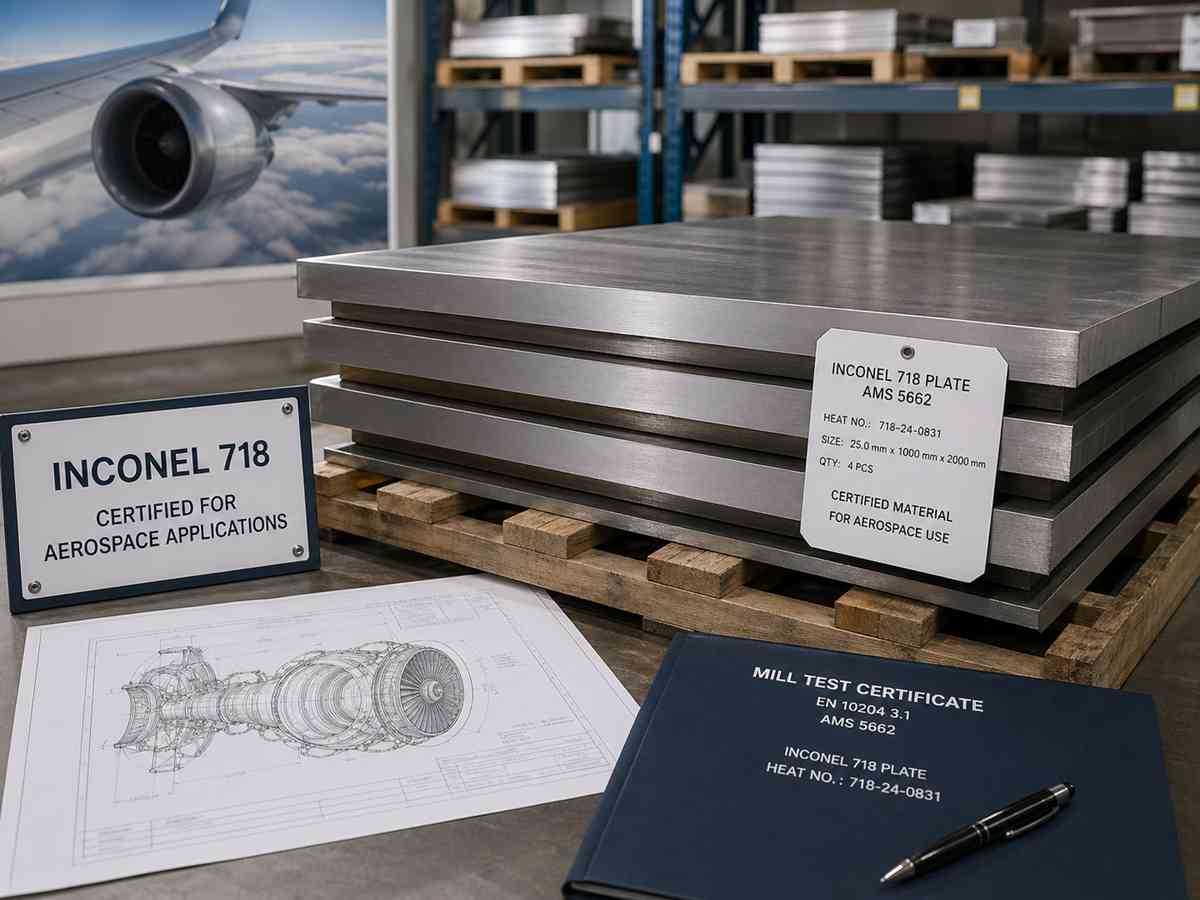
Gli appalti aerospaziali sono raramente danneggiati da un'eccessiva chiarezza tecnica. Di solito è danneggiato da un'eccessiva chiarezza. Un fornitore disciplinato di lamiere inconel 718 per il settore aerospaziale riduce l'attrito dell'approvazione rendendo più affidabili le condizioni, le specifiche e la documentazione. Se avete bisogno di aiuto per rivedere l'adeguatezza delle specifiche, il percorso del certificato o il controllo del rilascio per un ordine di lamiere 718, 28Nickel può aiutarvi a verificare se il percorso di fornitura proposto è sufficientemente solido prima che la lamiera entri nella catena di approvazione.
Domande e risposte correlate
D: Perché le condizioni delle lamiere sono così importanti nelle forniture aerospaziali?
Perché la formatura a valle, la lavorazione o il trattamento termico possono dipendere fortemente dalle condizioni di fornitura. La lega giusta nelle condizioni sbagliate può ancora creare seri problemi.
D: Gli acquirenti devono richiedere i certificati prima della spedizione?
Sì. Questo è uno dei modi più semplici per confermare se il fornitore di piastre di inconel 718 per il settore aerospaziale è in linea con l'effettivo requisito di approvazione.
D: Un generico rivenditore di leghe di nichel può gestire ordini di lamiere aerospaziali?
A volte per esigenze più semplici, ma non in modo affidabile per approvazioni impegnative. Il lavoro aerospaziale di solito premia i fornitori in grado di gestire insieme condizioni, documenti e aspettative di revisione.