











化学反応器用のハステロイC276鋼板は、通常、プロジェクトチームが、使用環境が過酷すぎて安価な材料では対応できないと認めた場合にのみ選定されます。反応器の稼働条件には、腐食性のある化学物質、温度、圧力、そして長期間にわたる設備寿命の期待などが複合的に絡むことが多く、材料選びを誤ると、その代償が不釣り合いなほど高くなるからです。 不適切な鋼板の選定が承認されてしまうと、発注者は単に金属板1枚を失うだけにとどまりません。製造時間、溶接作業、承認への信頼、場合によっては容器パッケージ全体のスケジュールを失うことにもなりかねません。そのため、エンジニアたちは化学反応器用のハステロイC276鋼板の選定において、通常の鋼板調達時よりもはるかに慎重に評価を行うのです。.
プレート形式の場合、反応器の建設は合金名だけでは決まらないため、リスクが高まります。厚さ、熱追跡性、証明書の取得経路、溶接に関する適合性、そしてプロジェクト審査の厳格さなど、すべてが重要となります。一旦プレートが切断され、シェル部材に圧延されると、材料コストに関する懸念が急激に高まります。 したがって、慎重な購入者は、化学反応器用のハステロイC276鋼板を、文書審査と実際の製造現場の両方をクリアしなければならない技術的な決定事項として扱う。.
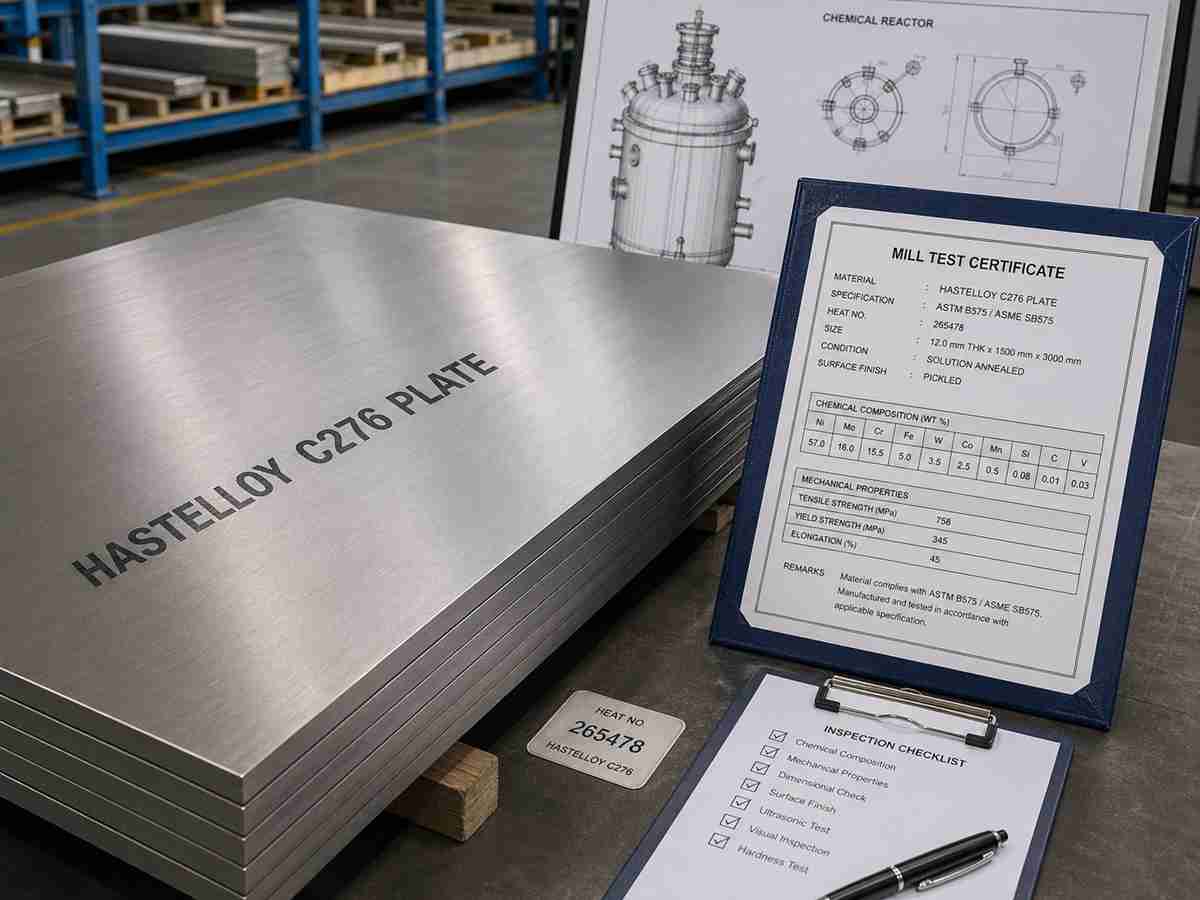
原子炉プレートには、一般的な腐食に関する主張以上のものが必要な理由
第一の理由は、プロセス上の結果によるものです。化学反応器用のハステロイC276鋼板が一般的に採用されるのは、反応媒体が、より一般的な合金を局所的、混合的、あるいは温度依存的な形で腐食させる可能性があるためです。 単に「この合金は耐食性がある」という一般的な説明だけでは不十分です。購入担当者は、使用条件に適した選定を行うための思考が必要です。すなわち、媒体の化学的性質は何か、予想される温度はどれくらいか、鋼板はどのように溶接されるのか、そして後で疑問が生じた場合に承認を裏付けるための文書ルートはどのようなものか、といった点です。これらの答えがなければ、適切な合金ファミリーであっても、誤った管理経路を通じて承認されてしまう可能性があります。.
2つ目の理由は、製造コストです。化学反応器用のハステロイC276鋼板は、切断、圧延、成形、溶接が始まると、すぐに高価になってしまいます。つまり、疑問点を解消するのに最もコストがかからないのは、鋼板が生産工程に入る前なのです。 信頼できるサプライヤーであれば、適用される鋼板規格の説明、各ロットごとの書類の提供、トレーサビリティの確認が可能であり、さらにPMI(材料成分分析)や第三者検査といった追加の検証が妥当かどうかについても協議できるはずです。反応器プロジェクトにおいて、漠然とした自信が利益をもたらすことはめったにありません。早期の証拠こそが利益につながるのです。.
| リアクタープレートの問題 | なぜそれが重要なのか | バイヤーが確認すべきこと |
| サービスと媒体の適合性 | 腐食リスクは、合金の名称だけでなく、実際の化学組成によって決まる | 問い合わせ段階における実際のプロセス説明 |
| プレートのトレーサビリティ | シェル部分は切断すると、再識別が困難になる | 熱特異的MTCおよびマーキングの連続性 |
| 製造準備 | 圧延と溶接により、下流工程での付加価値を迅速に生み出す | リリース前に、仕様、状態、およびレビューを正確に確認する |
| 検査サポート | 高価値の船舶については、基本的な解放措置以上の対応が必要となる場合がある | 必要に応じて、PMIまたはサードパーティのオプション |
C276リアクタープレートをより安全に購入する方法
化学反応器用のハステロイC276鋼板を購入する最も安全な方法は、まず反応器の使用条件を明確にし、その次に調達ルートを決定することです。 購入者は、媒体の詳細、濃度、運転温度および異常時温度、圧力クラス、ならびにそのプレートがシェル、ライニング、あるいはその他の腐食が特に重要な部位に使用されるかどうかを伝える必要があります。これらの詳細情報は、化学反応器用のハステロイC276プレートが適切な材料であるかどうかを判断するだけでなく、その注文にどのような文書や管理レベルが必要かを決定する上でも役立ちます。.
28Nickelでは通常、お客様に対し、反応器用鋼板を「材料と書類のセット」として扱うようアドバイスしています。サプライヤーに対して、証明書の提供方法、切断後の鋼板の識別情報の保護方法、およびその鋼板の供給ルートが過去に同様の腐食環境下での作業に対応した実績があるかどうかを確認してください。 これらの質問に対する回答が明確であればあるほど、化学反応器用のハステロイC276鋼板について、製造開始後に疑念が生じる可能性は低くなります。高価値な反応器工事において、不確実性は瞬く間に多大なコストにつながります。.
購入者は、製造工程においてプレートがどのように使用されるかについても考慮する必要があります。化学反応器用のハステロイC276プレートをシェルコース、ノズル、ライニング、または内部部品に分割する場合、証明書の追跡経路は複数のサブアセンブリにわたって有効であり続けなければなりません。 こうした複雑さを事前に見越しているサプライヤーであれば、後の書類作成作業が容易になりますが、鋼板のリリース手続きを単なる倉庫作業の一工程として扱うサプライヤーの場合、プロジェクトチームが後で証拠書類を再構築しなければならない事態を招く可能性があります。.
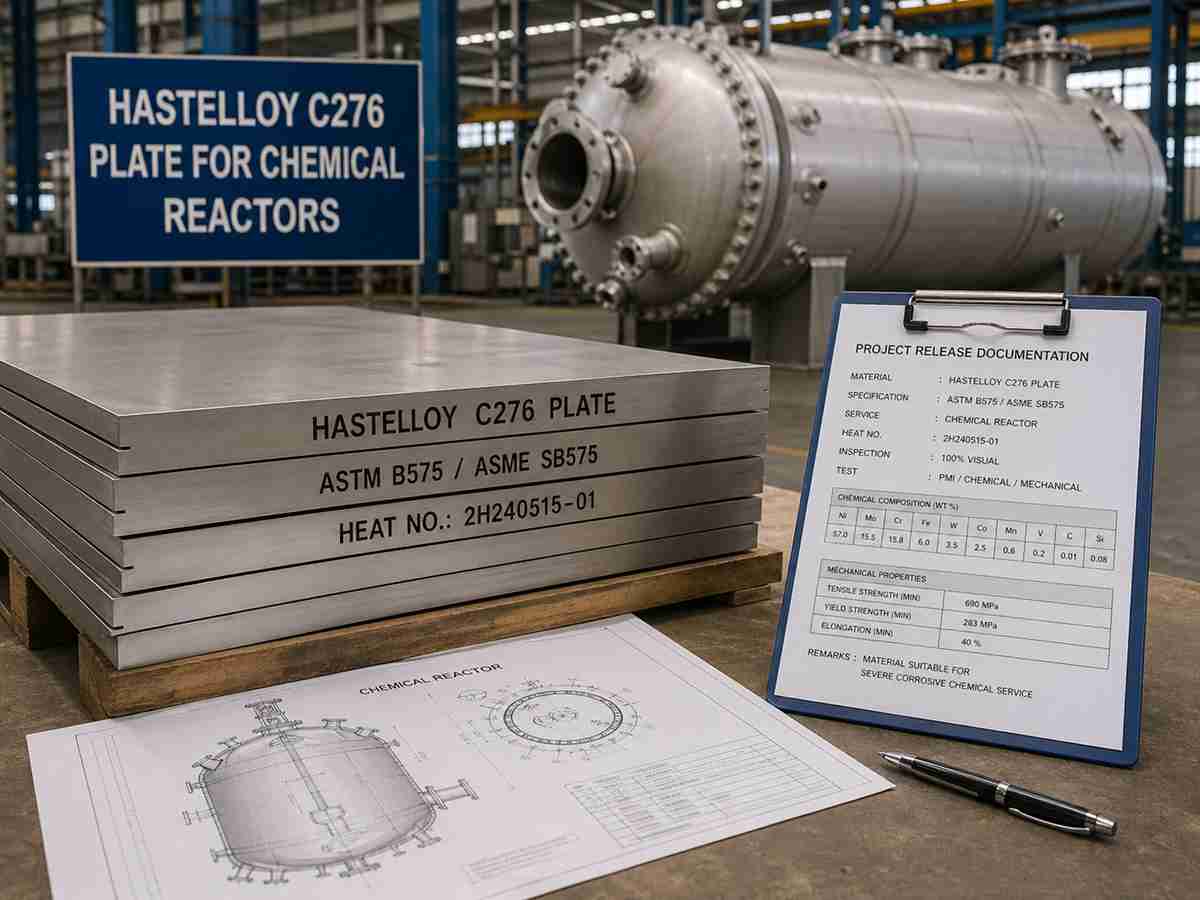
結論
反応器用鋼板は、製造が開始されてからは値上がりするばかりで、決して安くなることはありません。だからこそ、用途、関連文書、および鋼板の仕様について早期に明確化しておくことは、非常に高い商業的利益をもたらすのです。 容器の受注にあたり、プレートのルート選定、トレーサビリティ、または用途適合性の検証について支援が必要な場合、28Nickelでは、化学反応器パッケージ向けに提案されているハステロイC276プレートが、納入前に技術的に妥当であるかどうかを検証するお手伝いをいたします。.
関連Q&A
Q: なぜ購入者は、反応器プレートの実際のプロセス媒体を共有しなければならないのですか?
腐食耐性は、合金の定評だけでなく、実際の化学組成や温度にも左右されるためです。化学反応器用のハステロイC276鋼板は、実際の使用条件に基づいて評価すべきです。.
Q:なぜ原子炉プレートにおいてトレーサビリティが特に重要なのでしょうか?
プレートが切断、圧延され、シェルセクションとして溶接されると、その正体を特定することははるかに困難になり、費用も大幅に高くなります。.
Q:原子炉用プレートの発注に際しては、追加の検査を考慮すべきでしょうか?
高価値の船舶や所有者による審査を受けた船舶については、その通りです。重大な疑義が生じた場合の影響が大きい場合には、追加の審査を行う価値があります。.