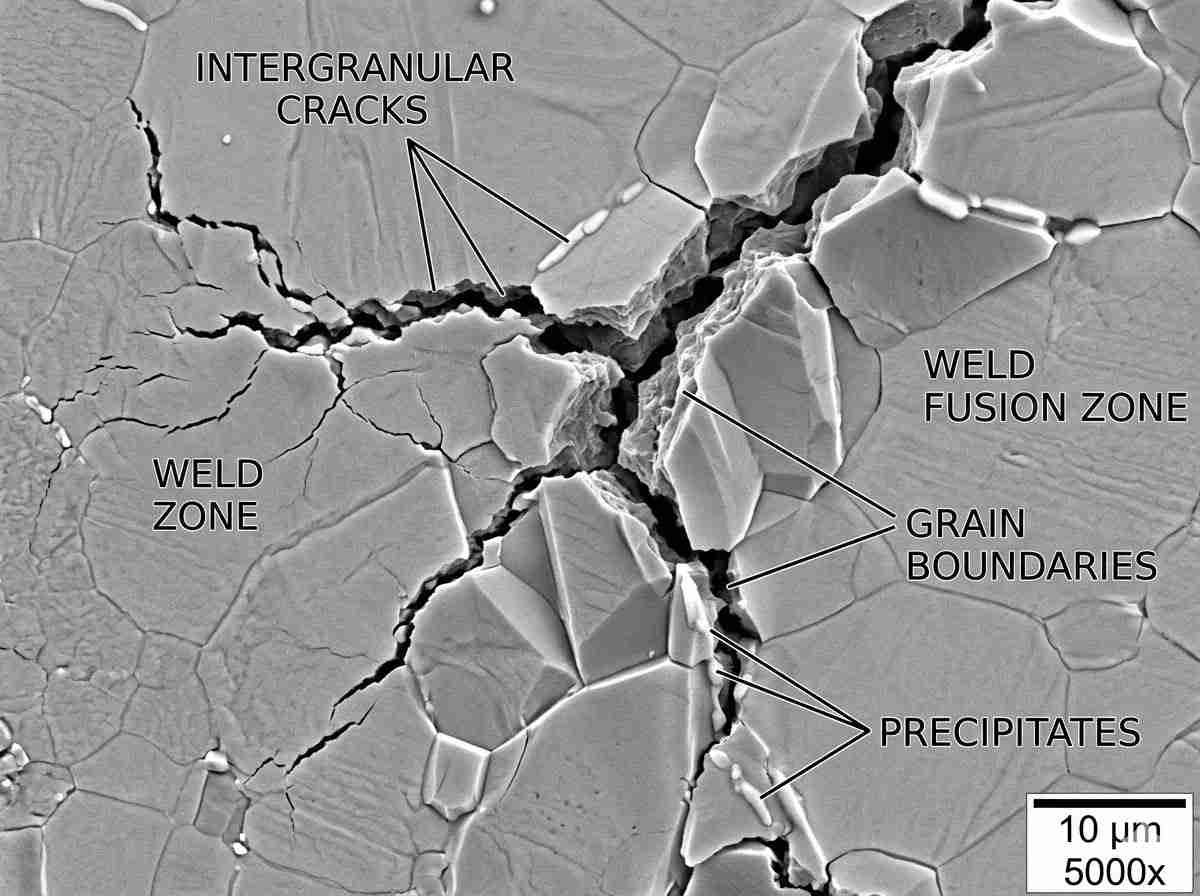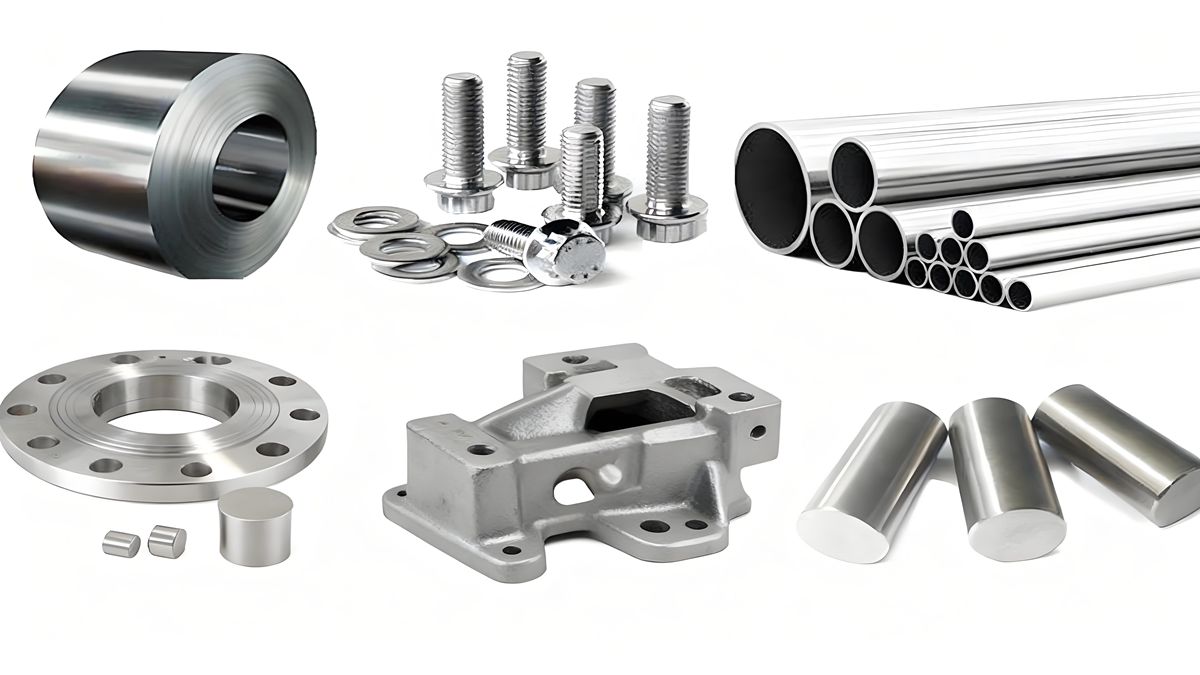
Chemical plants operate in exceptionally harsh environments. Pitting, crevice corrosion, and stress corrosion cracking (SCC) are constant threats to continuous operation. When dealing with aggressive media like boiling sulfuric acid or hot chloride solutions, standard austenitic stainless steels simply fail. This is exactly where precise nickel alloy selection for chemical processing becomes a critical engineering mandate. Getting this right dictates the lifecycle of a reactor vessel. The presence of halide ions severely complicates materials specification. We often see localized attack initiating at grain boundaries or beneath deposits. Effective nickel alloy selection for chemical processing in these scenarios hinges on the Pitting Resistance Equivalent Number (PREN). Alloys rich in molybdenum and tungsten, such as 하스텔로이 C-276 (UNS N10276), provide exceptional resistance. Molybdenum stabilizes the passive film against chloride ion penetration. Conversely, if the environment is purely reducing, such as dry hydrogen chloride, Alloy 400 (UNS N04400) leveraging its high copper content demonstrates superior thermodynamic stability. The variance in degradation mechanisms means nickel alloy selection for chemical processing cannot be handled via generic datasheets. It requires rigorous analysis of the specific ionic species, temperature gradients, and flow velocities within the process stream.
Metallurgical Variations in Alloy Selection
Let us look at the fundamental chemistry dictating these choices. High nickel content directly suppresses chloride stress corrosion cracking, a known vulnerability of 300-series stainless steels. By adjusting chromium, we gain resistance to oxidizing agents like nitric acid. The matrix stability is paramount. Improper nickel alloy selection for chemical processing often stems from ignoring trace contaminants. A trace amount of ferric ions in a hydrochloric acid stream can instantly shift the environment from reducing to oxidizing, rendering a previously specified molybdenum-heavy alloy suddenly vulnerable.
| 합금 등급 | 유엔 지정 | Ni (%) | Cr (%) | Mo (%) | PREN (Approx) | Primary Environmental Application |
| 합금 C-276 | N10276 | 57.0 | 16.0 | 16.0 | > 45 | Severe mixed acids, contaminated chlorides |
| 합금 625 | N06625 | 58.0 | 21.0 | 9.0 | ~ 40 | Pitting and crevice corrosion environments |
| 합금 825 | N08825 | 42.0 | 21.5 | 3.0 | ~ 31 | Sulfuric and phosphoric acid handling |
| 합금 400 | N04400 | 63.0 | – | – | N/A | Hydrofluoric acid and deaerated brine |
High-Temperature Degradation Modes
Beyond aqueous corrosion, high-temperature gas reactions present another layer of complexity. Oxidation, sulfidation, and carburization rapidly degrade mechanical integrity. When engineering internals for pyrolysis furnaces or catalytic regenerators, nickel alloy selection for chemical processing shifts focus towards carbide formers and alumina or chromia scale stabilization. Alloy 600 (UNS N06600), for example, performs admirably in hot, dry chlorine up to 540°C, but introduces sulfidation risks if sulfur species are present. In such mixed-gas environments, the precise balance of chromium and aluminum becomes the deciding factor.
The Impact of Fabrication
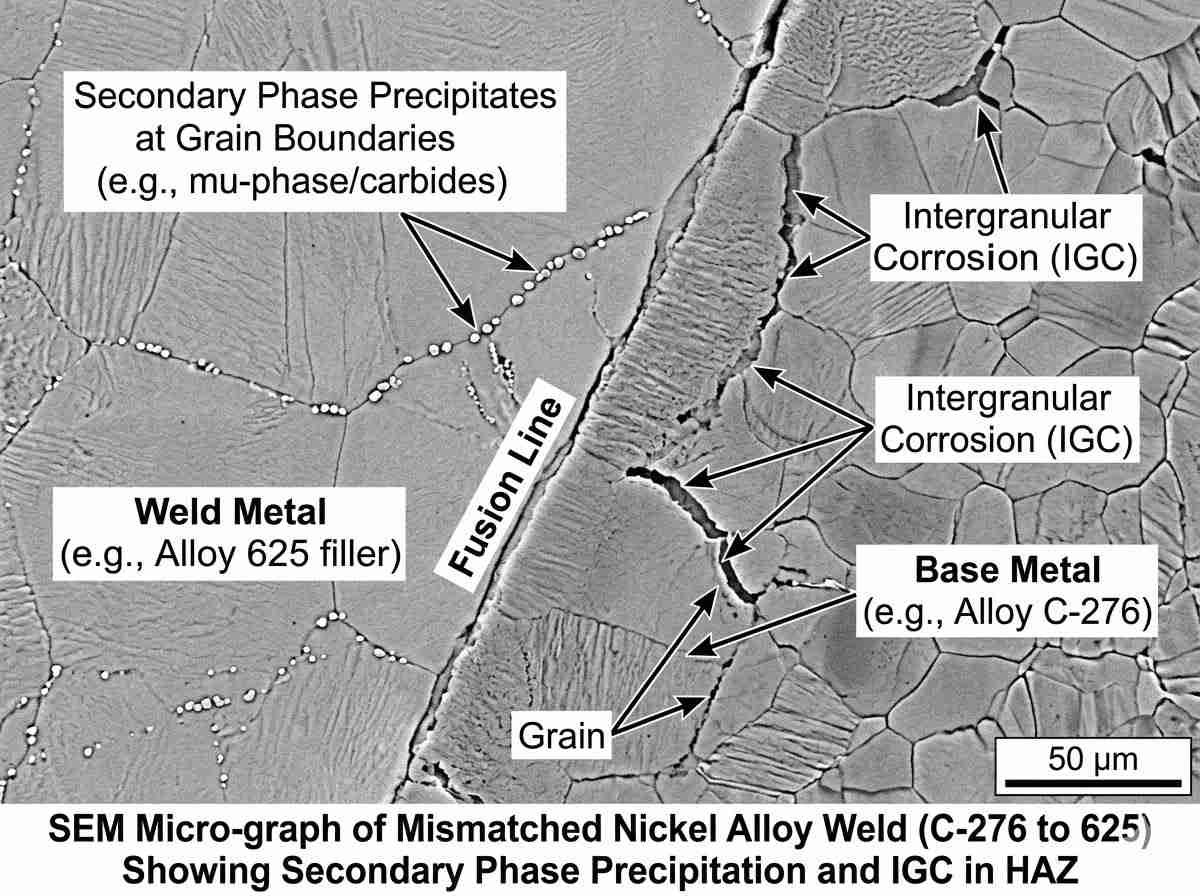
Even the most rigorous nickel alloy selection for chemical processing strategy can be entirely undone by improper fabrication techniques. Welding introduces significant thermal gradients, creating a Heat-Affected Zone (HAZ) where secondary phase precipitation can occur. For instance, the precipitation of mu-phase or detrimental carbides at grain boundaries drastically reduces localized corrosion resistance. Therefore, specifying the correct filler metal—often over-alloyed compared to the base material—is just as critical as the primary specification. We strongly advocate for controlled heat inputs and, where necessary, post-weld heat treatment (PWHT) to restore the microstructural homogeneity. Engineers must integrate fabrication constraints into their early-stage nickel alloy selection for chemical processing matrix to prevent fusion zone vulnerabilities.
Optimizing Reliability Through Engineering
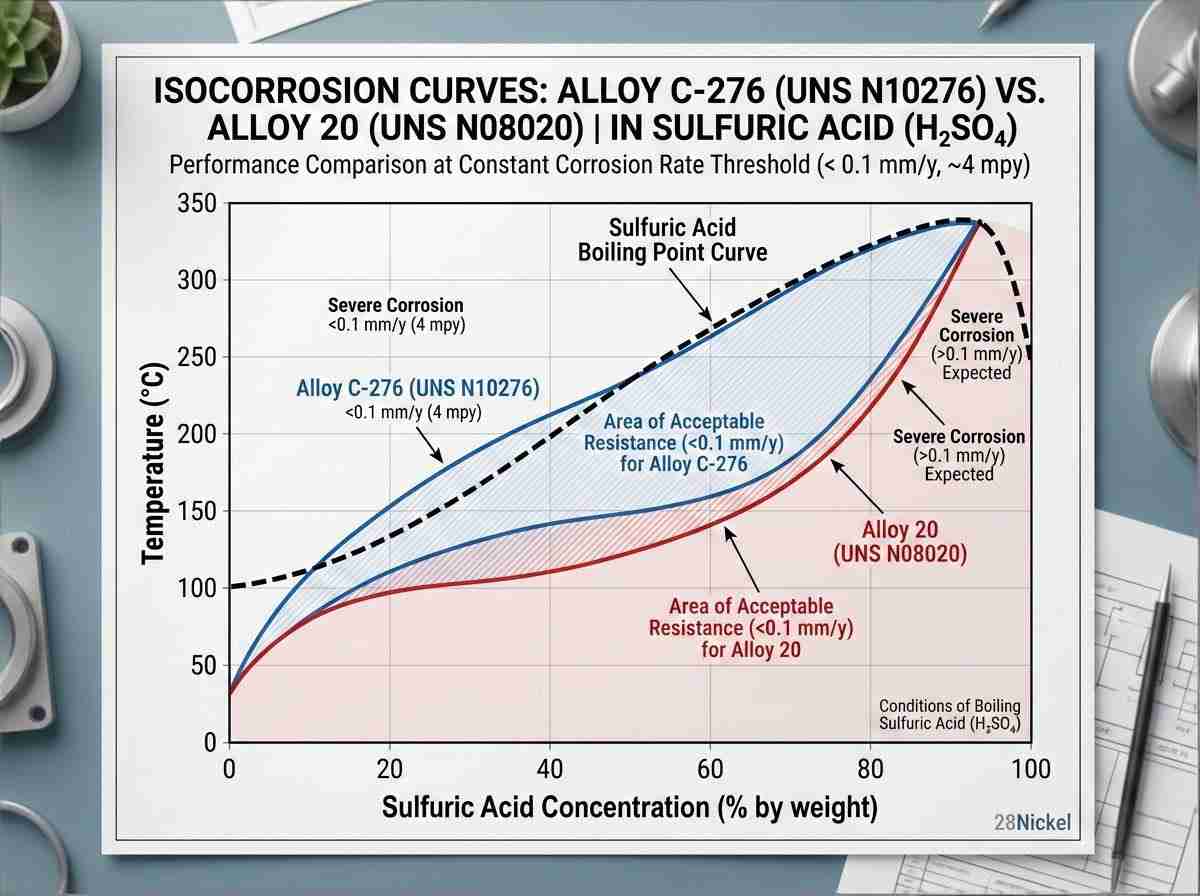
As materials engineers, we must rely on empirical data, rigorous testing, and accurate process modeling. The economic penalty for a miscalculated specification is catastrophic, resulting in unplanned outages and critical safety hazards. It is imperative to model the thermodynamics of the exact process fluid. Ultimately, optimal nickel alloy selection for chemical processing is not just about finding the most corrosion-resistant material; it is about finding the precise metallurgical profile that ensures predictable reliability without gross over-engineering. At 28Nickel, our materials engineering team dives deeply into your specific operational parameters. We provide the technical validation required to secure your infrastructure. Reach out to our engineering department to discuss your exact degradation challenges, review your isocorrosion data, and secure the targeted technical support your project demands.
관련 Q&A:
Q1: How does trace fluoride contamination affect nickel alloy selection for chemical processing?
A: Fluorides aggressively attack the passive oxide layer of many chromium-bearing alloys. In such cases, high-copper alloys like Alloy 400 or extremely high-molybdenum variations are required, depending on the simultaneous presence of oxidizing species.
Q2: Why is the PREN value alone insufficient for nickel alloy selection for chemical processing?
A: PREN only predicts resistance to localized pitting in chloride-rich environments at ambient or moderately elevated temperatures. It does not account for general corrosion rates in reducing acids, stress corrosion cracking risks, or high-temperature sulfidation.
Q3: What is the critical threshold of nickel required to prevent chloride stress corrosion cracking?
A: Empirical data suggests that alloys with a nickel content exceeding 42% (such as Alloy 825) show significant immunity to chloride-induced SCC, whereas alloys approaching 60% nickel (like Alloy 625) offer virtual immunity in most standard chemical process streams.