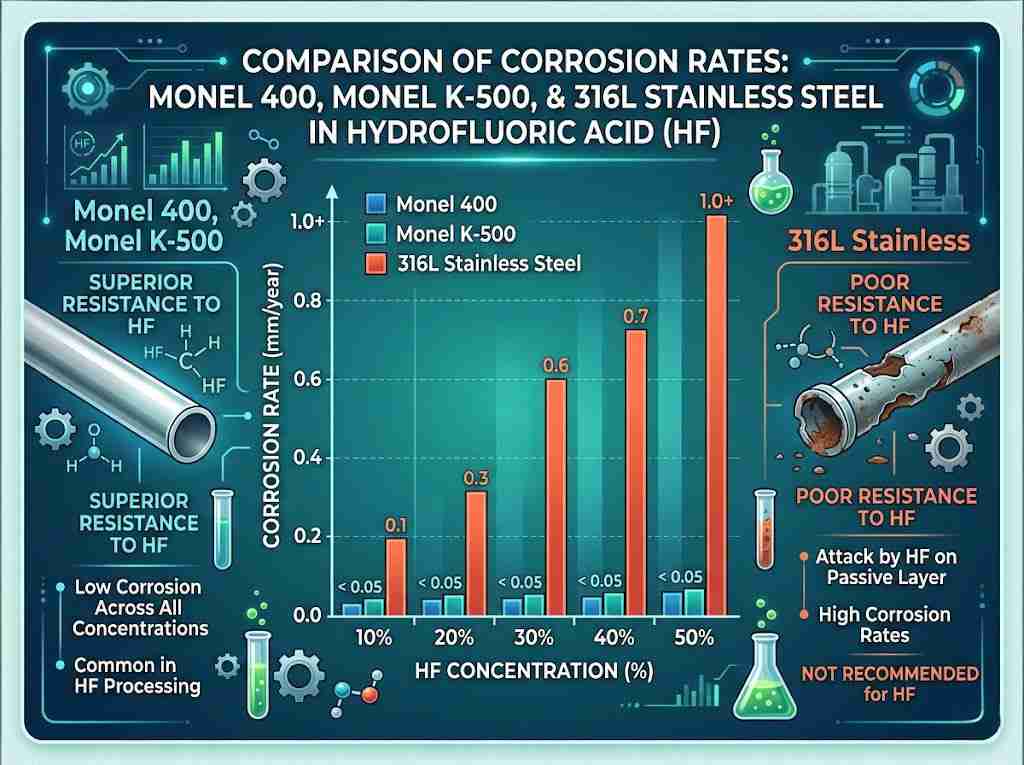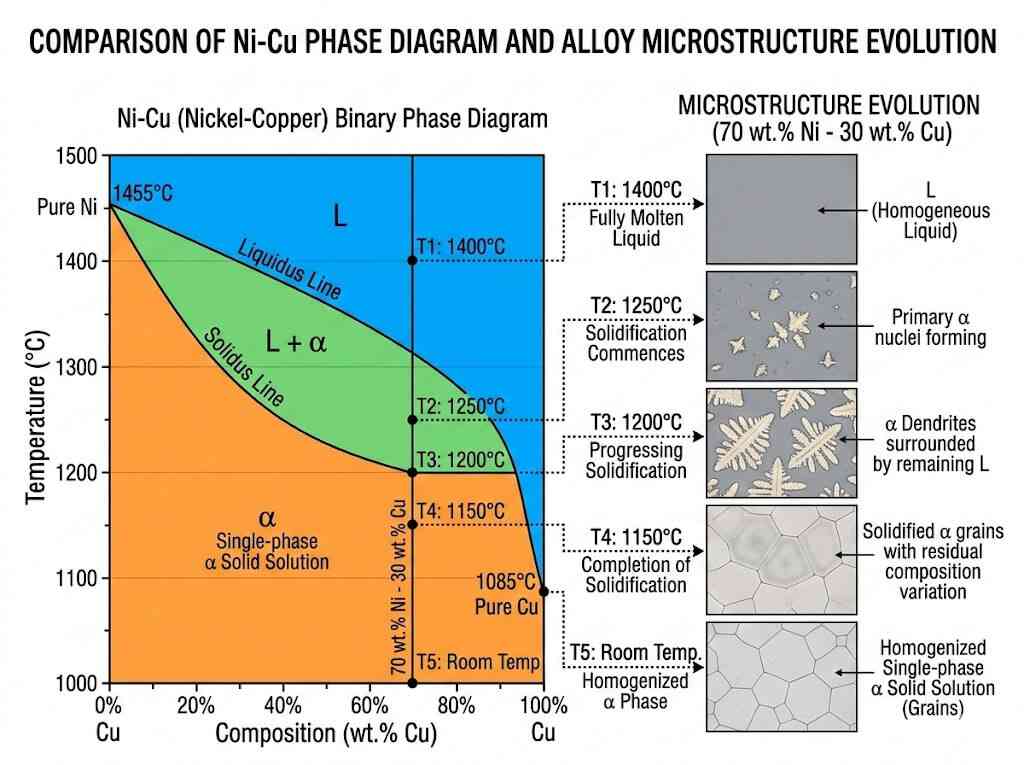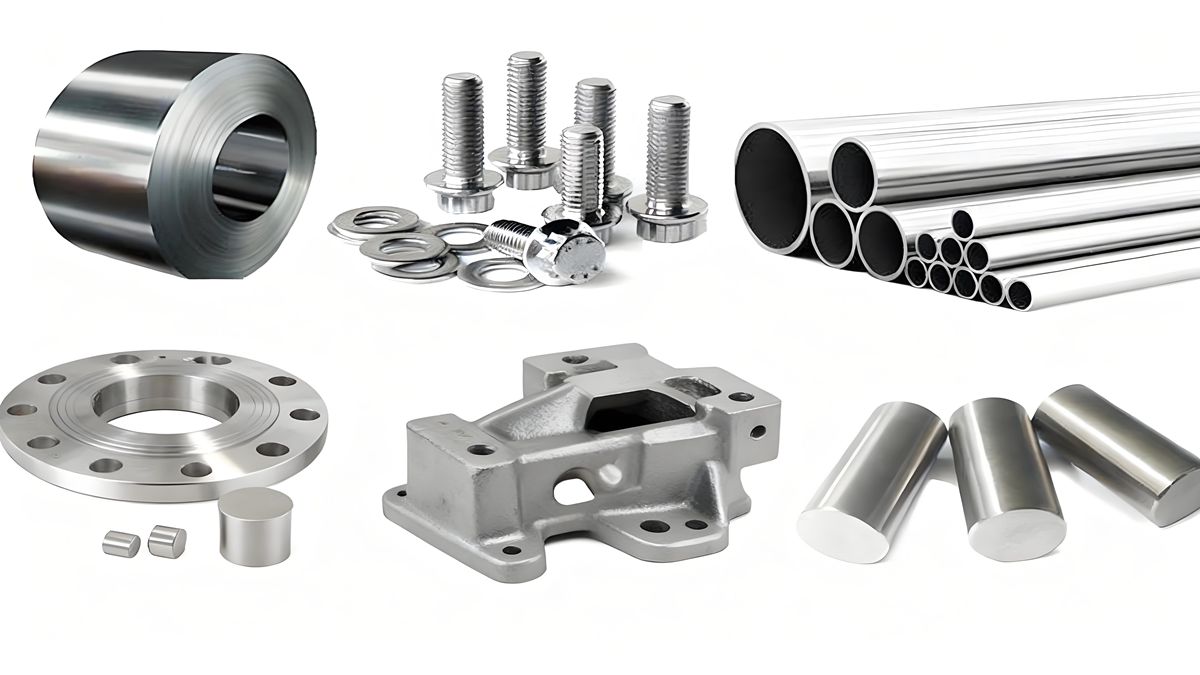
In the aggressive world of chemical processing and industrial manufacturing, equipment failure is not just an inconvenience; it is a catastrophic financial risk. When standard stainless steels fail to hold up against aggressive acids or chlorides, engineers turn to high-performance ligas de níquel. Among these, hastelloy corrosion resistance stands as the industry benchmark for reliability and longevity in the most severe environments. At 28Nickel, we understand that selecting the right alloy is critical for safety and efficiency.
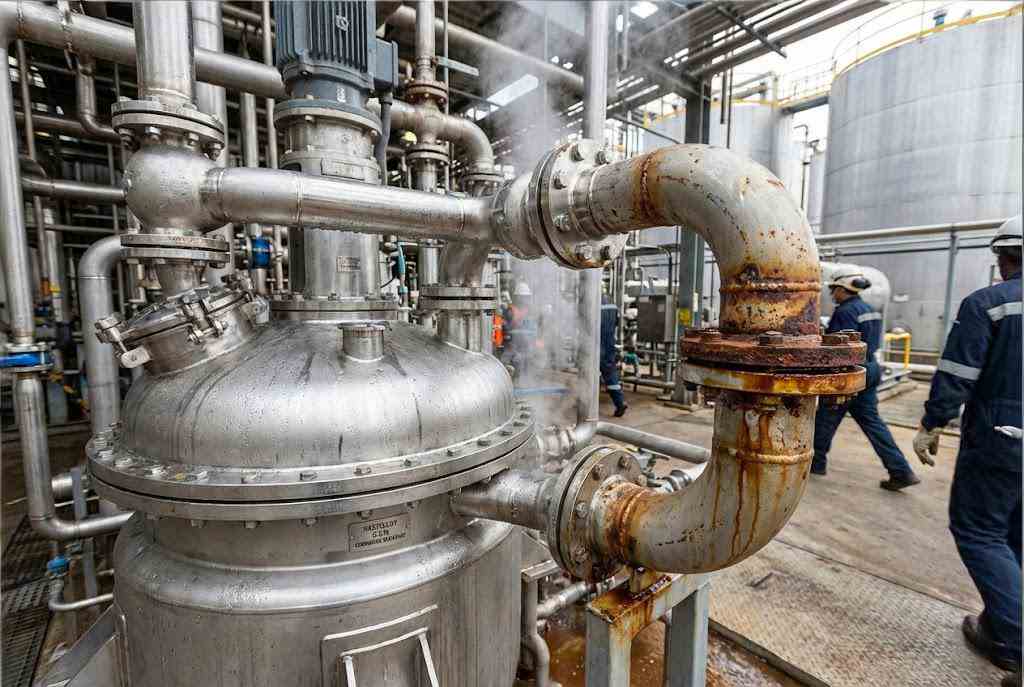
The Science Behind Hastelloy Corrosion Resistance
What makes these alloys so effective? The superior hastelloy corrosion resistance is primarily derived from its chemical composition. Hastelloy is a nickel-molybdenum-chromium superalloy. The addition of molybdenum contributes significantly to the resistance against reducing environments, while chromium provides resistance to oxidizing media.
Furthermore, the low carbon content in modern grades (like C-276 and C-22) minimizes carbide precipitation during welding. This ensures that the hastelloy corrosion resistance remains intact even in heat-affected zones, preventing intergranular attack which is a common failure point in lesser materials.
Performance in Acidic Environments
One of the defining characteristics of hastelloy corrosion resistance is its ability to withstand a wide range of acids.
-
Hydrochloric Acid: Standard steel dissolves rapidly here. However, Hastelloy B-3 and B-2 are specifically designed for this. They offer exceptional performance in all concentrations and temperatures of hydrochloric acid.
-
Sulfuric Acid: While 316 stainless steel can handle dilute sulfuric acid, it fails as concentrations rise. Hastelloy corrosion resistance in grades like C-276 ensures stability even in hot, contaminated sulfuric acid solutions.
Pitting and Crevice Corrosion
Localized attacks, such as pitting and crevice corrosion, are often more dangerous than uniform corrosion because they are harder to detect. The Pitting Resistance Equivalent Number (PREN) is a standard calculation used to predict an alloy’s defense against this. Thanks to high levels of molybdenum and tungsten, hastelloy corrosion resistance boasts some of the highest PREN values in the metallurgical world, making it virtually immune to chloride-induced stress corrosion cracking.
Comparative Analysis: Hastelloy vs. Others
To better understand the value proposition, compare the performance of common materials against Hastelloy C-276.
| Material | PREN Value (Approx) | Resistência à corrosão | Sulfuric Acid Performance | Chloride Stress Cracking |
| 316 Stainless Steel | ~25 | Moderado | Pobres | Susceptible |
| 254 SMO (Duplex) | ~43 | Bom | Moderado | Resistant |
| Hastelloy C-276 | >60 | Excelente | Excelente | Immune |
Choosing the Right Grade for Maximum Hastelloy Corrosion Resistance
Not all Hastelloys are created equal. To maximize hastelloy corrosion resistance, you must match the grade to the specific media:
-
Hastelloy C-276: The “workhorse” of the industry. It is versatile and widely used in chemical processing, waste treatment, and pulp and paper production.
-
Hastelloy C-22: Contains more chromium than C-276. This gives it better hastelloy corrosion resistance in oxidizing environments, such as wet chlorine and nitric acid mixtures.
-
Hastelloy B-3: The go-to choice for reducing acids (hydrochloric and hydrobromic). However, it offers poor resistance to oxidizing agents.
Aplicações industriais
The reliability of hastelloy corrosion resistance makes it indispensable in critical sectors. In Flue Gas Desulfurization (FGD) systems used in power plants, scrubbers are exposed to highly corrosive sulfur compounds. Using Hastelloy liners prevents leaks and shutdowns. Similarly, in the pharmaceutical sector, where product purity is paramount, the alloy prevents contamination caused by equipment degradation.
At 28Nickel, we supply these high-grade alloys to ensure your projects withstand the test of time. Understanding the nuances of hastelloy corrosion resistance allows you to make informed decisions that save maintenance costs and extend equipment lifecycles.
Perguntas e respostas relacionadas
Q1: Is Hastelloy completely rust-proof?
A: While no metal is 100% immune to all environments, hastelloy corrosion resistance is exceptionally high. It does not “rust” like iron, but it can degrade if exposed to an environment it wasn’t designed for (e.g., using B-3 in strong oxidizing acids).
Q2: Which Hastelloy grade is best for mixed acid streams?
A: For streams containing both oxidizing and reducing acids, Hastelloy C-22 is often preferred. Its balanced composition provides broader hastelloy corrosion resistance in mixed chemical process streams compared to C-276.
Q3: Why is Hastelloy more expensive than Stainless Steel?
A: The cost is driven by the high content of nickel and molybdenum, which are expensive raw materials. However, the superior hastelloy corrosion resistance reduces long-term costs by minimizing replacement frequency and downtime.