



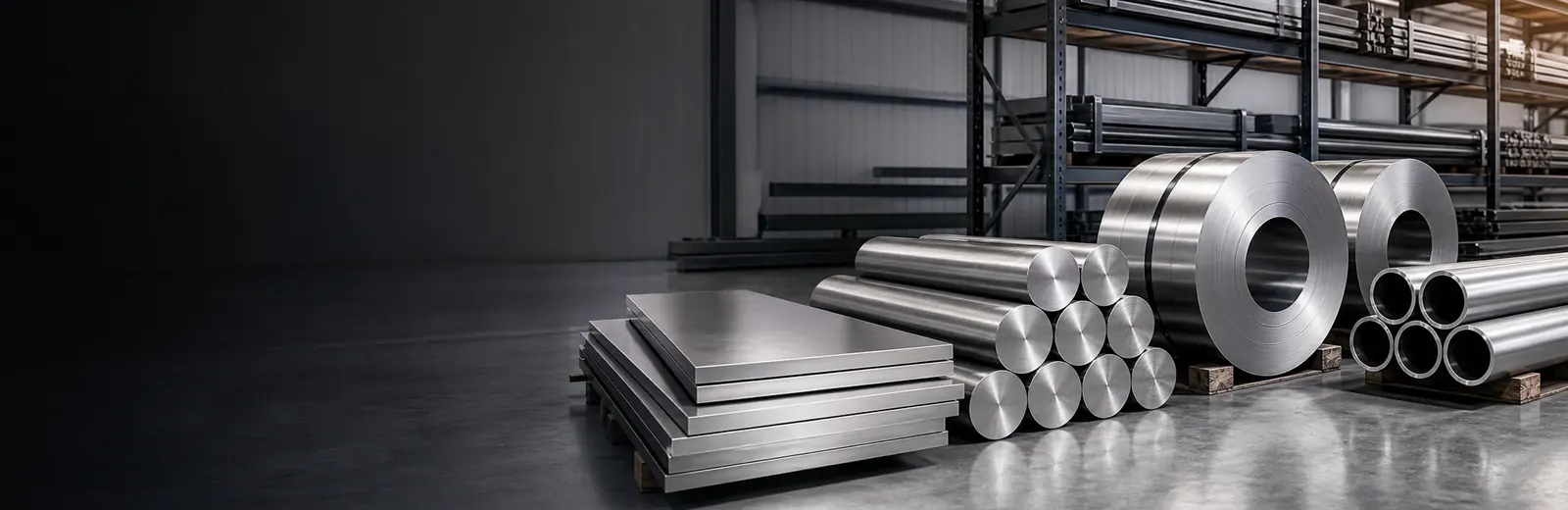
Выбор поставщика круглого прутка из инконеля 625 — это не просто поиск продавца, у которого есть товар на складе. Для многих покупателей круглый пруток является исходным материалом для изготовления обработанных деталей, крепежных элементов, валов, сопел, фитингов и коррозионно-стойких компонентов, причем конечная стоимость этих изделий значительно превышает стоимость сырья. Если химический состав прутка не соответствует требованиям, его качество нестабильно или отслеживаемость ухудшается после резки, проблема часто выявляется только после того, как уже затрачены часы на механическую обработку и время на реализацию проекта. Именно поэтому инженеры не ограничиваются просто проверкой наличия товара. Они ищут поставщика круглого прутка из инконеля 625, который может гарантировать подлинность материала, его состояние и сопроводительную документацию до того, как материал поступит в механический цех.
Это важно, потому что сплав 625 покупают по причинам, которые слишком важны, чтобы оставлять их на усмотрение. Покупатели полагаются на него в хлоридных средах, при воздействии смешанных кислот, при высокотемпературной эксплуатации, а также в ситуациях, когда свариваемость и коррозионная стойкость должны сосуществовать. В виде круглого прутка материал может быть использован для изготовления деталей, где важна каждая короткая длина отрезка. После распила прутка на более мелкие куски первоначальная маркировка пакета может быстро исчезнуть. Поэтому дисциплинированный поставщик круглого прутка inconel 625 повышает ценность материала не за счет правильных слов, а за счет контроля количества тепла, потока сертификатов и физической маркировки на всем пути поставки.
Что отличает сильного поставщика прутка 625 от обычного трейдера
Первое отличие - это техническая точность. Надежный поставщик круглого прутка inconel 625 должен понимать соответствующий стандарт формы продукта, условия поставки и практические вопросы, которые влияют на обработку и изготовление. Круглый пруток - это не просто общая форма сплава. Допуск на диаметр, прямолинейность, состояние поверхности, способ термической обработки и фактический химический состав - все это влияет на то, насколько полезным окажется материал после того, как он поступит в производство. Поставщик, который не может обсудить эти детали, обычно перекладывает риск на покупателя.
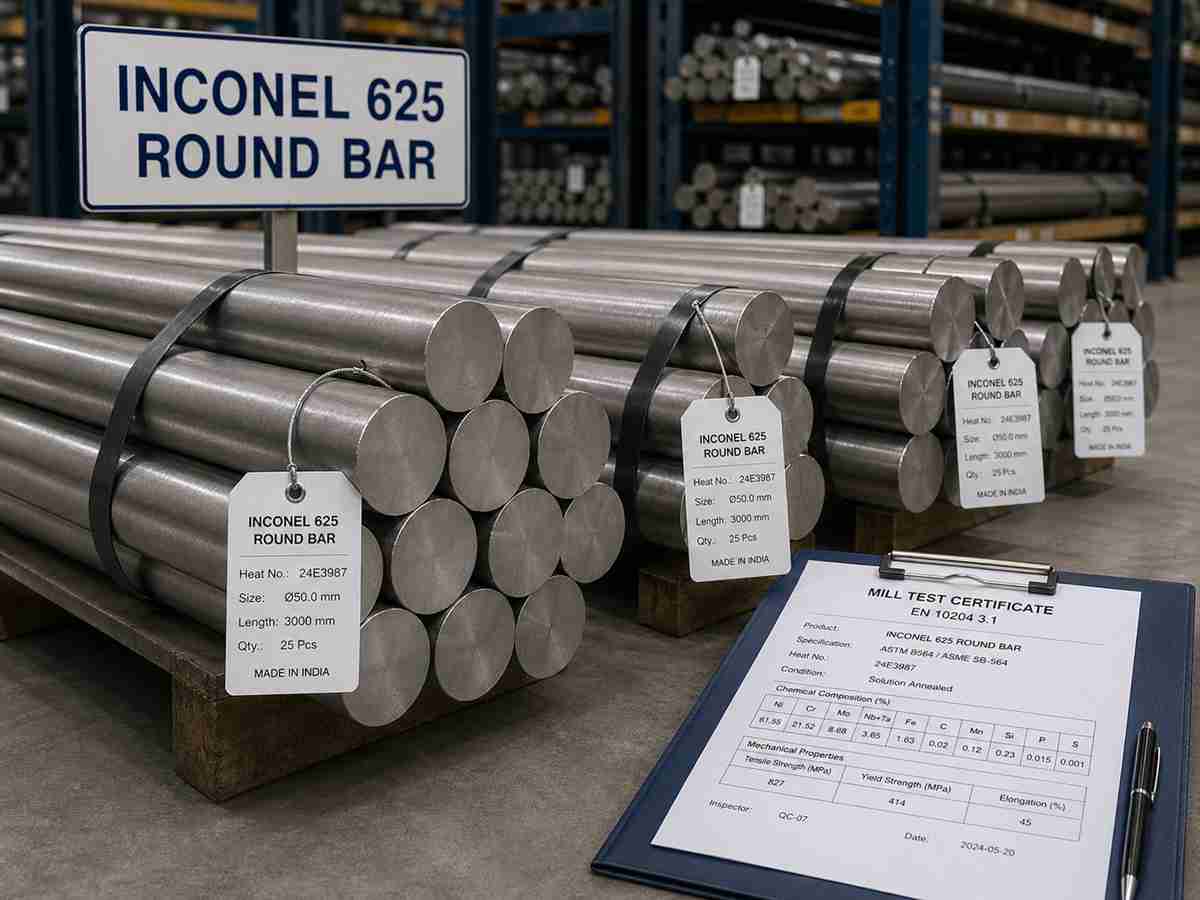
Второе отличие - контроль прослеживаемости. Серьезный поставщик круглого прутка инконель 625 должен быть в состоянии показать сертификаты завода, привязку термических номеров, фотографии маркировки и четкое объяснение того, как короткие отрезки остаются идентифицируемыми после резки или переупаковки. Такая дисциплина имеет значение, поскольку круглый пруток часто перемещается через склады, субподрядные механические цеха и частичные поставки. Маршрут транспортировки материала, который выглядит хорошо на бумаге, может разрушиться на практике, если с остатками и обрезанными кусками обращаться неаккуратно. Для проектных работ, особенно для экспортных заказов, поведение поставщика в плане отслеживания часто так же важно, как и сам пруток.
| Вопрос покупателя | Что должен предоставить опытный поставщик | Почему это важно |
| Какой стандарт и состояние поставляется? | Четкая спецификация формы изделия и статус термообработки | Обработка и согласование зависят от состояния поставки |
| Как сохраняется прослеживаемость? | Метки с термономерами, MTC, фотографии маркировки и логика упаковки | Короткие стрижки быстро теряют индивидуальность без контроля |
| Можно ли просмотреть материал перед отправкой? | Авансовые сертификаты и данные о запасах | Предотвращает неожиданности с документами после выпуска груза |
| Подходит ли запас для предполагаемой службы? | Техническое обсуждение, связанное со средой и применением | 625 часто выбирают для работы в условиях жесткой коррозии или температурных режимов |
Когда качество поставщика важнее наличия баров
Существует множество случаев, когда любой доступный пруток недостаточно хорош. Поставщик круглого прутка из инконеля 625 становится особенно важным, когда материал будет обрабатываться для деталей, прошедших проверку владельца, оборудования для антикоррозийной обработки, морских компонентов или ремонтных изделий, где сроки остановки ограничены. В таких случаях наличие прутка - это только первая контрольная точка. Главный вопрос заключается в том, сможет ли поставляемый пруток пройти через резку, обработку, контроль и окончательную документацию, не создавая неопределенности, которая задерживает выполнение работы.
Поэтому покупатели должны проверять поставщика на стадии запроса. Спросите о стандарте формы продукта, условиях термообработки, формате сертификата, методе отслеживания после резки, а также о том, поддерживается ли PMI или инспекция третьей стороной, если это необходимо. В компании "28Никель" мы обычно советуем клиентам рассматривать поставщика круглого прутка инконель 625 как часть цепи инженерной поддержки, а не только логистической цепи. Дисциплинированный поставщик круглого прутка инконель 625 обычно предоставляет ответы на эти вопросы до того, как заказ станет срочным. Поставщик, который может четко ответить на эти вопросы, обычно вызывает меньше сюрпризов в цехе и меньше споров в итоговом досье.
Заключение
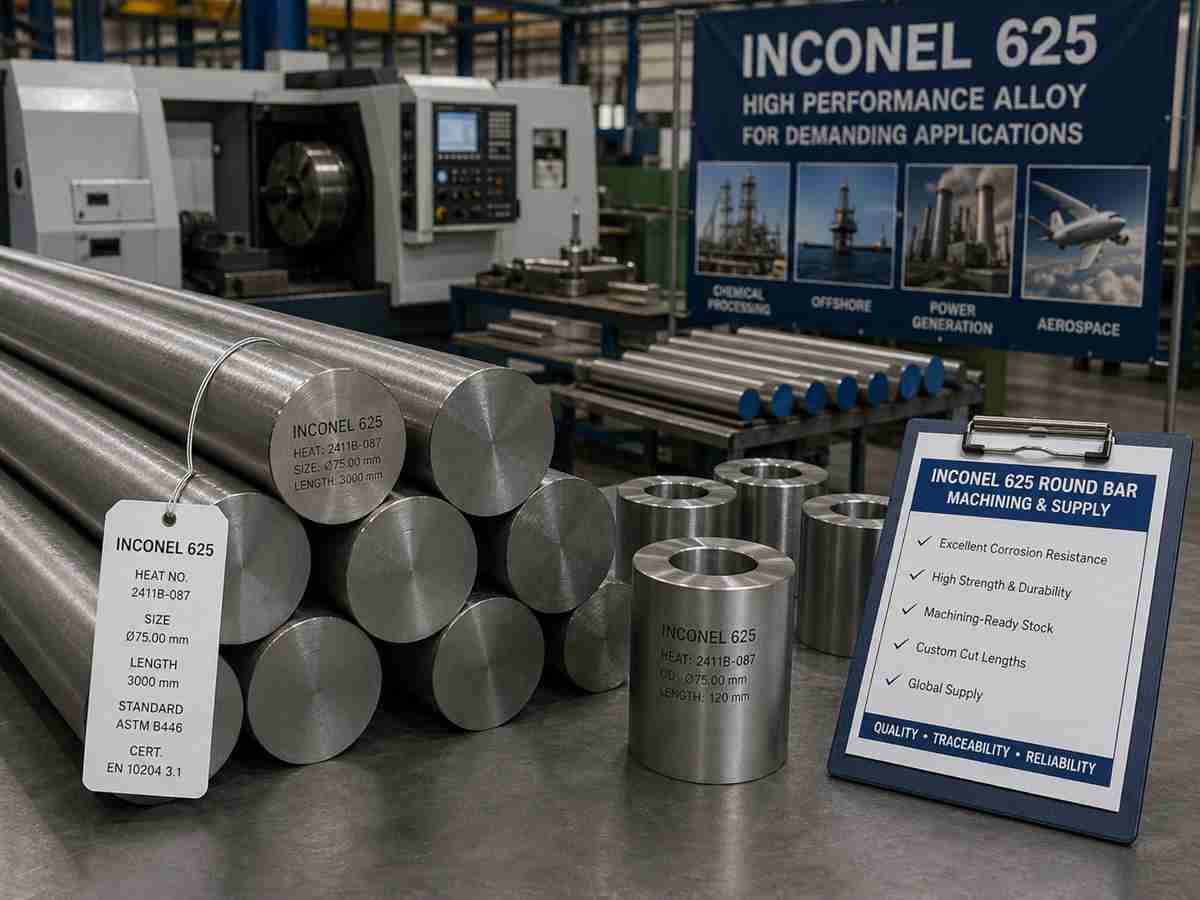
Заказ на круглый пруток становится дорогостоящим только после того, как пруток попадает на обработку, сварку и в график проекта. Вот почему качество поставщика имеет значение еще до начала распиловки. Правильный поставщик круглого прутка инконель 625 помогает сохранить стоимость обработки, привязанную к отслеживаемым, технически обоснованным запасам. Если вам нужна помощь в проверке маршрута поставки, сертификации или прослеживаемости для заказа круглого прутка 625, 28Nickel поможет проверить технические моменты, которые чаще всего создают проблемы в дальнейшем.
Связанные вопросы и ответы
В: Почему прослеживаемость так важна для заказов круглого прутка?
Поскольку круглый пруток часто разрезается на множество небольших отрезков. Без хорошего контроля идентификации самые ценные детали могут очень быстро потерять свою привязку к тепловому номеру.
Вопрос: Должны ли покупатели запрашивать PMI на круглый пруток 625?
Для работ с повышенным риском или складов со смешанными сортами это часто является разумным дополнительным контролем. PMI может подтвердить поставляемое семейство прутков до начала обработки.
В: Может ли один общий сертификат покрывать все размеры баров и заезды?
Не должно. Серьезный поставщик круглого прутка инконель 625 должен сохранять маршрут документа, специфичный для конкретной температуры и конкретного продукта, чтобы сохранить возможность отслеживания.