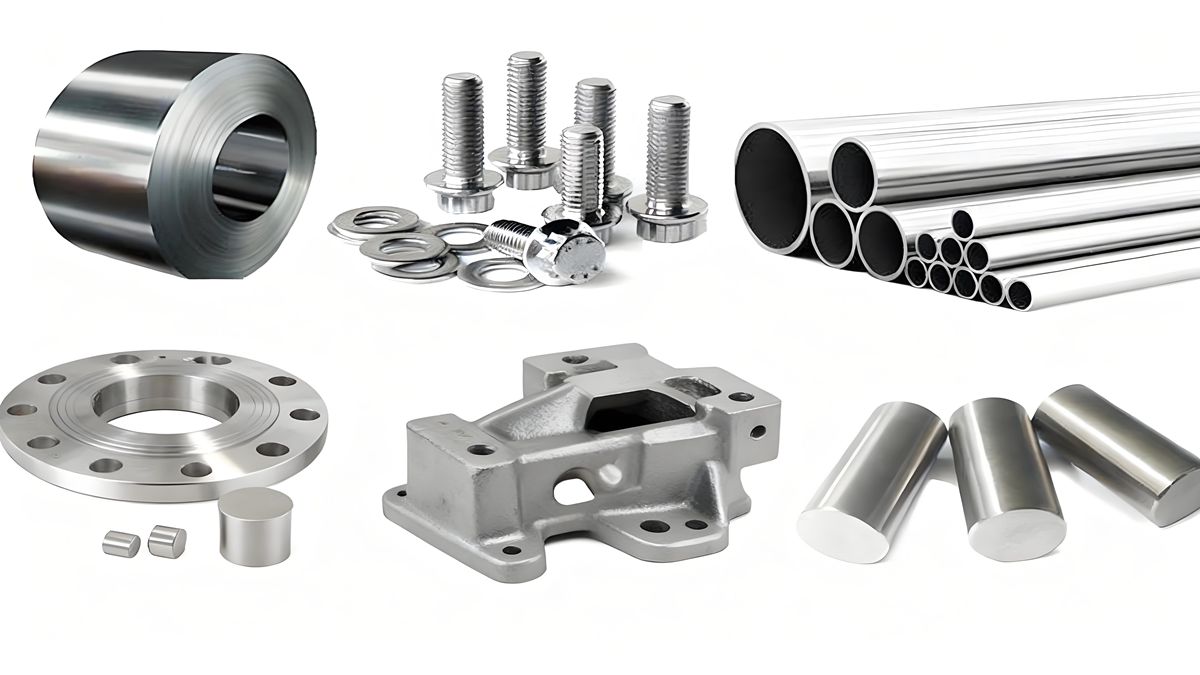
When it comes to high-performance superalloys, few materials command as much respect in the engineering world as Инконель 718. Primarily composed of nickel and chromium, this precipitation-hardened alloy is designed to withstand extreme environments where standard stainless steels would fail. For procurement specialists and engineers, understanding Inconel 718 properties is essential for ensuring the structural integrity of components used in aerospace, maritime, and oil and gas industries. Its unique blend of high tensile strength and excellent corrosion resistance makes it a cornerstone of modern metallurgy.
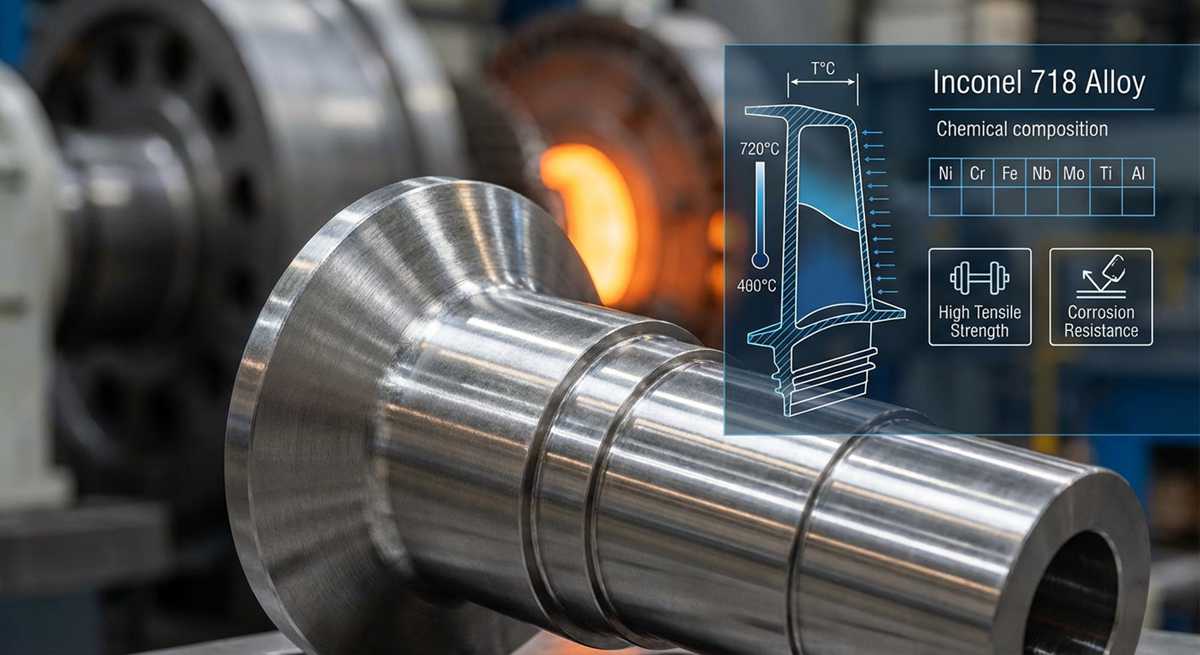
Understanding Inconel 718 Properties and Composition
The exceptional performance of Inconel 718 is a direct result of its sophisticated chemical makeup. Unlike many other superalloys, Inconel 718 contains significant amounts of niobium, which interacts with molybdenum to provide high strength without the need for complex heat treatments that might lead to cracking.
The “secret sauce” of these Inconel 718 properties lies in its sluggish precipitation-hardening response. This allows the material to be welded and annealed without spontaneous hardening during heating and cooling. This characteristic is a major advantage for 28Nickel clients who require complex fabrications.
| Элемент | Содержание (%) |
| Никель (Ni) | 50.00 – 55.00 |
| Хром (Cr) | 17.00 – 21.00 |
| Железо (Fe) | Баланс |
| Ниобий (Nb) | 4.75 – 5.50 |
| Молибден (Mo) | 2.80 – 3.30 |
| Титан (Ti) | 0.65 – 1.15 |
| Алюминий (Al) | 0.20 – 0.80 |
Mechanical Inconel 718 Properties at Elevated Temperatures
One of the most defining Inconel 718 properties is its ability to maintain high mechanical strength at temperatures ranging from cryogenic levels up to (). While many metals lose their yield strength as they heat up, Inconel 718 utilizes the “gamma prime” and “gamma double prime” phases to stay rigid.
-
Tensile Strength: Typically exceeding 1375 MPa (200 ksi) after age hardening.
-
Yield Strength: Remains remarkably stable even under high-stress loads at .
-
Fatigue Resistance: The alloy exhibits excellent creep-rupture strength, making it ideal for rotating parts in turbine engines.
Corrosion and Oxidation Resistance
In harsh chemical environments, the Inconel 718 properties related to corrosion resistance are vital. The high chromium content provides a protective oxide layer that guards against oxidation at high temperatures. Furthermore, the nickel content ensures the alloy remains resistant to chloride-ion stress corrosion cracking—a common nightmare in offshore drilling and marine engineering.
Whether it is facing the sulfuric acid of a processing plant or the high-pressure salts of the deep sea, the inherent Inconel 718 properties ensure longevity and reduced maintenance costs for industrial operators.
Fabrication and Workability
Despite being a “super” alloy, Inconel 718 is surprisingly workable. Most users appreciate that these Inconel 718 properties include excellent weldability. It is resistant to post-weld age cracking, which is a frequent issue with other nickel-based superalloys like Inconel 713 or René 41. At 28Nickel, we often advise our clients that while the material is tough, using the right carbide tooling and coolant can lead to highly efficient machining processes.
Applications Driven by Inconel 718 Properties
Where do we see these Inconel 718 properties in action?
-
Aerospace: Jet engine components, including blades, casings, and exhaust ducts.
-
Oil & Gas: High-strength bolting, downhole tool components, and wellhead parts.
-
Nuclear Power: Fuel element spacers and specialized springs.
The versatility of this alloy stems directly from the fact that Inconel 718 properties do not compromise one trait for another; you get strength, ductility, and corrosion resistance in a single package.
Связанные вопросы и ответы
Q1: What is the maximum operating temperature for Inconel 718?
The mechanical Inconel 718 properties remain effective up to approximately (). Beyond this point, the strengthening phases can begin to over-age, leading to a decline in hardness and strength.
Q2: Is Inconel 718 magnetic?
Inconel 718 is a non-magnetic (paramagnetic) alloy. This is one of the useful Inconel 718 properties for electronic and specialized medical equipment where magnetic interference must be avoided.
Q3: How does Inconel 718 differ from Инконель 625?
The main difference lies in the Inconel 718 properties related to strength. While 625 is primarily solid-solution strengthened, 718 is age-hardened (precipitation-hardened), giving it significantly higher yield and tensile strength.