










Аэрокосмическая инженерия работает на самой грани пределов прочности материалов. При проектировании критически важных компонентов горячей части газотурбинного двигателя — таких как турбина высокого давления (ТВД) или камера сгорания — отказ просто недопустим. Температуры регулярно превышают 1200 °C, а центробежные силы вызывают огромные механические нагрузки. Поиск подходящих суперсплавов является основой эксплуатационной надёжности. Как ведущий Поставщик материалов из никелевых сплавов для аэрокосмических деталей, 28Компания Nickel понимает, какие строгие металлургические требования необходимо соблюдать для предотвращения ползучести, термической усталости и высокотемпературного окисления. Мы не просто поставляем необработанный металл; мы предлагаем передовые материальные решения, разработанные специально для самых суровых условий эксплуатации, с которыми сталкивается современная авиация.
Требования к металлургии в турбовентиляторных двигателях с высоким коэффициентом обхода
Эффективность современных авиакосмических силовых установок напрямую зависит от их рабочих температур. Более высокие температуры на входе в турбину обеспечивают лучшую топливную экономичность и тягу, однако при этом стандартные металлы вынуждены работать при температурах, значительно превышающих их температуру плавления. Именно в таких условиях незаменимыми становятся высокоэффективные никелевые сплавы авиакосмического класса.
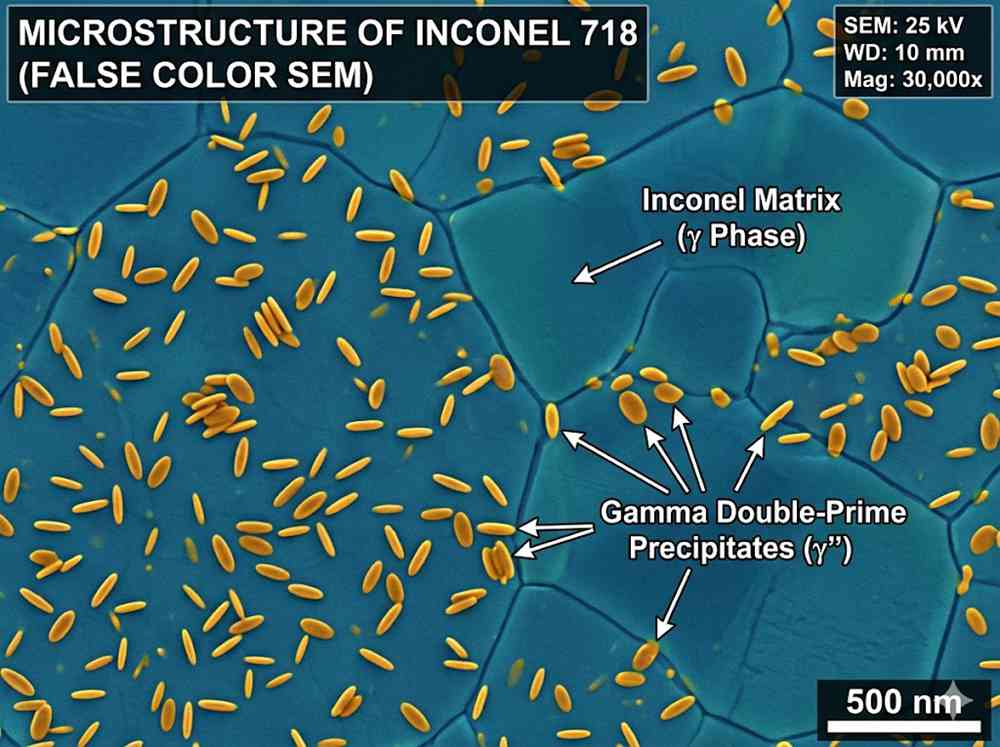
Исключительная предел текучести этих сплавов обусловлена, в первую очередь, двумя механизмами: упрочнением за счет твердого раствора и упрочнением путем выделения фаз. Такие элементы, как молибден, вольфрам и хром, добавляются в никелевую аустенитную матрицу (фаза гамма) с целью деформации кристаллической решетки, что препятствует движению дислокаций. Что ещё более важно, титан, алюминий и ниобий вводятся для образования микроскопических интерметаллических выделений — в частности, фаз гамма-прайм (γ’) и гамма-дабл-прайм (γ”).
Эти осадки эффективно блокируют границы зерен, обеспечивая исключительную стойкость к ползучести (медленной деформации материала под длительным механическим напряжением при повышенных температурах). Кроме того, первостепенное значение имеет стойкость к окислению. В сплавах, предназначенных для самых горячих зон, используются точно контролируемые добавки хрома и алюминия для образования сплошных, прочно прилегающих оксидных слоев — преимущественно диоксида хрома (Cr₂O₃) и диоксида алюминия (Al₂O₃) — которые защищают лежащую под ними основу от агрессивных продуктов сгорания.
Снижение сложностей при механической обработке и рисков в цепочке поставок
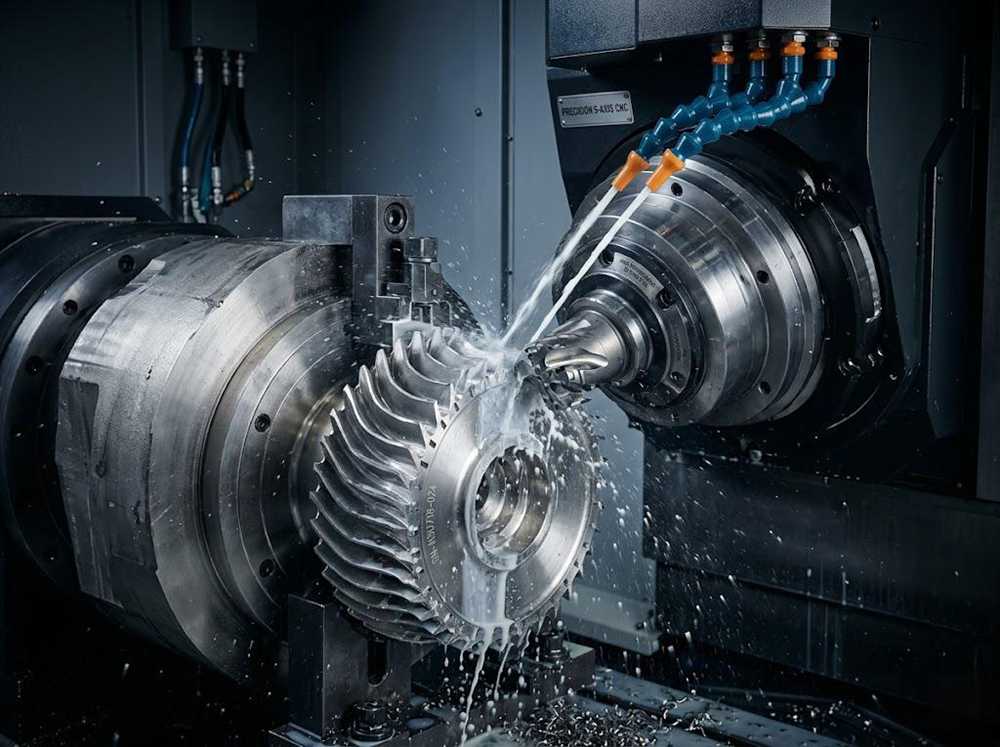
Выбор подходящего сорта материала — это лишь первый этап инженерной задачи. Суперсплавы на основе никеля, как известно, чрезвычайно сложны в обработке. Их врождённая вязкость и склонность к быстрому упрочнению при деформации могут привести к сильному износу инструмента и катастрофическому разрушению детали, если не соблюдать надлежащие меры. Низкая теплопроводность этих сплавов приводит к тому, что тепло, выделяющееся при резании, передаётся непосредственно на режущий инструмент, а не отводится стружкой.
Именно поэтому техническая компетентность вашей цепочки поставок имеет большое значение. Специализированный поставщик авиационных никелевых сплавов занимается не только управлением запасами. Мы гарантируем, что каждая заготовка, каждый пруток и каждый лист соответствуют строгим спецификациям на материалы для аэрокосмической промышленности (AMS), таким как AMS 5662 для сплава Inconel 718. Механические свойства этих сплавов в значительной степени зависят от истории их термической обработки. Для выделения упрочняющих фаз оптимального размера требуется точная термическая обработка. Даже незначительное отклонение в скорости охлаждения может привести к образованию вредных фаз, таких как хрупкая фаза Лавеса, которая серьезно снижает вязкость разрушения.
Техническая поддержка и отслеживаемость материалов
В аэрокосмической отрасли прослеживаемость материалов является обязательным требованием. Каждый компонент должен иметь полную прослеживаемость до исходной партии. Наличие даже следовых примесей, таких как сера или фосфор, может серьезно ухудшить горячую обрабатываемость и пластичность сплава при ползучести. Перед тем как материал поступит к производителю оригинального оборудования (OEM), необходимо провести тщательные испытания, включая ультразвуковой контроль, испытания на разрушение под напряжением и микроструктурный анализ.
Выбор подходящего партнера позволяет свести к минимуму эти уязвимости цепочки поставок. Как специализированная Поставщик материалов из никелевых сплавов для аэрокосмических деталей, 28Компания Nickel располагает всем необходимым для обеспечения соответствия вашим строгим техническим стандартам. Независимо от того, занимаетесь ли вы решением проблем, связанных с усталостной прочностью на устаревших платформах двигателей, или разрабатываете турбовентиляторные двигатели нового поколения с высоким КПД, наши знания и опыт в области металлургии всегда к вашим услугам.
Отправьте свои чертежи или спецификации материалов на сайт nickelcasting.com для немедленной экспертной оценки инженерами. Наша цель — снизить уровень брака, продлить срок службы инструментов и обеспечить абсолютную надежность ваших компонентов, критически важных для полета.
Связанные вопросы и ответы
Вопрос: Почему инконель 718 является наиболее востребованной маркой для изготовления высокотемпературных авиационных деталей? A: Инконель 718 обеспечивает непревзойденный баланс между высоким пределом текучести, превосходной свариваемостью и высокой стойкостью к растрескиванию после сварки. Благодаря медленной кинетике осаждения фазы γ” этот материал можно сваривать и подвергать формовке до полного упрочнения, что делает его чрезвычайно универсальным для изготовления сложных корпусов и конструкционных элементов в аэрокосмической отрасли при температурах до 650 °C.
Вопрос: Как вакуумная индукционная плавка (VIM) влияет на качество аэрокосмических суперсплавов? A: Технология VIM играет ключевую роль в аэрокосмической отрасли, поскольку позволяет удалять реактивные газы, такие как кислород и азот, в процессе плавки. Такое точное регулирование предотвращает образование неметаллических включений и обеспечивает точный состав реактивных упрочняющих элементов, таких как титан и алюминий, что позволяет получить более чистый, прочный и устойчивый к усталостным разрушениям сплав.
Вопрос: Какие сертификаты являются обязательными для поставок высокотемпературных материалов в авиационную отрасль? A: Надежный поставщик должен соблюдать строгие системы управления качеством, в первую очередь стандарт AS9100. Кроме того, сами материалы должны соответствовать конкретным спецификациям AMS (спецификации материалов для аэрокосмической промышленности) или внутренним спецификациям OEM-производителей (таким как стандарты GE или Pratt & Whitney), что должно подтверждаться полными протоколами физико-химических испытаний для обеспечения полной прослеживаемости.