







Когда инженеры ищут надежный поставщик никелевых сплавов для сред, подверженных коррозионному растрескиванию под напряжением (SCC) в хлоридной среде, как правило, они не ищут поставщика с собственными запасами. Им важна надежность технологического процесса. В системах, содержащих хлориды, коррозионное растрескивание под напряжением редко является результатом одного неверного решения. Это следствие неблагоприятного стечения обстоятельств: растягивающего напряжения, локальной концентрации хлоридов, повышенной температуры, окисляющих веществ, щелей, остаточного напряжения в сварных швах и материала, который выглядел приемлемым в техническом паспорте, но не в реальных условиях эксплуатации. Именно поэтому к выбору сплавов для работы в условиях влажных хлоридов, горячих рассолов, концентратов морской воды, контуров десульфуризации дымовых газов, линий отбеливания и испарителей следует подходить как к мероприятию по предотвращению отказов, а не как к простой закупке.
Серьезный покупатель также знает, что “никелевый сплав” — это не единственный ответ. Высокое содержание никеля помогает сдерживать коррозию под напряжением, вызванную хлоридами (SCC), по сравнению с обычными аустенитными нержавеющими сталями, но диапазон стойкости по-прежнему зависит от содержания хрома, молибдена, металлургической стабильности, состояния поверхности, истории изготовления и химического состава среды эксплуатации. На практике, а надежный поставщик никелевых сплавов для сред, подверженных коррозионному растрескиванию под напряжением (SCC) в хлоридной среде должен уметь обсуждать не только номера по классификации UNS, но и условия отжига, свариваемость, чувствительность к холодной деформации, риск локальной коррозии, а также то, как активность хлоридов изменяется в зависимости от температуры и испарения.
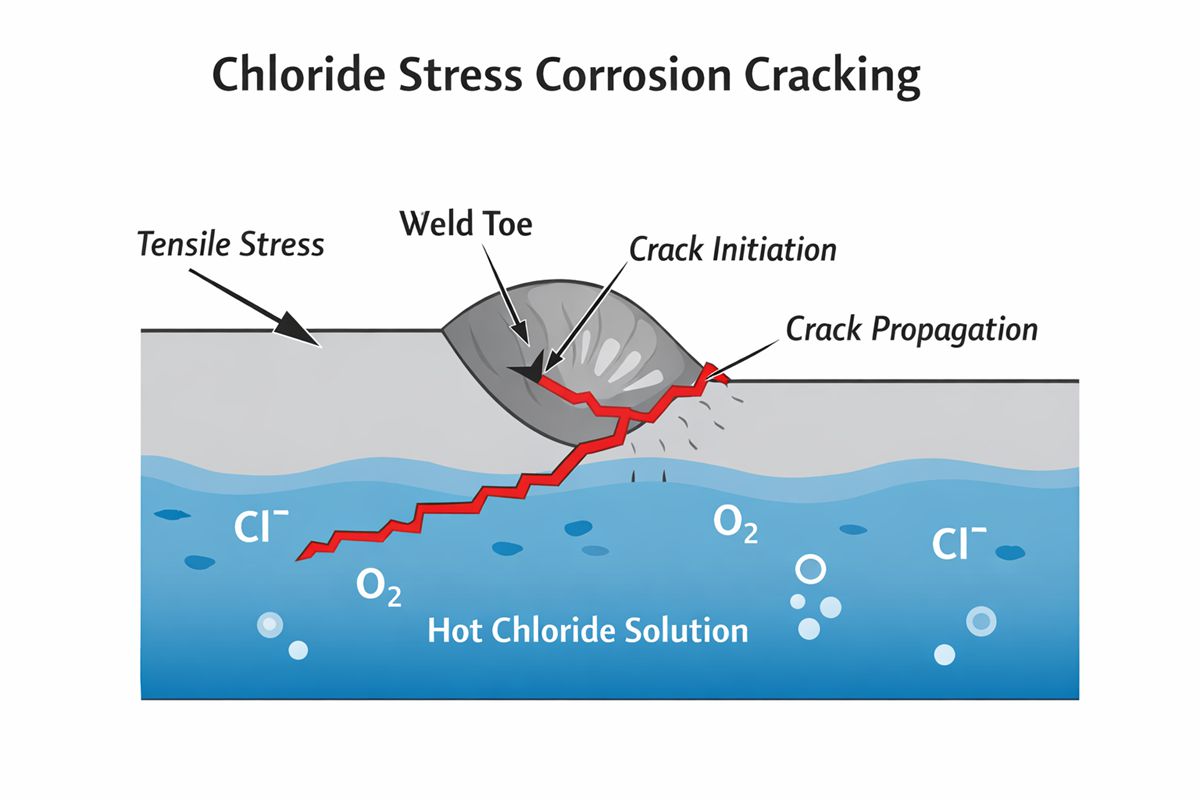
Что отличает надежного поставщика никелевых сплавов для сред, подверженных коррозионному растрескиванию под напряжением (SCC) под воздействием хлоридов?
A надежный поставщик никелевых сплавов для сред, подверженных коррозионному растрескиванию под напряжением (SCC) в хлоридной среде не ограничивается лишь указанием цены за килограмм. Во-первых, компания понимает, что коррозионное разрушение под напряжением (SCC) под воздействием хлоридов часто сопровождается точечной или щелевой коррозией. Как только образуется ямка, химическая среда в этой области становится более агрессивной, а корневая часть ямки может выступать в качестве инициатора трещины при растягивающем напряжении. Именно поэтому при выборе сплава ни в коем случае нельзя опираться исключительно на общую концентрацию хлоридов. Важное значение имеют уровень хлоридов, pH, окислительно-восстановительные условия, отложения, проникновение кислорода, перепады температуры и химический состав при остановке оборудования.
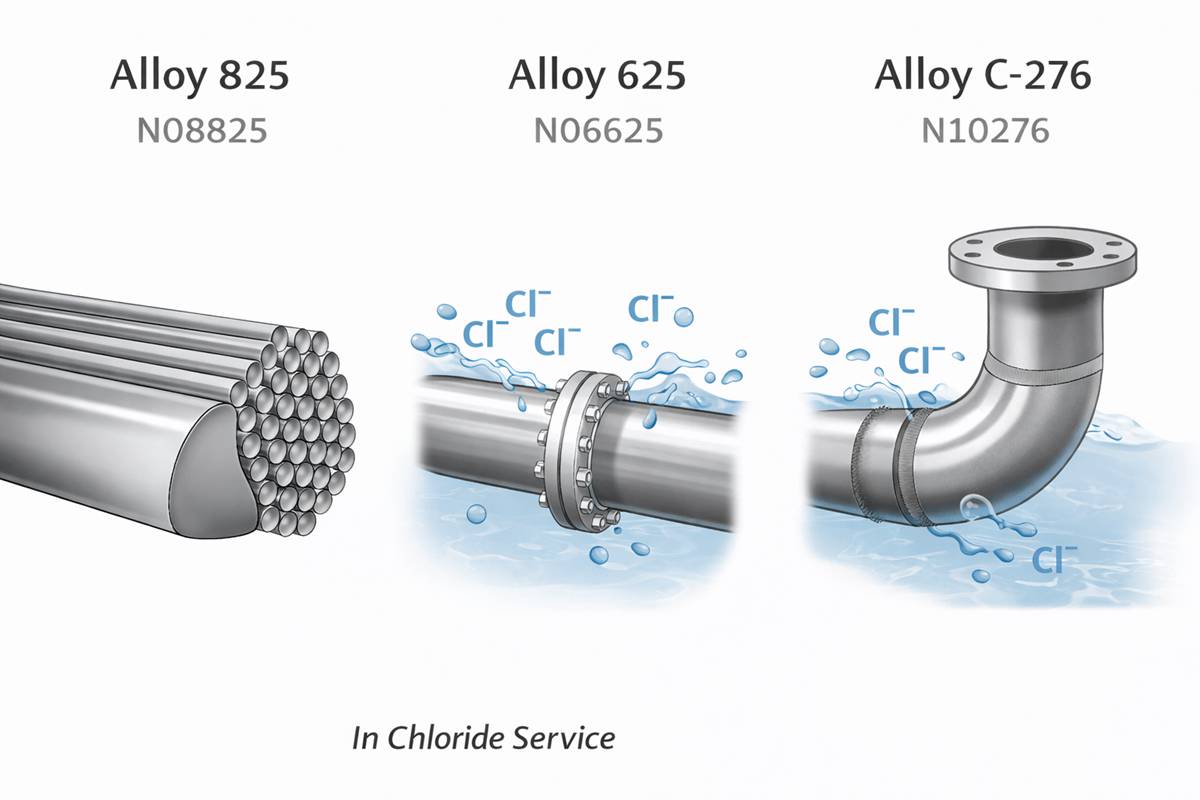
Во-вторых, поставщик должен понимать разницу между “общей коррозионной стойкостью” и “стойкостью к коррозии под напряжением (SCC)”. Например, сплав 825 часто является разумным инженерным решением в средах с умеренным содержанием хлоридов, особенно в тех случаях, когда также имеются кислотные условия эксплуатации или загрязнение серной кислотой. Однако в условиях более высоких температур и более окисляющих хлоридных сред многие инженеры отдают предпочтение сплавам 625, C-276 или C-22, поскольку они обладают более высоким запасом прочности против локализованной коррозии. A надежный поставщик никелевых сплавов для сред, подверженных коррозионному растрескиванию под напряжением (SCC) в хлоридной среде Следует говорить об этом открыто, а не навязывать одну оценку во всех заявках.
В-третьих, большое значение имеет качество изготовления. Даже прочный коррозионно-стойкий сплав может утратить свои свойства из-за чрезмерной холодной деформации, ненадлежащего контроля за процессом сварки, загрязнения железом при обращении на производстве или неправильного состояния после растворительного отжига. Для деталей, работающих под давлением, расширенных труб, формованных патрубков и сварных катушек остаточные напряжения — это не просто теоретический вопрос. Зачастую именно они являются скрытой причиной преждевременного растрескивания. Поставщик, который не может обсудить состояние изделия после изготовления, совместимость присадочного металла или удаление термического окрашивания сварного шва, на самом деле не обеспечивает надлежащую эксплуатацию в условиях хлоридной коррозии под напряжением.
Прежде чем оформить заказ на поставку, уточните у поставщика, какие данные о услугах ему от вас требуются. Если в ответ вы услышите только “диаметр и количество”, это должно вас насторожить. A надежный поставщик никелевых сплавов для сред, подверженных коррозионному растрескиванию под напряжением (SCC) в хлоридной среде следует уточнить фактическую концентрацию хлоридов, максимальную температуру металла, условия формовки, наличие окислителей, режим течения, содержание твердых частиц, а также наличие в детали зон холодной деформации или зон с высокой степенью сдерживания при сварке.
| Марка сплава | UNS | Типичные места возникновения хлоридной коррозии под напряжением (SCC) | Практические сильные стороны | Основные меры предосторожности | Что должен предоставить поставщик |
|---|---|---|---|---|---|
| Сплав 825 | N08825 | Подходит для эксплуатации в условиях умеренного содержания хлоридов при наличии риска смешанной коррозии | Хорошая всесторонняя коррозионная стойкость, применимость во многих химических технологических процессах, приемлемые технологические характеристики при изготовлении | Не является оптимальным выбором для работы с очень горячими, сильно окисляющими хлоридами, при использовании которых существует высокий риск образования щелевой коррозии | MTC, протоколы термообработки, PMI, рекомендации по сварке, примечания о пределах применения |
| Сплав 625 | N06625 | Отличный вариант для многих систем, содержащих хлорид | Высокое содержание никеля обеспечивает устойчивость к коррозии под напряжением; хром и молибден повышают стойкость к точечной и щелевой коррозии; хорошая свариваемость | Дела, находящиеся в затяжном состоянии, и случаи с серьезными нарушениями по-прежнему требуют пересмотра | MTC, подтверждение состояния отжига, рекомендации по расходным материалам для сварки, прослеживаемость |
| Сплав C-276 | N10276 | Рекомендуется для применения в условиях агрессивного воздействия горячих влажных хлоридов и смешанных химических веществ | Широкая коррозионная стойкость благодаря высокому содержанию молибдена; широко используется в условиях жестких технологических режимов | Более высокая стоимость, более длительные сроки выполнения заказов, по-прежнему требуется соблюдение технологического режима | Полная прослеживаемость, справочные данные по коррозии, контроль состояния поверхности, документация по поставкам |
| Сплав C-22 | N06022 | Отличный вариант для окисления хлоридов и сред, загрязнённых отбеливателем | Очень высокая стойкость к локальной коррозии в сложных химических средах | Высший сорт; при умеренной интенсивности эксплуатации возможна избыточная спецификация | Сертификация материалов, отслеживаемость партий по термической обработке, меры предосторожности при изготовлении, проверка области применения |
Как надежный поставщик никелевых сплавов для сред, подверженных коррозионному растрескиванию под действием хлоридов (SCC), должен проводить проверку качества материала
A надежный поставщик никелевых сплавов для сред, подверженных коррозионному растрескиванию под напряжением (SCC) в хлоридной среде следует быть готовыми перейти от рекламных формулировок к подтверждаемым металлургическим данным. Это означает полную прослеживаемость производства, проверку сертификата качества металла (MTC), идентификацию материала (PMI) и четкое указание условий поставки. В случае критически важных применений инженеры также должны уточнить, может ли поставщик обеспечить проведение испытаний, связанных с коррозией под напряжением (SCC), или, по крайней мере, согласовать логику квалификации. Общие формулировки, такие как “устойчив к хлоридам”, не являются техническим доказательством.
Во многих реальных проектах скрининг может включать в себя логику выявления с использованием U-образного изгиба или C-образного кольца, испытания образцов с учетом специфики конкретной установки или сравнение с известной историей эксплуатации, а не только опору на данные справочников. Для некоторых никель-хром-молибденовых сплавов также может быть актуальным скрининг на межкристаллитную коррозию и анализ микроструктуры, если история изготовления неясна. A надежный поставщик никелевых сплавов для сред, подверженных коррозионному растрескиванию под напряжением (SCC) в хлоридной среде Не будем делать вид, что один сертификат способен устранить все риски. В нем будут рассмотрены вопросы, связанные с состоянием под нагрузкой, историей ремонта сварных швов, а также тем, приводит ли геометрия детали к образованию зон застоя с повышенной концентрацией хлоридов.
Именно здесь коммерческая надежность превращается в техническую надежность. Если поставщик не может обеспечить стабильность качества от партии к партии, правильно определить замещающие марки или контролировать документацию по листам, трубам, пруткам и сварочным материалам, то запас прочности по коррозии, указанный на бумаге, может так и не проявиться в реальных условиях эксплуатации. При эксплуатации в хлоридной среде важны даже мельчайшие детали. Неправильный заменитель, неправильный вид отжига или неправильный присадочный материал могут на удивление быстро свести на нет преимущества высококачественного сплава.
Заключение
При эксплуатации в условиях хлоридной коррозии под действием самоусиливающегося растрескивания (SCC) закупка материалов должна исходить из механизма этого явления, а не из наличия на складе. Идеальный партнер — это не просто поставщик с самыми низкими ценами, а тот, кто понимает, как никель, хром, молибден, напряжения, возникающие при изготовлении, и химический состав установки взаимодействуют в реальных условиях эксплуатации. A надежный поставщик никелевых сплавов для сред, подверженных коррозионному растрескиванию под напряжением (SCC) в хлоридной среде должно помочь вам определить безопасные рабочие границы, а не просто поставлять металл.
В компании 28Nickel техническое обсуждение обычно начинается с нескольких базовых вопросов: содержание хлоридов, максимальная температура, окисляющие примеси, условия нагрузки, форма изделия и детали сварных соединений. Этого часто бывает достаточно, чтобы определить, подходит ли сплав 825, обеспечивает ли сплав 625 оптимальный баланс или же C-276 / C-22 является более обоснованным выбором. Если ваша команда оценивает надежный поставщик никелевых сплавов для сред, подверженных коррозионному растрескиванию под напряжением (SCC) в хлоридной среде, то лучшим следующим шагом будет анализ на основе качества услуг, а не просто сравнение цен.
Связанные вопросы и ответы
1. Является ли сплав 625 всегда лучшим выбором для сред, в которых возникает хлоридная коррозия под напряжением (SCC)?
Не всегда. Сплав 625 является очень подходящим вариантом благодаря высокому содержанию никеля и хорошей стойкости к точечной и щелевой коррозии, однако определение “лучшего” варианта зависит от температуры, окислителей, отложений и степени выраженности щелевой коррозии. В условиях более агрессивных окисляющих хлоридов сплавы C-22 или C-276 могут обеспечить более широкий запас прочности.
2. Почему нержавеющая сталь подвержена коррозионному растрескиванию под действием хлоридов (SCC), в то время как никелевые сплавы остаются устойчивыми к этому явлению?
Аустенитные нержавеющие стали более подвержены растрескиванию под действием хлоридов при наличии растягивающего напряжения и повышенной температуры. Сплавы с высоким содержанием никеля, как правило, обладают большей устойчивостью к этому механизму, особенно в сочетании с достаточным содержанием хрома и молибдена, что позволяет сдерживать локальную коррозию, которая часто предшествует растрескиванию.
3. О чем покупателям следует поинтересоваться у поставщика перед заказом никелевого сплава для горячих хлоридов?
Запросите подтверждение класса по стандарту UNS, условия поставки, отчеты о термообработке, результаты анализа материалов (PMI), полную прослеживаемость, рекомендации по сварке, а также замечания по эксплуатационной пригодности с учетом уровня хлоридов, температуры, окисляющих веществ и режима напряжений. Эти ответы зачастую показывают, действительно ли поставщик понимает риск коррозионного растрескивания под напряжением (SCC), связанного с хлоридами.