











When selecting materials for critical industrial applications, engineers prioritize reliability under duress. At 28Nickel, we understand that the backbone of high-performance engineering lies in the nickel alloy mechanical properties. These alloys are not merely “corrosion-resistant steels”; they are complex metallurgical solutions designed to maintain structural integrity where other metals fail. From aerospace turbines to deep-sea oil extraction, the unique combination of strength, ductility, and thermal stability defines their value. Understanding these properties is essential for optimizing component lifespan and safety in extreme environments.
The Foundation of Nickel Alloy Mechanical Properties
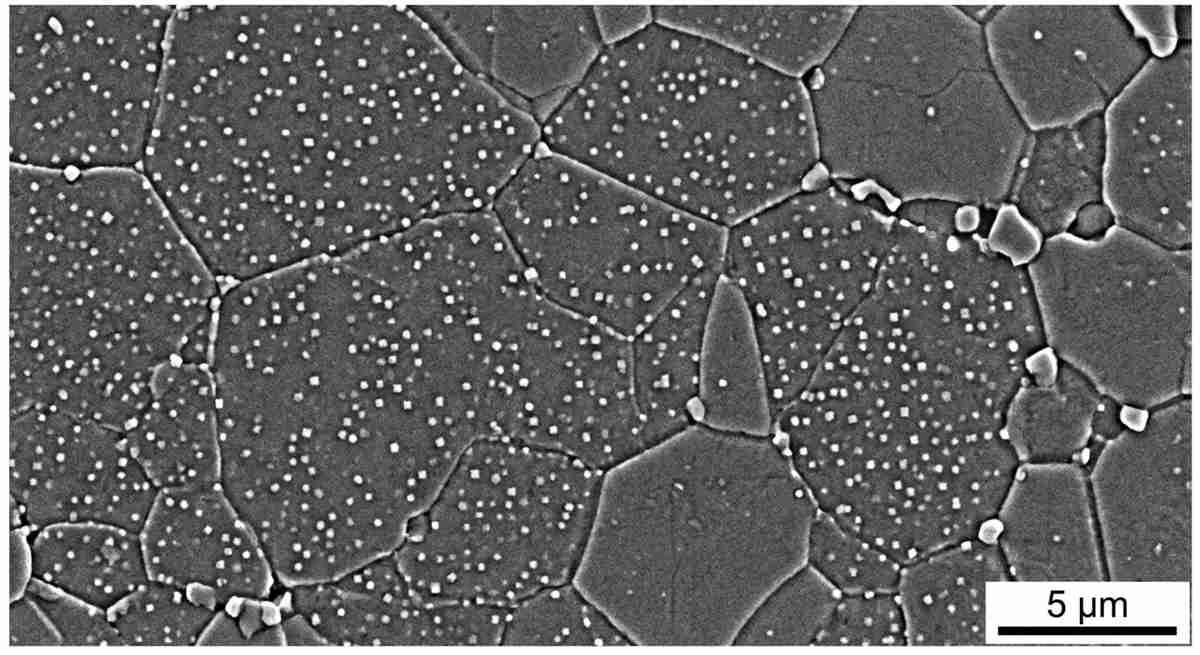
The exceptional nature of nickel alloy mechanical properties stems from the face-centered cubic (FCC) crystal structure of nickel. This atomic arrangement remains stable from cryogenic temperatures up to the melting point. Unlike ferritic steels, which undergo a ductile-to-brittle transition at low temperatures, nickel alloys remain tough and malleable.
However, the “magic” happens through alloying. By adding elements like Chromium, Molybdenum, and Cobalt, we can manipulate the nickel alloy mechanical properties to suit specific needs. For instance, solid-solution strengthening and precipitation hardening (aging) are two primary methods used to elevate yield strength without compromising corrosion resistance.
Tensile Strength and Yield Strength
In the realm of nickel alloy mechanical properties, tensile strength is perhaps the most cited metric. It represents the maximum stress a material can withstand while being stretched. Inconel 718, for example, utilizes niobium and titanium to form gamma prime () precipitates, resulting in a tensile strength that can exceed 1300 MPa.
Yield strength—the point at which permanent deformation begins—is equally critical. In high-pressure chemical reactors, maintaining high yield strength at elevated temperatures is what prevents catastrophic vessel failure.
High-Temperature Creep Resistance
One of the most impressive nickel alloy mechanical properties is creep resistance. Creep is the tendency of a solid material to move slowly or deform permanently under the influence of persistent mechanical stresses. While standard stainless steels may “sag” or deform at 600°C, nickel-based superalloys thrive. This is why they are the gold standard for jet engine blades, where centrifugal forces and heat would otherwise cause rapid deformation.
Comparative Data of Common Nickel Alloys
To better understand the variance in nickel alloy mechanical properties, consider the following comparison of popular grades:
| Alloy Grade | Tensile Strength (MPa) | Yield Strength (0.2% Offset, MPa) | Elongation (%) | Hardness (Rockwell B/C) |
| Monel 400 | 550 | 240 | 40 | 75 RB |
| Inconel 625 | 830 | 410 | 30 | 95 RB |
| Inconel 718 | 1240 | 1035 | 12 | 36 RC |
| Hastelloy C-276 | 790 | 355 | 40 | 90 RB |
Ductility and Fatigue Resistance
Ductility is a measure of a material’s ability to undergo significant plastic deformation before rupture. High ductility in nickel alloy mechanical properties allows for complex forming and welding processes. Furthermore, fatigue resistance—the ability to withstand cyclic loading—is a hallmark of these alloys. In maritime environments, where wave action creates constant vibration, the fatigue strength of Monel or Inconel ensures long-term operational safety.
Impact of Processing on Nickel Alloy Mechanical Properties
It is important to note that nickel alloy mechanical properties are not just a result of chemistry; they are heavily influenced by processing. Cold working increases hardness and strength through strain hardening, while annealing can restore ductility. At 28Nickel, we emphasize the importance of precise heat treatment cycles, as even a slight deviation in cooling rates can alter the grain size and significantly impact the final mechanical performance.
Conclusion
Mastering the nuances of nickel alloy mechanical properties allows industries to push the boundaries of what is possible. Whether you are dealing with the intense pressures of the oil and gas sector or the searing heat of aerospace, choosing the right alloy grade is a technical necessity.
Related Q&A
Q1: How does temperature affect nickel alloy mechanical properties?
Unlike many metals that become brittle in the cold or soft in the heat, nickel alloys maintain high toughness at cryogenic temperatures and exceptional creep strength at red-hot temperatures (up to 800°C+).
Q2: Which alloying element has the biggest impact on strength?
Niobium and Titanium are pivotal for precipitation-strengthening (as seen in Inconel 718), while Molybdenum and Tungsten primarily enhance solid-solution strength and resistance to localized deformation.
Q3: Are these properties consistent across cast and wrought forms?
Generally, wrought (worked) alloys exhibit better fatigue resistance and ductility due to a more refined grain structure, while cast alloys are often preferred for complex shapes in high-heat applications where creep resistance is the priority.