











When it comes to extreme environments, engineers frequently turn to nickel-chromium-based superalloys. Understanding inconel alloy mechanical properties is essential for industries ranging from aerospace to deep-sea oil extraction, where material failure is not an option. At 28Nickel, we recognize that the specific performance of these alloys under stress and high temperatures dictates the safety and efficiency of your projects. In this guide, we analyze the core mechanical characteristics that make Inconel a dominant force in the high-performance material market.
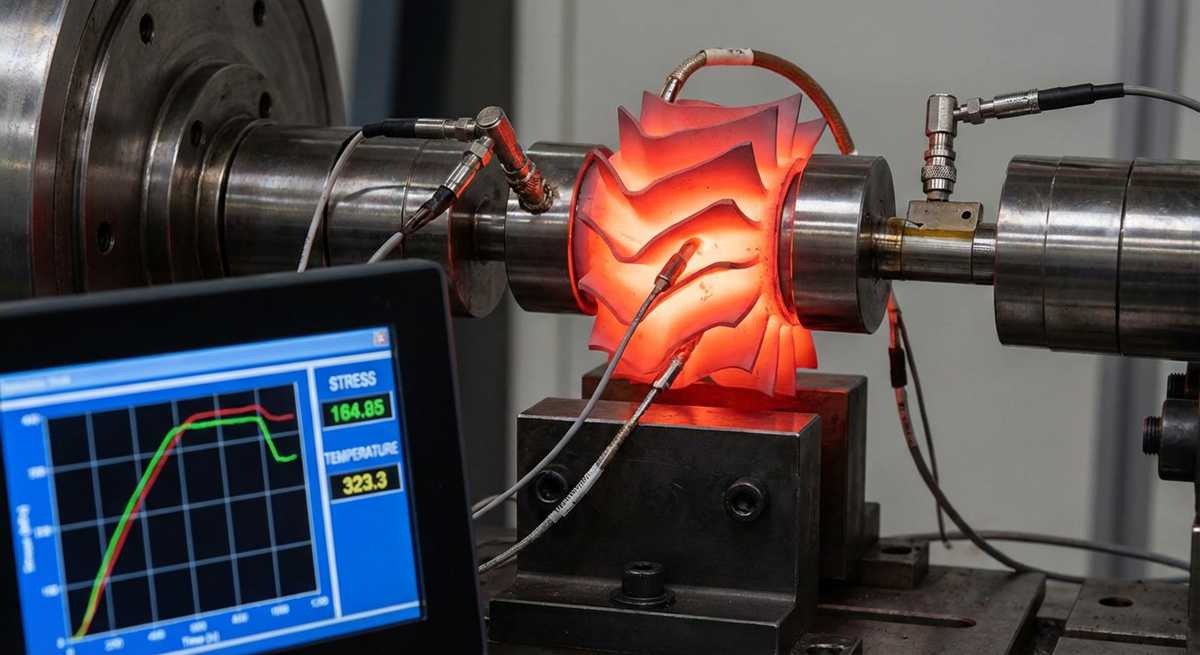
Core Indicators of Inconel Alloy Mechanical Properties
The reputation of Inconel stems from its ability to maintain structural integrity where other metals soften or oxidize. To evaluate inconel alloy mechanical properties effectively, one must look beyond room-temperature data.
-
Tensile and Yield Strength: Unlike standard stainless steels, Inconel alloys exhibit incredibly high yield strength. For instance, Inconel 718, a precipitation-hardened grade, can reach a yield strength exceeding 1,000 MPa (150 ksi).
-
Ductility and Elongation: Even with high strength, these alloys maintain excellent ductility. This ensures the material can undergo significant deformation before fracturing, providing a safety buffer in high-pressure applications.
-
Fatigue Resistance: Inconel is prized for its high cycle fatigue strength. This is particularly crucial in turbine blades and reciprocating engine components that experience constant vibrational stress.
Temperature Impact on Inconel Alloy Mechanical Properties
The “super” in superalloy refers primarily to temperature stability. Most metals experience a sharp decline in mechanical performance as they approach their melting point. However, the inconel alloy mechanical properties remain remarkably stable from cryogenic temperatures up to () and beyond.
At elevated temperatures, Inconel forms a thick, stable, passivating oxide layer that protects the surface from further attack. Mechanically, the presence of alloying elements like Niobium and Molybdenum creates a “gamma prime” () or “gamma double-prime” () precipitate phase, which effectively pins dislocations and prevents the metal from “creeping” or deforming over time.
Comparison of Popular Inconel Grades
Different applications require specific balances of the inconel alloy mechanical properties. Below is a comparison of the most common grades provided by 28Nickel:
| Alloy Grade | Tensile Strength (MPa) | Yield Strength (0.2% Offset, MPa) | Elongation (%) | Hardness (Brinell) | Key Feature |
| Inconel 600 | 550 – 690 | 240 – 310 | 35 – 55 | 120 – 170 | High oxidation resistance |
| Inconel 625 | 827 – 1030 | 414 – 655 | 30 – 50 | 175 – 240 | Excellent fatigue & pitting resistance |
| Inconel 718 | 1240 – 1450 | 1030 – 1200 | 12 – 25 | 330 – 400 | Exceptional high-temp strength |
| Inconel X-750 | 1100 – 1250 | 700 – 900 | 15 – 30 | 300 – 350 | Great relaxation resistance |
Creep and Rupture Strength
For long-term industrial use, creep—the tendency of a solid material to move slowly or deform permanently under the influence of persistent mechanical stresses—is a vital part of inconel alloy mechanical properties.
Inconel alloys are engineered for high “stress-rupture” life. In gas turbines, components are subjected to massive centrifugal forces while operating at white-hot temperatures. Alloys like Inconel 718 are specifically treated to resist this grain-boundary sliding, ensuring that the engine remains operational for thousands of hours without the parts stretching out of tolerance.
Processing Effects on Mechanical Performance
It is important to note that inconel alloy mechanical properties are not just a result of chemistry but also of heat treatment.
-
Solution Annealing: This process maximizes corrosion resistance and ductility but results in lower hardness.
-
Precipitation Hardening (Age Hardening): Used for grades like 718 and X-750, this process significantly boosts the inconel alloy mechanical properties related to strength and hardness by creating controlled “impurities” that block atomic-level movement.
At 28Nickel, we provide customized heat treatment advice to ensure the alloy you receive is optimized for your specific mechanical requirements.
Related Q&A
Q1: Which Inconel grade has the best mechanical properties for marine environments?
A: Inconel 625 is generally preferred. While 718 is stronger, 625 offers a superior balance of tensile strength and exceptional resistance to chloride-ion stress corrosion cracking and pitting, which is vital for seawater exposure.
Q2: Can Inconel alloy mechanical properties be maintained at cryogenic temperatures?
A: Yes. Unlike many carbon steels that become brittle at low temperatures, Inconel (especially 625 and 718) retains its toughness and ductility even in cryogenic conditions, making them suitable for liquid oxygen and LNG applications.
Q3: How does machining affect the mechanical integrity of Inconel?
A: Inconel work-hardens rapidly. Improper machining can create localized stress zones or “skin” hardness that can lead to premature fatigue failure. We recommend using heavy-duty equipment and ceramic inserts to maintain the material’s intended inconel alloy mechanical properties.