










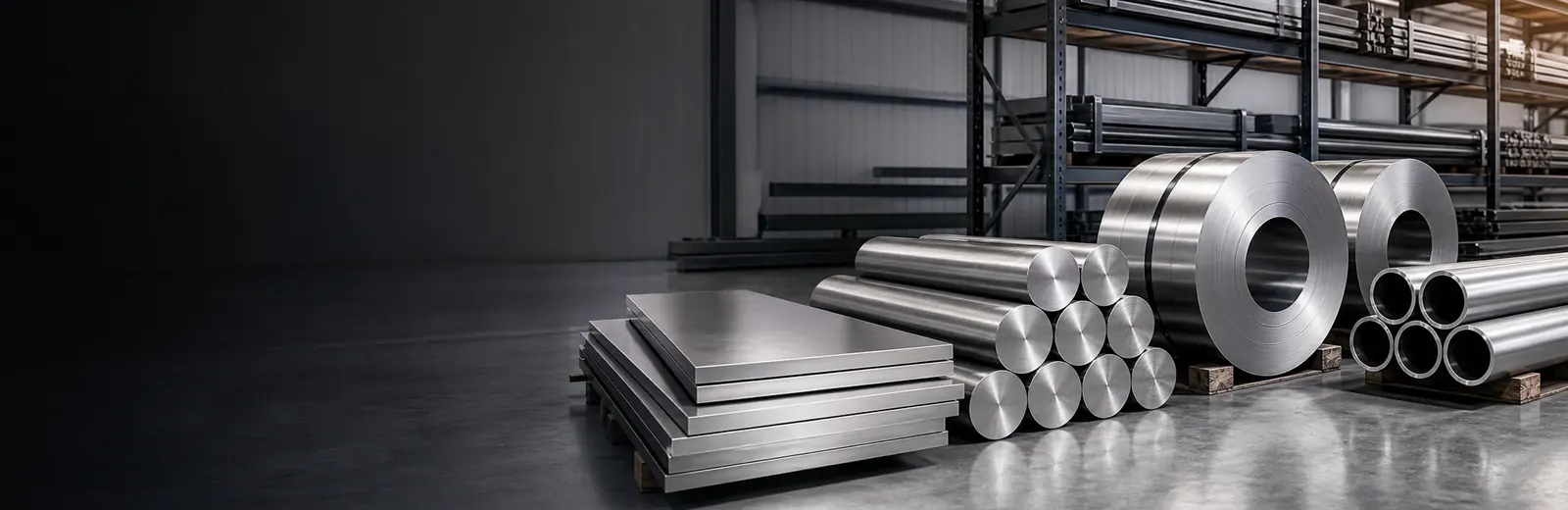
Engineers designing fluid handling systems for aggressive chloride environments constantly battle stress corrosion cracking (SCC) and localized pitting. When specifying materials like Inconel 625 or Hastelloy C-276, the metallurgical integrity of the base material is non-negotiable. Sourcing from a highly capable nickel alloy manufacturer China has become a strategic engineering decision rather than a mere cost-saving exercise. Today’s critical applications in petrochemical processing, flue gas desulfurization, and offshore oil recovery demand strict adherence to ASTM B446 or B574 standards. The focus must remain firmly on the microscopic grain structure, precise control of deleterious trace elements, and exacting thermo-mechanical processing. At 28Nickel, we understand that a fractional deviation in molybdenum or tungsten content can drastically alter the Pitting Resistance Equivalent Number (PREN), leading to catastrophic failure in sour gas environments. How exactly do advanced production facilities maintain this critical microstructural stability during large-scale forging?
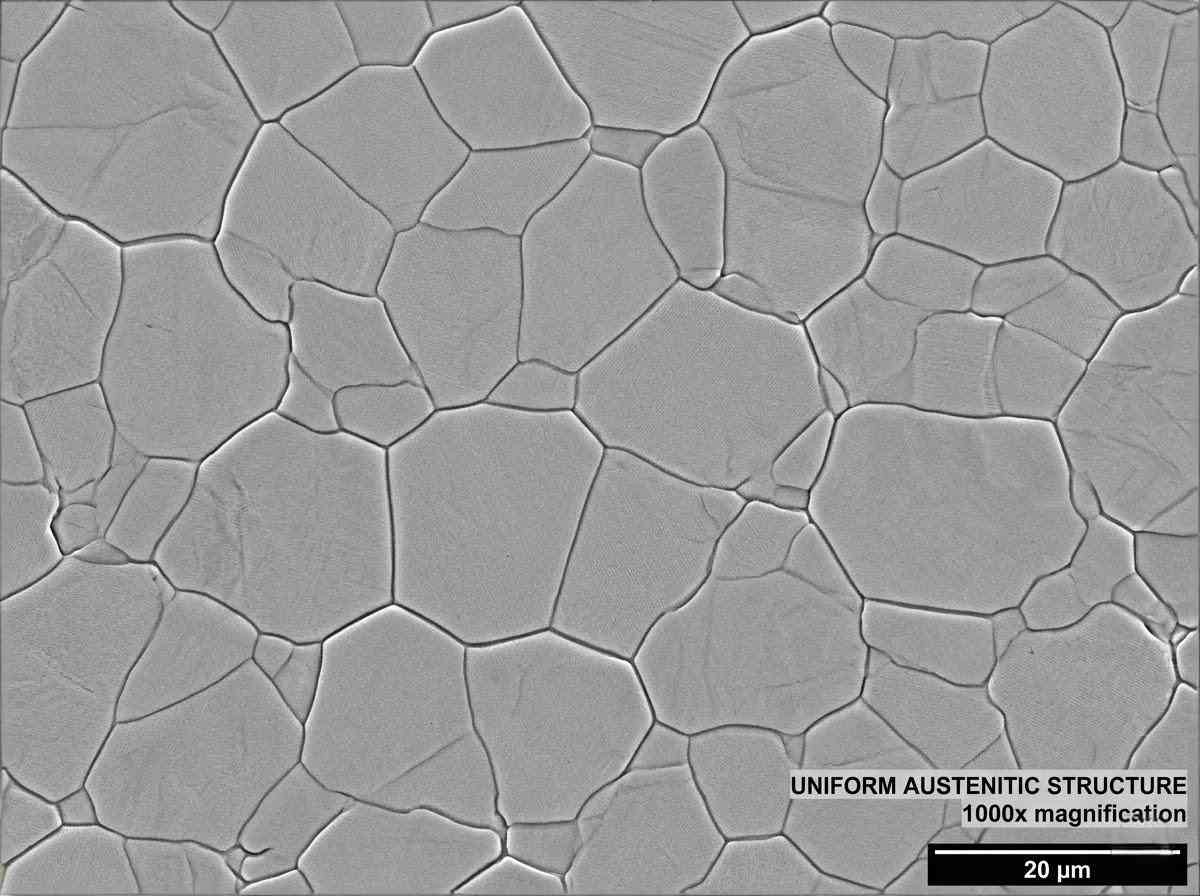
The foundation of any high-performance superalloy lies in the primary melting and secondary refining phases. Understanding how a nickel alloy manufacturer China refines the melt is crucial for predicting long-term material behavior. Vacuum Induction Melting (VIM) followed by Electroslag Remelting (ESR) is standard practice, but the true differentiation lies in the precise desulfurization and deoxidation protocols. A premier nickel alloy manufacturer China focuses heavily on mitigating tramp elements such as sulfur, phosphorus, and lead. These elements, even at parts-per-million levels, segregate to grain boundaries during solidification. This segregation severely compromises hot workability and accelerates intergranular corrosion under high-stress conditions.
Consider the production metallurgy of Alloy C-276 (UNS N10276). To maintain its exceptional resistance to a wide range of chemical process environments, including strong oxidizers like ferric and cupric chlorides, the chromium, molybdenum, and tungsten ratios must be tightly controlled within a narrow tolerance band. The carbon and silicon fractions must be kept exceptionally low to minimize the precipitation of grain boundary carbides during subsequent autogenous welding operations. This metallurgical precision prevents the heat-affected zone (HAZ) from becoming a localized corrosion initiation site.
| Alloying Element | ASTM N10276 Requirement | 28Nickel Strict Target | Impact on Microstructural Performance |
| Carbon (C) | 0.010% Max | ≤ 0.005% | Prevents chromium carbide precipitation in the HAZ during welding. |
| Silicon (Si) | 0.08% Max | ≤ 0.04% | Reduces susceptibility to deleterious intermetallic phase formation. |
| Sulfur (S) | 0.030% Max | ≤ 0.005% | Enhances hot ductility and eliminates intergranular embrittlement. |
| Molybdenum (Mo) | 15.0 – 17.0% | 16.0 – 16.5% | Optimizes PREN for maximum resistance to pitting and crevice corrosion. |
Beyond the melt, the subsequent forging and heat treatment cycles govern the final mechanical properties and phase stability. A sophisticated nickel alloy manufacturer China utilizes advanced thermo-mechanical simulation to dictate exact forging temperatures and strain rates. Nickel-based superalloys exhibit narrow hot-working windows. If the forging temperature drops below the recrystallization threshold, massive dislocation buildup occurs, increasing the susceptibility to internal cracking. Conversely, excessive heat leads to severe grain coarsening, which degrades both ambient yield strength and high-temperature fatigue life.
Solution annealing must be executed with an exceptionally rapid quench to ensure a single-phase austenitic structure. Delayed cooling through the sensitization temperature range (typically 600°C to 900°C) allows for the precipitation of Mu-phase or topologically close-packed (TCP) phases. These brittle intermetallic compounds deplete the surrounding matrix of critical corrosion-resistant elements like molybdenum and tungsten. Rigorous control of the cooling rate is what separates a commercially acceptable product from a truly failure-resistant component designed for decades of severe service.
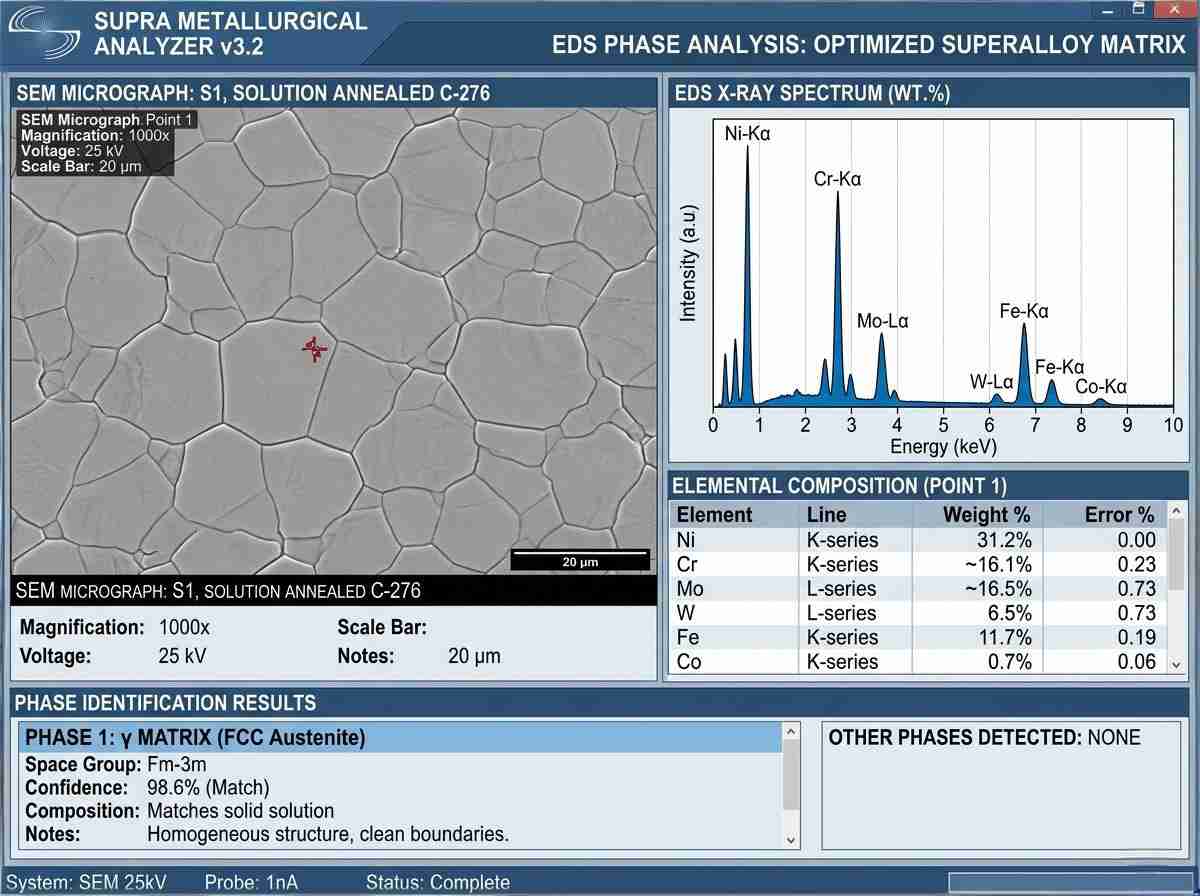
Quality assurance in this sector goes far beyond basic ambient tensile testing. For engineers designing high-pressure vessels or subsea manifolds, verifiable corrosion resistance data is the absolute primary metric of reliability. When evaluating a nickel alloy manufacturer China, one must scrutinize their destructive testing protocols for ASTM G28 (intergranular corrosion susceptibility) and ASTM G48 (pitting and crevice corrosion).
For instance, testing Alloy 625 (UNS N06625) under ASTM G48 Method C at elevated temperatures will quickly expose any macro-segregation or improper thermal processing. A high-quality homogeneous matrix will exhibit zero pitting at temperatures exceeding 40°C in an aggressive ferric chloride solution. Furthermore, elevated temperature tensile testing and stress rupture data provide essential confidence in the material’s structural integrity under operational creep conditions. The role of metallurgical engineers at 28Nickel is to interpret these specific diagnostic data points, ensuring the selected alloy grade precisely matches the specific degradation mechanisms of your targeted application.
Material selection in severe fluid environments leaves no room for guesswork or assumptions. The operational lifecycle of your critical equipment depends entirely on the microstructural purity and phase stability achieved during raw material production. Partnering with a technically proficient nickel alloy manufacturer China ensures that complex metallurgical challenges are addressed systematically before component fabrication even begins. Our engineering team at 28Nickel is ready to analyze your specific environmental parameters, operating temperatures, and stress profiles to recommend the optimal alloy chemistry. Contact our metallurgical specialists today to secure the precise material data needed for your next high-stress engineering application.
Related Q&A
Q: How does a nickel alloy manufacturer China prevent mu-phase precipitation in high-molybdenum alloys?
A: Prevention requires strict adherence to solution annealing temperatures (typically above 1120°C for alloys like UNS N10276) followed by an immediate, rapid water quench. This rapid cooling prevents the material from lingering in the critical sensitization range where detrimental topologically close-packed (TCP) phases form, preserving both deep-draw ductility and localized corrosion resistance.
Q: Why is the VIM-ESR dual melting process critical for subsea nickel alloy applications?
A: When a nickel alloy manufacturer China utilizes Vacuum Induction Melting (VIM), it controls the primary chemistry and eliminates dissolved atmospheric gases. The subsequent Electroslag Remelting (ESR) acts as a directional solidification and refining process, filtering out non-metallic inclusions and minimizing micro-segregation. This results in a highly homogeneous crystalline structure essential for resisting hydrogen embrittlement and chloride stress corrosion cracking.
Q: What specific testing should I demand when specifying UNS N06625 from a nickel alloy manufacturer China?
A: Beyond standard ASTM B446 mechanical requirements, specify ASTM G28 Method A to verify resistance to intergranular corrosion, ensuring the material was properly solution-annealed. Additionally, requesting microstructural examination per ASTM E112 confirms an optimal grain size (typically ASTM No. 4 to 7), which perfectly balances mechanical fatigue strength with long-term creep resistance.