Nickel is a powerhouse metal in modern industry. Known for its silver-white appearance and exceptional processing capabilities, Pure Nickel (defined as alloys containing greater than 99% nickel) is a critical material for engineers and manufacturers.From high-temperature oxidation resistance to superior corrosion resistance, pure nickel serves as the backbone for everything from chemical reactors to precision electronics.
1. Classification of Pure Nickel
Pure nickel is not a “one size fits all” material. It is categorized based on purity levels and manufacturing methods to suit specific industrial needs.
Commercial Pure Nickel (CP Ni)
Often referred to as electrolytic nickel or electroplating nickel, this is the most common form found in the market.
-
Purity: Typically exceeds 99.9%.
-
Key Traits: Excellent ductility and corrosion resistance.
-
Applications: General chemical equipment and standard electronic components.
High-Purity Nickel
When standard purity isn’t enough, high-purity nickel is used to minimize impurities that could interfere with sensitive processes.
-
Purity: Typically exceeds 99.99%.
-
Applications: Utilized in high-stakes environments such as precision instruments, aerospace engineering, and advanced research sectors.
Wrought (Processing) Pure Nickel
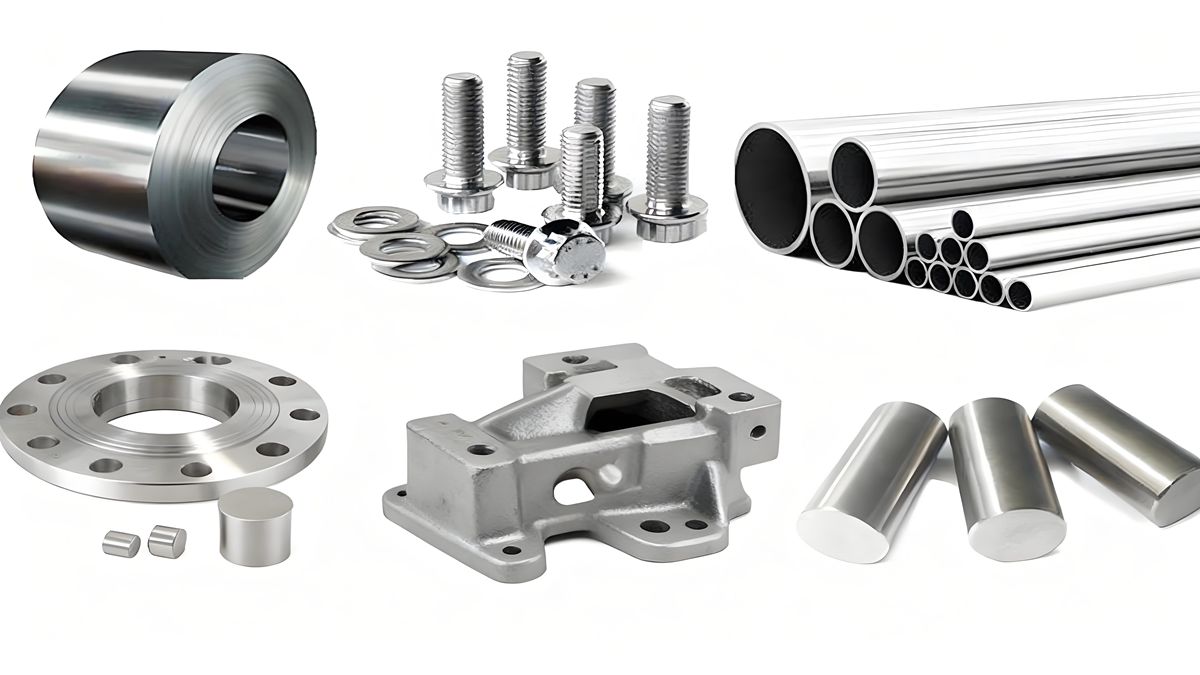
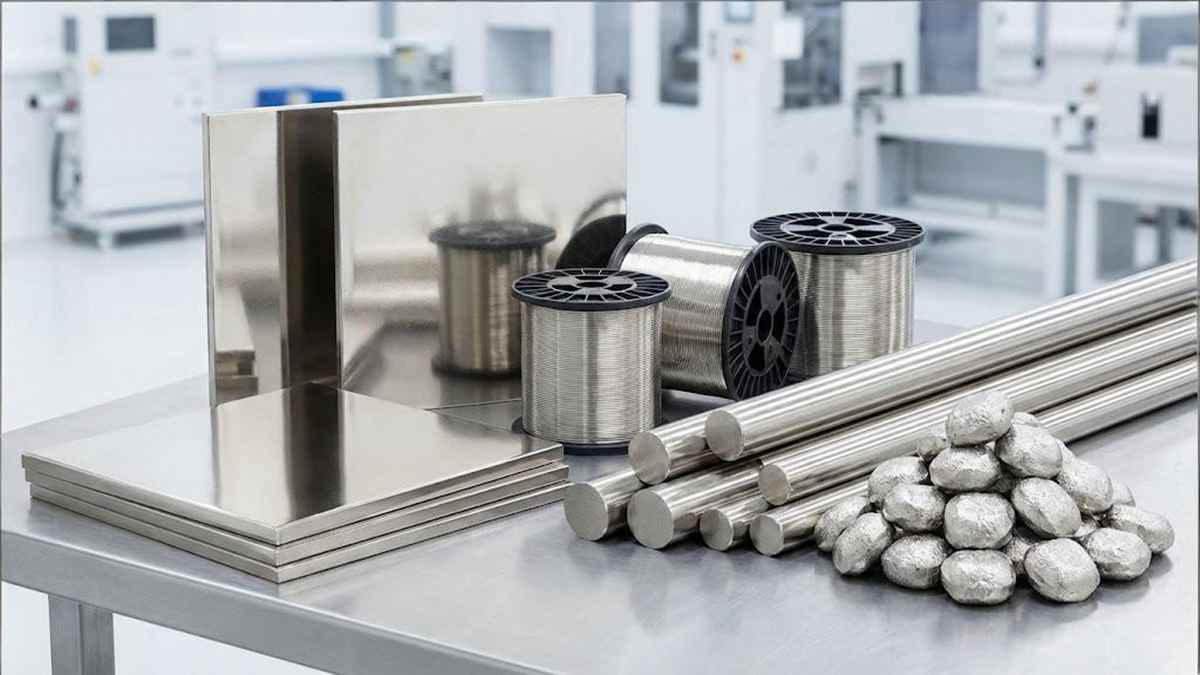
This category is classified by specific grades (such as N2, N4, N6, N8) based on chemical composition and physical properties. These grades differ in available forms (plates, strips, foils, tubes, rods, wires) and specific capabilities.
Two of the most distinct grades include:
-
N4 Pure Nickel: Known for excellent ductility and plasticity. It is easily processed into complex shapes.
-
Best for: Chemical equipment, food processing machinery, and electronic components requiring high corrosion resistance.
-
-
N6 Pure Nickel: Offers higher strength and hardness compared to N4.
-
Best for: Demanding environments, such as high-pressure chemical equipment, nuclear reactor components, and nuclear fuel containers.
-
2. Physical and Chemical Properties of Pure Nickel
Understanding the technical limitations and strengths of pure nickel is essential for material selection.
-
Melting Point: High melting point of approximately $1455^\circ\text{C}$.
-
Corrosion Resistance: It is arguably the best material for resisting corrosion from hot, concentrated alkali solutions. It remains chemically stable in the atmosphere, fresh water, sea water, and organic solvents.
-
Limitations: Pure nickel is not resistant to oxidizing acids or sulfur-containing gases at high temperatures.
3. Specialized Nickel Alloys
Beyond pure nickel, specific alloys are engineered to enhance certain characteristics, such as electrical resistance or strength in harsh environments.
Anode Nickel (Electrolytic Nickel)
This material is characterized by its pure texture and ability to prevent passivation.
-
Function: Used primarily as an anode in nickel plating tanks.
-
Performance: It dissolves uniformly, produces very little anode mud, and ensures the plating layer is smooth, evenly distributed, and firmly bonded to the substrate.
Nickel-Manganese Alloy
By adding manganese, the alloy gains significant improvements over pure nickel in specific conditions.
-
Key Traits: Higher strength at both room and high temperatures. It offers better resistance to sulfur-containing atmospheres and higher electrical resistivity than pure nickel.
-
Applications: Internal combustion engine spark plug electrodes, resistance lamp filaments, and electron tube grids.
Nickel-Copper Alloy (Monel)
Nickel-Copper alloys generally fall into two categories:
-
Non-Magnetic: Used for anti-magnetic structural parts.
-
Monel Type: A high-strength alloy with corrosion resistance similar to nickel and copper, but with a unique advantage.
-
Key Feature: Exceptional resistance to Hydrofluoric Acid (HF).
-
Temperature Stability: Can be used stably in the atmosphere up to $750^\circ\text{C}$ and maintains strength below $500^\circ\text{C}$.
-
Applications: High-strength/high-corrosion parts, high-voltage oil-filled cables, fuel tanks, heating equipment, and medical devices.
-
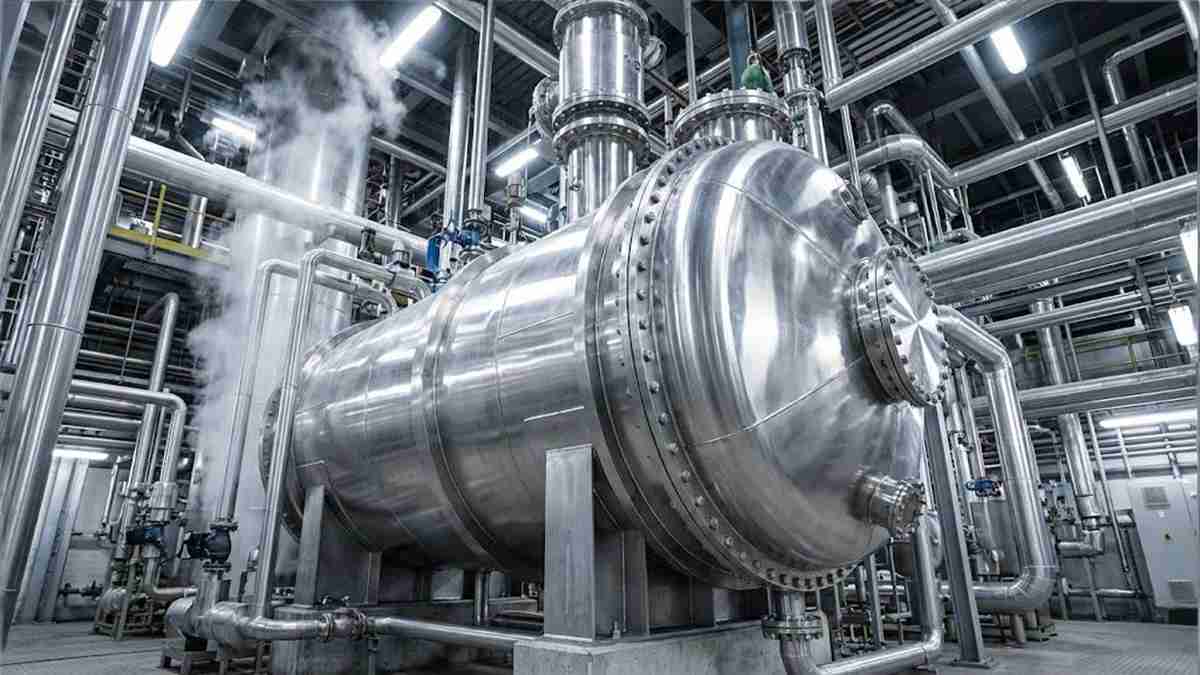
Whether it is the high ductility of N4 Pure Nickel for food processing or the rugged Hydrofluoric acid resistance of Nickel-Copper alloys, choosing the right grade is paramount for project success. Pure nickel’s ability to withstand extreme temperatures and corrosive alkali environments makes it an irreplaceable material in the chemical, nuclear, and electronic industries.