Operating metal components above 600°C introduces severe metallurgical challenges. Engineers constantly battle creep deformation, thermal fatigue, and severe oxidation. When designing gas turbine combustors, heat treating fixtures, or petrochemical reformers, the most common question we receive at 28Nickel is: which is the best nickel alloy for high temperature? The answer isn’t a single universal grade; it relies strictly on evaluating your specific operational parameters, including continuous stress loads, thermal cycling rates, and corrosive atmospheric conditions.
Metallurgical Mechanisms at Elevated Temperatures
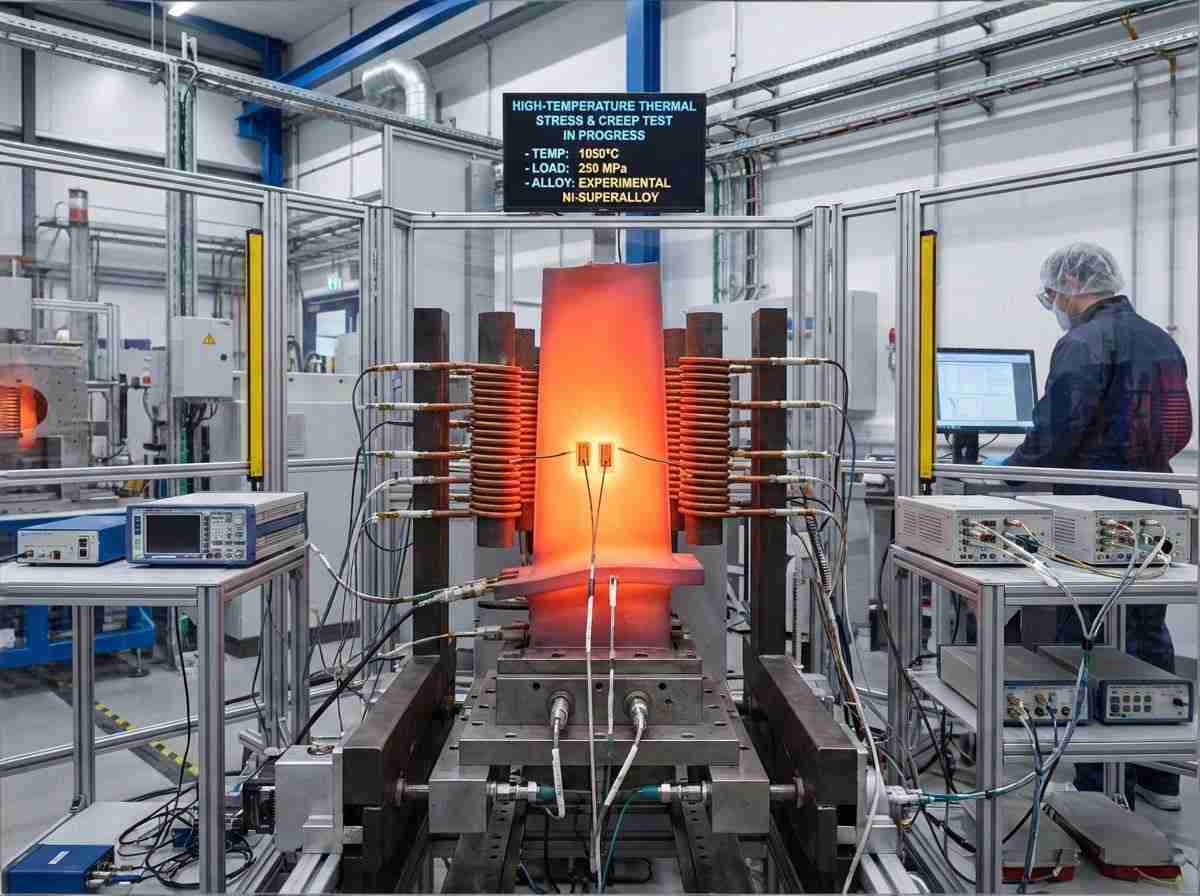
To determine a suitable material, an engineer must first understand how metals fail under extreme heat. At temperatures exceeding 0.4 times the absolute melting point (the homologous temperature), grain boundary sliding becomes the primary mechanism for structural creep. Furthermore, oxygen aggressively attacks the metal matrix, forming brittle oxide scales that eventually spall off during thermal cycling, reducing the effective cross-sectional area of the component.
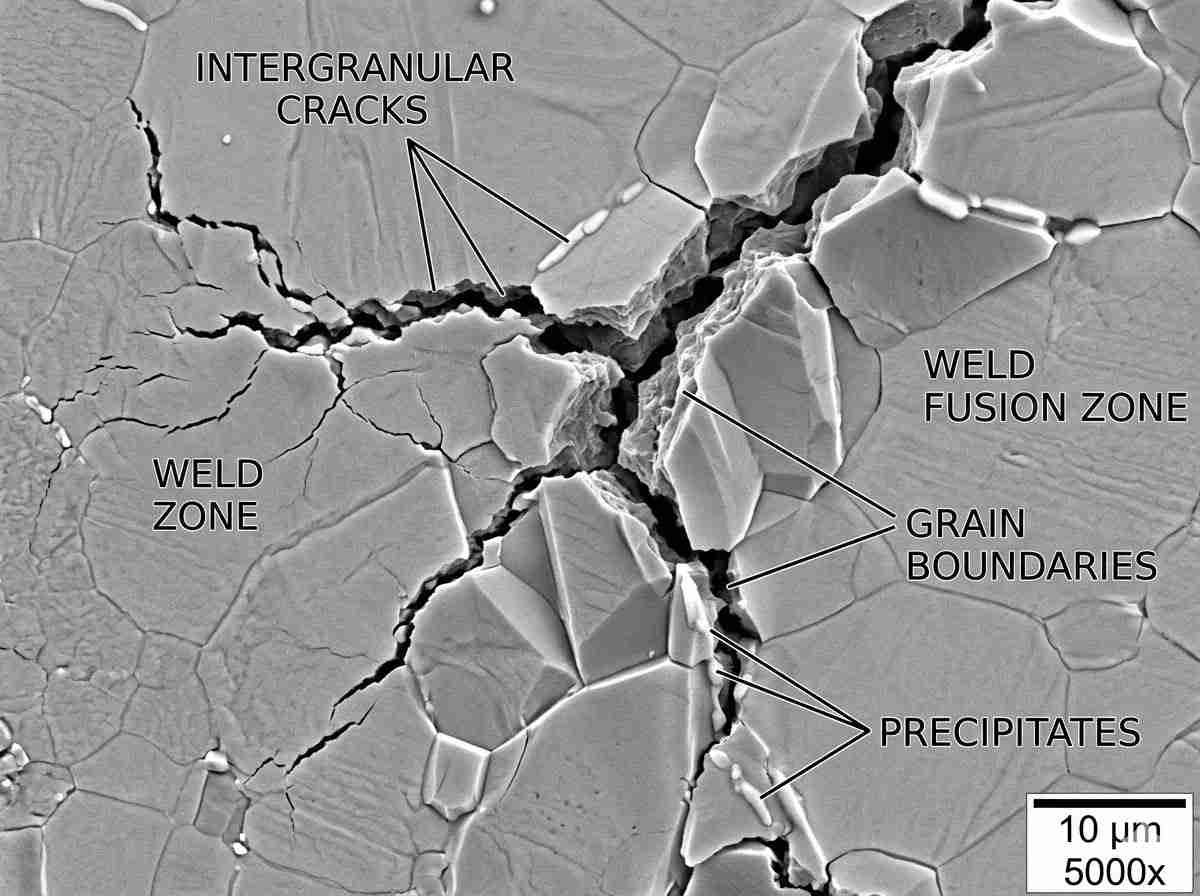
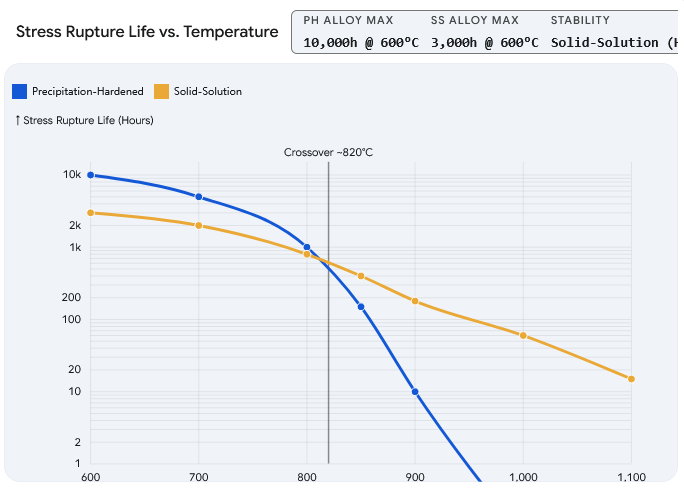
The secret to a superior high-temperature nickel alloy lies in its matrix stabilization. Solid solution strengthening elements, such as molybdenum and tungsten, expand the atomic lattice to impede dislocation movement. However, for applications involving both extreme heat and high mechanical stress, precipitation-hardened alloys are mandatory. These materials rely on the controlled precipitation of gamma prime (, Ni3(Al,Ti)) or gamma double prime (, Ni3Nb) phases. These intermetallic precipitates act as microscopic roadblocks, pinning grain boundaries and maintaining yield strength even when the surrounding environment exceeds 800°C.
Comparing High-Temperature Nickel Alloys
Selecting the optimal grade requires analyzing the precipitation kinetics and phase stability of the alloy under continuous exposure. Let us evaluate three dominant material categories.
Alloy 718: The 650°C Benchmark Inconel 718 is heavily utilized in aerospace engineering due to its exceptional weldability and high tensile strength. It achieves its strength through precipitation. However, it is rarely the best nickel alloy for high temperature applications exceeding 650°C. Above this critical threshold, the metastable phase rapidly coarsens and transforms into the thermodynamically stable but mechanically useless delta () phase. This transformation leads to a catastrophic drop in stress-rupture strength.
Alloy 625: Superior Oxidation Resistance Unlike 718, Inconel 625 is primarily solid-solution strengthened by molybdenum and niobium. It provides excellent oxidation and carburization resistance up to 980°C. While it lacks the extreme yield strength of precipitation-hardened grades under high tensile stress, its structural stability makes it an excellent choice for exhaust systems and flare stacks where thermal cycling is severe but mechanical loads remain relatively moderate.
Alloy X (Hastelloy X): The Combustor Choice When engineers need prolonged exposure to 1200°C without significant structural load, Alloy X stands out. Its high chromium (22%) and iron (18%) content, combined with molybdenum, creates a highly stable austenitic matrix that heavily resists oxidation, reducing atmospheres, and high-temperature embrittlement.
| Alloy Grade (牌号) | Ni (%) | Cr (%) | Mo (%) | Al (%) | Ti (%) | 1000-Hour Stress Rupture Strength at 850°C(850°C下1000小时应力持久强度) |
| Alloy 718 | 50.0 – 55.0 | 17.0 – 21.0 | 2.8 – 3.3 | 0.2 – 0.8 | 0.65 – 1.15 | < 50 MPa (Not recommended / 不推荐) |
| Alloy 625 | 58.0 min | 20.0 – 23.0 | 8.0 – 10.0 | ≤ 0.4 | ≤ 0.4 | ~45 MPa |
| Alloy X | 47.0 (Bal) | 20.5 – 23.0 | 8.0 – 10.0 | — | — | ~40 MPa (Low load / 低载荷应用) |
| Waspaloy | 58.0 (Bal) | 18.0 – 21.0 | 3.5 – 5.0 | 1.2 – 1.5 | 2.75 – 3.25 | ~160 MPa (Precipitation hardened / 沉淀硬化) |
The Critical Role of Aluminum and Chromium
If your operational environment involves both high stress and severe oxidation at 900°C, you must evaluate grades with carefully balanced aluminum and chromium content. Chromium forms a protective (chromia) scale, which is highly effective up to approximately 950°C. However, above 1000°C, chromia oxidizes further into volatile , leading to rapid material loss.
This is where aluminum becomes a critical alloying element. Alloys heavily alloyed with aluminum, such as certain cast superalloys, form a continuous, highly adherent (alumina) scale. This alumina layer is thermodynamically stable at much higher temperatures and acts as an impenetrable barrier against further oxygen diffusion. Therefore, identifying the best nickel alloy for high temperature often means calculating the exact Cr/Al atomic ratio required to maintain surface integrity without compromising the internal volume fraction needed for creep resistance.
Engineering Assessment and Next Steps
Material failure at extreme heat is rarely caused by a single isolated variable. It is typically a complex interaction between thermal fatigue, stress rupture, and high-temperature environmental attack. Specifying the wrong material leads to premature component failure, hazardous conditions, and unacceptable operational downtime. Because the metallurgical variables are so complex, relying solely on basic vendor datasheets is insufficient for critical engineering designs.
At 28Nickel, our materials engineering team relies on decades of thermodynamic data and failure analysis to match the exact alloy chemistry to your specific operational conditions. If you are struggling with high-temperature degradation or designing a new thermal system, contact our engineering team to evaluate your specific stress profiles and environmental parameters. We provide the technical clarity required to make an informed, data-driven metallurgical decision.
Related Q&A
Q1: Why does Alloy 718 lose its mechanical strength abruptly above 650°C?
A1: Alloy 718 relies heavily on the metastable gamma double prime () phase for its high yield strength. At temperatures exceeding 650°C, thermal energy causes the precipitates to rapidly coarsen and transform into the orthorhombic delta () phase. This phase transformation depletes the metal matrix of its primary strengthening mechanism, resulting in a sudden and severe loss of high-temperature creep resistance.
Q2: How does grain size affect a high-temperature nickel alloy’s creep resistance?
A2: For high-temperature creep resistance, a larger macro grain size is generally preferred. Creep often occurs through grain boundary sliding and vacancy diffusion (Coble creep) at elevated temperatures. Larger grains equate to less total grain boundary area per unit volume. This significantly reduces the microscopic pathways available for high-temperature deformation and diffusion, thereby extending the rupture life of the component.
Q3: Can solid-solution strengthened alloys outperform precipitation-hardened superalloys at 1000°C?
A3: Yes, specifically under low-stress conditions. While precipitation-hardened alloys offer superior stress-rupture strength between 700°C and 850°C, their precipitates begin to dissolve or coarsen near 1000°C, compromising their structure. Solid-solution alloys like Hastelloy X or Inconel 617 maintain basic phase stability and rely on tough surface oxides for extreme heat endurance, making them structurally superior for low-load, extreme-temperature environments such as industrial furnace hardware.