In modern industrial applications, material degradation due to harsh environments is a critical challenge. The selection of a robust material that can withstand chemical attack and extreme temperatures is paramount for ensuring operational integrity and longevity. A premier corrosion resistant nickel alloy is engineered for this very purpose, offering unparalleled performance where lesser metals would fail.These alloys, with nickel as the principal element, are fortified with other metals like chromium, molybdenum, and copper to enhance specific properties, making them indispensable in sectors ranging from aerospace to chemical processing.
Understanding the Superiority of a Corrosion Resistant Nickel Alloy
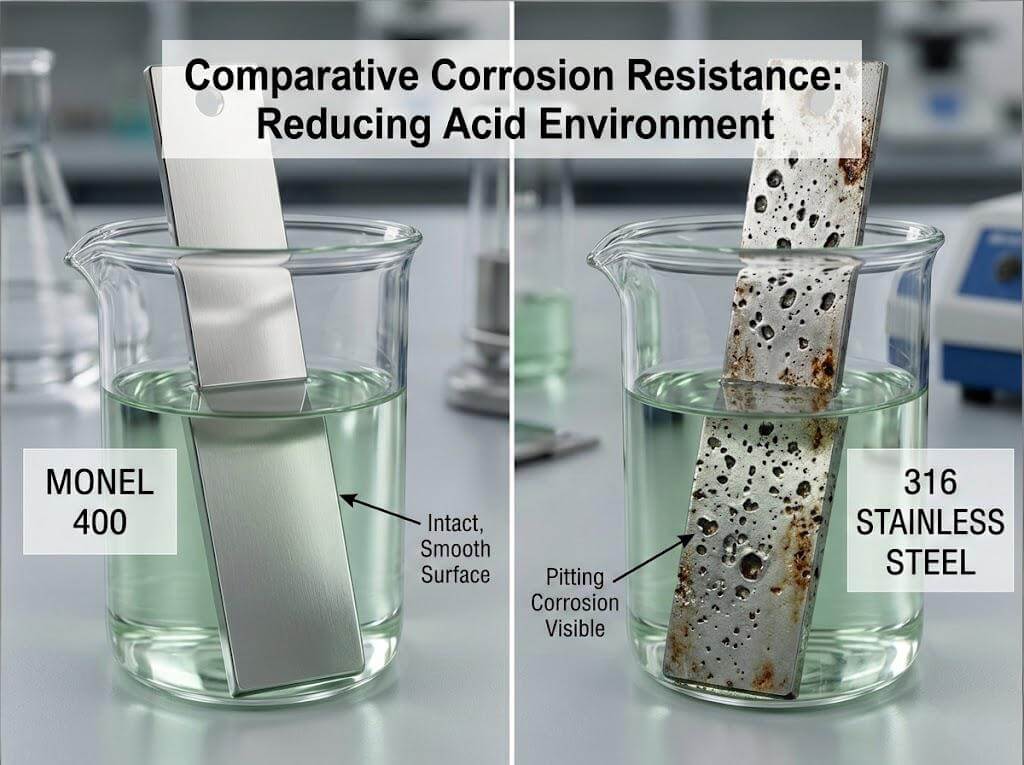
The exceptional resilience of a corrosion resistant nickel alloy stems from its unique electrochemical properties and the formation of a protective surface layer.Nickel itself exhibits impressive resistance to alkaline and reducing environments. When alloyed with chromium, it forms a stable, passive oxide film on the surface that acts as a barrier, preventing further corrosive attack in oxidizing conditions. The addition of molybdenum significantly enhances resistance to pitting and crevice corrosion, particularly in chloride-rich environments, a common cause of failure for many other metals.This synergy of elements is what makes a corrosion resistant nickel alloy a superior choice for critical applications.
Key Types of Corrosion Resistant Nickel Alloy
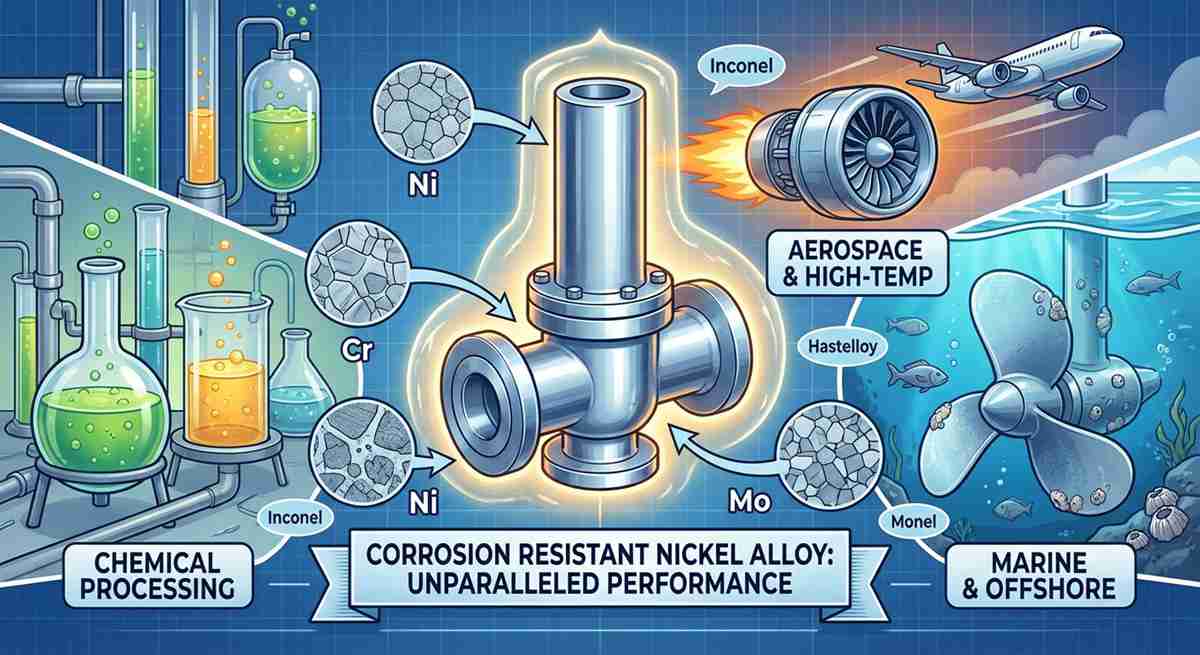
The term corrosion resistant nickel alloy encompasses a wide family of materials, each tailored for specific conditions.High-performance alloys like Inconel, Hastelloy, and Monel are benchmarks in the industry, offering a spectrum of capabilities to meet diverse challenges, from saltwater exposure to aggressive acid attacks.Selecting the appropriate alloy is crucial for optimizing performance and cost-effectiveness.
| Alloy Family | Key Alloying Elements | Primary Characteristics | Common Applications |
| Inconel | Ni, Cr, Fe | Excellent high-temperature strength and oxidation resistance. | Jet engines, gas turbines, nuclear reactors, chemical processing. |
| Hastelloy | Ni, Mo, Cr | Superior resistance to a wide range of corrosive chemicals, especially strong acids. | Chemical reactors, pollution control equipment, pulp & paper industry. |
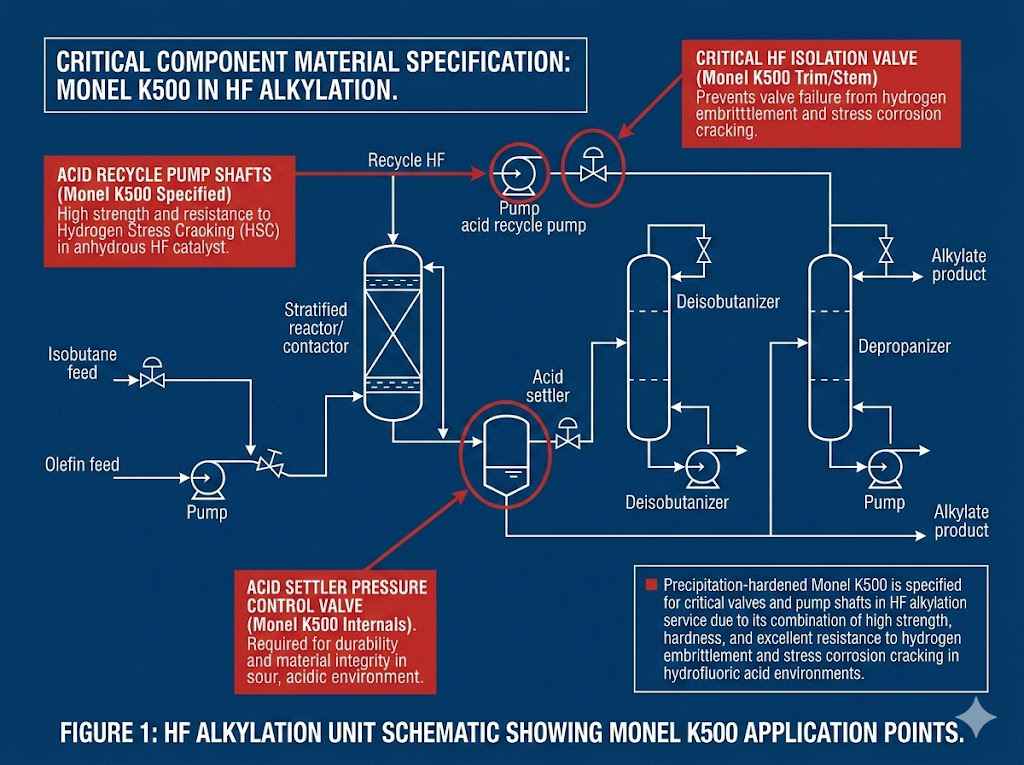
| Monel | Ni, Cu | High strength and excellent resistance to seawater, hydrofluoric acid, and alkaline solutions. | Marine engineering, propeller shafts, valves, chemical processing equipment. |
Applications Driving Demand for Corrosion Resistant Nickel Alloy
The reliability of a corrosion resistant nickel alloy makes it a cornerstone material in many high-stakes industries. In the aerospace and power generation sectors, its ability to maintain structural integrity at extreme temperatures is vital for engine components and turbines.The chemical processing and oil and gas industries rely heavily on these alloys for reactors, piping, and valves that handle aggressive chemicals and high pressures. Furthermore, their biocompatibility and resistance to corrosion make them suitable for medical implants and surgical instruments.The consistent performance of a corrosion resistant nickel alloy ensures safety and efficiency across these demanding fields.
Related Q&A
Q1: What makes a corrosion resistant nickel alloy different from stainless steel?
A1: While both are corrosion-resistant, a corrosion resistant nickel alloy typically has a much higher nickel content and often includes elements like molybdenum and copper. This gives them superior resistance in more extreme conditions, such as very high temperatures, strong acids, and severe crevice corrosion environments where many stainless steels would fail.
Q2: How is the specific type of corrosion resistant nickel alloy chosen for an application?
A2: The choice depends on the specific operating environment.Factors include the type of corrosive chemicals present, the temperature and pressure ranges, and the required mechanical strength. For instance, a Monel alloy might be chosen for a marine application, while a Hastelloy alloy would be selected for handling aggressive acids.
Q3: Are there any disadvantages to using a corrosion resistant nickel alloy?
A3: The primary disadvantage is cost. The high nickel content and the inclusion of other valuable alloying elements make a corrosion resistant nickel alloy significantly more expensive than carbon or stainless steels.They can also be more difficult to machine and weld, requiring specialized techniques.