





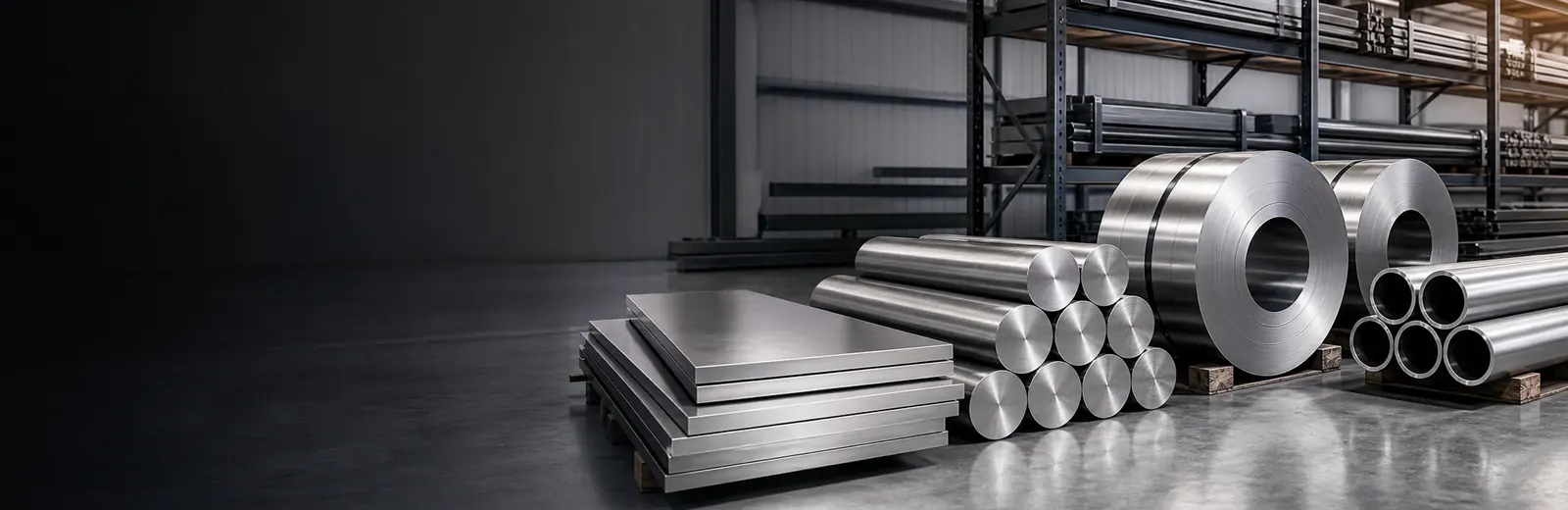
Cuando se opera en entornos supercríticos —como turbinas aeroespaciales a alta temperatura, pozos de gas ácido agresivo o plantas de procesamiento químico corrosivas—, la integridad metalúrgica es imprescindible. Los defectos microestructurales o las desviaciones en los oligoelementos de las superaleaciones pueden provocar fisuras catastróficas por corrosión bajo tensión (SCC) o fallos por fluencia. Para mitigar estos riesgos extremos, los equipos de ingeniería y compras deben ir más allá de los certificados de fábrica estándar. Elegir un proveedor fiable proveedor de aleaciones de níquel con inspección por terceros Es la única forma objetiva de garantizar que tus materias primas cumplan estrictamente con las especificaciones de ASTM, ASME y NACE antes de que comience la fabricación.
Por qué necesitas un proveedor de aleaciones de níquel que cuente con una inspección realizada por terceros
En el ámbito de la metalurgia de alto rendimiento, el control de calidad interno (QC) es fundamental, pero plantea un conflicto de intereses inherente. Un certificado de ensayo de fábrica (MTC) de tipo 3.1 según la norma EN 10204 solo es validado por el representante autorizado del fabricante. Aunque es aceptable para el acero dulce, este nivel de validación resulta peligrosamente insuficiente para aleaciones destinadas a aplicaciones críticas, como la UNS N06625 (Inconel 625) o la UNS N10276 (Hastelloy C-276).
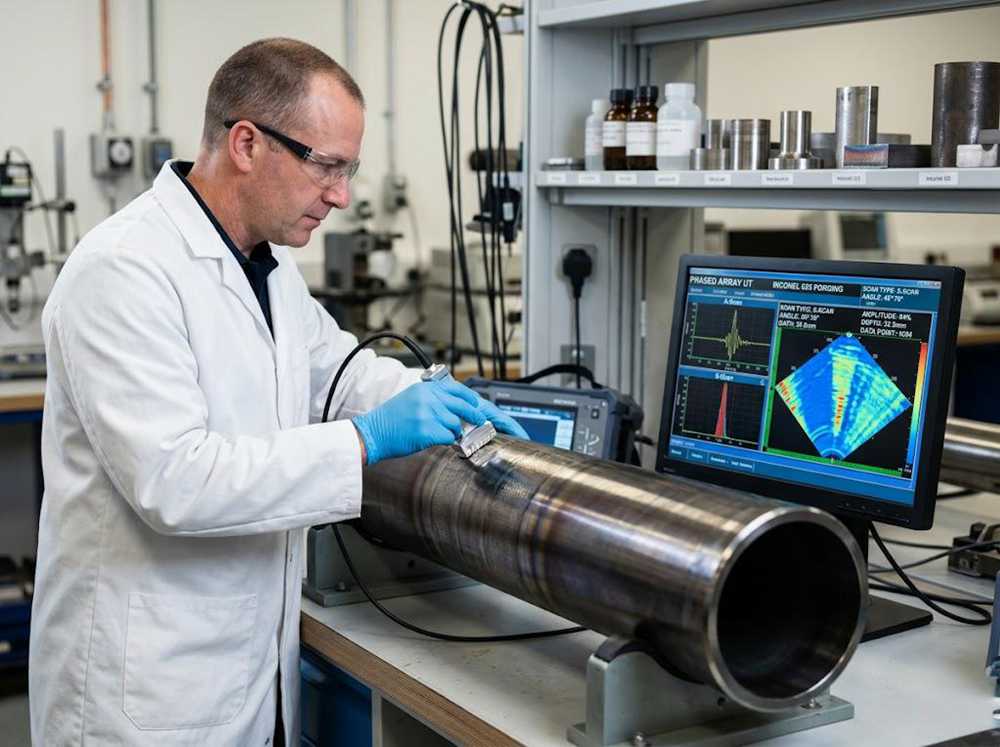
Al asociarse con una proveedor de aleaciones de níquel con inspección por terceros, se recurre a un organismo regulador independiente, como SGS, TÜV, DNV o Lloyd’s Register. Estas agencias presencian de primera mano los procedimientos de ensayo, garantizando que no se produzca ninguna manipulación de las composiciones químicas ni de los rendimientos mecánicos. Este proceso de verificación independiente da lugar a un certificado EN 10204 de tipo 3.2, que vincula legalmente tanto al fabricante como al inspector a los parámetros de rendimiento del material.
Matriz de verificación crítica del TPI para superaleaciones
Un protocolo de inspección riguroso va mucho más allá de los controles dimensionales básicos. A continuación se ofrece un desglose detallado de las pruebas obligatorias que un inspector independiente supervisará y verificará.
Opera con una certificación proveedor de aleaciones de níquel con inspección por terceros garantiza que todas las pruebas de esta matriz se ejecuten sin fallos y sean verificadas por un experto independiente.
Garantizar la trazabilidad y el rendimiento de la cadena de suministro
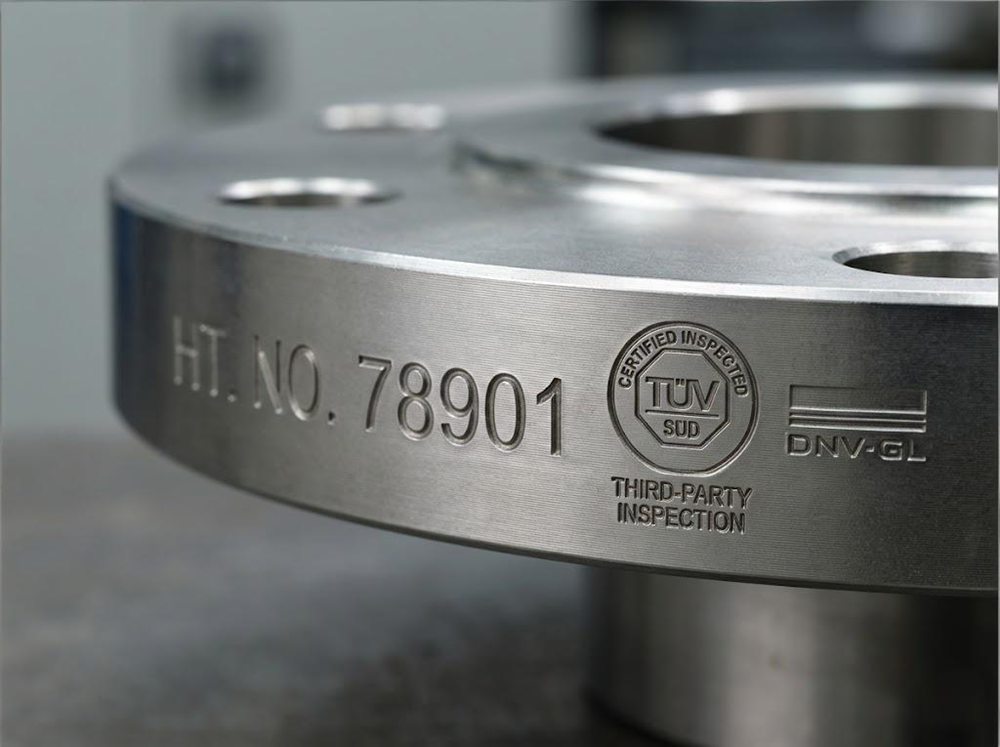
La trazabilidad es la columna vertebral de la ingeniería metalúrgica. Si un componente falla en el terreno, debe ser posible rastrear esa pieza concreta hasta la fundición exacta de la que procede. A proveedor de aleaciones de níquel con inspección por terceros garantiza que esta cadena de trazabilidad no se rompa. Los inspectores comprueban físicamente la transferencia de las marcas térmicas durante los procesos de corte, forjado y mecanizado.
Además, contar con un inspector independiente desde el inicio de la fase de adquisición mejora considerablemente el rendimiento final. Rechazar los materiales no conformes ya en la fábrica evita el costoso mecanizado de piezas en bruto defectuosas y elimina el riesgo de incorporar materiales defectuosos a proyectos en curso. En 28Nickel, colaboramos habitualmente con agencias TPI de primer nivel en todo el mundo. Entendemos que ser un proveedor de primera calidad proveedor de aleaciones de níquel con inspección por terceros Esto implica encargarnos de toda la compleja logística relacionada con la planificación, la armonización de normas y la documentación, para que nuestros clientes puedan centrarse en la ejecución del proyecto.
Si tu próximo proyecto exige una tolerancia cero en cuanto a desviaciones en los materiales, no te fíes de las promesas de los fabricantes estándar. Un especialista proveedor de aleaciones de níquel con inspección por terceros Es una necesidad absoluta para proteger su infraestructura y su reputación. Póngase en contacto con nuestro equipo de ingeniería hoy mismo para analizar sus requisitos específicos de ensayo y sus necesidades en relación con el certificado MTC Tipo 3.2.
Preguntas y respuestas relacionadas
1. ¿Por qué exigir a un proveedor de aleaciones de níquel que se someta a una inspección realizada por terceros para verificar el cumplimiento de la norma NACE MR0175? La norma NACE MR0175 regula de forma estricta los materiales utilizados en entornos con H₂S en la producción de petróleo y gas. Un inspector independiente verifica los límites específicos de dureza (por ejemplo, un máximo de 35 HRC para el Inconel 718) y los requisitos microestructurales, garantizando que la aleación no sucumbirá a un agrietamiento repentino por tensión y sulfuro en condiciones de servicio ácido.
2. ¿Cómo verifica el tamaño del grano un proveedor de aleaciones de níquel que cuenta con una inspección realizada por terceros? El inspector presenciará el examen metalográfico conforme a la norma ASTM E112. Revisará de forma independiente las preparaciones micrográficas con un gran aumento para confirmar que el tamaño del grano cumple los requisitos específicos de resistencia a la fluencia a alta temperatura o de límite elástico a temperatura ambiente de su proyecto.
3. ¿La elección de un proveedor de aleaciones de níquel que cuente con una inspección realizada por terceros retrasa significativamente los plazos de entrega? Aunque la coordinación de inspectores independientes supone una complicación logística adicional, un proveedor con experiencia integrará las etapas clave del TPI directamente en el calendario de producción. Por lo general, esto alarga el plazo de entrega entre 5 y 10 días, un inconveniente insignificante en comparación con los meses de retraso que supone detectar un fallo en el material durante las fases posteriores de fabricación.