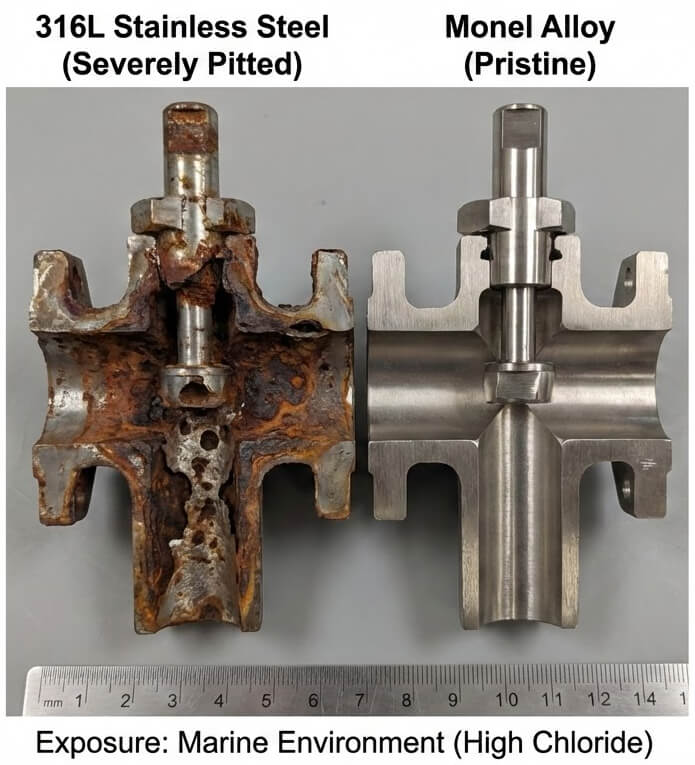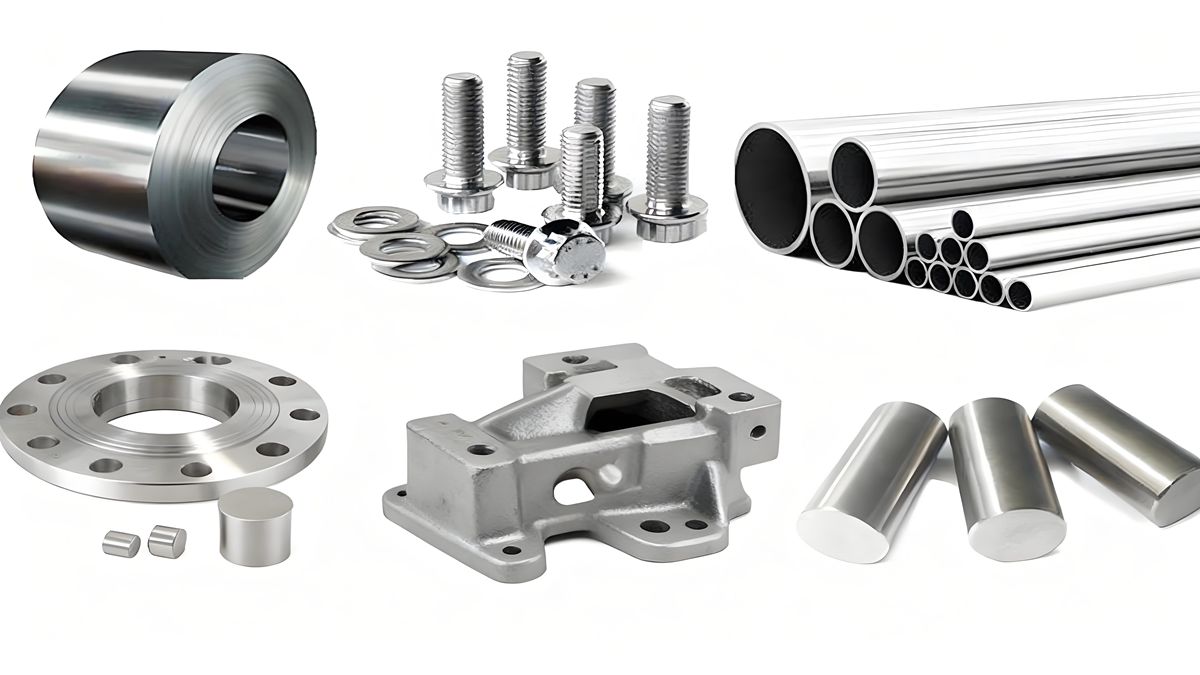
In critical industrial environments exposed to hydrofluoric acid or highly concentrated sour gas, material failure is catastrophic and unacceptable. Mechanical engineers and metallurgists frequently grapple with stress corrosion cracking (SCC) and severe localized pitting in these aggressively corrosive systems. When sourcing premium materials, identifying a competent monel alloy supplier China is critical to ensuring long-term structural integrity in high-stress applications. The solid solution strengthening inherent in nickel-copper systems provides unique corrosion resistance, but this is only true if the base metallurgy is strictly and accurately controlled. At 28Nickel, we understand the microstructural nuances and thermal histories required to survive these harsh conditions, ensuring your engineering designs translate flawlessly to field reality.
Microstructural Integrity and Magnetic Permeability Limits
Monel 400 (UNS N04400) and its precipitation-hardened counterpart, Monel K-500 (UNS N05500), rely on a delicately balanced matrix of Nickel (minimum 63%) and Copper (28-34%). The presence of trace residual elements such as sulfur and carbon must be aggressively minimized during the melting process to prevent intergranular corrosion. Many engineers routinely specify NACE MR0175/ISO 15156 compliance without verifying the actual yield strength variance or hardness distribution across a specific heat lot.
When you formally evaluate a monel alloy supplier China, you must look far beyond the basic Mill Test Report (MTR). Consider the magnetic permeability of these materials, which is often a neglected engineering specification. Monel 400 is typically magnetic at room temperature, though this varies heavily based on the exact copper-to-nickel ratio and the degree of cold work applied. Conversely, Monel K-500 is entirely non-magnetic down to -101°C (-150°F). For downhole directional drilling collars or sensitive electronic housings, this non-magnetic property is non-negotiable. If your monel alloy supplier China fails to control the iron content within the tight 2.0% maximum limit, the magnetic permeability will spike, rendering the material useless for specialized logging-while-drilling (LWD) applications.
| Grade de l'alliage | Nickel (%) | Copper (%) | Min. Yield Strength (MPa) | Min. Tensile Strength (MPa) | Max Hardness (Rockwell C) |
| Monel 400 (Annealed) | 63.0 min | 28.0 - 34.0 | 170 | 480 | N/A (75 HRB max) |
| Monel K-500 (Age-Hardened) | 63.0 min | 27.0 - 33.0 | 690 | 965 | 35 HRC (Per NACE) |
Assessing Monel Alloy Supplier China Capabilities for HF Alkylation
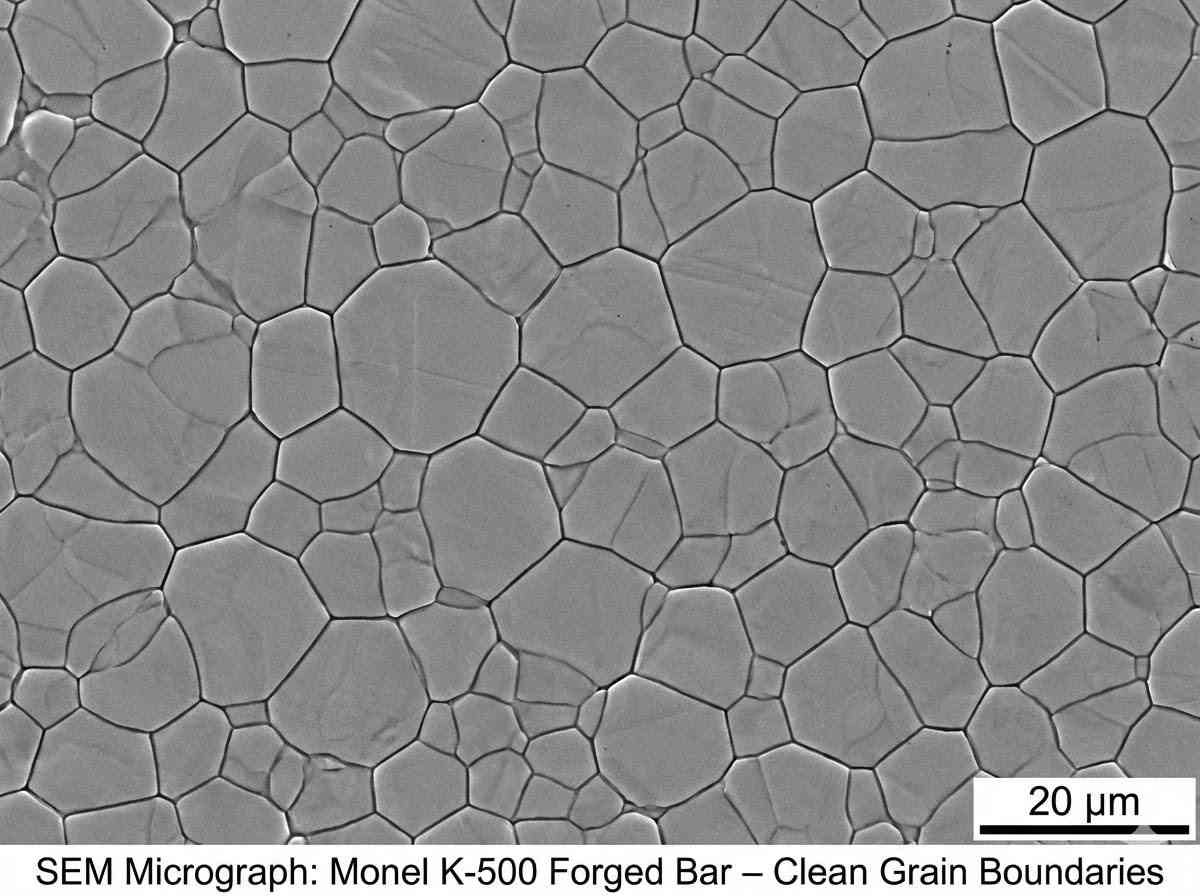
One of the most severe metallurgical tests for this Ni-Cu matrix is hydrofluoric (HF) acid alkylation units in modern refineries. In anhydrous HF, Monel 400 forms a protective, tightly adhering nickel-copper fluoride film. However, if dissolved oxygen or water is accidentally introduced into the process system, corrosion rates will skyrocket. Therefore, the dimensional tolerances and surface finish provided by the manufacturer are paramount; microscopic surface defects from poor machining can act as initiation sites for accelerated localized attack. A technically proficient monel alloy supplier China will optimize the annealing process to ensure a uniform grain size, typically between ASTM No. 5 and 7. This specific grain structure offers the optimal balance of impact toughness and surface stability required for alkylation piping.
Furthermore, welding these highly alloyed materials introduces the distinct risk of hot cracking. Filler metals such as ERNiCu-7 must be perfectly matched to the base metal, and heat input must be strictly regulated. You need to ensure that your monel alloy supplier China thoroughly understands the thermal conductivity differences during the fabrication of complex pressure vessels or heavy-wall heat exchanger tubes. Stress corrosion cracking in aerated HF vapors is a highly documented failure mode when residual tensile stresses from machining or cold forming are not properly relieved. We strictly recommend a stress-relieving anneal at 538°C to 649°C for one to two hours, followed by slow cooling. Verifying these thermal cycle capabilities is a critical step when vetting any monel alloy supplier China.
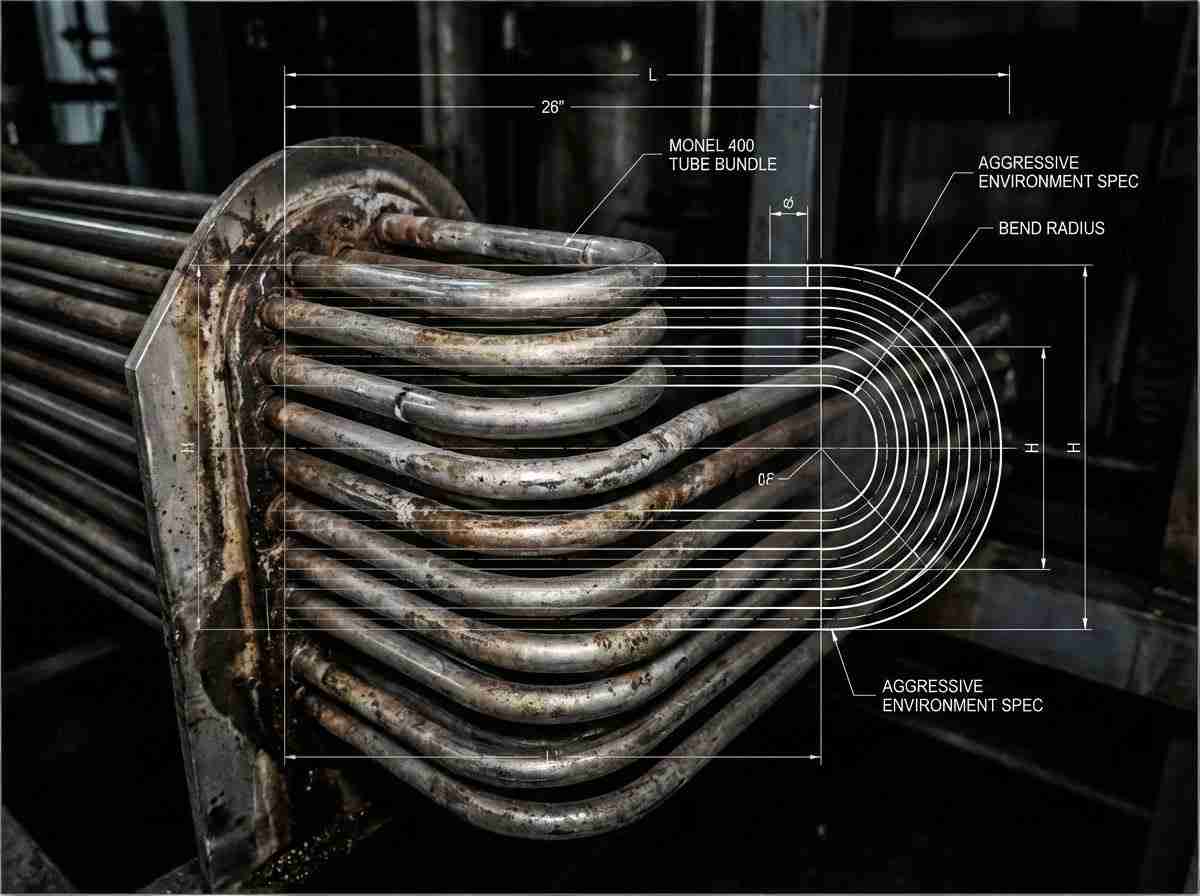
Selecting the precise material grade requires comprehensively mapping the exact corrosive species, temperature gradients, and cyclic mechanical loads of your specific operating environment. Engineers cannot afford to compromise on raw metallurgical data. If you are struggling with material selection for your next subsea, marine, or petrochemical project, consult with our engineering team at 28Nickel. We provide rigorous technical support and deep metallurgical analysis to ensure your specifications are perfectly aligned with the reality of the field. Working with a dedicated monel alloy supplier China should bring clarity and confidence to your engineering challenges, never uncertainty.
Questions et réponses connexes
Q1: Why does Monel K-500 experience a loss of ductility after age-hardening?
A1 : Age-hardening essentially precipitates the submicroscopic gamma-prime phase (Ni3[Ti, Al]) throughout the metallic matrix. While this exponentially increases the yield strength, it inherently creates dislocation barriers that restrict plastic deformation, naturally reducing ductility. Over-aging the alloy or cooling it too slowly through the sensitization temperature range can severely exacerbate this issue, which is why precise thermal control by your material provider is strictly required.
Q2: Can Monel 400 be specified for use in strong oxidizing acid environments?
A2 : Absolutely not. While Monel 400 excels in reducing environments (such as HF, non-aerated sulfuric acid, and marine atmospheres), it performs extremely poorly in oxidizing acids like nitric acid or fluid systems containing high levels of dissolved oxygen. In these conditions, the protective fluoride or oxide film breaks down rapidly. Hastelloy (C-276) or Inconel grades are typically better suited for highly oxidizing conditions.
Q3: What is the optimal welding procedure for joining Monel K-500 to Carbon Steel in piping systems?
A3 : Gas Tungsten Arc Welding (GTAW) using an ERNiCu-7 or ENiCrFe-3 filler metal is highly recommended. The most crucial metallurgical factor here is controlling dilution. Minimizing the iron dilution from the carbon steel side into the molten weld pool prevents hot cracking and maintains the necessary corrosion resistance at the heat-affected zone (HAZ). Preheating is generally not required, but interpass temperatures must be kept below 150°C to prevent excessive heat input.