In the aggressive world of chemical processing, equipment failure is not just an inconvenience; it is a catastrophic risk. Engineers and procurement managers constantly face the challenge of finding materials that can withstand extreme corrosion, high temperatures, and high pressure simultaneously. This is where the specific selection of a hastelloy alloy for chemical industry applications becomes the deciding factor between a smooth operation and costly downtime. At 28Nickel, we understand that standard stainless steels often crumble under these harsh conditions, necessitating the use of high-performance nickel-molybdenum-chromium superalloys.
The Critical Role of Hastelloy Alloy for Chemical Industry
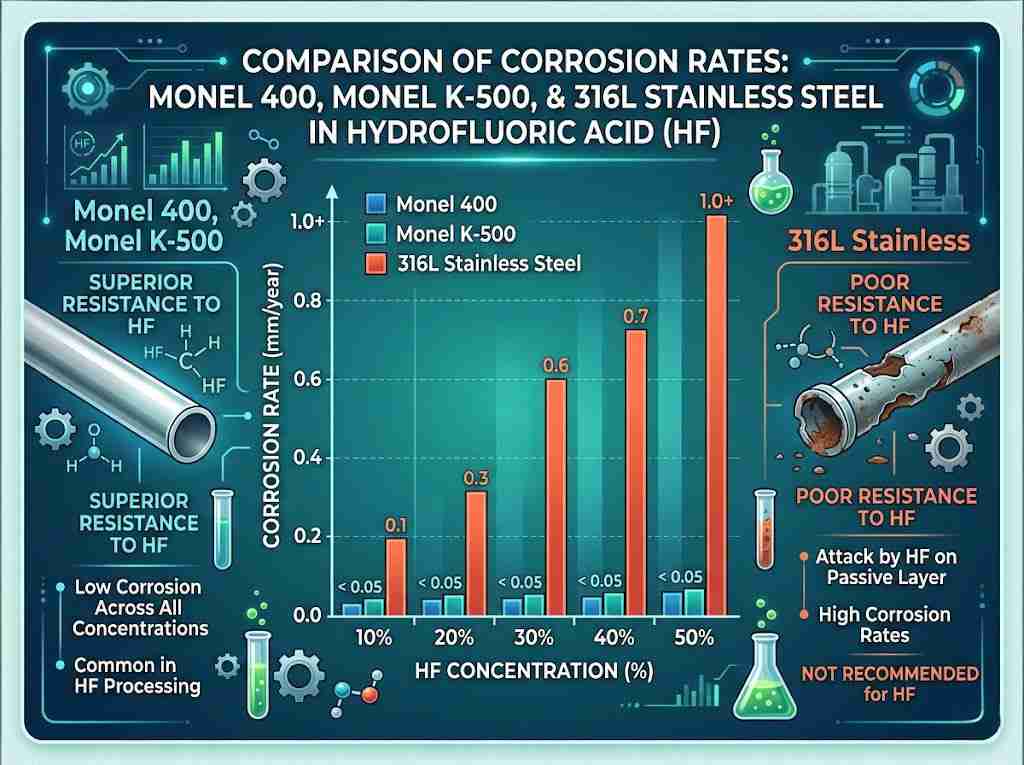
Why is Hastelloy the gold standard? Unlike 304 or 316 stainless steel, Hastelloy grades are engineered to resist specific chemical attacks. When a plant manager specifies a hastelloy alloy for chemical industry projects, they are primarily looking for resistance to pitting, crevice corrosion, and stress corrosion cracking (SCC).
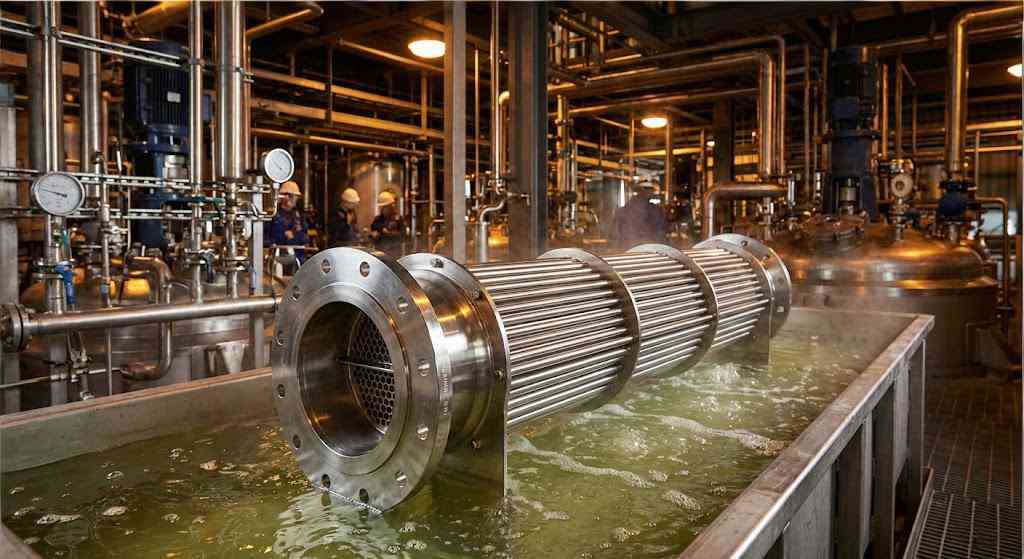
The secret lies in the chemistry. The high molybdenum content provides exceptional resistance to reducing environments (like hydrochloric acid), while chromium offers protection against oxidizing media. This dual protection makes them indispensable in reactors, heat exchangers, and distillation columns.
Key Grades Used in Processing
Not all alloys are created equal. To choose the right hastelloy alloy for chemical industry usage, one must distinguish between the popular grades:
-
Hastelloy C-276: Often called the “workhorse” of the industry. It has a proven track record in handling sulfuric acid, hydrochloric acid, and chlorine gas. It is the go-to material when the exact nature of the corrosive media might fluctuate.
-
Hastelloy C-22: This grade offers better overall corrosion resistance than C-276, particularly in oxidizing environments containing wet chlorine or mixtures containing nitric acid.
-
Hastelloy B-3: Designed specifically for extreme reducing environments. If your process involves pure hydrochloric acid at all concentrations and temperatures, B-3 is the superior choice.
Comparative Performance Data
To assist in selecting the best hastelloy alloy for chemical industry requirements, refer to the comparison of common grades against aggressive media below:
| Feature/Environment | Hastelloy C-276 | Hastelloy C-22 | Hastelloy B-3 | 316L Stainless (Reference) |
| Main Component | Ni-Mo-Cr | Ni-Cr-Mo-W | Ni-Mo | Fe-Cr-Ni |
| Reducing Acids (HCl) | Excellent | Good | Superior | Poor |
| Oxidizing Media | Good | Excellent | Poor | Moderate |
| Pitting Resistance (PREN) | >45 | >60 | N/A | ~24 |
| Cost Relative to 316L | High | High | High | Low |
Application Scenarios
Implementing a hastelloy alloy for chemical industry infrastructure is common in several key sectors:
-
Agrochemicals: Production of herbicides and insecticides often involves complex acid chlorides where standard alloys fail rapidly.
-
Pollution Control: Flue gas desulfurization (FGD) systems rely heavily on C-276 to handle the sulfur-rich, acidic scrubbers.
-
Pharmaceuticals: To ensure product purity and prevent metal leaching, high-grade Hastelloy is used in reaction vessels.
At 28Nickel, we verify that every batch meets ASTM standards, ensuring that when you order a hastelloy alloy for chemical industry fabrication, you receive certified durability.
Overcoming Fabrication Challenges
While these alloys are robust, they are difficult to machine and weld compared to carbon steel. They work-harden rapidly. Therefore, sourcing your material from an experienced supplier like 28Nickel is crucial. We not only supply the raw material but can advise on the proper welding consumables to maintain corrosion resistance in the heat-affected zone (HAZ). Using the wrong weld filler can negate the benefits of using a premium hastelloy alloy for chemical industry design.
Conclusion
Investing in the correct superalloy is an investment in safety and longevity. Whether you require the versatility of C-276 or the specialized resistance of B-3, choosing a hastelloy alloy for chemical industry operations ensures your plant continues running when others fail.
Related Q&A
Q1: Which Hastelloy alloy is best for hydrochloric acid?
A1: For pure hydrochloric acid, Hastelloy B-3 is the best choice. However, if oxidizing salts are present, a C-series hastelloy alloy for chemical industry applications (like C-276) is safer.
Q2: Can Hastelloy C-276 replace 316L Stainless Steel directly?
A2: Yes, technically. C-276 offers vastly superior corrosion resistance. However, it is significantly more expensive, so it is only used when 316L cannot withstand the chemical environment.
Q3: Does 28Nickel provide material certificates for these alloys?
A3: Absolutely. Every hastelloy alloy for chemical industry shipment from 28Nickel comes with full Mill Test Certificates (MTC) according to EN 10204 3.1 standards.