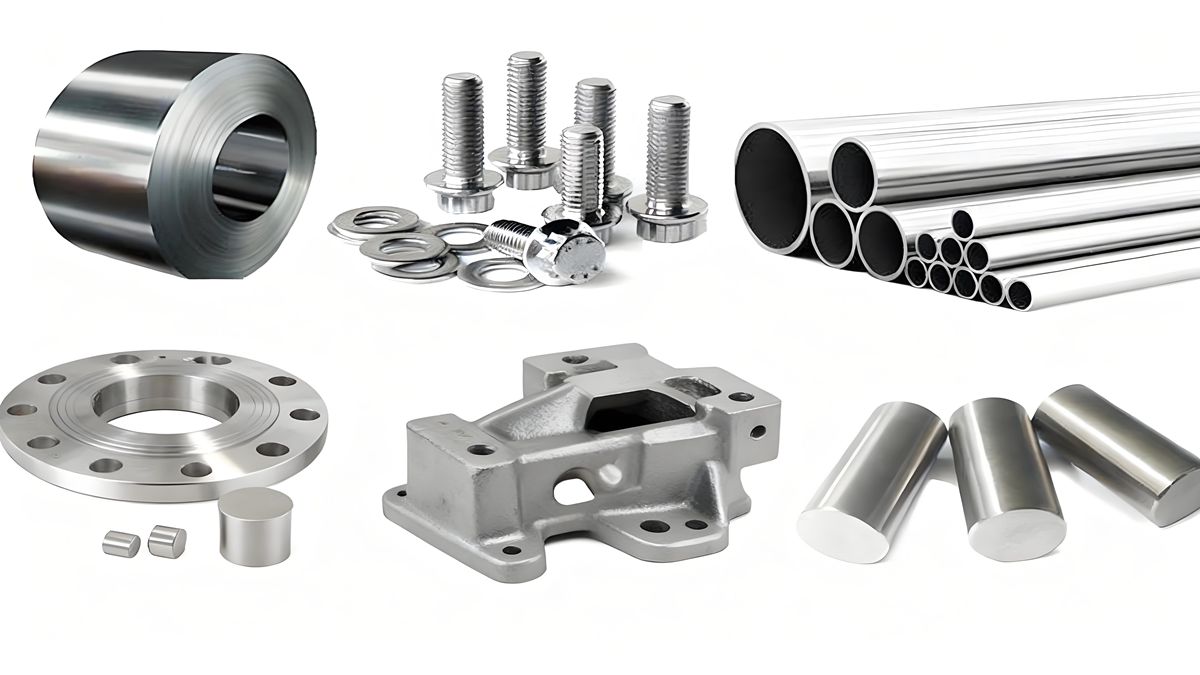
When navigating the complex world of superalloys for extreme environments, one name consistently stands out for its resilience: Hastelloy. For engineers and procurement specialists at 28Nickel, understanding the specific hastelloy alloy properties is the first step toward ensuring project longevity and safety. Whether you are dealing with chemical processing, waste treatment, or aerospace engineering, selecting the correct grade depends entirely on how well the material withstands high pressure, temperature, and corrosive attack. This guide delves deep into the metallurgical characteristics that make this nickel-molybdenum family indispensable in modern industry.
Defining Key Hastelloy Alloy Properties
To truly appreciate these materials, one must look beyond the surface. Hastelloy alloy properties are defined by their unique chemical composition. Primarily composed of nickel, molybdenum, and chromium (with tungsten in some grades), these alloys are engineered to survive where stainless steel fails.
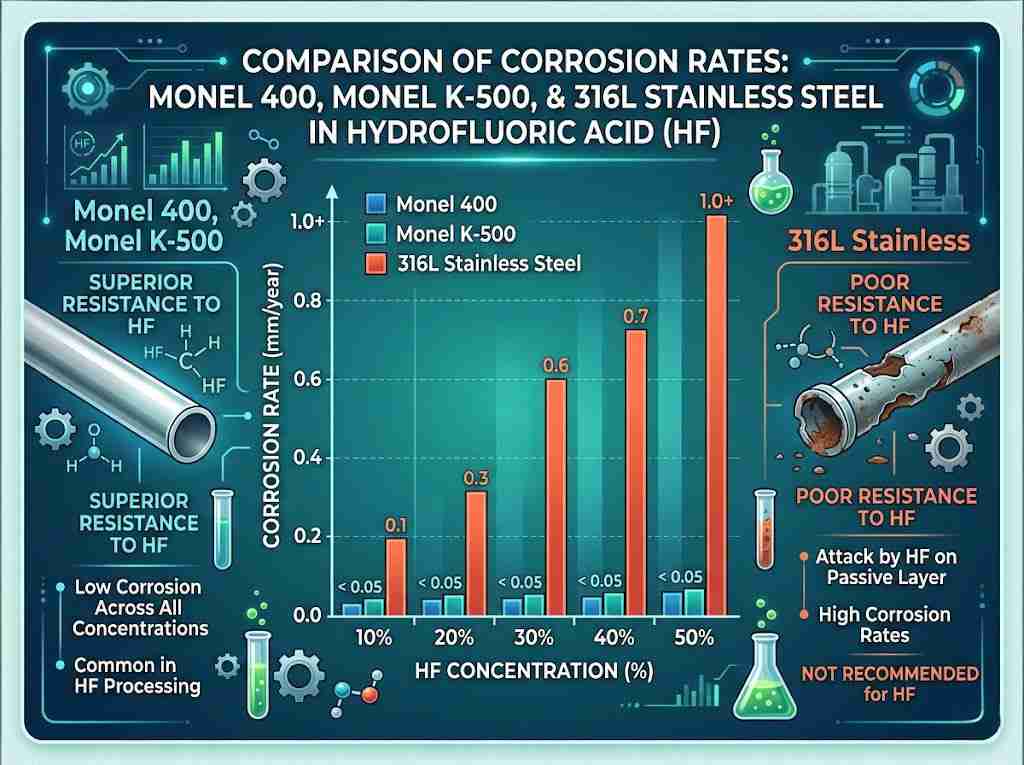
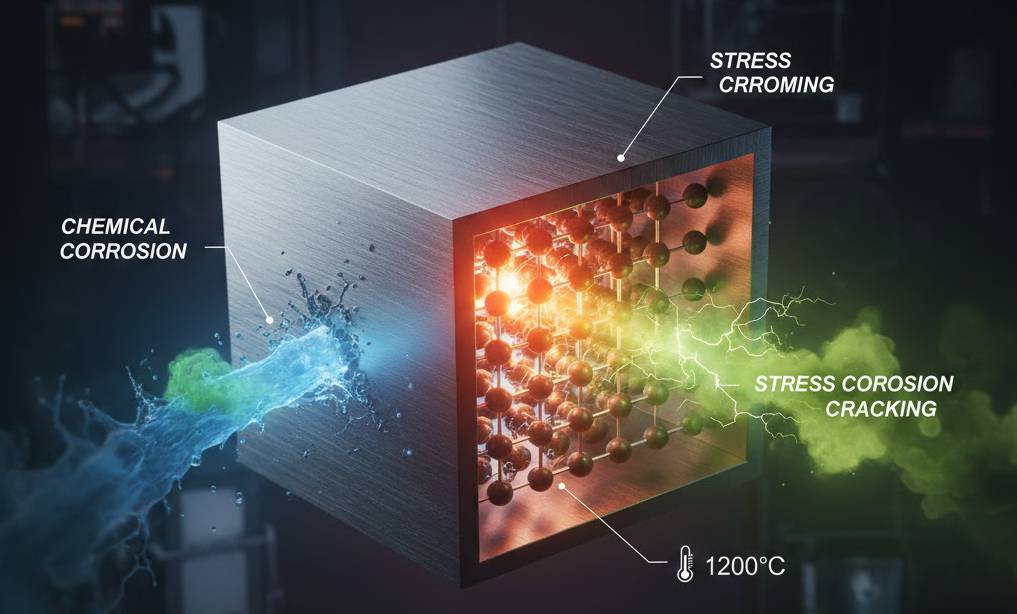
The most distinct feature of hastelloy alloy properties is exceptional resistance to uniform attack and localized corrosion. In environments containing ferric and cupric chlorides, hot contaminated mineral acids, or wet chlorine, the structural integrity of standard metals degrades rapidly. Hastelloy, however, maintains its lattice stability, preventing catastrophic failure.
Mechanical and Thermal Capabilities
While chemical resistance is the headline feature, the mechanical hastelloy alloy properties are equally impressive. These alloys retain high tensile strength and ductility even at elevated temperatures.
For example, Hastelloy X is widely used in gas turbine engines because it resists oxidation at temperatures up to 2200°F (1200°C). When we analyze hastelloy alloy properties, we also see excellent fabricability. Despite their strength, most grades can be formed, welded, and machined, provided the correct tooling and heat treatment methods are applied.
Comparative Analysis of Grades
Different grades offer specific variations of hastelloy alloy properties.
-
Hastelloy C-276: The “workhorse” grade. It offers the broadest resistance to corrosives.
-
Hastelloy C-22: Contains more chromium than C-276, offering better resistance to oxidizing media.
-
Hastelloy B-3: Specifically designed for extreme resistance to hydrochloric acid.
Below is a comparison of typical mechanical properties at room temperature:
| Alloy Grade | Ultimate Tensile Strength (MPa) | Yield Strength (0.2% Offset, MPa) | Elongation (%) | Primary Characteristic |
| Hastelloy C-276 | 790 | 355 | 60 | Versatile corrosion resistance |
| Hastelloy C-22 | 690 | 310 | 45 | Superior in oxidizing environments |
| Hastelloy B-3 | 860 | 380 | 50 | Extreme HCl resistance |
| Hastelloy X | 740 | 330 | 40 | High-temperature strength |
Why Hastelloy Alloy Properties Matter for Corrosion
The primary reason industries turn to 28Nickel for these materials is to combat Pitting and Stress Corrosion Cracking (SCC). Standard austenitic stainless steels are prone to chloride-induced SCC. A critical review of hastelloy alloy properties shows that the high nickel content renders the material virtually immune to this form of degradation. Furthermore, the inclusion of molybdenum strengthens the passive film, drastically reducing the risk of crevice corrosion in stagnant solutions.
Related Q&A
1. What is the difference between Hastelloy C-276 and C-22?
While both have excellent hastelloy alloy properties, C-22 has higher chromium content. This gives C-22 superior resistance to oxidizing chemicals (like wet chlorine and nitric acid mixtures) compared to C-276, though C-276 remains the industry standard for general versatility.
2. Is Hastelloy magnetic?
generally, no. One of the interesting hastelloy alloy properties is that they are non-magnetic. This makes them suitable for applications where magnetic interference must be minimized, such as in sensitive electronic shielding or specific medical equipment.
3. Can Hastelloy be welded easily?
Yes, most grades are designed with good weldability. The low carbon content ensures that grain-boundary precipitation is minimized during welding, maintaining the corrosion-resistant hastelloy alloy properties in the heat-affected zone without the need for post-weld annealing.