In the world of superalloys, few materials command as much respect as Hastelloy C-276. For engineers and procurement officers facing extreme corrosion environments, standard stainless steel often falls short. This is where the unique properties of C-276 come into play. As a premier supplier, 28Nickel understands that knowing the specific hastelloy c276 applications is crucial for selecting the right material for your project. Whether dealing with aggressive acid streams or high-pressure offshore environments, this nickel-molybdenum-chromium superalloy is often the last line of defense against catastrophic failure.
Why Chemical Processing dominates Hastelloy C276 Applications
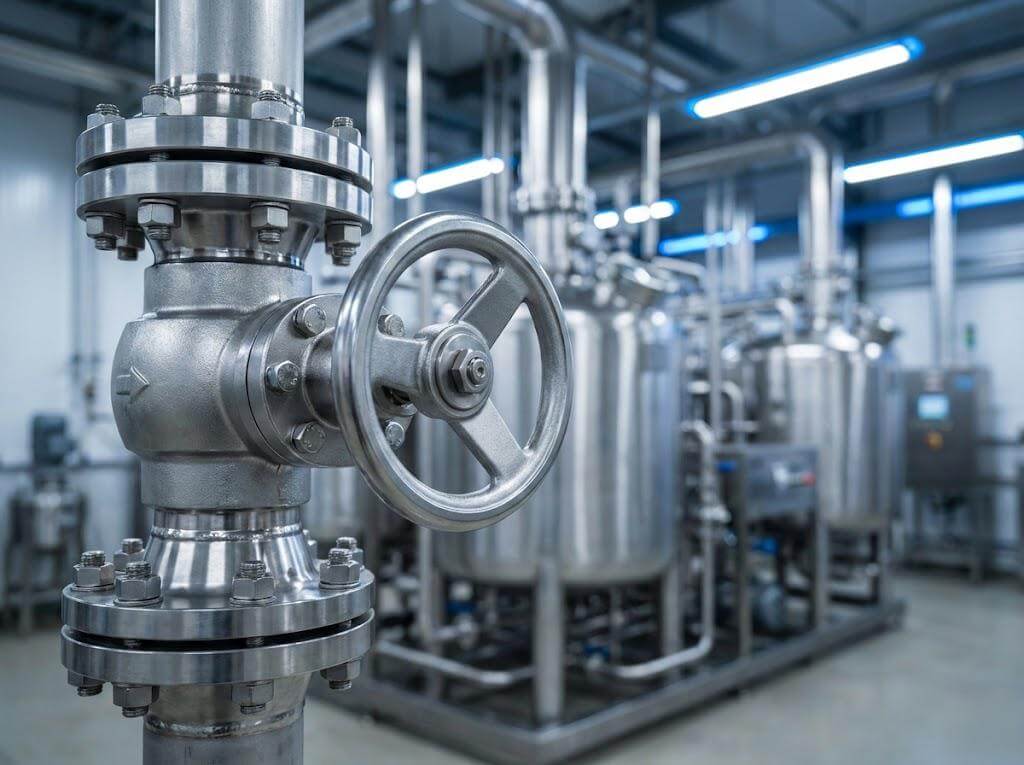
The chemical processing industry is the largest consumer of this alloy. The material’s ability to resist pitting and crevice corrosion makes it indispensable. When we analyze hastelloy c276 applications in this sector, we primarily see it used in reaction vessels, heat exchangers, and transfer piping.
Unlike other alloys, C-276 performs exceptionally well in environments containing wet chlorine, hypochlorites, and chlorine dioxide. For example, in the production of pesticides and pharmaceuticals, the presence of ferric and cupric chlorides can destroy lesser metals within days. C-276 remains stable, ensuring process continuity and safety.
Pollution Control and Hastelloy C276 Applications
Modern environmental regulations have forced industries to adopt rigorous scrubbing systems. One of the most critical hastelloy c276 applications is found in Flue Gas Desulfurization (FGD) systems.
Coal-fired power plants generate exhaust gases rich in sulfur. Scrubbers used to clean these gases operate in highly corrosive environments involving hot, acidic slurries. The liners, ducting, and stack gas re-heaters in these systems rely on C-276 to withstand the localized corrosion caused by high chloride levels in the scrubber liquid.
Oil, Gas, and Marine Environments
As extraction moves to deeper and more hostile environments, the hastelloy c276 applications in the Oil & Gas sector have expanded. This alloy is frequently specified for downhole environments involving “sour gas” (hydrogen sulfide).
In these high-pressure, high-temperature (HPHT) conditions, materials are prone to Sulfide Stress Cracking (SSC). C-276 provides the necessary resistance to SSC and stress-corrosion cracking, making it suitable for tubing, coupling, and subsurface safety valves. Furthermore, offshore platforms utilize C-276 in seawater heat exchangers where resistance to crevice corrosion is non-negotiable.
Comparative Performance Data
To understand why hastelloy c276 applications are so varied, it helps to compare its corrosion rates against other common alloys in specific aggressive media.
| Media / Environment | Temperature | Alloy 316L (mpy) | Alloy 625 (mpy) | Hastelloy C-276 (mpy) |
| Ferric Chloride (10%) | Boiling | > 1000 (Failed) | 35 | 0.1 |
| Wet Chlorine Gas | Room Temp | > 1000 (Failed) | 15 | 0.2 |
| Hydrochloric Acid (5%) | 150°F (66°C) | 65 | 18 | 2.0 |
| Sulfuric Acid (10%) | Boiling | > 1000 | 25 | 3.5 |
Note: “mpy” stands for mils per year. Lower numbers indicate better resistance.
Emerging Hastelloy C276 Applications in Clean Energy
While traditional industries dominate the landscape, we are seeing new hastelloy c276 applications in the clean energy sector. Waste heat recovery systems and biomass conversion plants generate unpredictable, corrosive byproducts. The versatility of C-276 allows it to handle these varying inputs without requiring constant component replacement, effectively lowering the long-term CAPEX for green energy facilities.
Proper Fabrication for C-276
It is important to note that the success of these hastelloy c276 applications depends on proper fabrication. C-276 has excellent weldability, but it requires specific procedures to maintain its corrosion resistance in the welded condition. Unlike some other high-performance alloys, C-276 resists the formation of grain-boundary precipitates in the weld heat-affected zone, which makes it suitable for most chemical process applications in the as-welded condition.
At 28Nickel, we advise clients not just on material purchase, but on the lifecycle expectations of the alloy in their specific operational context.
Related Q&A
Q1: Can Hastelloy C-276 be used in temperatures above 1000°F?
A: While C-276 retains strength at high temperatures, it is generally not recommended for service above 1000°F (538°C) if corrosion resistance is the priority. At prolonged high temperatures, intermetallic phases can form, reducing ductility and corrosion resistance.
Q2: What is the main difference between C-276 and C-22?
A: Both are excellent, but they excel in different areas. Hastelloy c276 applications are generally favored in reducing environments, whereas C-22 (which has more chromium) often offers better resistance in highly oxidizing environments.
Q3: Is post-weld heat treatment required for C-276?
A: Generally, no. One of the major benefits of C-276 is that it can be used in the “as-welded” condition for most chemical process environments, as it resists grain boundary precipitation.