






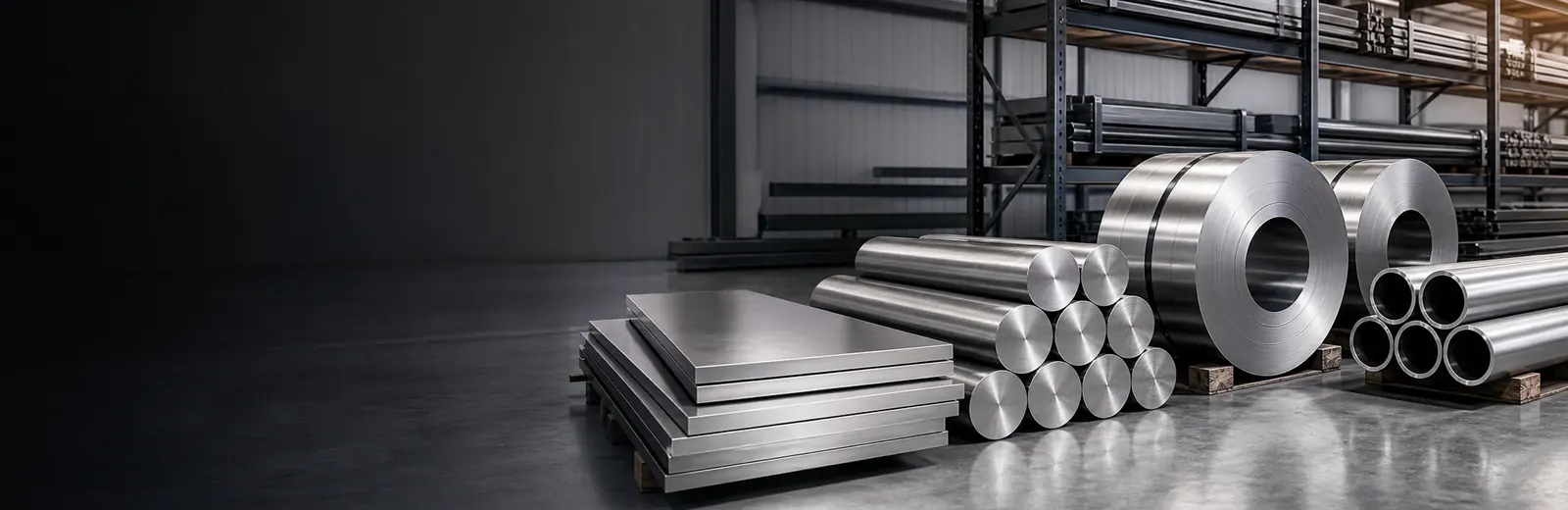
When engineering critical components for high-temperature, highly corrosive environments, material integrity is absolutely paramount. Procurement teams and metallurgists often face a strict bottleneck: finding a reliable custom cut nickel alloy plate supplier capable of holding tight dimensional tolerances without compromising the alloy’s native microstructure. Sourcing standard, off-the-shelf sheets is relatively easy; obtaining precision-profiled superalloys that are genuinely ready for final machining is a distinctly different challenge. At 28Nickel, we understand from decades of metallurgical experience that every millimeter of wasted material or heat-affected edge directly translates to increased tool wear, delayed timelines, and bloated project costs.

The Metallurgy of Precision Sizing
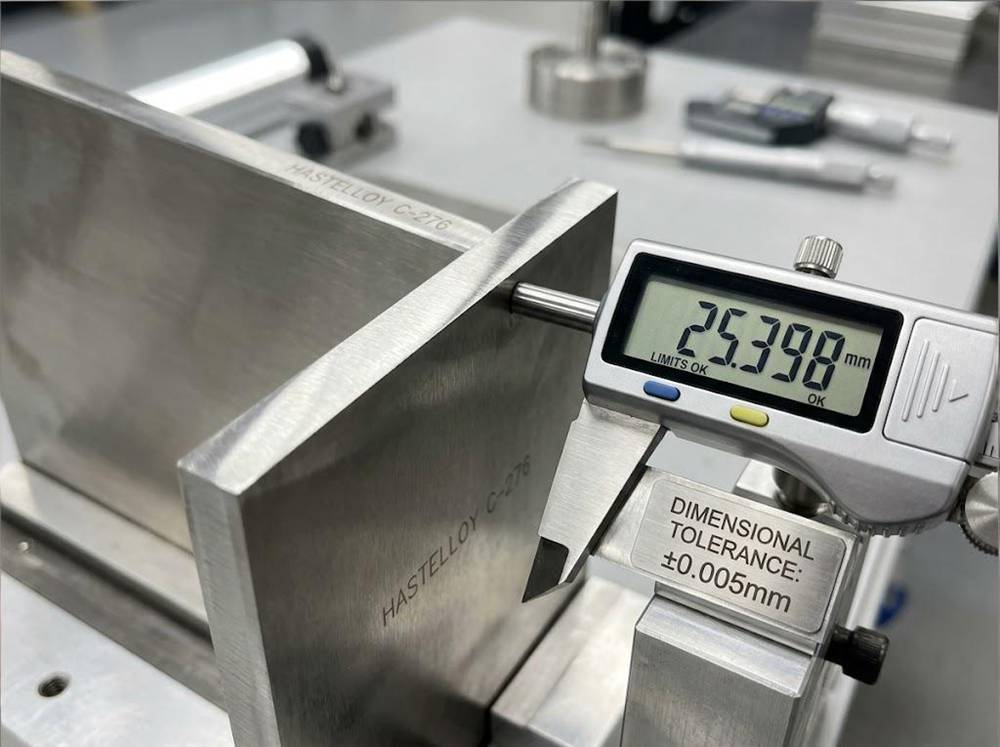
Nickel-based superalloys, such as 인코넬 625, Hastelloy C276, and Monel 400, are notoriously difficult to process. They possess incredibly high shear strength and a severe tendency to work-harden rapidly during mechanical cutting. If your custom cut nickel alloy plate supplier relies on rudimentary thermal cutting methods without adequate temperature controls, the resulting Heat-Affected Zone (HAZ) can induce localized carbide precipitation. This microstructural alteration drastically reduces the intergranular corrosion resistance of the grain boundaries—the exact mechanical property you specified the alloy for in the first place.
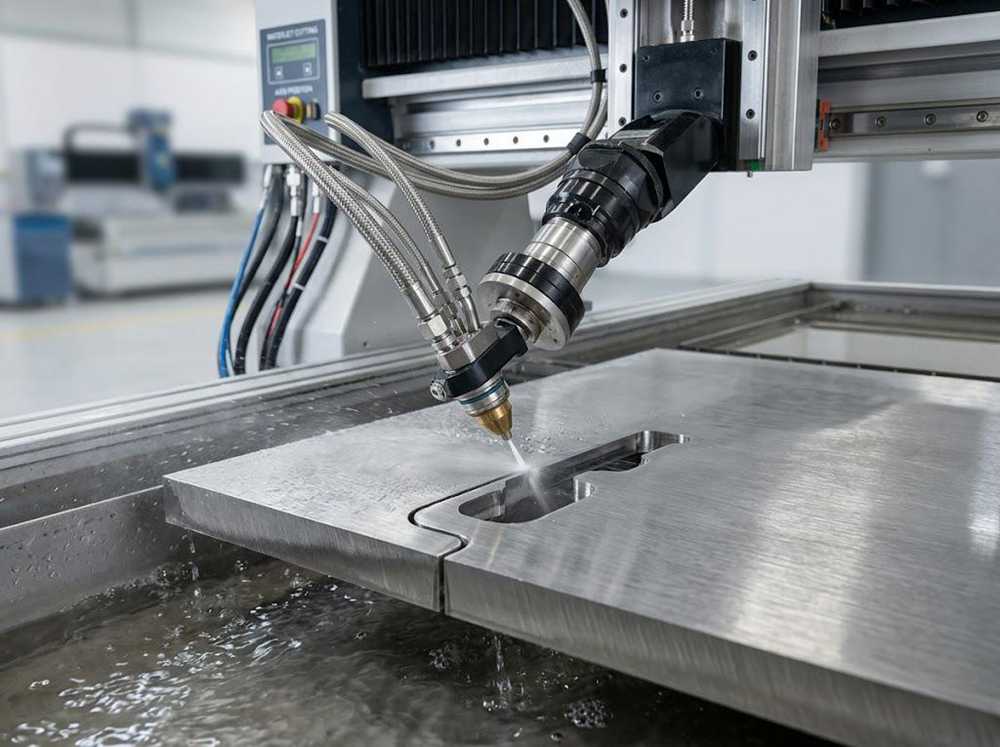
A premier custom cut nickel alloy plate supplier mitigates these risks by utilizing advanced cold-cutting technologies or strictly calibrated high-definition plasma processes. By mathematically analyzing the thermal conductivity and specific heat of the requested grade, materials engineers can optimize feed rates and gas mixtures to prevent micro-cracking and preserve material integrity.
| Cutting Technology | Heat-Affected Zone (HAZ) | Dimensional Tolerance | Optimal Nickel Alloy Thickness Range | Edge Quality Post-Cut |
|---|---|---|---|---|
| CNC Abrasive Waterjet | None (Cold Process) | ± 0.1mm to 0.2mm | 1mm to 150mm+ | Excellent (No thermal distortion, ready to machine) |
| High-Definition Plasma | Moderate (1mm – 3mm) | ± 1.0mm to 2.0mm | 10mm to 80mm | Good (Requires minor edge dressing for finishing) |
| Fiber Laser Sizing | Minimal (<1mm) | ± 0.1mm | 0.5mm to 20mm | Excellent (Clean, highly accurate, dross-free) |
Alloy-Specific Machinability Considerations
Different grades of exotic alloys require highly tailored processing parameters. For instance, precipitation-hardening alloys like 인코넬 718 behave completely differently under localized thermal stress compared to solid-solution strengthened alloys like 인코넬 600. A proficient custom cut nickel alloy plate supplier does not apply a “one-size-fits-all” methodology to their profiling. When dealing with alloys that have higher thermal conductivity, such as specific Monel grades, kerf compensation and cutting speeds must be meticulously adjusted in the CNC software to avoid edge taper. By deeply understanding the distinct mechanical properties—such as ultimate tensile strength and elongation percentages—of each specific grade, we optimize the tool path and cutting media to deliver a flawless near-net shape.
Evaluating Supplier Capabilities and Traceability
Beyond sheer cutting capacity, the hallmark of an elite custom cut nickel alloy plate supplier lies in rigorous, uncompromising quality assurance. High-stress applications in aerospace turbine disks or chemical processing pressure vessels demand absolute material traceability. When assessing potential vendor partners, ensure they provide complete EN 10204 3.1 or 3.2 mill test certificates (MTCs) that trace all the way back to the primary melt. Furthermore, ultrasonic testing (UT) per ASTM A578 should be standard practice for thicker plates to guarantee the absence of internal voids, inclusions, or laminations before the cutting process even begins.
Choosing the right custom cut nickel alloy plate supplier is essentially an extension of your own internal engineering and fabrication team. It dramatically reduces your internal scrap rates and accelerates your production timeline. Whether your schematics require complex rings, bolted flanges, discs, or custom geometric profiles, leveraging a supplier with deep metallurgical expertise ensures your material behaves predictably during subsequent Tungsten Inert Gas (TIG) welding or CNC turning operations.

Let’s Optimize Your Next Engineering Project
Navigating the complexities of superalloy procurement shouldn’t be left to standard metal service centers that lack specialized material knowledge. If your facility is experiencing excessive CNC tool wear due to poor edge conditions, or if you are constantly struggling with dimensional inaccuracies from your current vendors, it is time to rigorously re-evaluate your sourcing strategy. As your dedicated custom cut nickel alloy plate supplier, 28Nickel brings decades of specialized metallurgical experience directly to your supply chain. We don’t just sell metal; we deliver engineered material solutions precisely tailored to your exacting blueprints. Send us your CAD drawings or technical specifications today, and our materials engineers will provide a comprehensive manufacturability review alongside a precise technical quote.
관련 Q&A
Q1: How does a custom cut nickel alloy plate supplier prevent work hardening during the profiling process? A1: By utilizing cold-cutting processes like abrasive waterjet profiling, or by optimizing feed rates and using high-pressure, flood coolant during mechanical sawing. This completely prevents the severe, localized temperature spikes that cause rapid, detrimental work hardening in austenitic nickel microstructures.
Q2: What dimensional tolerances can I realistically expect for thick Inconel 718 plates? A2: For plates up to 100mm in thickness, utilizing a high-end abrasive waterjet can consistently maintain tolerances of ±0.2mm to ±0.5mm. This ensures near-net shape profiles that require only minimal rough machining before the final finishing pass.
Q3: Do you provide standard ultrasonic testing (UT) on custom-profiled components? A3: Yes. For critical pressure vessel, subsea, or aerospace applications, source materials undergo rigorous UT scanning to strict ASTM standards prior to cutting. This detects any subsurface inclusions or micro-voids, guaranteeing the structural integrity of the final cut piece.