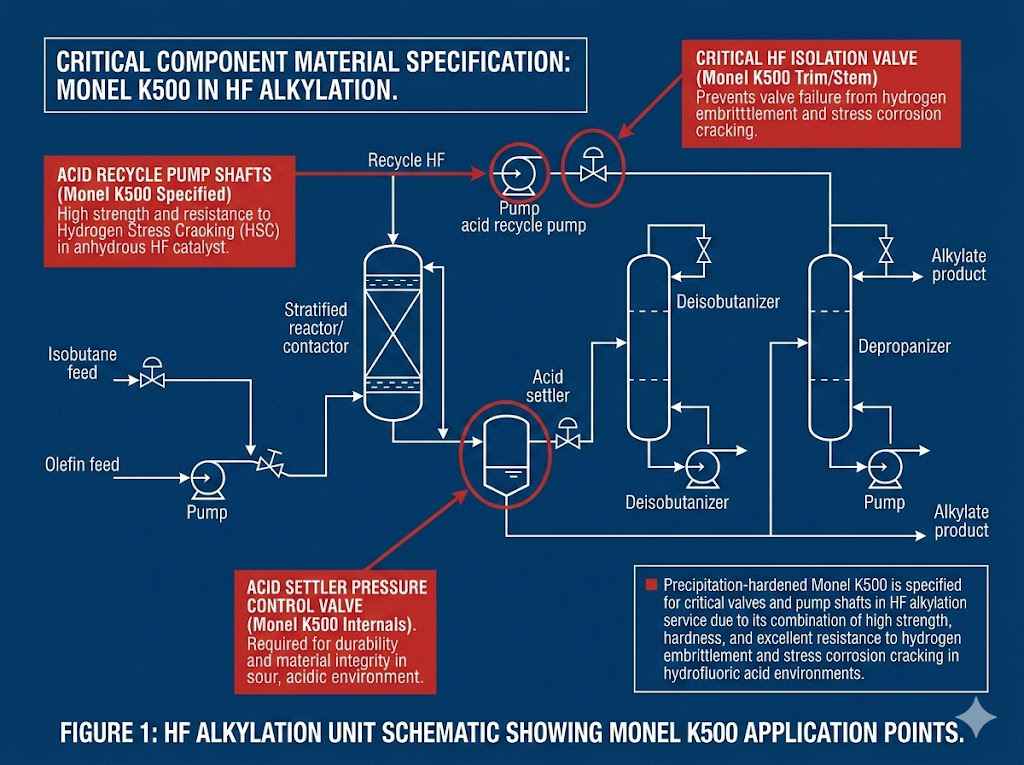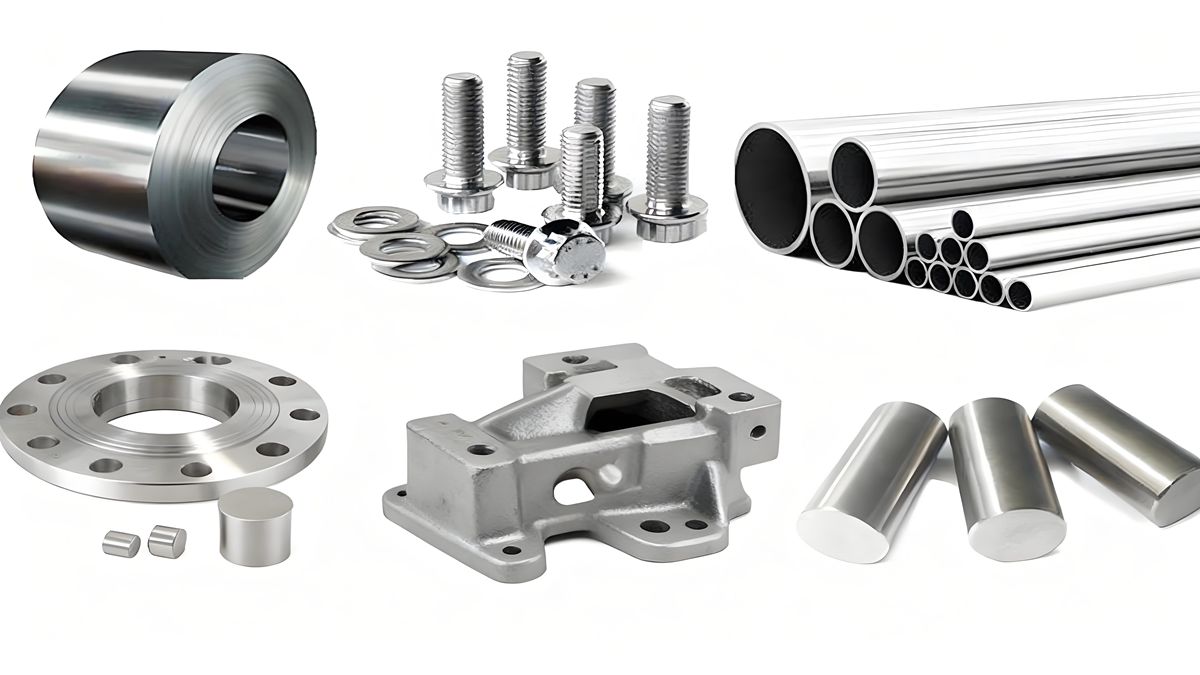
In the realm of modern metallurgy, nickel alloy applications serve as the backbone of industries that operate under extreme conditions. From the scorching heat of jet engines to the corrosive depths of the ocean, these materials offer a unique combination of heat resistance, corrosion protection, and mechanical strength. As a premier provider, 28Nickel understands that selecting the right material is not just about cost—it’s about ensuring the safety and longevity of critical infrastructure in an increasingly demanding global market.
Key Nickel Alloy Applications in Aerospace
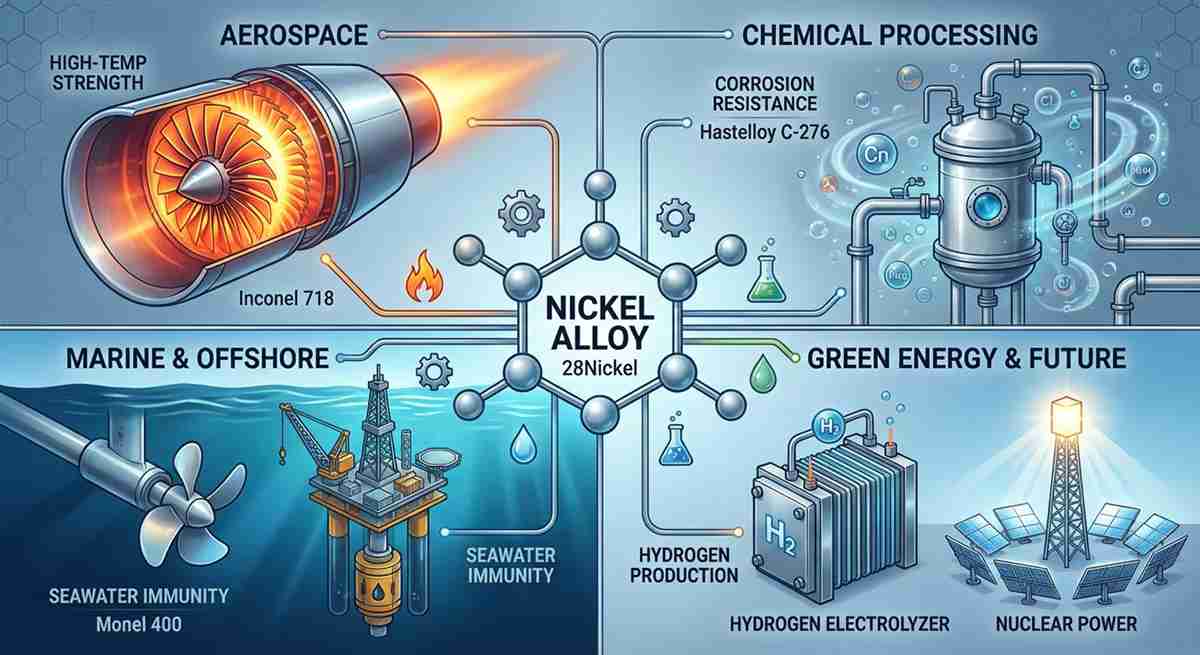
The aerospace sector remains the most significant driver for high-performance materials. Nickel alloy applications in this field are centered around the “hot section” of aircraft turbines. High-temperature superalloys, such as Inconel 718, are indispensable for components like turbine blades, discs, and combustion chambers.
These alloys maintain their structural integrity even when operating at temperatures exceeding . Their exceptional creep resistance—the ability of a metal to resist slow deformation under high stress—ensures that engines can run efficiently for thousands of hours without failure. Furthermore, the low thermal expansion of specific nickel-iron alloys is critical for maintaining tight tolerances in precision aerospace instrumentation.
Nickel Alloy Applications in Chemical Processing
In the chemical industry, the primary enemy is corrosion. Nickel alloy applications here focus on handling aggressive media such as sulfuric acid, hydrochloric acid, and dry chlorine gas. Materials like Hastelloy C-276 are the “gold standard” for heat exchangers, reaction vessels, and piping systems.
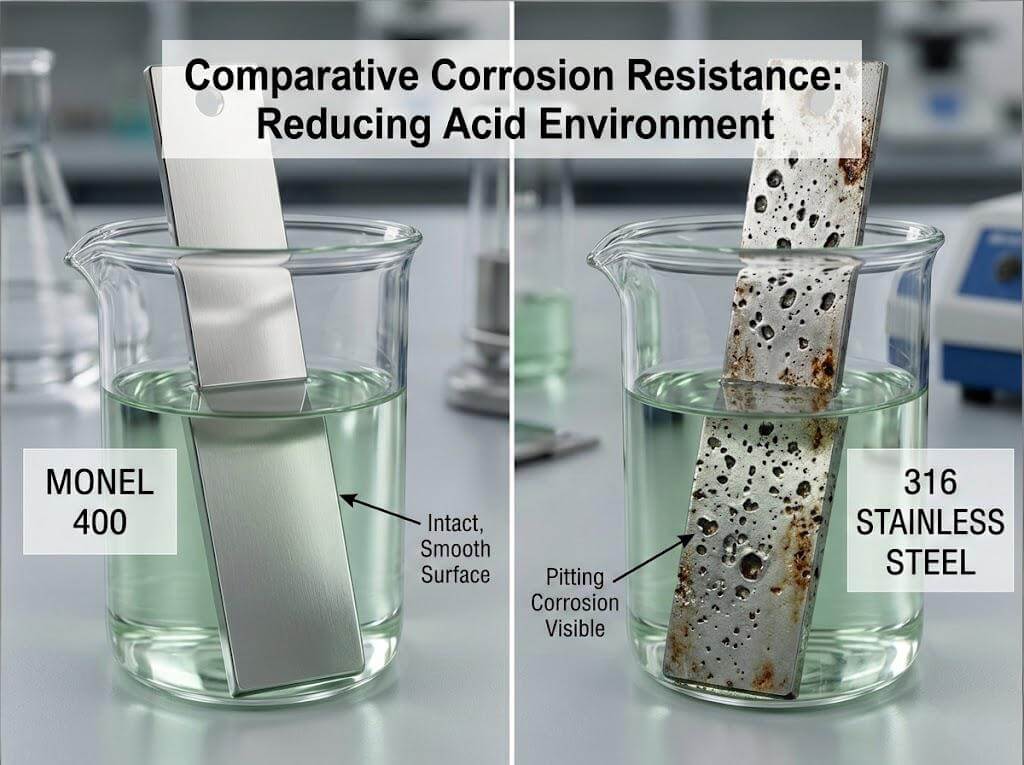
Unlike standard stainless steels, which may succumb to pitting or stress-corrosion cracking in chloride-rich environments, nickel-based alloys form a stable, protective oxide layer. This resilience significantly reduces downtime and maintenance costs for chemical plants, making the initial investment in high-quality alloys from 28Nickel a financially sound decision for long-term operations.
Marine and Offshore Nickel Alloy Applications
The marine environment is notoriously harsh due to the constant presence of salt spray and high-pressure underwater conditions. Nickel alloy applications in marine engineering utilize the “Monel” series (Nickel-Copper) for propeller shafts, valve stems, and fasteners. These alloys are virtually immune to corrosion by seawater and are widely used in desalination plants where freshwater is extracted from the ocean.
In the offshore oil and gas sector, nickel alloys are used for “downhole” components. As drilling goes deeper into the earth’s crust, tools are exposed to higher pressures and “sour” gas (containing hydrogen sulfide). Nickel alloys provide the necessary toughness and resistance to sulfide stress cracking that ordinary carbon steels simply cannot match.
| Alloy Grade | Primary Characteristics | Common Nickel Alloy Applications |
| Inconel 625 | High strength, excellent fabricability | Marine exhaust systems, fuel lines |
| Hastelloy C-22 | Superior resistance to oxidizing/reducing acids | Pharmaceutical reactors, flue gas desulfurization |
| Monel 400 | High strength in seawater, good ductility | Marine heat exchangers, pumps, valves |
| Incoloy 825 | Resistance to sulfuric and phosphoric acids | Oil and gas piping, acid production |
The Future of Nickel Alloy Applications in Green Energy
As the world pivots toward sustainable energy, nickel alloy applications are expanding into the hydrogen economy and concentrated solar power (CSP). Nickel is a vital component in electrolyzers used for green hydrogen production, where it facilitates the electrochemical reactions necessary to split water.
Additionally, in nuclear power generation, nickel alloys are used in steam generator tubing due to their ability to withstand high-pressure steam and radiation without degrading. This versatility ensures that nickel remains a “future-proof” material for the next generation of industrial breakthroughs.
Conclusion
Understanding the vast scope of nickel alloy applications is essential for any engineer or procurement specialist. Whether it is ensuring the safety of a transatlantic flight or protecting a chemical plant from catastrophic leaks, these materials provide the reliability that modern civilization depends on. At 28Nickel, we are committed to providing high-quality alloys that meet the rigorous standards of these diverse sectors.
Related Q&A
1. Why are nickel alloys preferred over stainless steel in extreme environments?
While stainless steel is excellent for general use, nickel alloys offer superior stability at temperatures above and significantly better resistance to highly acidic or chloride-rich environments where stainless steel might fail due to stress-corrosion cracking.
2. Which nickel alloy is best for high-pressure oil drilling?
Inconel 718 and Incoloy 925 are frequently chosen for oil and gas nickel alloy applications because they combine high yield strength with excellent resistance to hydrogen embrittlement and “sour” gas environments.
3. Are nickel alloys cost-effective for long-term projects?
Yes. Although the initial material cost is higher, the extended lifecycle, reduced maintenance, and prevention of operational failures make nickel alloy applications more economical over the total life of the equipment.