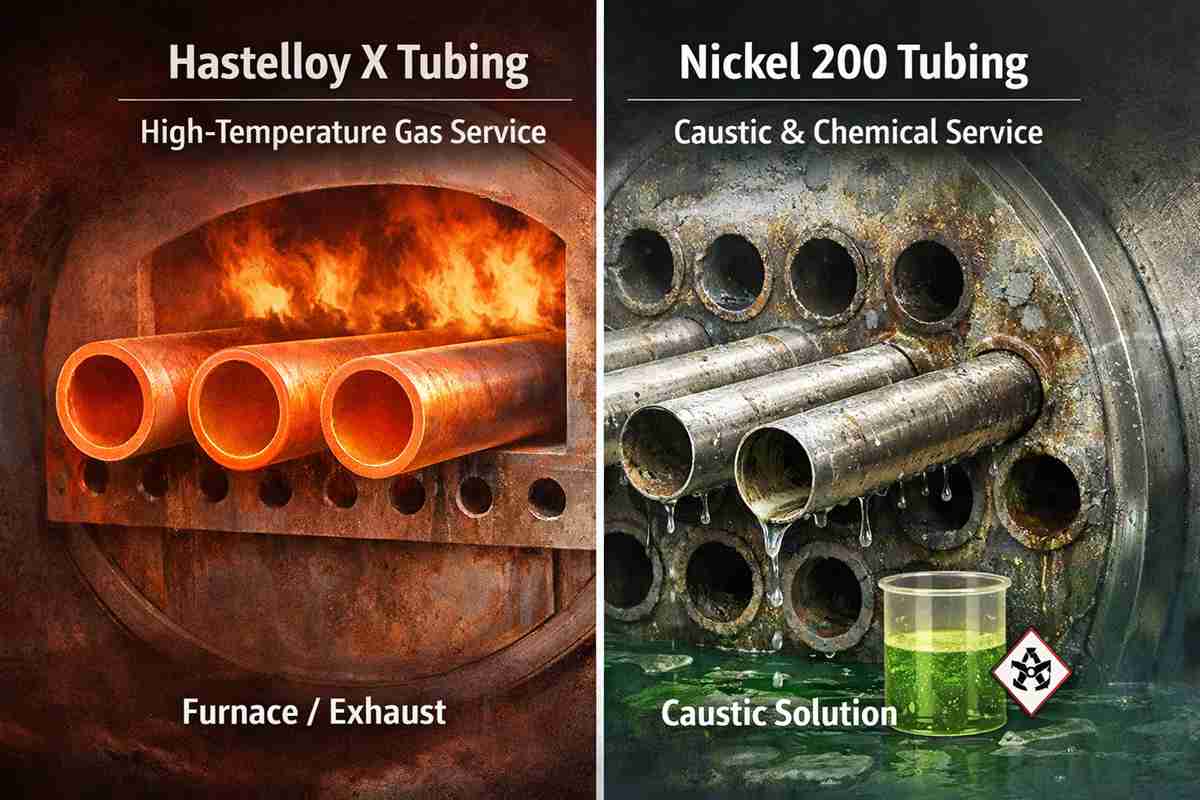
When specifying materials for sour gas wells, petrochemical refineries, or aggressive chemical processing units, metallurgical integrity is non-negotiable. Materials engineers frequently encounter catastrophic localized corrosion, specifically chloride stress corrosion cracking (CSCC) and severe pitting, when standard austenitic stainless steels reach their operational limits. Mitigating these rapid structural failures requires absolute precision in metallurgical control from the melt to the final extrusion. Sourcing from a highly qualified nickel alloy export supplier is not simply a supply chain decision; it is a critical engineering safeguard to ensure your components survive elevated temperatures, highly acidic media, and extreme cyclic pressures. At 28Nickel, we understand that microstructural phase stability and ultra-tight elemental tolerances directly dictate the lifespan of your critical infrastructure.
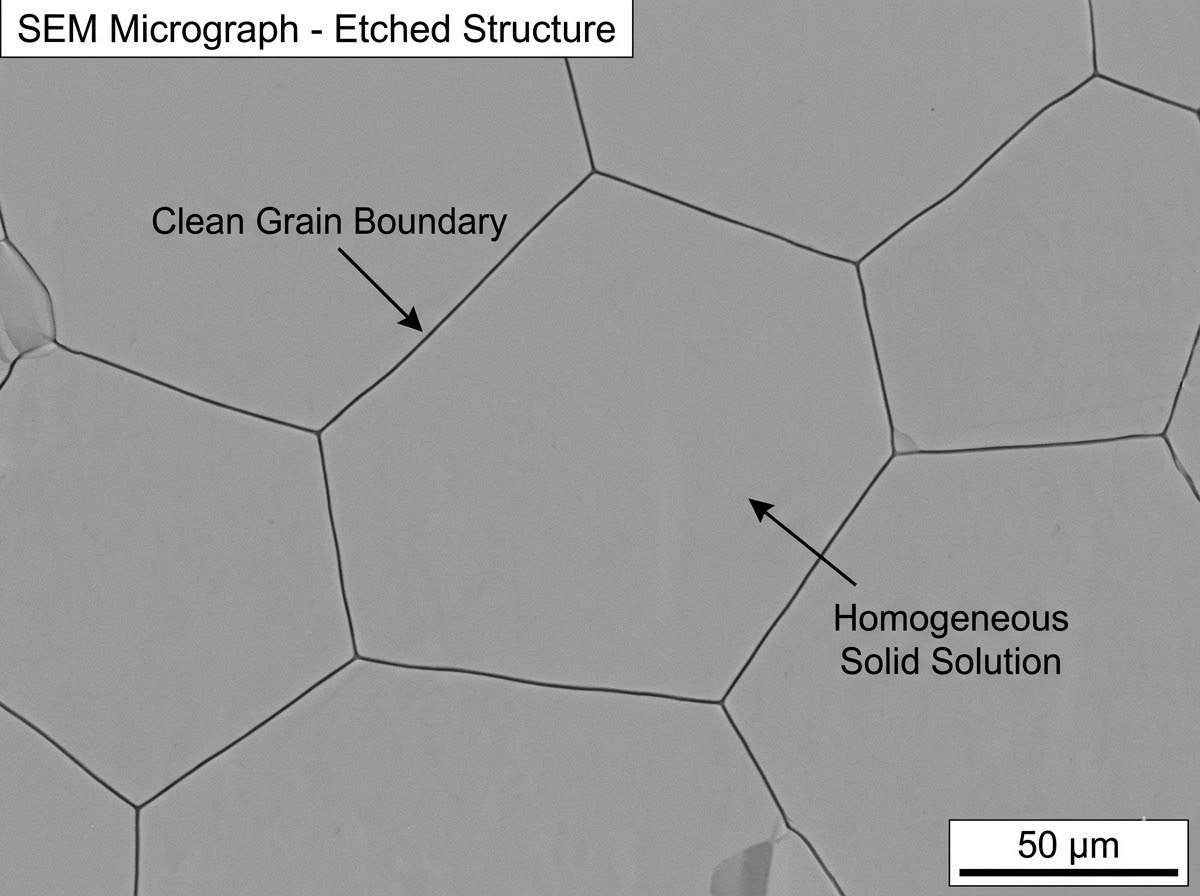
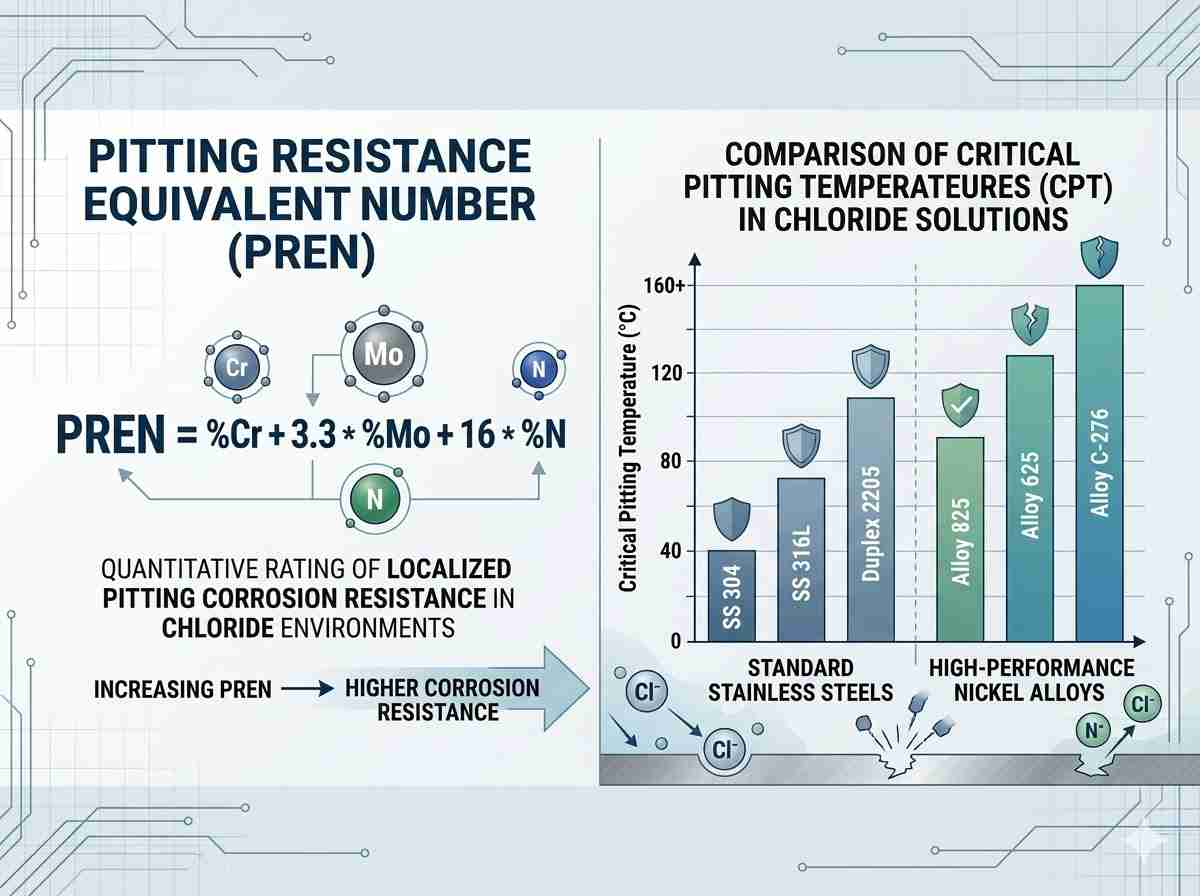
To effectively combat highly aggressive corrosive environments, the precise addition and uniform distribution of molybdenum and tungsten are critical. However, achieving homogeneous elemental dispersion during the vacuum induction melting (VIM) process is what separates an average material vendor from a premium nickel alloy export supplier. Consider the extreme metallurgical demands placed on Alloy C-276 (UNS N10276) when deployed in wet chlorine gas or hypochlorite environments. The material’s Pitting Resistance Equivalent Number (PREN) must consistently exceed 45. A reliable nickel alloy export supplier ensures that trace elements like carbon and silicon are strictly suppressed—typically held well below 0.010% and 0.08% respectively. This stringent restriction is mandatory to minimize grain boundary precipitates in the heat-affected zone (HAZ) during complex welding procedures, thereby preventing intergranular attack in as-welded conditions.
Furthermore, when evaluating the structural reliability of your global supply network, you must heavily scrutinize the thermal processing protocols of your chosen nickel alloy export supplier. Improper solution annealing temperatures, deviating even marginally from the optimal 1121°C (2050°F), rapidly induce the formation of detrimental secondary phases, such as the mu-phase or sigma-phase. These precipitations drastically degrade both the material’s ductility and its intrinsic corrosion resistance. An expert nickel alloy export supplier routinely provides comprehensive mill test reports (MTRs) that detail the exact thermal history and cooling quench rates, rather than just a basic chemical breakdown.
| Material Grade | UNS Designation | Minimum Cr (%) | Minimum Mo (%) | Yield Strength (MPa) | Tensile Strength (MPa) | Primary Application Focus |
| Alloy 625 | N06625 | 20.0 | 8.0 | 414 | 827 | High-strength fatigue, marine environments, aerospace |
| Alloy C-276 | N10276 | 14.5 | 15.0 | 283 | 690 | Severe localized corrosion, wet chlorine, strong oxidizers |
| Alloy 825 | N08825 | 19.5 | 2.5 | 241 | 586 | Sulfuric and phosphoric acid processing, sour gas |
| Alloy 400 | N04400 | N/A (Cu 28.0) | N/A | 170 | 480 | Hydrofluoric acid, salt water, alkaline environments |
Beyond strictly chemical composition, retaining mechanical properties at significantly elevated temperatures represents another critical performance parameter. High-performance superalloys must maintain their tensile strength and resist creep deformation at temperatures exceeding 600°C. For instance, Inconel 625 relies heavily on the solid solution stiffening effect of molybdenum and niobium within its face-centered cubic nickel-chromium matrix. A technically proficient nickel alloy export supplier rigorously tests these specific parameters at elevated temperatures to guarantee strict compliance with international specifications like ASTM B446 and ASTM B564.
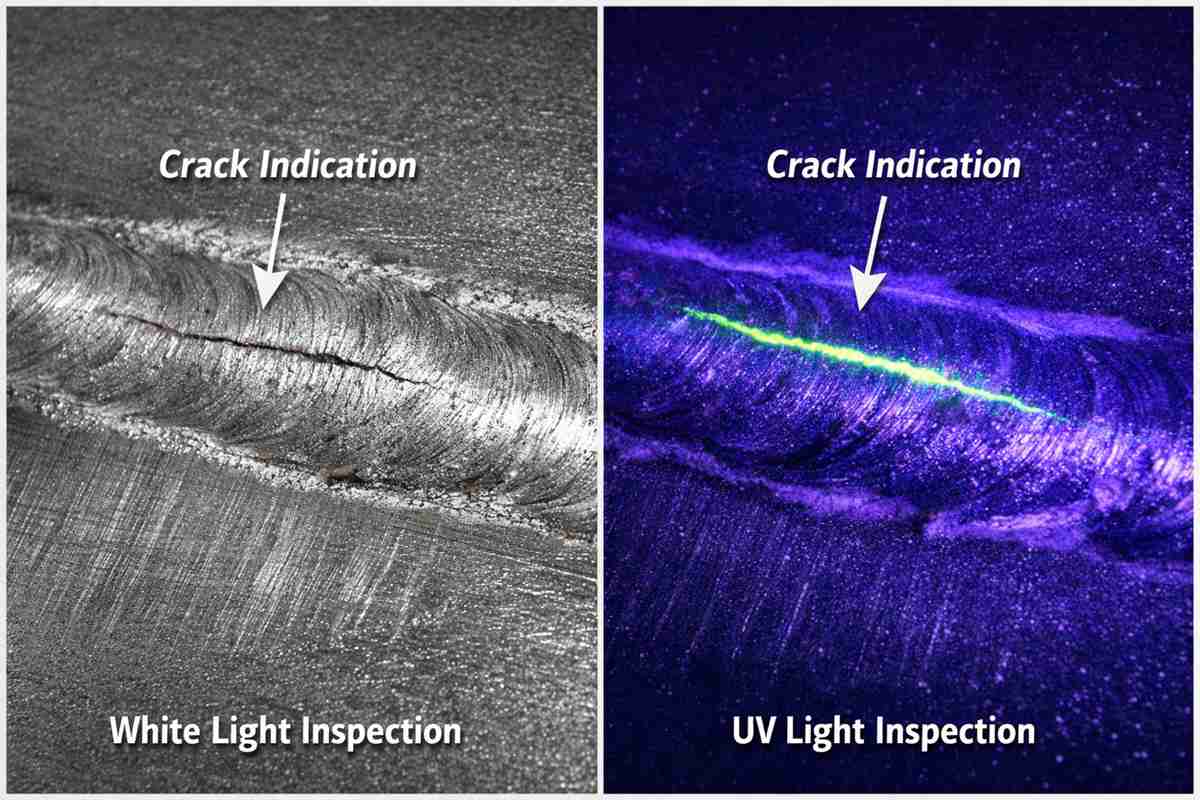
Additionally, dimensional tolerances and surface finish integrity play a paramount role in preventing the initiation of microscopic fatigue cracks. The extrusion, piercing, and cold drawing processes must be tightly regulated. A dedicated nickel alloy export supplier utilizes advanced non-destructive evaluation (NDE), including ultrasonic and eddy current testing, to detect sub-surface micro-fissures that could easily propagate under severe cyclic loading. Selecting a nickel alloy export supplier with deep engineering expertise ensures that the material’s internal microstructure is perfectly optimized for your facility’s unique operational parameters. At 28Nickel, we do not just ship metal; we analyze your operational stress matrices, corrosive media concentrations, and thermal cycling profiles to engineer the exact metallurgical solution.
Material selection in high-risk, extreme-temperature environments is a complex metallurgical puzzle where generic solutions fail catastrophically. Minor deviations in alloy chemistry, cooling rates, or heat treatment parameters will drastically reduce your component lifecycle and risk plant safety. Do not let subpar metallurgical practices compromise your facility’s operational integrity. Instead of guessing, share your specific operating conditions, peak temperatures, pressure ratings, and exact corrosive media concentrations with our engineering team at 28Nickel today. Let us conduct a comprehensive, data-driven material survivability assessment to ensure your next critical infrastructure project is built on an unshakeable metallurgical foundation.
Related Q&A:
Q: What specific thermal conditions cause mu-phase precipitation in UNS N10276?
A: Mu-phase and other detrimental intermetallic compounds in UNS N10276 typically precipitate when the alloy is exposed to a critical temperature range between 650°C and 1090°C. Prolonged exposure in this thermal band severely depletes the surrounding matrix of molybdenum and tungsten, significantly reducing localized corrosion resistance and ambient temperature ductility.
Q: How does a nickel alloy exporter verify the absence of intergranular corrosion susceptibility?
A: A rigorous metallurgical assessment requires testing to ASTM G28 standards. Specifically, ASTM G28 Method A (ferric sulfate-sulfuric acid test) or Method B (mixed acid-oxidizing salt test) are utilized to measure the corrosion rate. A high-quality material will exhibit a very low, uniform corrosion rate without preferential attack at the grain boundaries, confirming proper solution annealing and rapid quenching.
Q: Why is niobium critical in the chemical matrix of high-temperature nickel alloys like Alloy 625?
A: In alloys like UNS N06625, niobium acts in conjunction with molybdenum to stiffen the alloy’s matrix, providing high strength without a precipitating heat treatment. In other specific grades, niobium reacts with titanium and aluminum to form gamma double prime ($\gamma”$) precipitates during age hardening, which is the primary strengthening mechanism that prevents creep at extreme operational temperatures.