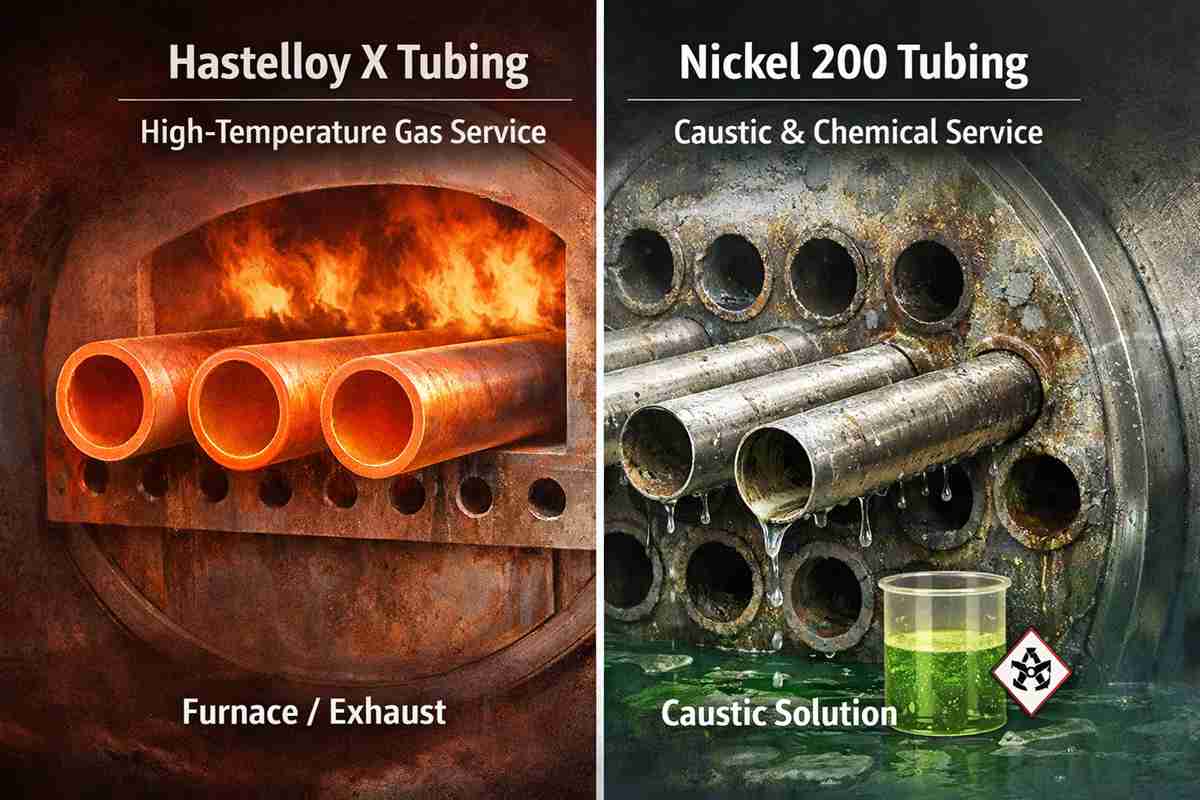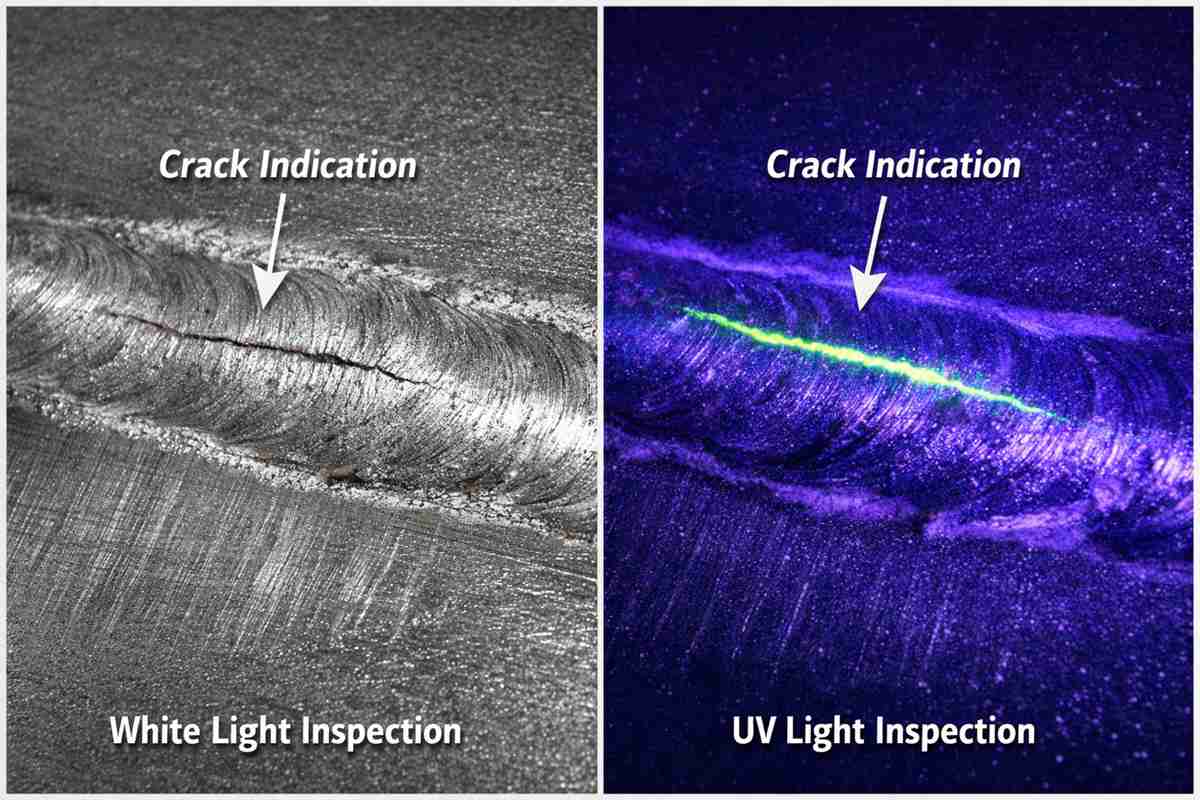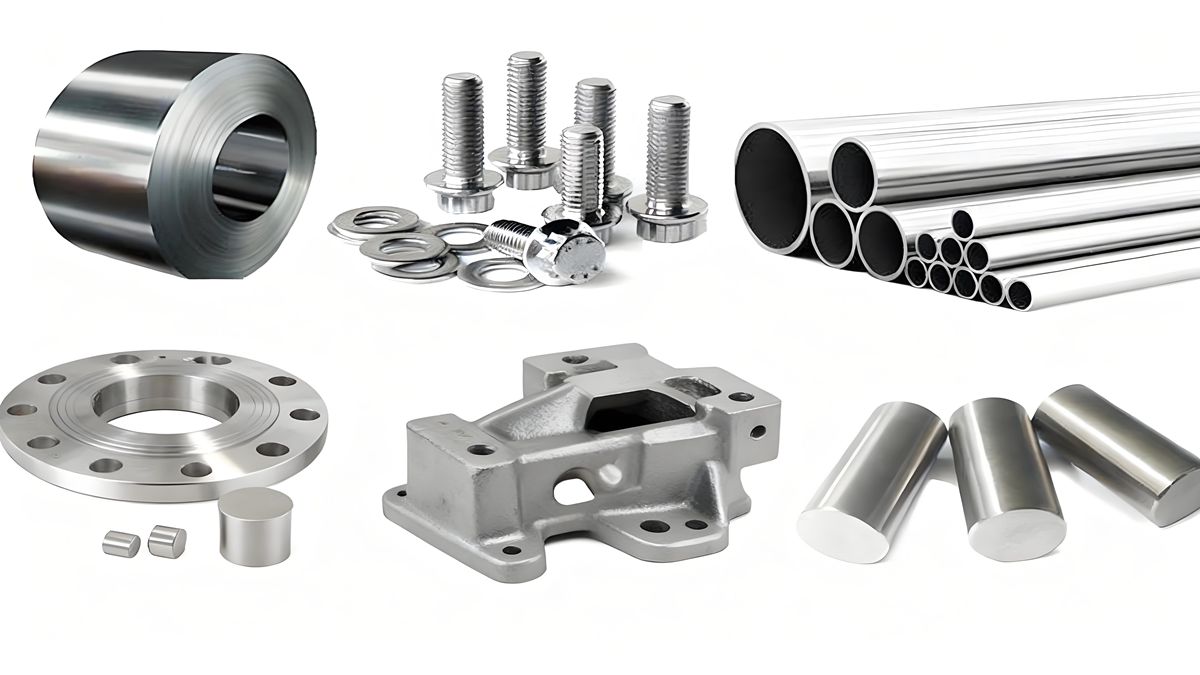
When engineering critical components for sour gas processing facilities, chemical reactors, or aerospace turbine exhaust systems, material degradation is simply an unacceptable risk. Standard material specifications often leave too much room for subtle metallurgical variations. This is precisely why vetting your nickel alloy global supplier goes far beyond basic mechanical testing or reviewing superficial datasheets. As materials engineers, we must rigorously scrutinize their control over minor alloy additions, thermal processing windows, and microstructural phase stability. In high-stress, corrosive environments, nominal compliance to ASTM or ASME standards is merely the baseline. We need to look much deeper into the physical metallurgy that dictates localized corrosion resistance and long-term creep-rupture life. For instance, the susceptibility of nickel superalloys to intergranular corrosion is heavily influenced by the precipitation of chromium-rich carbides at the grain boundaries during heat treatment. A sophisticated nickel alloy global supplier utilizes optimized argon oxygen decarburization (AOD) or vacuum induction melting (VIM) processes to maintain carbon levels below critical thresholds, thereby preventing sensitization and ensuring the matrix remains fully austenitic under operational stress.
Beyond strict carbon control, a competent nickel alloy global supplier understands that specific trace element ratios dictate performance under aggressive chloride attacks. Let us examine localized pitting and crevice corrosion resistance. The Pitting Resistance Equivalent Number calculation () clearly illustrates the material’s structural reliance on precise weight percentages of Chromium, Molybdenum, and Tungsten. However, if a nickel alloy global supplier permits localized elemental segregation during ingot solidification, this macro-PREN value becomes functionally irrelevant. Micro-segregation invariably leads to localized anodic regions, rapidly accelerating pitting in chloride-rich media. Furthermore, controlling the precipitation of detrimental topologically close-packed (TCP) phases, such as Mu, Sigma, or Laves phases, requires highly precise homogenization protocols prior to forging. To benchmark these capabilities, engineers often evaluate specific grades renowned for their extreme chemical stability. The data below outlines the baseline parameters we expect when assessing material integrity across different high-performance grades.
| Alloy Grade | UNS Designation | Minimum PREN | Typical Yield Strength (ksi) | Critical Pitting Temperature (°C) |
| Alloy 625 | N06625 | 45.0 | 60 | > 85 |
| Alloy C-276 | N10276 | 45.0 | 52 | > 110 |
| Alloy 825 | N08825 | 31.0 | 35 | ~ 30 |
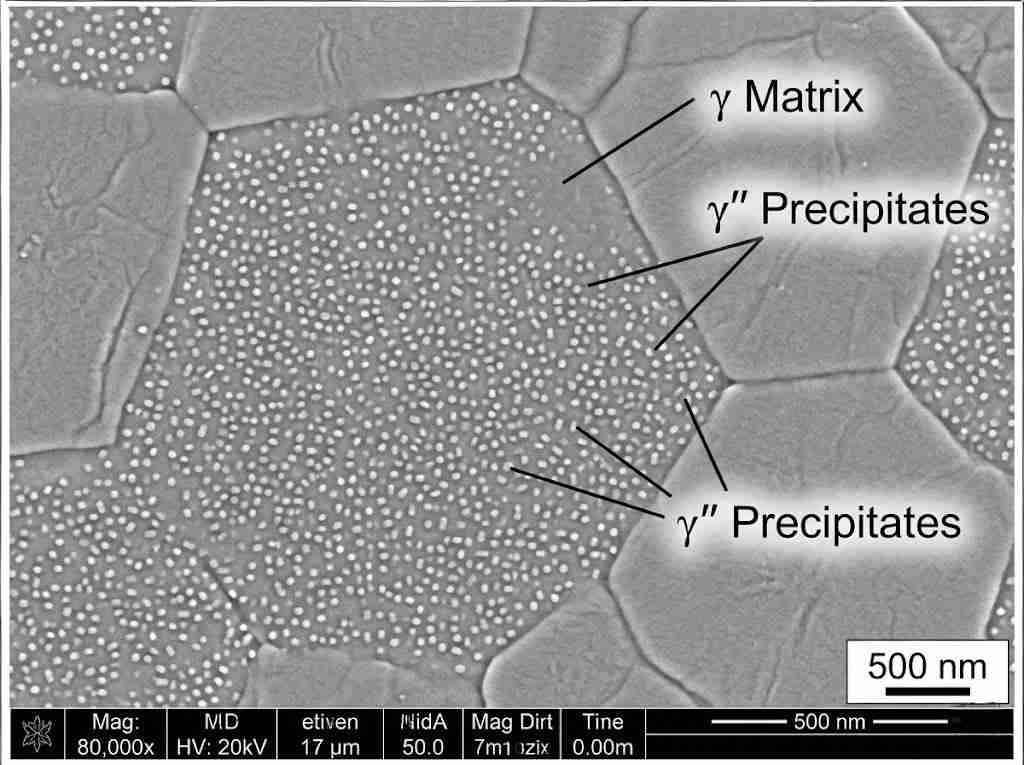
Phase stability is not solely about resisting corrosive media; it fundamentally determines elevated temperature mechanical integrity over thousands of operational hours. When assessing a nickel alloy global supplier, engineers must deeply review their high-temperature tensile data and stress-rupture test methodologies. Consider age-hardenable superalloys such as Alloy 718. Its primary strengthening mechanism relies entirely on the precise precipitation of coherent body-centered tetragonal (Ni3Nb) particles within the matrix. If the thermomechanical processing and heat treatment sequence—specifically the solution annealing and dual-aging steps—are poorly controlled, the metastable rapidly transforms into the thermodynamically stable, but mechanically useless, orthorhombic phase. This microstructural transformation drastically reduces creep strength and compromises notch ductility under load. A premier nickel alloy global supplier consistently controls the cooling rates to suppress excessive phase formation along the grain boundaries, while maintaining a fine grain structure to optimize low-cycle fatigue resistance. We actively monitor these microstructural evolutions because component failure at 650°C is often sudden, catastrophic, and extremely costly. The operational reliability of your entire system depends entirely on this microscopic precision. Choosing the right nickel alloy global supplier means verifying their continuous commitment to metallurgical integrity, ensuring that every billet, bar, or plate performs exactly as modeled in your finite element analyses.
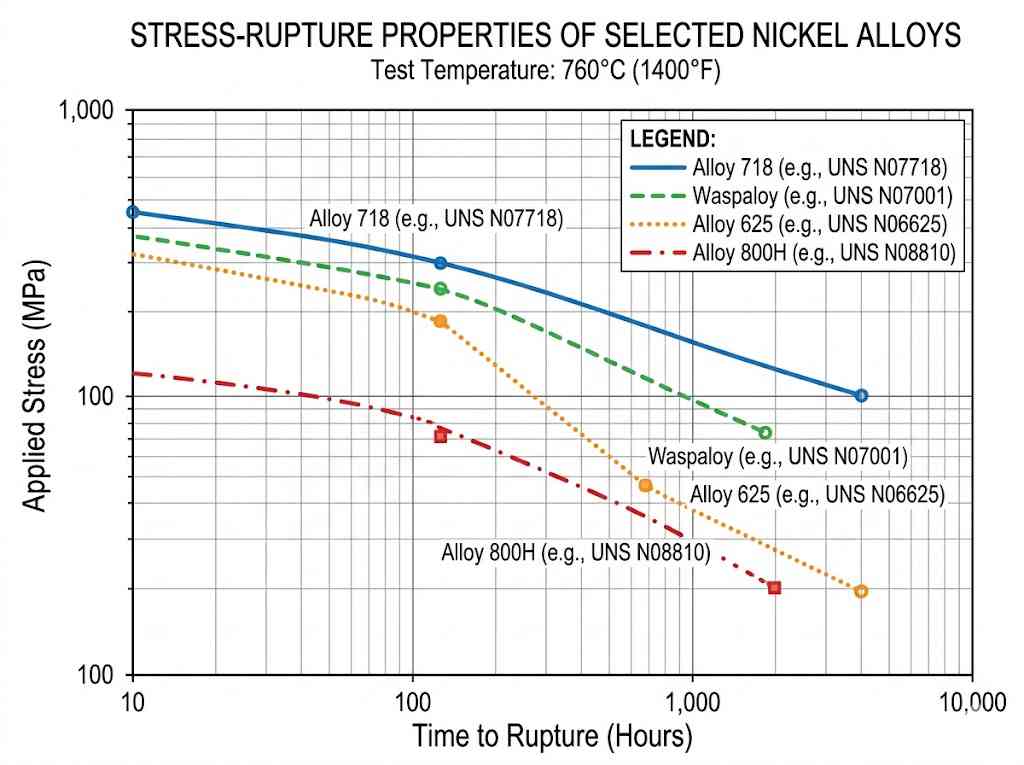
The inherent complexities of nickel-based superalloys demand a rigorous, uncompromising engineering approach. Selecting an expert nickel alloy global supplier effectively mitigates the severe risks of catastrophic stress corrosion cracking and premature high-temperature creep failure. This selection process requires a profound understanding of phase kinetics, precise chemical controls, and rigorous thermomechanical processing. At 28Nickel, our engineering team continuously analyzes these exact metallurgical parameters to ensure absolute material reliability. If your current project involves aggressive corrosive media, sour gas, or extreme thermal cycling, relying solely on basic material test reports is insufficient for long-term safety. Engage directly with our materials engineers to discuss your specific operational parameters, applied load conditions, and environmental variables. We will help you determine the exact microstructural requirements needed to guarantee the longevity of your critical components.
Related Q&A:
Q1: How does a nickel alloy global supplier prevent sensitization during welding operations?
A1: A specialized nickel alloy global supplier controls carbon to ultra-low levels (often <0.015%) and adds stabilizing elements like Niobium or Titanium. This thermodynamic control prevents chromium carbide precipitation at grain boundaries in the heat-affected zone, maintaining intergranular corrosion resistance.
Q2: What role does vacuum induction melting (VIM) play when evaluating a nickel alloy global supplier?
A2: VIM is critical for reducing dissolved gases like oxygen and nitrogen, and minimizing non-metallic inclusions. A supplier utilizing VIM ensures a significantly cleaner microstructure, which directly improves the alloy’s high-cycle fatigue life and transverse ductility under stress.
Q3: Why should engineers rigidly verify the heat treatment protocols of their nickel alloy global supplier?
A3: Heat treatment dictates phase precipitation kinetics. Improper solution annealing or aging by a supplier can lead to the formation of brittle TCP phases or excessive phase, which severely compromises the alloy’s fracture toughness and long-term creep-rupture strength.