Selecting a reliable nickel alloy manufacturer is critical for industries that demand high-performance materials capable of withstanding extreme environments. Nickel-based superalloys are the backbone of modern engineering, prized for their exceptional resistance to corrosion, heat, and oxidation. Whether it is for aerospace turbines or deep-sea oil drilling, the expertise of a specialized nickel alloy manufacturer ensures that the chemical composition and mechanical properties meet stringent international standards like ASTM and ASME. In this guide, we explore the intricate processes and specialized applications that define the world of high-performance nickel production.
The Role of a Nickel Alloy Manufacturer
A premier nickel alloy manufacturer does more than just melt metal. They are engineers of durability. The production process often involves Vacuum Induction Melting (VIM) and Vacuum Arc Remelting (VAR) to ensure the highest purity levels. By precisely controlling elements like chromium, molybdenum, and iron, a nickel alloy manufacturer creates materials that can operate at temperatures exceeding 700°C without losing structural integrity.
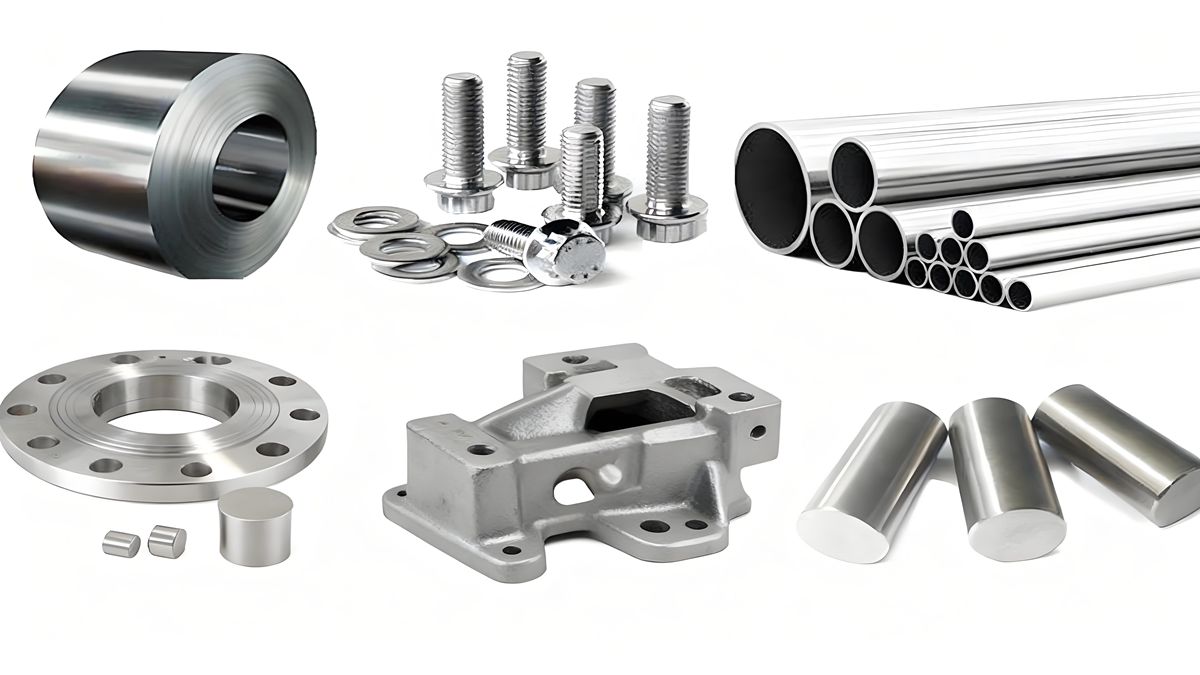
This level of precision is why the global supply chain relies on a dedicated nickel alloy manufacturer. From the initial ingot to the final cold-rolled sheet or seamless pipe, every step is monitored through rigorous non-destructive testing (NDT) to guarantee safety in mission-critical operations.
Key Materials Produced by a Nickel Alloy Manufacturer
Different industrial challenges require different chemical profiles. A versatile nickel alloy manufacturer typically offers a range of “superalloys” categorized by their primary characteristics. Below is a comparison of the most common grades provided by a leading nickel alloy manufacturer:
| Alloy Grade | Key Characteristics | Common Applications |
|---|---|---|
| Inconel 625 | High strength, excellent fatigue resistance, and oxidation resistance. | Aerospace engine components, chemical processing, marine hardware. |
| Hastelloy C276 | Outstanding resistance to localized corrosion and reducing/oxidizing environments. | Pollution control, waste treatment, sour gas environments. |
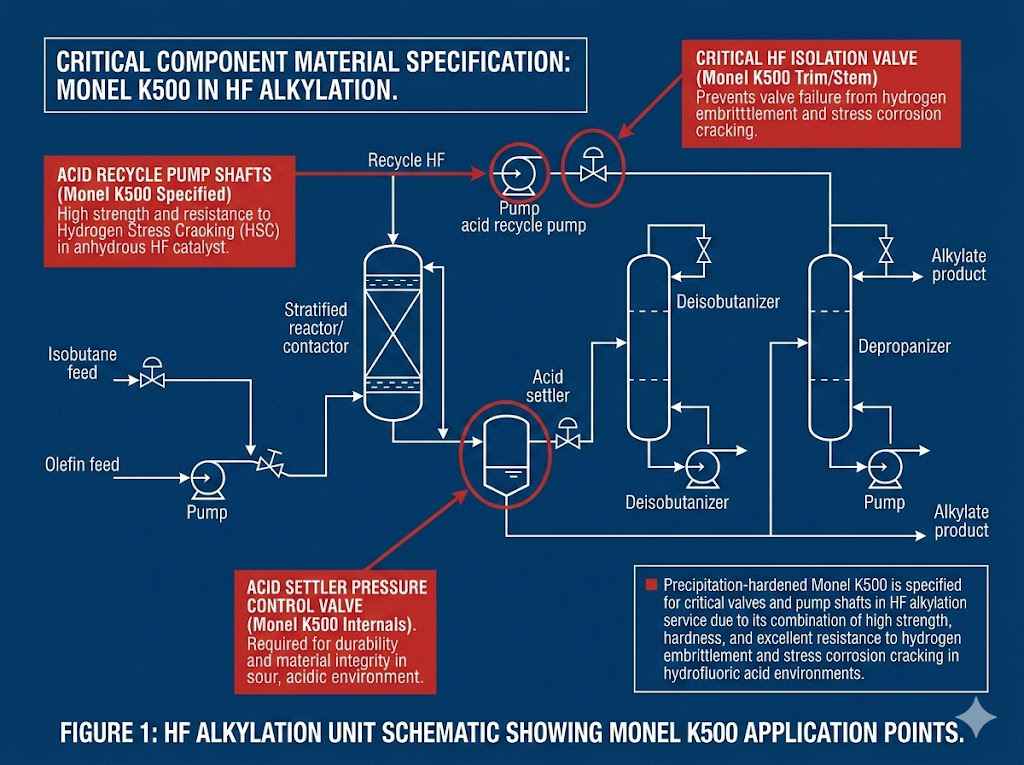
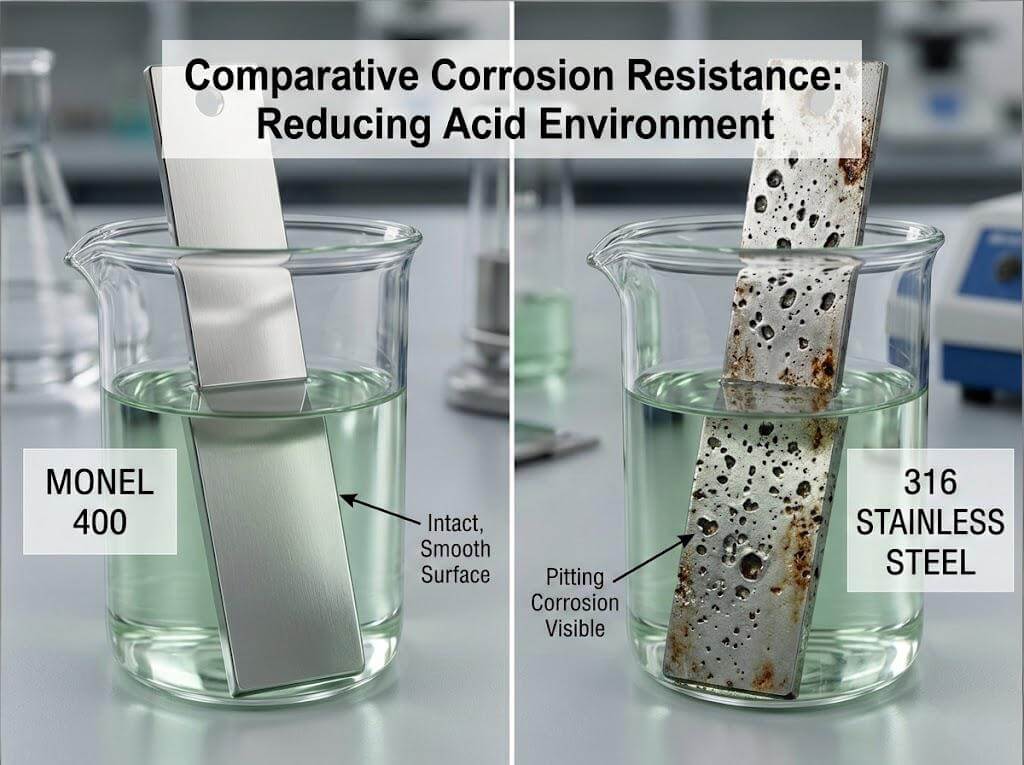
| Monel 400 | Excellent resistance to sea water and steam at high temperatures. | Marine engineering, salt production, hydrocarbon processing. |
| Incoloy 825 | Resistant to sulfuric and phosphoric acids; prevents stress-corrosion cracking. | Oil and gas piping, acid production, nuclear fuel reprocessing. |
Why Partner with a Certified Nickel Alloy Manufacturer?
Quality assurance is the hallmark of a top-tier nickel alloy manufacturer. When sourcing materials for high-pressure or high-temperature systems, the cost of failure is astronomical. Therefore, a reputable nickel alloy manufacturer maintains certifications such as ISO 9001, AS9100 (for aerospace), and PED (Pressure Equipment Directive). These certifications prove that the nickel alloy manufacturer follows a standardized workflow that prioritizes traceability and material consistency.
Furthermore, an innovative nickel alloy manufacturer invests heavily in R&D to develop new grades that are lighter, stronger, and more cost-effective. By collaborating directly with a nickel alloy manufacturer, engineers can customize the dimensions and tolerances of their raw materials, reducing waste and streamlining the fabrication process.
Related Q&A
Q1: What is the primary advantage of buying directly from a nickel alloy manufacturer?
A: Buying directly from a nickel alloy manufacturer ensures full material traceability, competitive pricing by eliminating middlemen, and the ability to request custom sizes or specific heat-treatment conditions.
Q2: How does a nickel alloy manufacturer test for quality?
A: Most facilities use a combination of chemical analysis (OES or XRF), mechanical testing (tensile and hardness), and non-destructive methods like ultrasonic or eddy current testing to ensure internal integrity.
Q3: Can a nickel alloy manufacturer provide materials for the green energy sector?
A: Absolutely. A modern nickel alloy manufacturer is essential for hydrogen storage, geothermal energy plants, and carbon capture systems, where corrosion resistance is vital for long-term infrastructure.