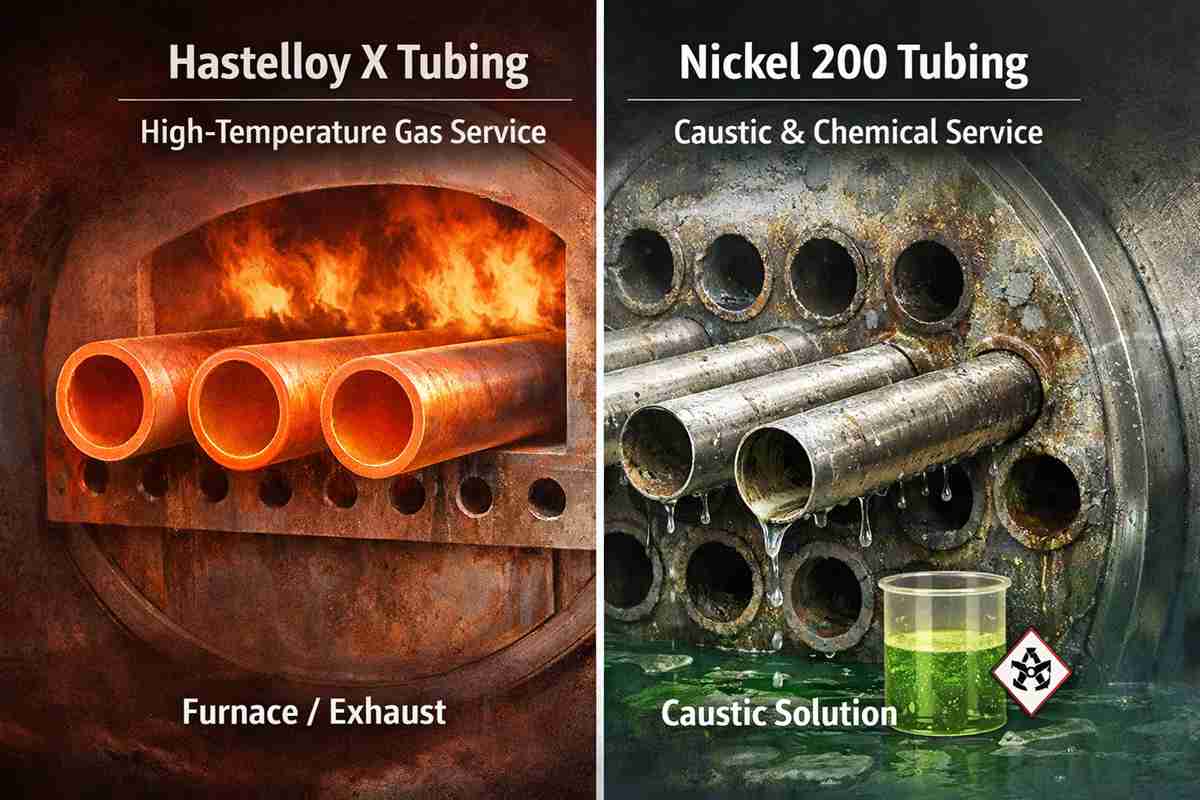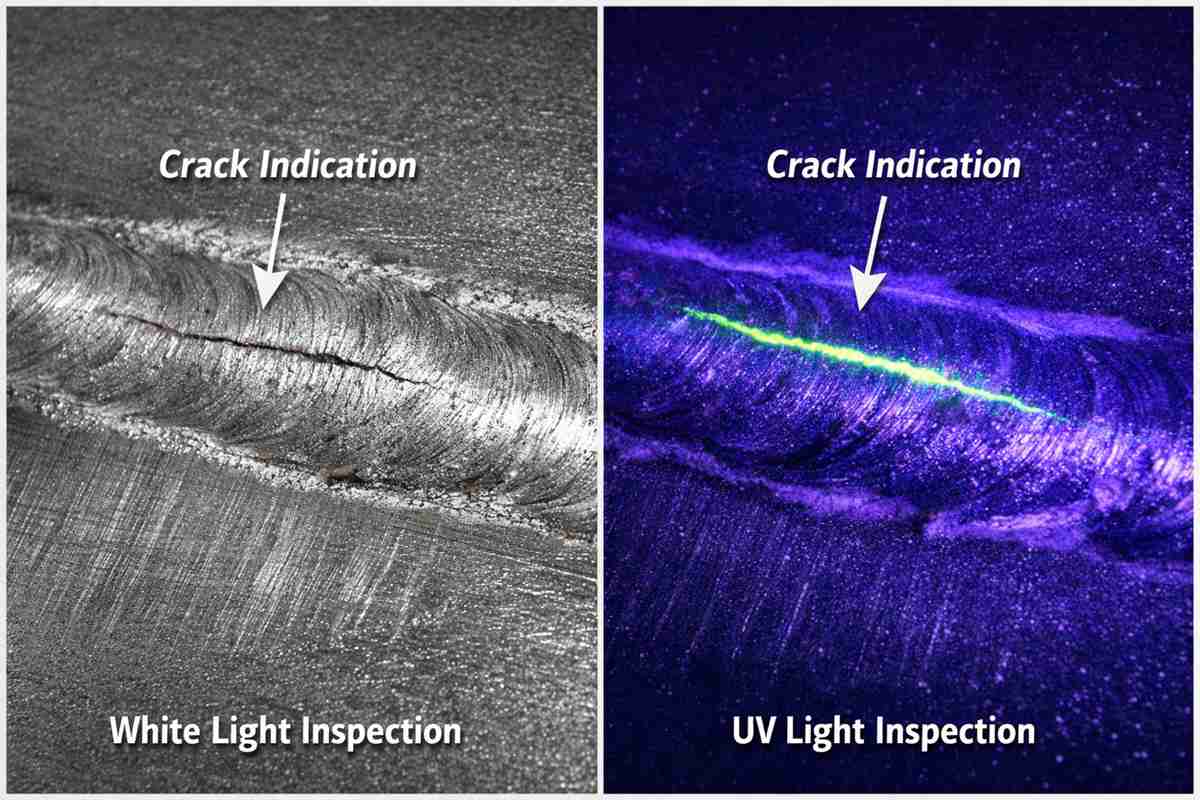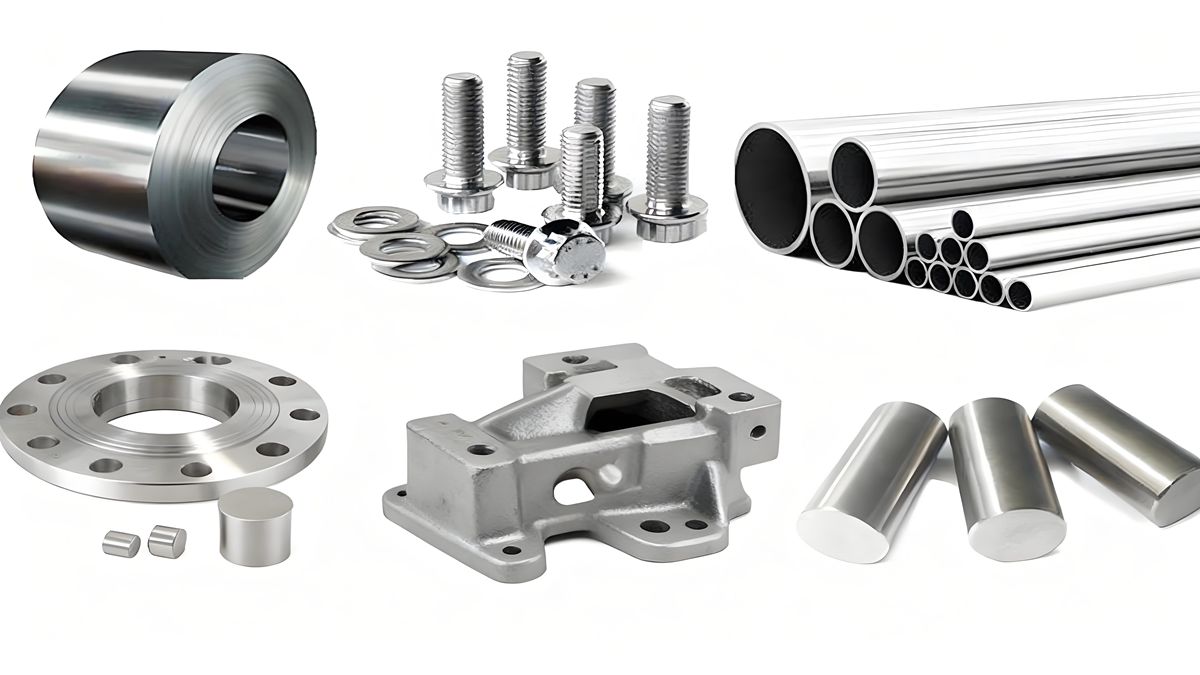
Selecting the correct metallurgy for aggressive environments demands more than basic yield strength data. Engineers constantly battle unexpected stress corrosion cracking (SCC) and localized pitting in sour gas or chloride-rich streams. A generalized selection process often leads to catastrophic failure. Developing a highly precise nickel alloy material guide is mandatory for mitigating these risks. It requires a deep dive into phase stability, elemental partitioning, and precise environmental matching. At 28Nickel, we approach material selection through strict metallurgical evaluation rather than superficial data matching. Relying on an accurate nickel alloy material guide allows you to navigate the complex trade-offs between high-temperature oxidation resistance and low-temperature aqueous corrosion.
Evaluating Aqueous Corrosion and PREN
When designing fluid handling systems for hydrochloric or sulfuric acid, the Pitting Resistance Equivalent Number (PREN) serves as a baseline metric. However, simply calculating PREN () is insufficient without context. Solid solution strengthened alloys perform differently based on their specific Mo and W concentrations. For instance, while Alloy 625 offers excellent general corrosion resistance, shifting to Alloy C-276 is often necessary when highly reducing acids are present.
A robust nickel alloy material guide must account for the synergistic effects of chromium and molybdenum. Chromium forms the passive oxide layer, but molybdenum prevents the breakdown of this layer in localized acidic pits. Selecting an alloy with marginal PREN for a high-chloride environment invites crevice corrosion under gaskets or deposits. Engineers must consult a detailed nickel alloy material guide to determine exact iso-corrosion lines before finalizing specifications for reactor vessels or heat exchanger tubing.
| Alloy Designation | UNS Number | Nickel (Ni) % | Chromium (Cr) % | Molybdenum (Mo) % | Iron (Fe) % | Typical PREN | Primary Microstructure |
| Alloy 400 | N04400 | 63.0 min | – | – | 2.5 max | N/A | Solid Solution |
| Alloy 825 | N08825 | 38.0 – 46.0 | 19.5 – 23.5 | 2.5 – 3.5 | 22.0 min | ~31 | Solid Solution |
| Alloy 625 | N06625 | 58.0 min | 20.0 – 23.0 | 8.0 – 10.0 | 5.0 max | ~50 | Solid Solution |
| Alloy C-276 | N10276 | Balance | 14.5 – 16.5 | 15.0 – 17.0 | 4.0 – 7.0 | ~68 | Solid Solution |
High-Temperature Phase Stability Challenges
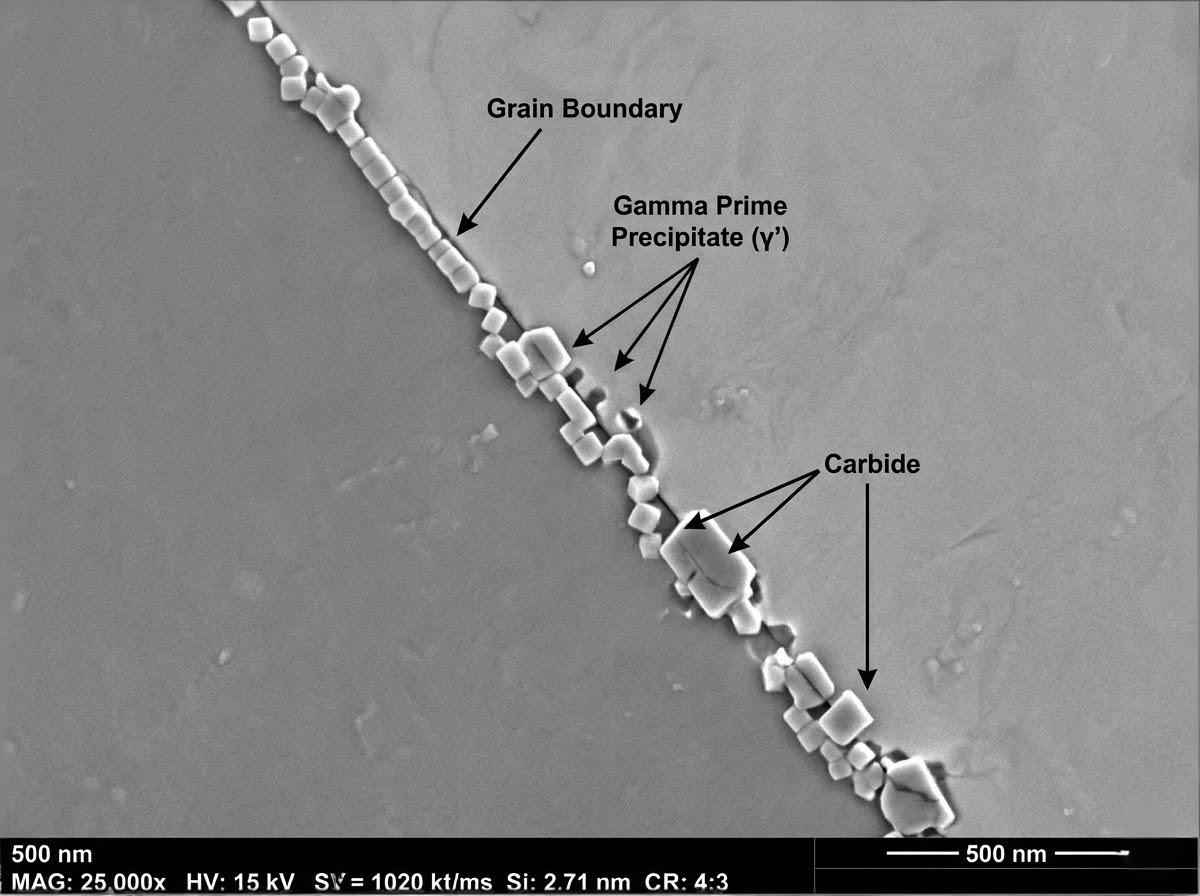
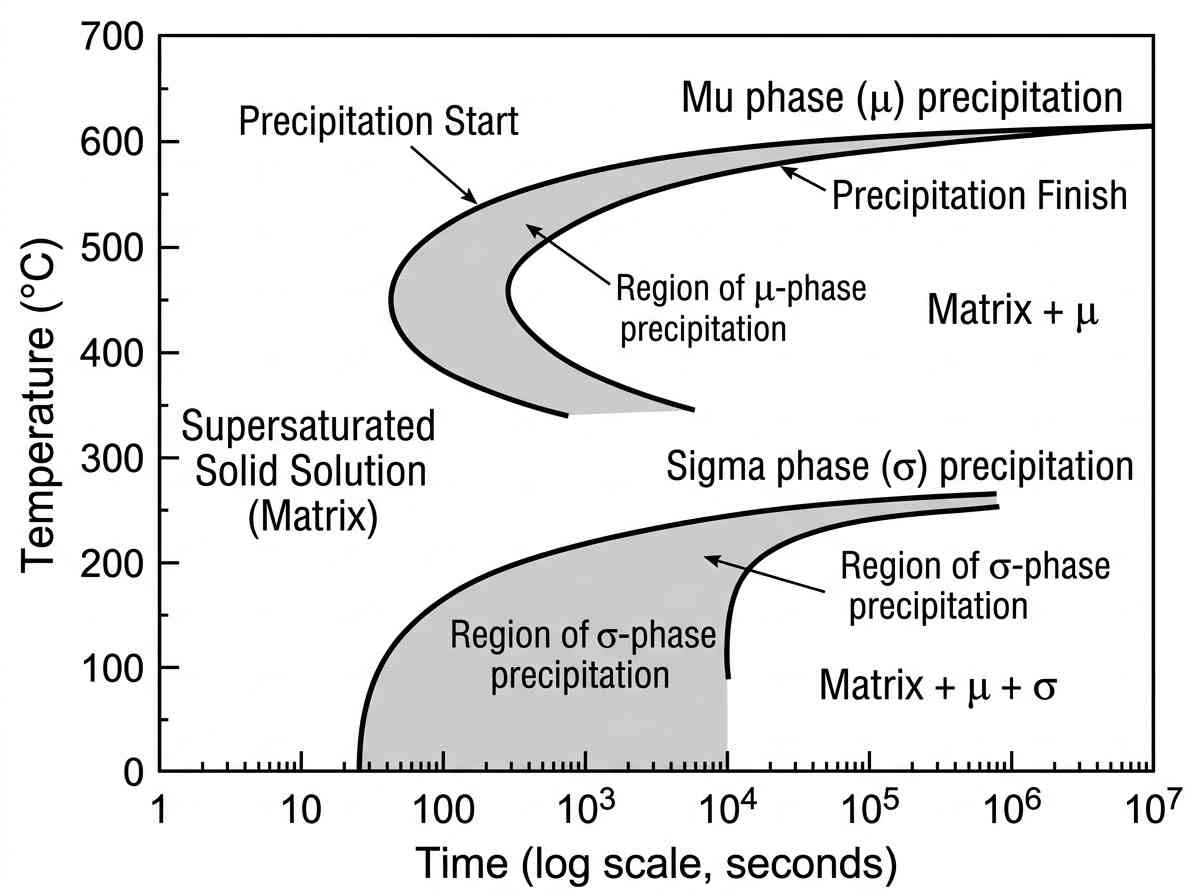
Beyond room-temperature aqueous corrosion, thermal stability is critical. Extended exposure to temperatures between 600°C and 900°C can induce the precipitation of Topologically Close-Packed (TCP) phases, such as sigma () and mu () phases. These hard, brittle intermetallic compounds drain the surrounding matrix of critical alloying elements like chromium and molybdenum, significantly reducing both ductility and localized corrosion resistance.
Understanding these transformation kinetics is the core function of an advanced nickel alloy material guide. For example, while Alloy 625 is highly versatile, prolonged service at intermediate temperatures leads to the formation of phases. This precipitation hardens the material but drastically lowers its impact toughness. A true engineering-grade nickel alloy material guide outlines these time-temperature-transformation (TTT) diagrams, ensuring that the selected material retains its mechanical integrity over a 20-year design life.
Mitigating Environmental Cracking
Hydrogen embrittlement and chloride-induced SCC remain leading causes of pressure vessel failures. Austenitic stainless steels routinely fail under these conditions, necessitating the shift to higher nickel content. Nickel inherently resists chloride ion stress corrosion cracking. As the nickel content approaches 42%, the susceptibility to SCC drops to negligible levels. Integrating this threshold data into your nickel alloy material guide prevents critical failures in upstream oil and gas applications. At 28Nickel, we prioritize microstructural analysis to match the exact alloy chemistry to your specific operational stress and environmental load. A meticulously calibrated nickel alloy material guide is your primary defense against unexpected downtime.
To ensure your systems are engineered with the precise metallurgy required for your specific operational parameters, consult with our engineering team for a customized technical evaluation.
Related Q&A
Q: How does a nickel alloy material guide address the precipitation of deleterious phases in severe environments?
A: It utilizes Time-Temperature-Transformation (TTT) curves to predict when brittle intermetallic phases like sigma or mu will form. By referencing a technical nickel alloy material guide, engineers can select alloys with optimized chemistry, like controlled iron or tungsten levels, to delay phase instability during high-temperature service.
Q: Why is Alloy 825 sometimes preferred over Alloy 625 despite a lower PREN?
A: Alloy 825 contains higher iron and copper additions, making it exceptionally resistant to sulfuric acid at specific concentrations. A specialized nickel alloy material guide will highlight that PREN only measures pitting resistance, whereas copper additions actively reduce the corrosion rate in reducing bulk environments.
Q: At what chloride concentration does stress corrosion cracking mandate a shift from stainless steel to high-nickel alloys?
A: While temperature and tensile stress play a role, chloride concentrations exceeding 50 ppm at temperatures above 60°C typically initiate SCC in standard 300-series stainless steels. Upgrading to a material with >40% nickel is generally advised to ensure structural integrity under sustained loads.