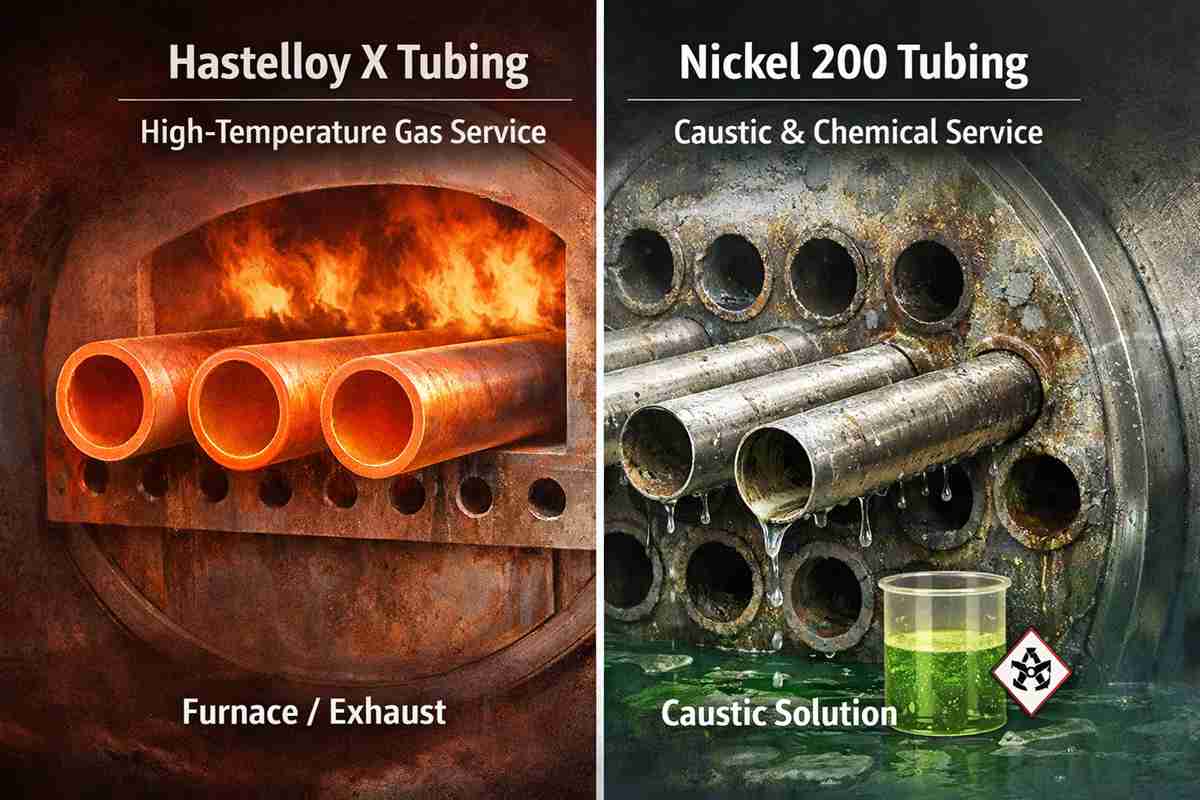
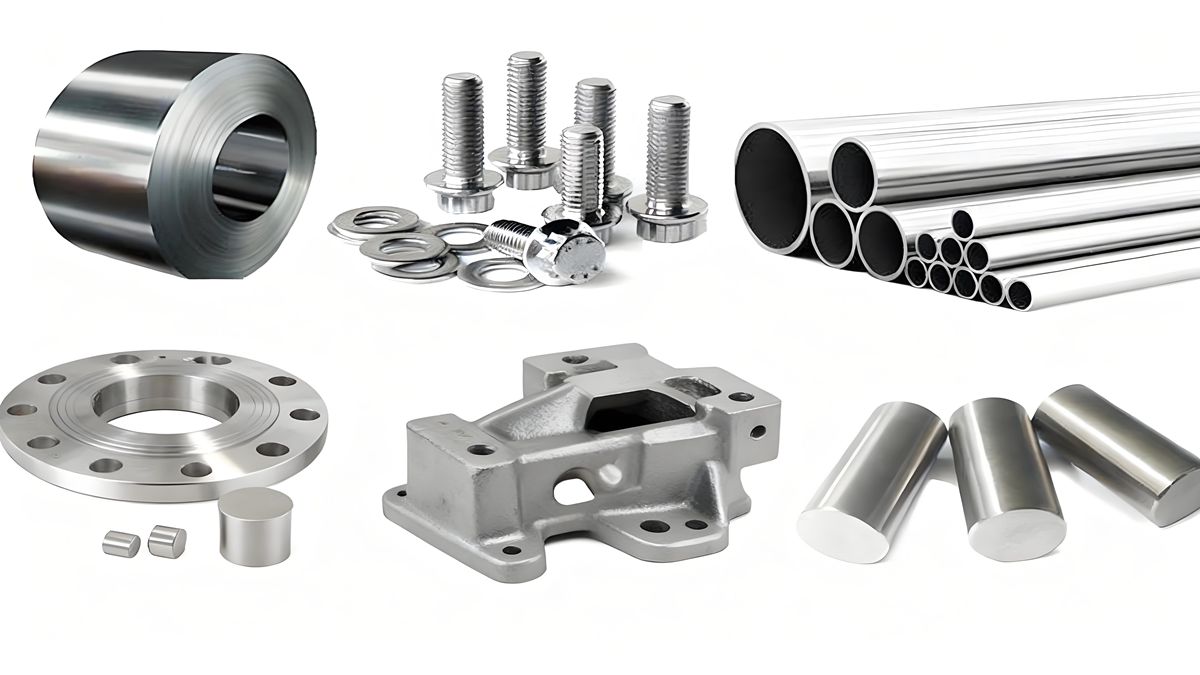
The base cost of any nickel alloy starts with its chemical formulation, as the type and concentration of alloying elements directly dictate raw material input costs. Pure nickel (Alloy 200) serves as the baseline, with pricing closely tied to LME nickel spot prices. However, most industrial nickel alloys incorporate high-value alloying elements to enhance specific properties: chromium for high-temperature oxidation resistance, molybdenum and tungsten for pitting and crevice corrosion resistance in chloride-rich environments, niobium and titanium for grain stabilization and precipitation hardening, and cobalt for elevated-temperature strength.
Each of these elements carries significant and often volatile pricing, with molybdenum, niobium, and tantalum typically commanding 2-5 times the per-kilogram cost of primary nickel. For example, a 1 wt% increase in molybdenum content can raise the raw material cost of a nickel alloy by 3-5%, a dynamic that explains the substantial price gap between general-purpose alloys like Alloy 400 (65% Ni, 31% Cu, 0% Mo) and high-performance corrosion-resistant alloys like Alloy C276 (57% Ni, 16% Mo, 16% Cr).
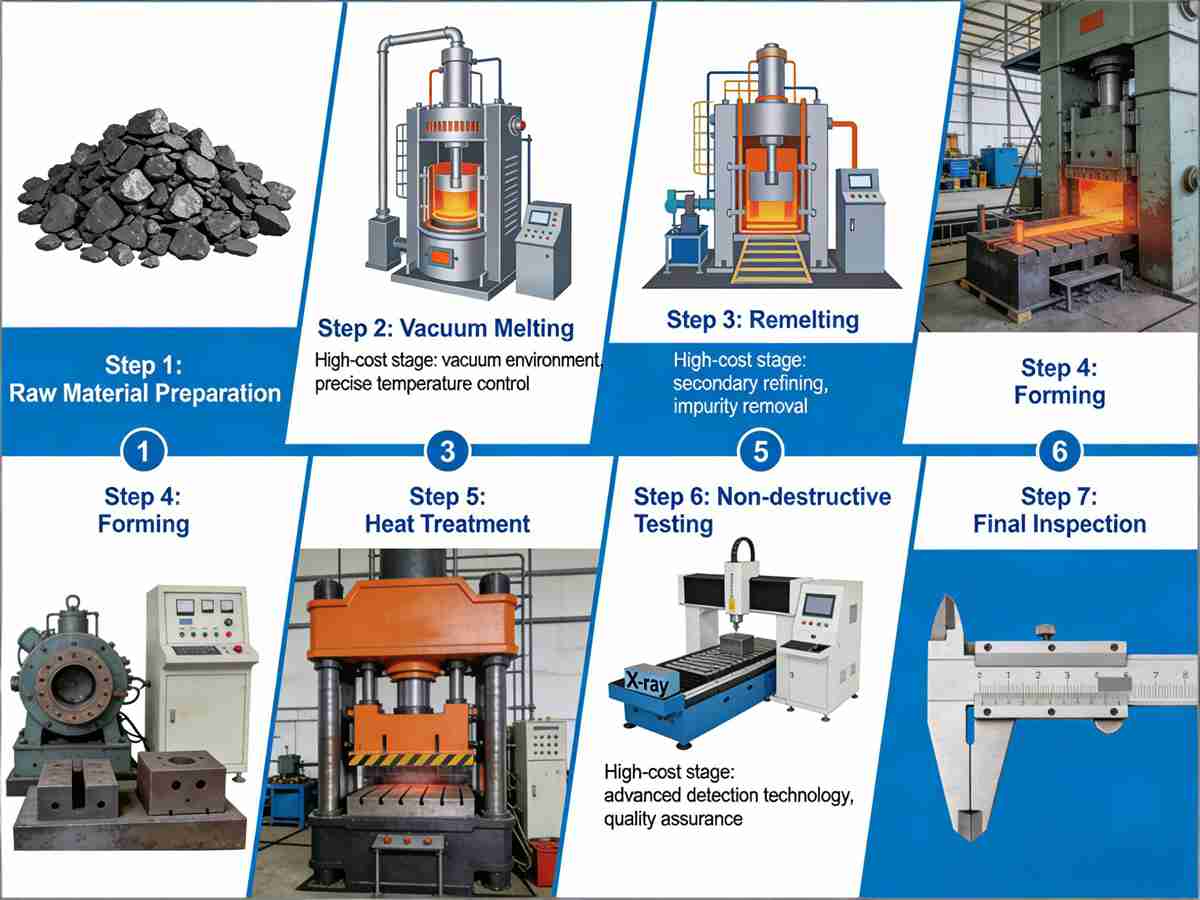
Beyond raw material inputs, the manufacturing workflow required to meet industry specifications is a major determinant of nickel alloy material price. Nickel alloys for critical applications cannot be produced via standard air melting; they require vacuum induction melting (VIM) to minimize gas contamination (oxygen, nitrogen, hydrogen) and avoid oxidation of reactive alloying elements like titanium and aluminum.
For more demanding applications, such as aerospace and nuclear components, secondary melting processes are mandatory: electro-slag remelting (ESR) to refine grain structure and reduce segregation, and vacuum arc remelting (VAR) to achieve ultra-low inclusion levels and uniform mechanical properties. A triple-melt (VIM+ESR+VAR) process can reduce production yield by 15-20% compared to single VIM melting, while adding 30-40% to manufacturing costs, directly translating to a higher final price.
Additional processing steps, including hot and cold working, precision rolling, and drawing to tight dimensional tolerances, further impact cost. For example, seamless nickel alloy tubing with a wall thickness tolerance of ±5% requires multiple cold drawing passes and intermediate annealing, increasing production time and cost by 25-30% compared to tubing with standard ±10% tolerances.
The performance and compliance requirements specified for a given application are another critical driver of nickel alloy material price. All nickel alloys must meet industry standards set by organizations like ASTM, ASME, and API, but more stringent application-specific requirements add significant cost through additional testing and quality control.
For example, nickel alloys used in sour oil and gas environments (NACE MR0175/ISO 15156) require mandatory testing for sulfide stress cracking (SSC) and hydrogen-induced cracking (HIC), per ASTM G39 and ASTM G193 standards. These tests can add 15-25% to the material cost, as they require specialized laboratory equipment, extended test durations (up to 30 days for HIC testing), and strict documentation of results.
Similarly, materials for cryogenic applications require Charpy V-notch impact testing at temperatures as low as -196°C to validate fracture toughness, while aerospace components require non-destructive testing (NDT) including ultrasonic testing (UT), liquid penetrant testing (PT), and radiographic testing (RT) to detect sub-surface inclusions and defects. 100% NDT coverage per AMS specifications can reduce production yield by 10-15% and add 20-30% to the final material price.
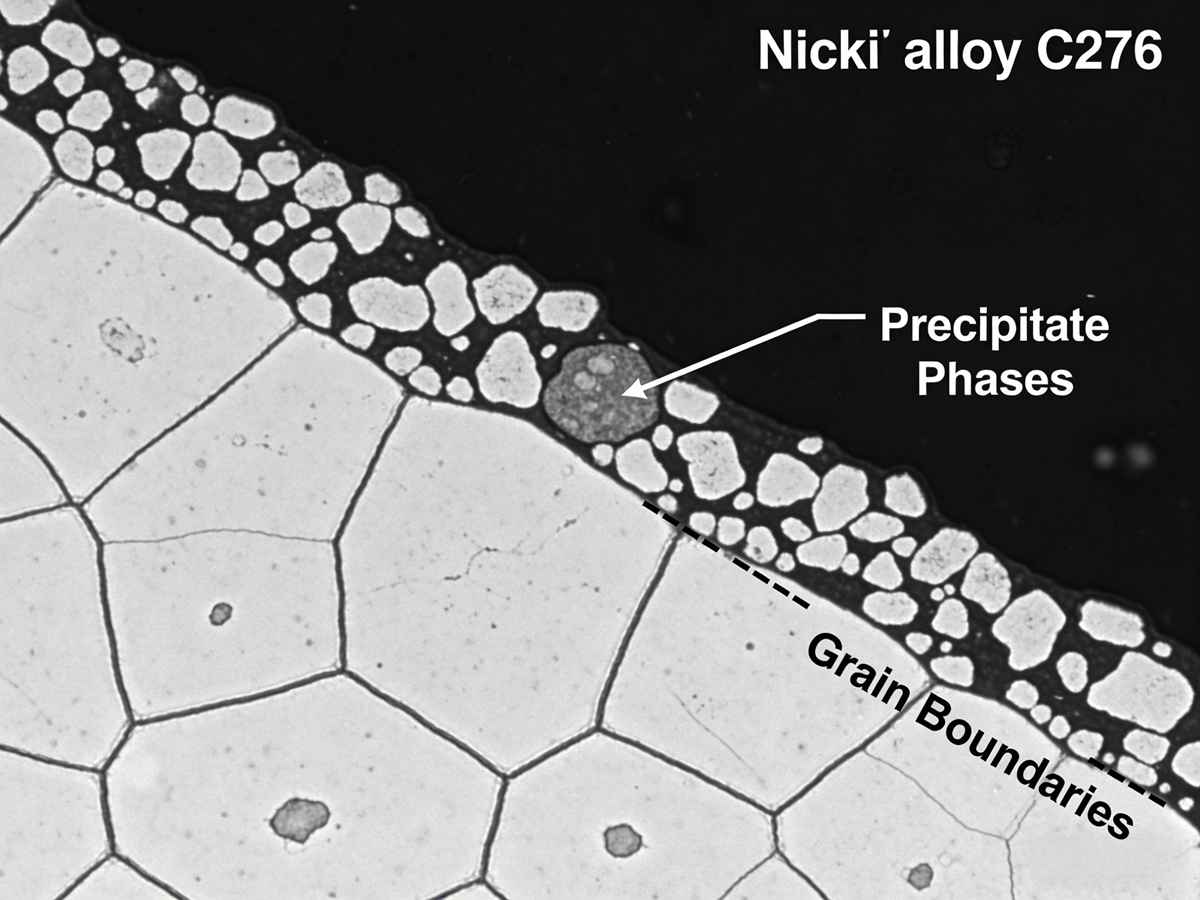
Often overlooked in surface-level price comparisons is the level of microstructural control required for high-performance nickel alloys, which has a direct impact on both material performance and final price. Grain size control, for example, is critical for applications requiring high fatigue strength or uniform mechanical properties. Fine-grain nickel alloys (ASTM grain size 5 or finer) require precise thermomechanical processing, including controlled hot working and recrystallization annealing, which adds 10-20% to processing costs compared to standard coarse-grain material.
For precipitation-hardened (PH) nickel alloys like Alloy 718 and Alloy 725, the control of strengthening precipitate phases (γ” and γ’ phases) requires strict adherence to multi-step heat treatment cycles, including solution annealing at 950-1050°C, rapid quenching, and double or triple age hardening at intermediate temperatures. Deviations of as little as 10°C in heat treatment temperature can result in incomplete precipitation and failure to meet mechanical property requirements, leading to high scrap rates and increased production costs that are reflected in the final nickel alloy material price.
Material qualification for regulated industries, including aerospace, nuclear, and pharmaceutical, also adds significant cost. These industries require full material traceability from melt to finished product, as well as qualification of the manufacturing facility and process to standards like AS9100 for aerospace. The administrative and quality control overhead associated with this qualification is built into the price of the material for these applications.
For design engineers, material specifiers, and project managers working in high-stakes industrial environments, understanding the technical drivers behind nickel alloy material price is critical to making informed decisions that balance material performance, long-term reliability, and project budget constraints. While surface-level price per kilogram is often the first point of comparison, the underlying chemical, manufacturing, and performance characteristics of a nickel alloy ultimately determine its true value for a given application. Our team of nickel alloy material engineers with 20+ years of industry experience can provide customized material analysis, performance validation, and application-specific specification support to help you optimize your material selection.
Q1: How does molybdenum content impact nickel alloy material price?
A1: Molybdenum is a high-cost alloying element that delivers exceptional pitting and crevice corrosion resistance in chloride-rich and reducing chemical environments. Each 1 wt% increase in molybdenum content raises raw material input costs by 3-5%, due to molybdenum’s typically 2-4x higher per-kilogram price compared to primary nickel. Additionally, high-molybdenum alloys require more stringent vacuum melting processes to avoid element segregation and secondary phase formation, further increasing manufacturing costs. This is why alloys like C276 (15-17% Mo) carry a 60-70% higher price than molybdenum-free alloys like Alloy 600.
Q2: Why does aerospace-grade nickel alloy material have a higher price than commercial-grade equivalents?
A2: Aerospace-grade nickel alloys require far more stringent manufacturing and testing requirements than commercial-grade material, directly driving higher costs. Most aerospace specifications mandate triple melting (VIM+ESR+VAR) to achieve ultra-low gas content (oxygen <20 ppm), minimal non-metallic inclusions, and uniform grain structure. This process reduces production yield by 15-20% while adding 30-40% to manufacturing costs. Additionally, aerospace-grade material requires 100% non-destructive testing per AMS standards, full batch traceability, and compliance with AS9100 quality management systems, all of which add overhead and are reflected in the final price.
Q3: How does heat treatment specification affect nickel alloy material price?
A3: Heat treatment is a critical process that defines the mechanical properties and microstructure of nickel alloys, and
custom or stringent heat treatment specifications directly increase material price. Standard solution annealing for corrosion-resistant alloys involves a single high-temperature hold and quench, while precipitation-hardened alloys like Alloy 718 require multi-step age hardening cycles with precise temperature control (±5°C) and extended hold times. A double age hardening cycle can increase processing costs by 25-35% compared to a standard solution anneal, due to higher energy usage, longer furnace occupancy, and increased scrap risk from temperature deviations. Cryogenic treatment for enhanced wear resistance can add an additional 15-20% to processing costs