In the modern industrial landscape, the demand for materials that can withstand extreme environments is ever-increasing. Nickel alloy products have become the backbone of critical sectors such as aerospace, chemical processing, and marine engineering. At 28Nickel, we understand that selecting the right material is not just about cost—it is about ensuring the longevity and safety of your operations under high temperatures and corrosive conditions.
The Superior Benefits of Nickel Alloy Products
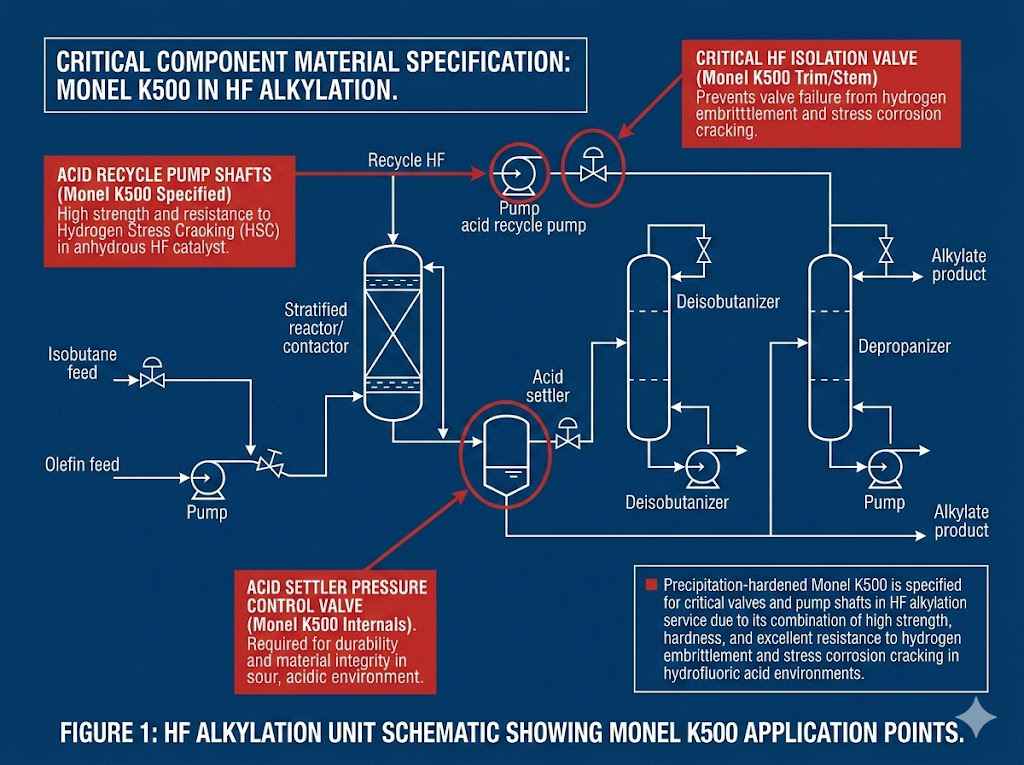
The primary reason engineers specify nickel alloy products is their exceptional versatility. Unlike standard stainless steel, these alloys maintain high mechanical strength and oxidation resistance at temperatures where other metals would fail. Whether it is the creep resistance required in gas turbines or the acid resistance needed in chemical reactors, these products provide a level of reliability that is unmatched.
Key Applications of Nickel Alloy Products
From deep-sea oil drilling to the searing heat of jet engines, nickel alloy products are indispensable. Their unique atomic structure allows them to be alloyed with chromium, molybdenum, and iron to create specialized solutions:
-
Aerospace: High-temperature strength for turbine blades.
-
Marine: Resistance to salt-water corrosion for valves and pumps.
-
Energy: Critical components for nuclear power and renewable energy systems.
Technical Comparison of Common Nickel Alloy Products
To help you choose the right material, the following table outlines the characteristics of the most sought-after grades available at 28Nickel:
| Alloy Grade | Primary Characteristics | Common Industrial Use |
| Inconel 625 | High fatigue strength & oxidation resistance | Aerospace & Chemical Processing |
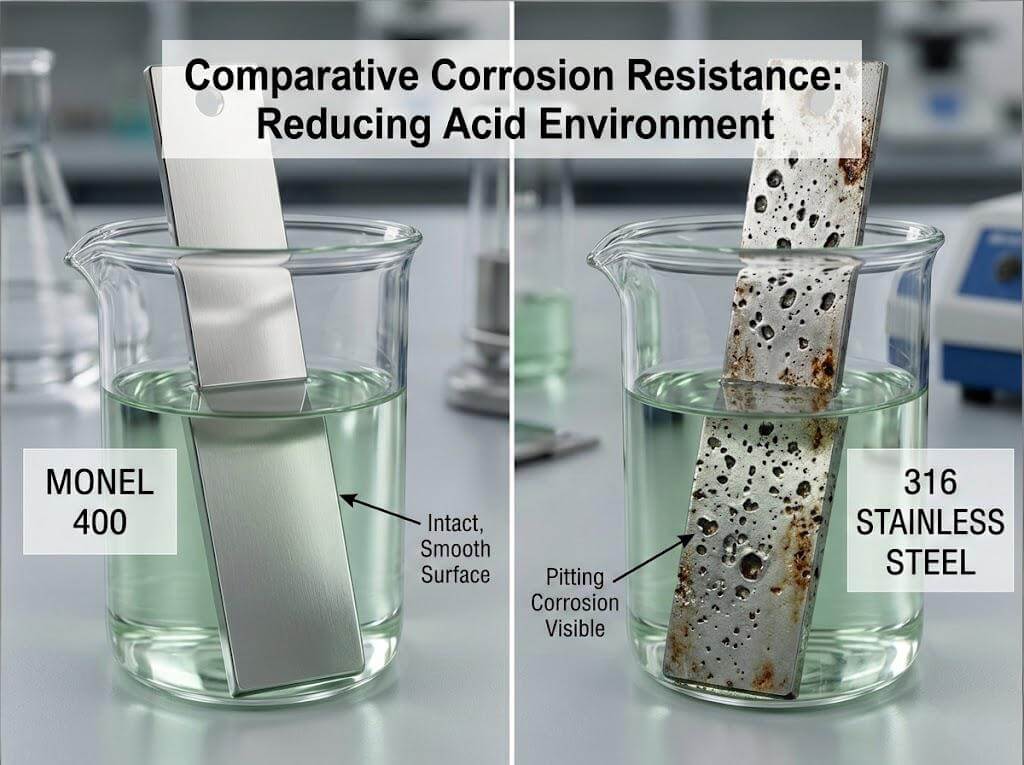
| Monel 400 | Excellent resistance to seawater & steam | Marine Engineering & Valves |
| Hastelloy C276 | Outstanding resistance to aggressive chemicals | Pollution Control & Waste Treatment |
| Incoloy 825 | Resistance to stress-corrosion cracking | Oil & Gas Acidic Environments |
Strategic Selection of Nickel Alloy Products
When sourcing nickel alloy products, it is vital to consider the specific corrosive media and thermal cycles the material will face. At 28Nickel, we provide technical consultation to ensure that the grade you select optimizes the lifecycle of your equipment. Investing in high-quality nickel alloy products reduces downtime and maintenance costs significantly over the long term.
Related Q&A
Q1: Why are nickel alloy products preferred over stainless steel in harsh environments?
While stainless steel is corrosion-resistant, nickel alloy products offer superior performance in extreme heat and highly acidic or alkaline environments where stainless steel might suffer from pitting or stress cracking.
Q2: What is the typical temperature range for these products?
Most high-performance nickel alloy products can operate effectively from cryogenic temperatures up to (), depending on the specific alloying elements like chromium or cobalt.
Q3: How does 28Nickel ensure the quality of its supplies?
Every batch of our nickel alloy products undergoes rigorous testing, including chemical analysis and mechanical property verification, to meet international standards such as ASTM and ASME.