In the demanding world of industrial engineering, selecting the right material can mean the difference between a project’s success and a catastrophic failure. High-performance materials are required to withstand extreme heat, corrosive chemicals, and high pressure. This is where understanding nickel alloy properties becomes critical. As a versatile metal, nickel serves as the “backbone” of many superalloys, offering a unique combination of heat resistance and ductility that few other elements can match. At 28Nickel, we specialize in providing these high-grade materials to industries that cannot afford to compromise on quality.
The Metallurgical Foundation of Nickel Alloy Properties
The primary reason why nickel is favored in metallurgy is its face-centered cubic (FCC) crystal structure. This atomic arrangement remains stable from cryogenic temperatures up to the melting point, which directly influences several nickel alloy properties. Unlike many steels that become brittle in cold environments, nickel alloys maintain high toughness.
Furthermore, nickel’s high solubility for alloying elements like chromium, molybdenum, and iron allows for the creation of complex “superalloys.” These additives enhance specific nickel alloy properties, such as the ability to form a protective, adherent oxide layer that prevents further corrosion in oxidizing atmospheres.
Corrosion Resistance and Thermal Stability
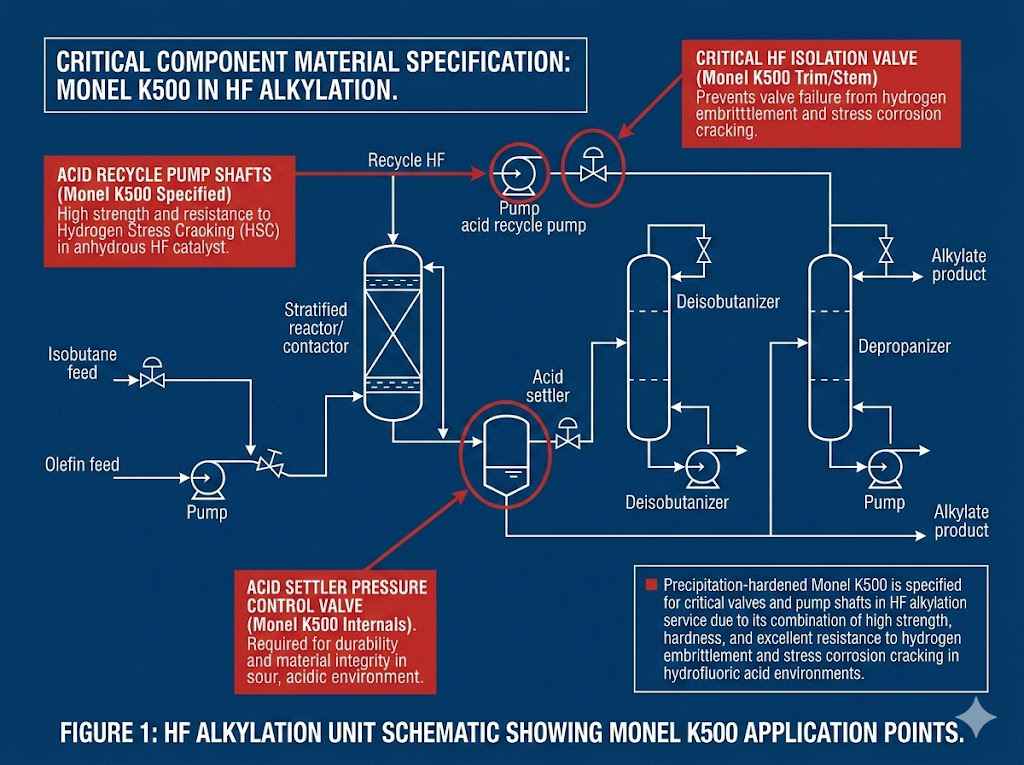
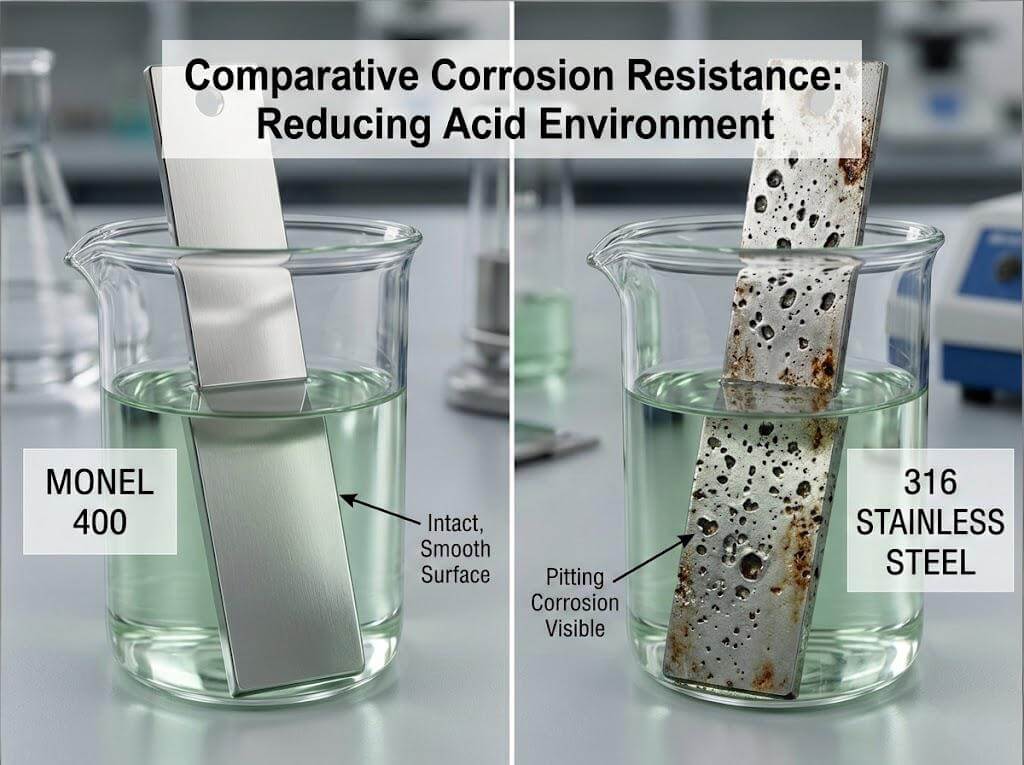
One of the most sought-after nickel alloy properties is exceptional resistance to both aqueous corrosion and high-temperature oxidation. For instance, when chromium is added, the alloy develops a “passive” film that heals itself if scratched. In reducing environments—where oxygen is scarce—the addition of molybdenum or copper is vital.
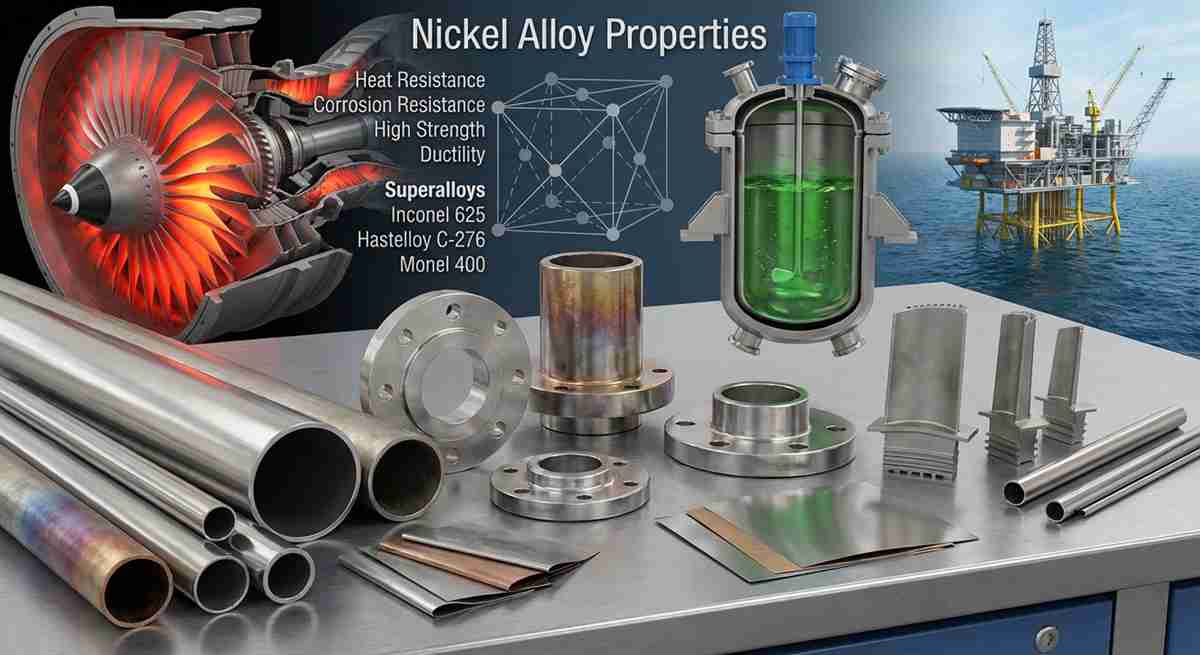
Moreover, the thermal stability of these materials is unmatched. In aerospace turbines or chemical reactors, materials must resist “creep”—the tendency of a solid material to move slowly or deform permanently under the influence of persistent mechanical stresses. The inherent nickel alloy properties allow these metals to maintain their mechanical integrity at temperatures exceeding , a threshold where most structural steels would lose their load-bearing capacity.
Comparative Analysis of Common Grades
To better understand how specific elements modify nickel alloy properties, refer to the table below comparing three industry standards:
| Alloy Type | Key Chemical Elements | Primary Nickel Alloy Properties | Typical Applications |
| Inconel 625 | Ni, Cr, Mo, Nb | High fatigue strength, oxidation resistance | Aerospace, Marine engineering |
| Hastelloy C-276 | Ni, Mo, Cr, W | Outstanding resistance to pitting and FCC | Chemical processing, Waste treatment |
| Monel 400 | Ni, Cu | Excellent resistance to seawater and steam | Marine valves, Heat exchangers |
Mechanical Strength and Fabricability
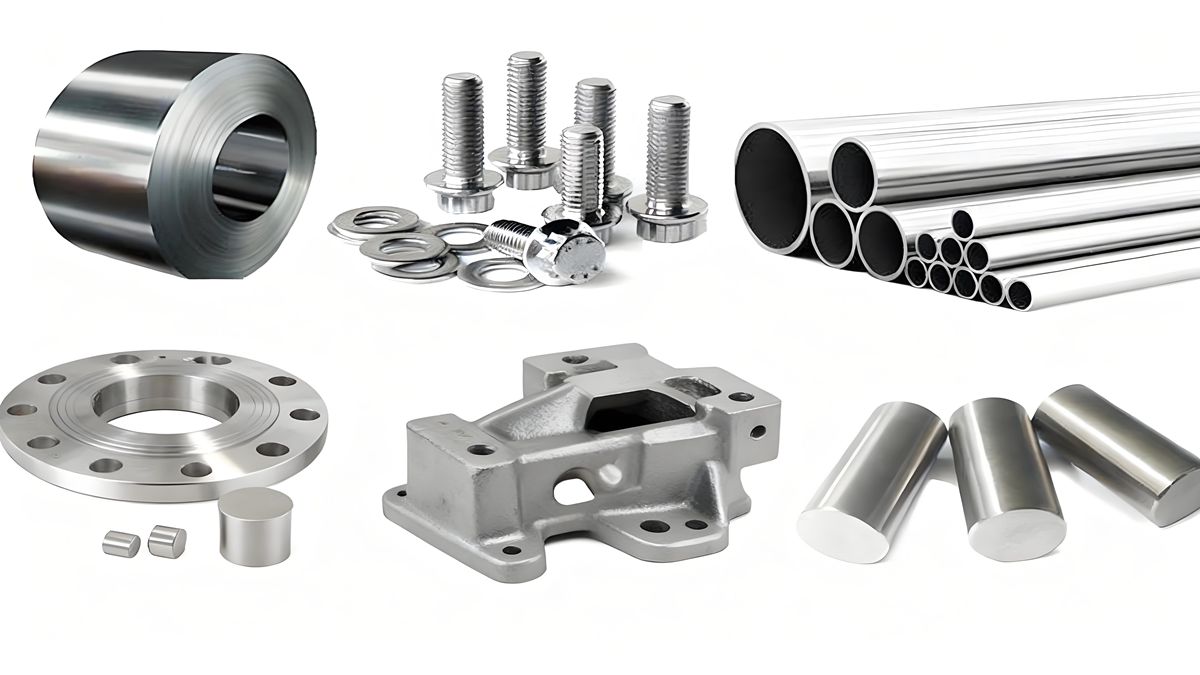
Beyond chemical resistance, the mechanical nickel alloy properties are diverse. These alloys can be engineered to be incredibly hard (through precipitation hardening) or highly ductile for complex forming processes. This fabricability is essential for foreign trade customers who require specific shapes, such as seamless pipes, forged flanges, or thin foils. Because nickel alloys are compatible with most welding techniques, they are the preferred choice for complex modular constructions in offshore oil and gas sectors.
Conclusion
In summary, the specific nickel alloy properties required for a project depend heavily on the operating environment. Whether you are dealing with the sulfuric acid of a processing plant or the intense heat of a jet engine, 28Nickel provides the metallurgical expertise and material inventory to meet those demands. Investing in high-quality nickel alloys is not just a purchase; it is a commitment to the longevity and safety of your industrial infrastructure.
Related Q&A
1. Which nickel alloy properties make it suitable for marine environments?
The combination of nickel and copper (as seen in Monel) or nickel and chromium provides a high resistance to salt-water corrosion and biofouling. These alloys form a protective layer that resists the chloride-induced stress corrosion cracking common in marine settings.
2. How do nickel alloy properties change at cryogenic temperatures?
Unlike carbon steels, which undergo a ductile-to-brittle transition at low temperatures, the FCC structure of nickel alloys ensures they remain tough and ductile even at temperatures as low as .
3. Can nickel alloy properties be customized?
Yes. By adjusting the “solute” elements like cobalt, tungsten, or titanium, manufacturers can “fine-tune” properties such as magnetic permeability, thermal expansion, or peak tensile strength to meet specific engineering blueprints.