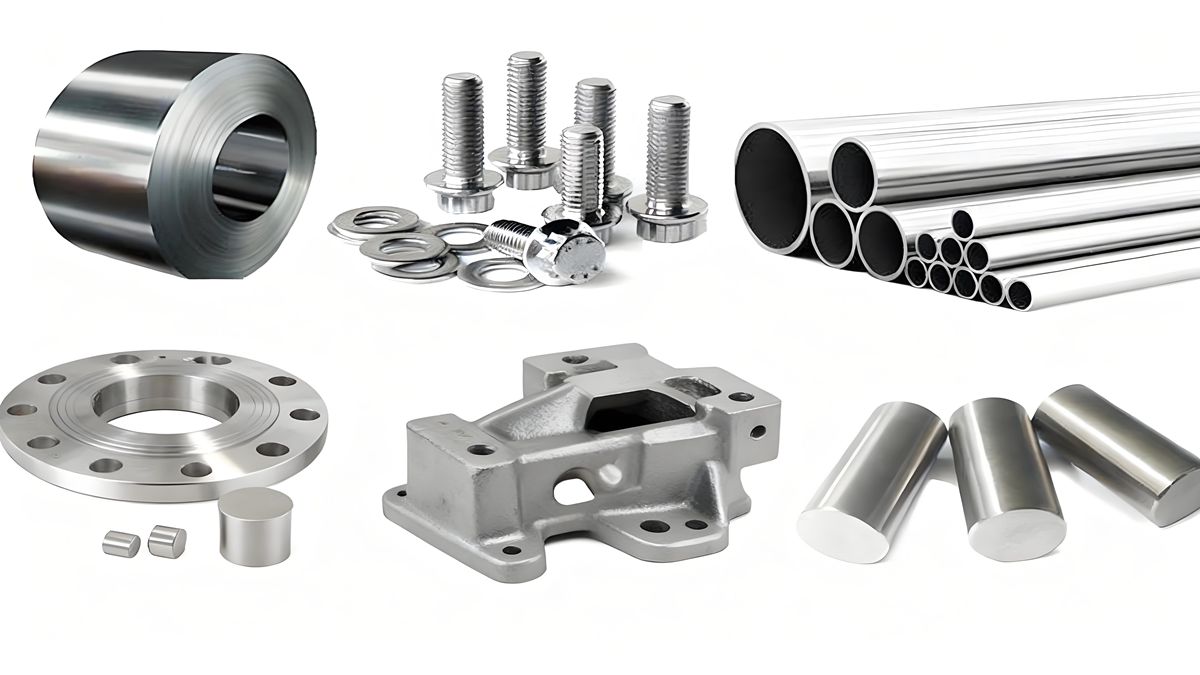
In the demanding sectors of oil and gas, chemical processing, and power generation, material failure is not an option. Nickel alloy steel pipe stands as the premier solution for environments where standard carbon steel or even 304 stainless steel fails. By alloying steel with high concentrations of nickel, chromium, and molybdenum, engineers achieve pipework that withstands extreme thermal stress and highly corrosive media.
Why Choose Nickel Alloy Steel Pipe?
The primary advantage of nickel alloy steel pipe lies in its atomic structure. Nickel acts as an austenite stabilizer. When added in sufficient quantities, it transforms the crystal structure of the steel, imparting unique mechanical properties.
-
Corrosion Resistance: It offers exceptional resistance to oxidation, reducing chemicals, and pitting.
-
Thermal Stability: Unlike standard steel, nickel alloys maintain structural integrity at cryogenic temperatures and extreme heat (up to ).
-
Thermal Expansion: Specific nickel alloys offer low coefficients of thermal expansion, critical for precision instrumentation.
Comparison of Top Nickel Alloy Steel Pipe Grades
| Feature / Grade | Monel 400 (UNS N04400) | Inconel 625 (UNS N06625) | Hastelloy C-276 (UNS N10276) |
| Primary Alloy Base | Nickel-Copper (Ni-Cu) | Nickel-Chromium (Ni-Cr) | Nickel-Molybdenum (Ni-Mo) |
| Key Strength | Excellent resistance to sea water, hydrofluoric acid, and salts. | High tensile strength & resistance to oxidation at extreme temperatures. | Premier resistance to wet chlorine, strong oxidizers, and acids. |
| Max Service Temp | Approx. 1000°F (538°C) | Approx. 1800°F (982°C) | Approx. 1900°F (1038°C) |
| Common ASTM Std | ASTM B165 / B127 | ASTM B444 / B443 | ASTM B622 / B619 |
| Best Used For | Marine Engineering, Chemical Processing (HF Acid) | Aerospace, Nuclear Reactors, Heat Shields | Pollution Control, Pulp & Paper, Sour Gas Wells |
Key Grades and Specifications
When procuring nickel alloy steel pipe, understanding the specific grade is vital. Not all “nickel pipes” are created equal.
1. Monel (Ni-Cu Alloys)
Often designated as Monel 400, this alloy contains roughly 67% nickel and copper. It is virtually immune to chloride stress corrosion cracking. It is the standard nickel alloy steel pipe choice for marine engineering and hydrofluoric acid alkylation plants.
2. Inconel (Ni-Cr Alloys)
Inconel 600 and 625 are the heavyweights of high-temperature applications. Because high-nickel content prevents cracking under stress, these pipes are indispensable in furnace components and nuclear reactors. The addition of chromium allows this nickel alloy steel pipe to resist sulfur compounds and oxidizing environments.
3. Hastelloy (Ni-Mo-Cr Alloys)
For the most aggressive chemical environments, Hastelloy C-276 is the benchmark. This grade of nickel alloy steel pipe excels in handling wet chlorine gas, hypochlorite, and chlorine dioxide solutions that would dissolve lesser metals.
Industrial Applications
The versatility of nickel alloy steel pipe allows it to serve as the backbone for various heavy industries:
-
Oil and Gas Extraction: Used in downhole tubing and sour gas pipelines where and pressures are high.
-
Chemical Processing: Essential for heat exchangers and evaporators handling acids and alkalis.
-
Power Generation: Superheater tubing in nuclear and fossil fuel plants relies on the creep rupture strength of nickel alloys.
Sourcing Considerations: Seamless vs. Welded
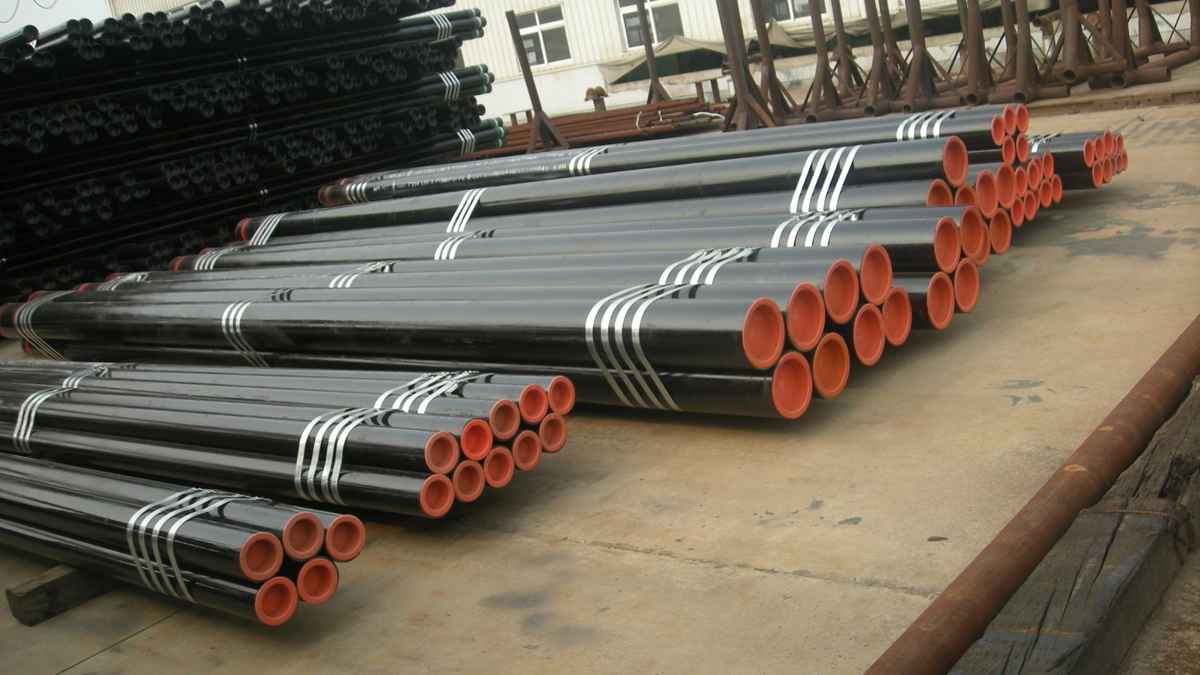
For high-pressure duties, seamless nickel alloy steel pipe (often ASTM B161, B165, B167) is preferred as it eliminates the weak point of a weld seam. However, for large diameter, low-pressure piping, welded variants (EFW) provide a cost-effective alternative without sacrificing the chemical resistance of the nickel matrix.
Frequently Asked Questions (FAQs)
Q1: What is the difference between stainless steel pipe and nickel alloy steel pipe? A: While stainless steel contains nickel, nickel alloy steel pipe typically contains a much higher percentage of nickel (often over 30%, up to 75%). This higher nickel content provides vastly superior resistance to extreme heat and specialized forms of corrosion, such as stress corrosion cracking, which can compromise standard stainless steel.
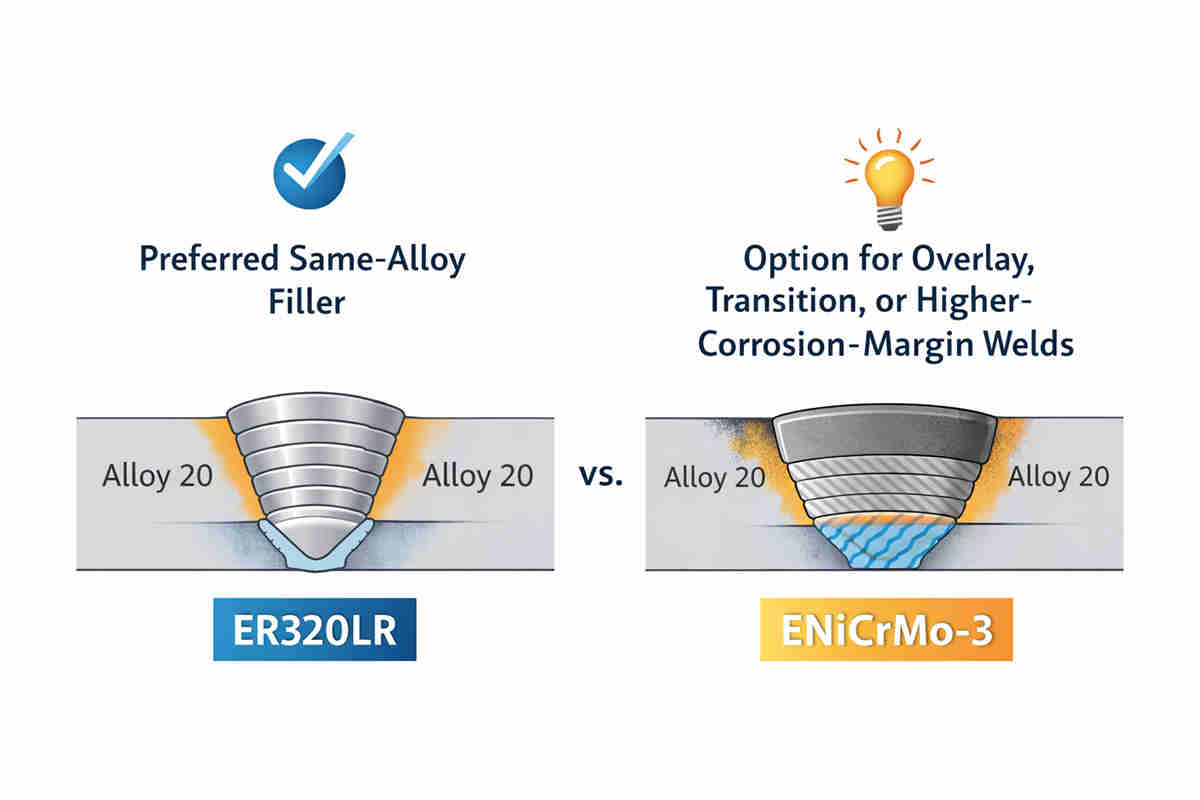
Q2: Can nickel alloy steel pipe be welded? A: Yes, but it requires specific procedures. Welding nickel alloy steel pipe demands extreme cleanliness to prevent contamination (like sulfur or lead) which causes cracking. TIG (GTAW) welding is commonly used with matching filler metals to ensure the weld zone has the same corrosion resistance as the base pipe.
Q3: What are the common ASTM standards for nickel alloy steel pipe? A: Common standards depend on the alloy grade. For example, ASTM B165 covers Monel (Ni-Cu), ASTM B167 covers Inconel (Ni-Cr-Fe), and ASTM B622 covers Hastelloy seamless pipe. Always verify the specific ASTM standard to ensure the nickel alloy steel pipe meets your project’s pressure and chemical requirements.