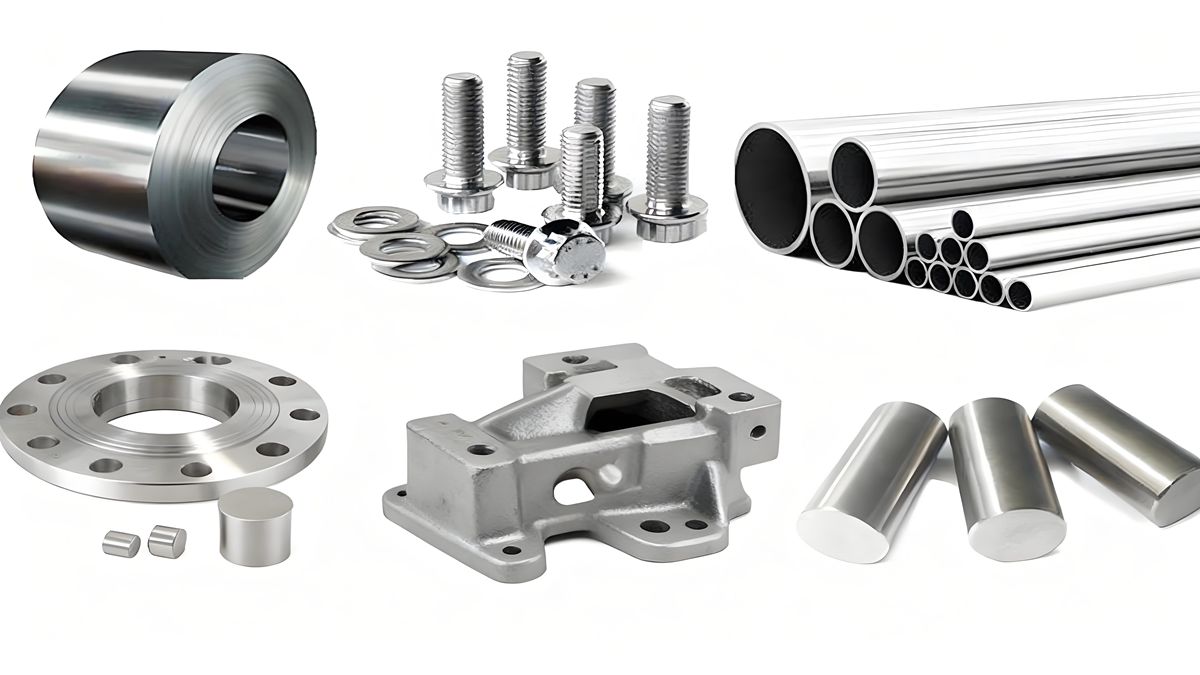
The uses of high-purity nickel include:
I. Battery power
-
Used as a cathode material for lithium-ion batteries — it offers high stability, good partial-discharge performance, long cycle life, high anode reaction activity, and a smooth voltage curve; therefore it is applied in mobile power banks and energy storage batteries.
-
Used as a cathode material for lithium cobalt titanate, it can be widely applied in electric vehicles, automobile batteries, and home energy storage devices. It has good cycling characteristics, low energy consumption, high safety, and strong discharge capability.
II. Information products
-
Used as a raw material for amplifier circuits and chips, it can meet certain circuit functional requirements and improve component performance; it is widely used in information products such as smartphones, laptops, and smart home devices.
-
Used as the anode material for organic electroluminescent displays, leveraging nickel’s chemical bonding properties to make OLEDs (organic light-emitting diodes) emit light; it can be used in smaller screens and portable devices whose performance varies with ambient temperature.
III. Energy harvesting
-
Used as the anode material for solar panels, it can effectively absorb solar energy and convert it into electrical energy, making it a choice for energy-harvesting devices operating under harsh outdoor conditions.
-
Used as a raw material for specialty electrostatic storage devices, it can efficiently accumulate and reuse electrical energy repeatedly. It features miniature size, large storage capacity, short charging time, and very high high-frequency lifespan, so it can be widely applied in various industrial wireless technologies.
IV. Other uses
-
Used as the anode material for graphene semiconductor chips, it can improve the voltage-withstand and loss performance of graphene semiconductor chips, thereby supporting development in high-tech fields such as solar power generation, military technology, and aerospace.
-
Used as a raw material for medical devices, food containers, and environmental protection equipment, it offers corrosion resistance, fouling resistance, acid and alkali resistance, and resistance to hot-water bath treatments, therefore satisfying special safety and rapid-response requirements.
Related Q&A
Q1: What is “high-purity nickel”?
A1: High-purity nickel refers to nickel with very low levels of impurities (typically 99.9% or higher), produced and processed to meet strict chemical and physical specifications for advanced industrial and electronic applications.
Q2: Why is high-purity nickel used in batteries?
A2: According to the translated content, high-purity nickel is used for electrode materials because it is described as providing stability, good cycling and discharge characteristics, long life, and favorable reaction/activity properties that benefit mobile power and energy storage systems.
Q3: Is high-purity nickel used in electronics and displays?
A3: Yes — the translation states it is used in amplifier circuits and chips to improve component performance, and as an electrode material in organic electroluminescent displays (OLEDs), especially for smaller portable screens.
Q4: What other industries use high-purity nickel?
A4: Beyond batteries and electronics, it is used in energy harvesting (e.g., solar panels and special electrostatic storage devices), graphene semiconductor chips, medical devices, food containers, and environmental protection equipment because of its electrical and chemical stability and corrosion resistance.