










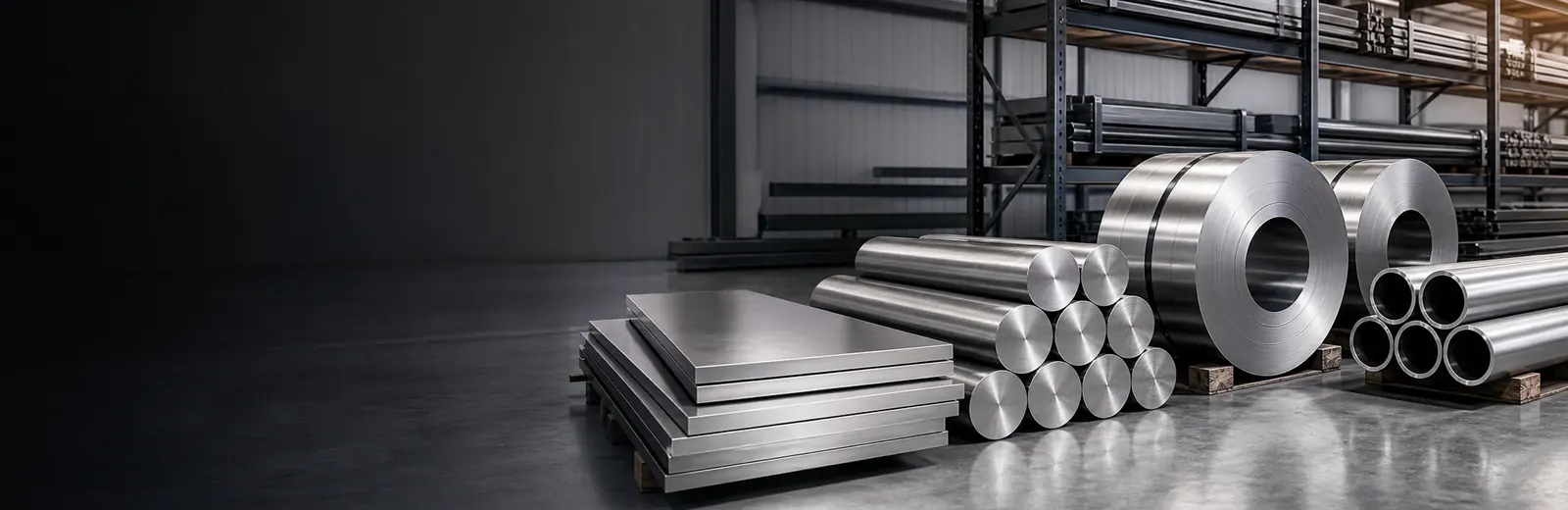
La inspección de SGS para materiales de aleación de níquel rara vez se solicita en pedidos de existencias de baja importancia. Adquiere valor cuando el comprador, el contratista EPC o el usuario final no pueden permitirse una disputa tras la llegada del cargamento. En esos casos, un informe de un tercero neutral ayuda a confirmar que el material entregado para su envío se ajusta a lo acordado en cuanto a marcado, cantidad, dimensiones, embalaje y documentación. En el suministro transfronterizo de aleaciones de níquel, ese control independiente no suele deberse tanto a la desconfianza como a la necesidad de evitar discusiones a posteriori cuando el material ya se encuentra en el puerto, en tránsito o en la obra.
La necesidad aumenta cuando intervienen varias partes. Si el propietario del proyecto está alejado, el comerciante no es la fábrica, el fabricante está trabajando con una ventana de cierre ajustada, y la aleación en sí es de alto valor, una revisión de sólo documentos puede no ser suficiente. La inspección de SGS para materiales de aleación de níquel puede salvar esa brecha al ofrecer al comprador una visión estructurada previa al envío de lo que realmente se ha visto, comprobado y registrado. No hace que todos los pedidos sean perfectos, pero puede reducir la ambigüedad exactamente en la fase en la que la ambigüedad es más cara.
Qué cubre la inspección de SGS para materiales de aleación de níquel
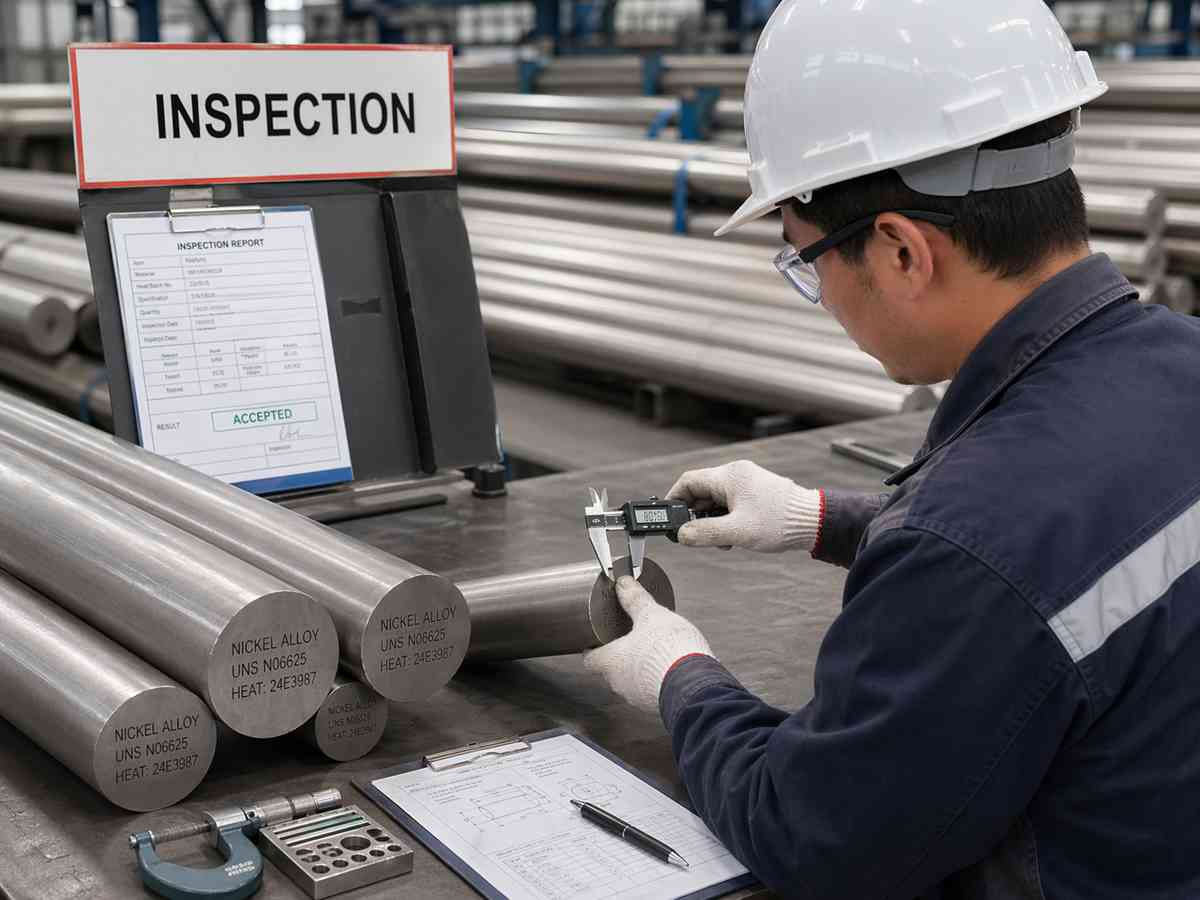
Una visita útil de SGS se define por su alcance, no por el logotipo que figure en el informe. Los compradores deben especificar claramente si se espera que el inspector revise los certificados, verifique los marcados, presencie la identificación permanente del material (PMI), mida las dimensiones, cuente la cantidad, compruebe el embalaje o confirme que los números de lote sigan siendo visibles durante el empaquetado y la preparación para la exportación. En los pedidos de aleaciones de níquel, esto es importante porque los puntos de verificación pueden variar considerablemente entre barras, tubos, chapas, bridas y piezas mecanizadas. La inspección de SGS para materiales de aleaciones de níquel resulta más eficaz cuando la solicitud de inspección ya especifica la norma aplicable, los atributos críticos, el nivel de muestreo y cualquier criterio de liberación imprescindible.
También es importante entender lo que SGS no prueba automáticamente. Una inspección previa al embarque no es lo mismo que una cualificación metalúrgica completa, pruebas de corrosión a largo plazo o la aceptación del diseño de ingeniería por parte del propietario. La inspección confirma lo que se presenció dentro del alcance acordado en una fase específica. Eso sigue teniendo un valor real. Si el informe indica que el inspector revisó los certificados de materiales, comprobó las marcas con la lista de embalaje, midió las dimensiones en piezas de muestra y presenció PMI en barras o tubos seleccionados, la inspección de SGS para materiales de aleación de níquel proporciona al comprador un registro neutral que puede utilizar antes de autorizar el envío.
| Punto de retención de la inspección | Actividad típica de SGS | Valor para el comprador |
| Revisión de documentos | Compruebe los certificados, la lista de embalaje y las referencias térmicas | Detectar lagunas en la documentación antes de la liberación de la carga |
| Control visual y dimensional | Verificar el tamaño, la cantidad, las marcas y el estado de la superficie de los artículos muestreados. | Reducir las reclamaciones por discordancia tras la llegada |
| Testigo PMI | Observar o revisar la identificación de la aleación en piezas seleccionadas. | Añadir confirmación neutral para pedidos sensibles al grado |
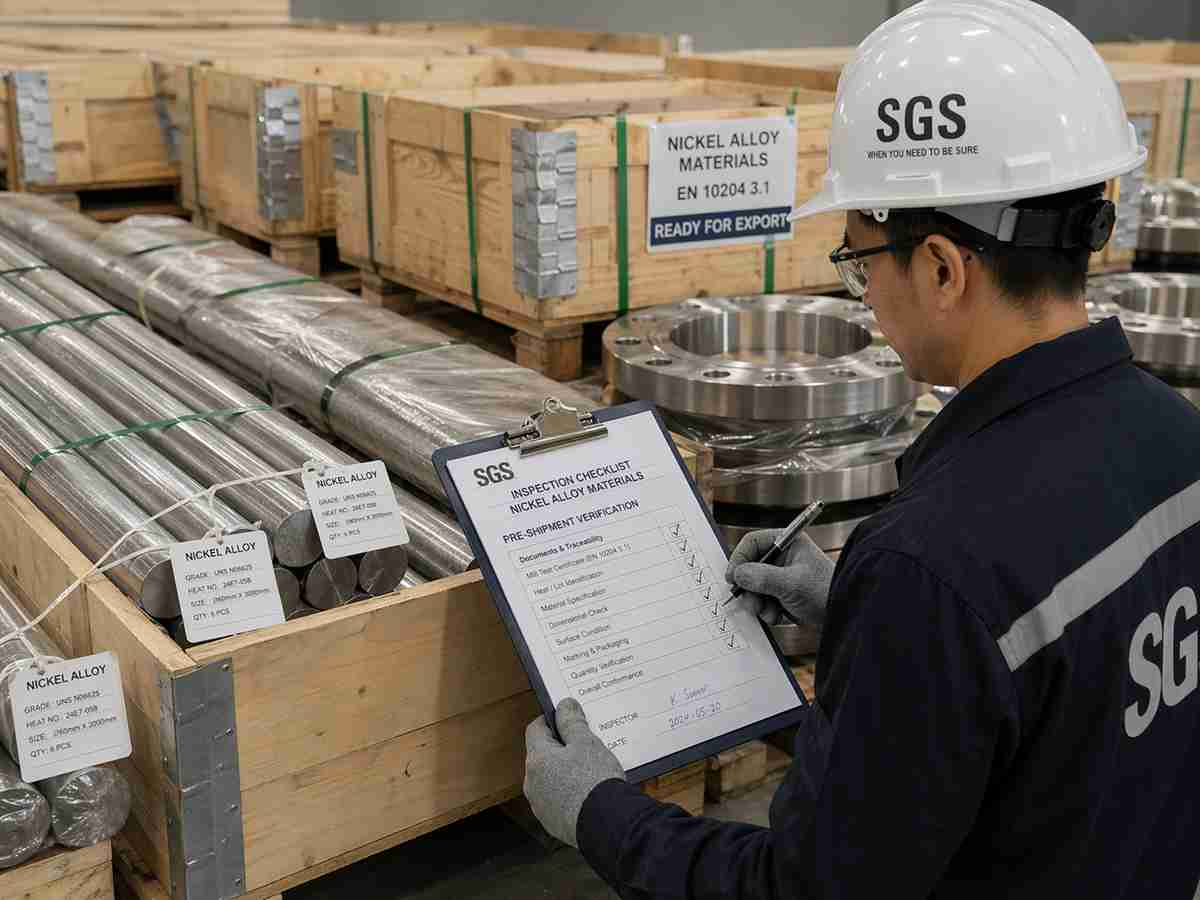
| Revisión del embalaje y marcado | Compruebe las etiquetas de los bultos, las marcas de las cajas y el estado de conservación | Proteger la trazabilidad mediante la exportación |
Cuando la inspección de SGS de materiales de aleación de níquel es rentable
La rentabilidad de la inspección de SGS para materiales de aleación de níquel es mayor cuando el pedido es costoso de reelaborar, difícil de sustituir rápidamente o destinado a un proyecto con estrictas puertas de aprobación. Esto incluye repuestos de parada, paquetes de tuberías resistentes a la corrosión aprobados por el propietario, barras mecanizadas de alto valor, tubos de intercambiador y pedidos de exportación enrutados a través de múltiples pasos logísticos. En estas situaciones, una inspección neutral antes de la entrega puede evitar semanas de debate posterior. Es especialmente útil cuando el comprador quiere confianza en la calidad del embalaje y la conservación de la trazabilidad, no sólo en el propio certificado del material.
Dicho esto, la inspección por parte de terceros debe ser selectiva y no reflexiva. La reposición rutinaria de una ruta de laminación totalmente auditada puede no necesitar el mismo nivel de atestiguamiento que un pedido de proyecto de origen mixto. La mejor manera de utilizar la inspección de SGS para materiales de aleación de níquel es definir el riesgo exacto que debe controlarse y ajustar el alcance a dicho riesgo. En 28Nickel, solemos ayudar a los clientes a elaborar una breve hoja de inspección que cubra las comprobaciones de documentos pertinentes, los puntos de marcado, los elementos dimensionales y cualquier requisito de PMI o embalaje. Una inspección clara de SGS para materiales de aleación de níquel es más procesable tanto para el inspector como para el comprador, y un alcance claro hace que el informe sea mucho más útil.
Conclusión
La inspección por terceros merece la pena cuando una disputa tardía costaría más que una visita temprana. Para las exportaciones de aleaciones de níquel, ese umbral se alcanza más a menudo de lo que muchos compradores esperan. Una inspección bien definida de SGS para materiales de aleaciones de níquel protege la trazabilidad antes del momento del envío y encarece la corrección. Si necesita ayuda para decidir si es necesario un alcance SGS, o cómo redactar uno que realmente proteja la trazabilidad y la calidad de liberación, 28Nickel puede ayudarle a definir los puntos de retención antes de que el envío comience a moverse.
Preguntas y respuestas relacionadas
P: ¿Es la inspección de SGS lo mismo que la certificación EN 10204 3.2?
No. La inspección de SGS para materiales de aleación de níquel puede apoyar la verificación independiente, pero la norma EN 10204 3.2 tiene un significado específico de documentación ligado al refrendo del certificado de inspección. Ambos conceptos pueden solaparse en algunos proyectos, pero no son automáticamente idénticos.
P: ¿Puede SGS inspeccionar cada una de las piezas de un envío?
Sólo si el alcance acordado requiere ese nivel de cobertura y el presupuesto y el calendario lo permiten. Muchas inspecciones se basan en el muestreo, por lo que los compradores deben indicar claramente si necesitan una verificación pieza por pieza o un muestreo basado en el riesgo.
P: ¿La inspección de SGS sustituye a la inspección de recepción in situ?
No. Reduce la incertidumbre antes del envío, pero el destinatario debe seguir comprobando el estado, la cantidad y los puntos críticos de trazabilidad a su llegada. El control previo al envío y el control de recepción funcionan mejor como capas complementarias.