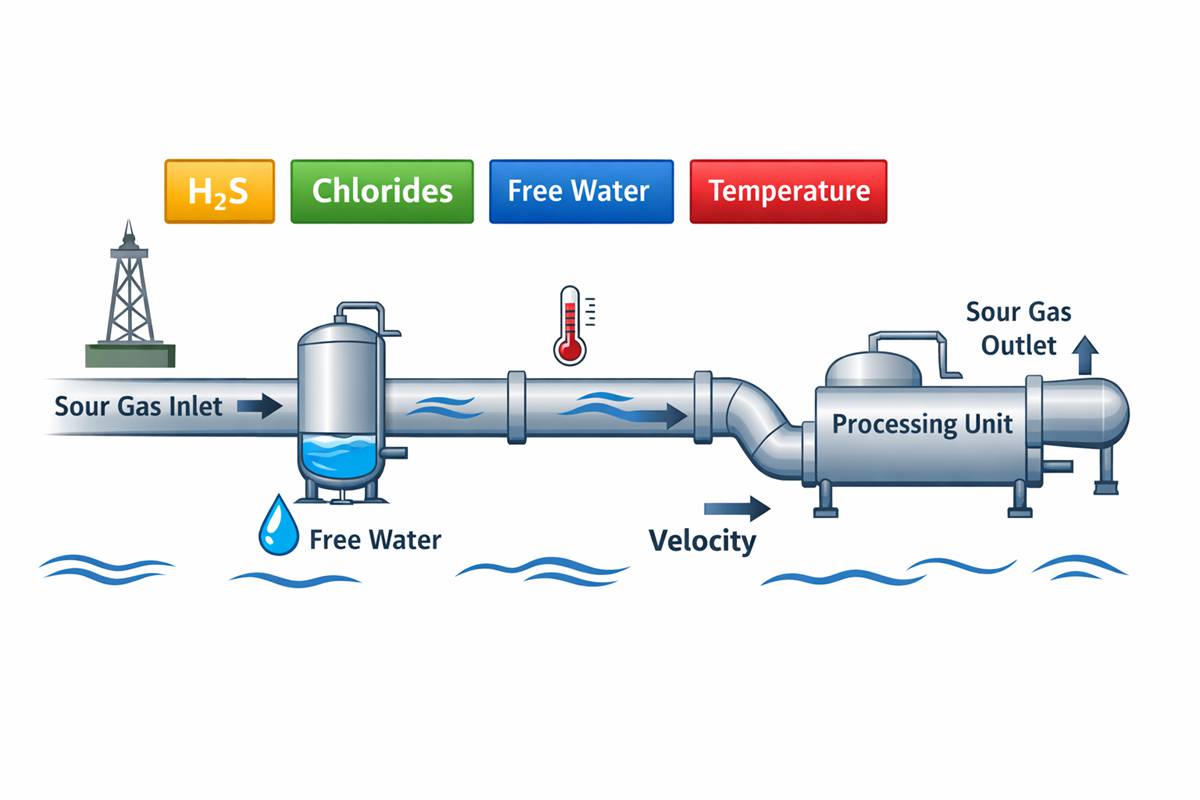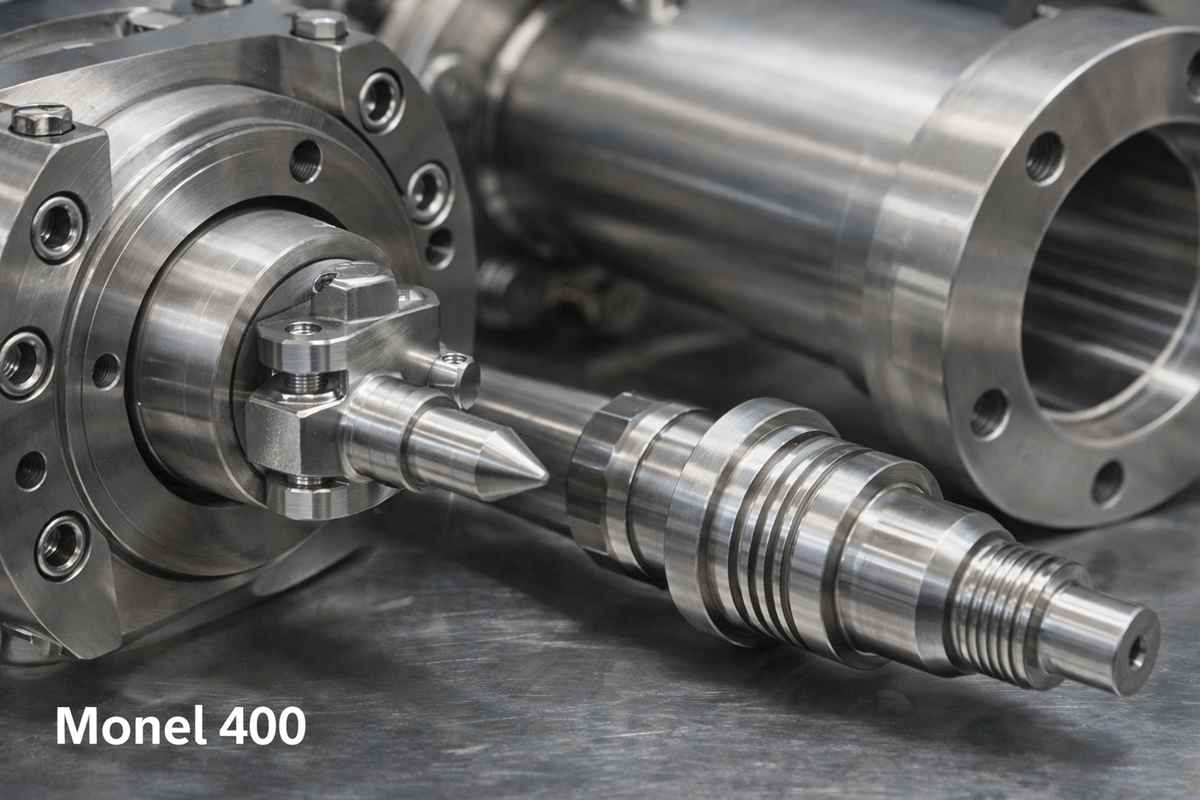









評価する場合 選び方 モネル400 サワーガスサービス用, the first thing to understand is that Monel 400 is not a universal “safe” alloy. In wet H2S environments, material failure is rarely driven by one variable alone. Chloride level, free water, H2S partial pressure, temperature, flow regime, oxygen ingress, solids deposition, welding condition, and required hardness control all interact. A senior engineer will not select Monel 400 because it is nickel-rich; he will select it because the full corrosion mechanism has been mapped and the alloy’s limits are understood.
Monel 400, UNS N04400, is a nickel-copper alloy known for strong resistance in many reducing media, seawater, and neutral to mildly acidic chloride-bearing systems. In sour gas service, that makes it attractive for valve trims, pump components, shafts, ファスナー, and selected wetted parts where stainless steels may be exposed to chloride stress corrosion cracking or unstable localized attack. But that does not mean it should be specified by habit. The correct decision starts with the process envelope, not the alloy brochure.
Why Monel 400 Enters the Discussion in Sour Gas Systems
In practical oil and gas service, engineers usually consider Monel 400 when conventional stainless grades look marginal and when the full cost of Alloy 625 or C276 seems difficult to justify. Monel 400 sits in that interesting middle ground: tougher than common stainless steels in many wet chloride environments, less vulnerable to chloride SCC, and often easier to justify for targeted components than a high-moly superalloy upgrade.
Its advantages are real:
- good resistance to chloride-induced stress corrosion cracking compared with austenitic stainless steels
- good general corrosion resistance in many deaerated or low-oxygen media
- strong performance in flowing seawater and brine service
- good toughness and reliable fabrication when the product form and condition are properly controlled
Still, sour gas service is not defined by chloride alone. Wet H2S can introduce sulfide-related cracking concerns, especially when hardness, cold work, residual stress, or improper welding practice are not controlled. That is where many purchasing decisions become too simplistic.

The Real Selection Logic: Start with Damage Mechanisms
A disciplined answer to how to choose Monel 400 for sour gas service begins with five technical questions.
1. Is the system truly dry gas, intermittently wet, or continuously wet?
Dry sour gas is a very different service from wet sour gas. If there is no condensed water phase, corrosion risk can be much lower. Once free water appears, H2S, chlorides, CO2, and deposits can create a far more aggressive electrochemical environment. Engineers should not approve Monel 400 until they know where water condenses, where liquids accumulate, and whether dead legs exist.
2. What is the H2S partial pressure and what standard governs the service?
“Sour” is not just a descriptive term. It is usually tied to a materials compliance framework. The alloy may look suitable from a corrosion standpoint, but the actual acceptance criteria may still depend on sour-service qualification requirements, hardness limits, and product-form restrictions. This point matters even more for cold-worked bar, fasteners, and heavily stressed parts.
3. Are chlorides, oxygen ingress, or solids likely to create localized conditions?
Monel 400 generally performs well in deaerated chloride media, but oxygen contamination changes the picture. Differential aeration, under-deposit cells, and crevice geometries can shift behavior significantly. If the system has frequent shutdowns, seawater contamination, or poor draining, the corrosion map must reflect those realities.
4. Is the component under high mechanical stress?
Material selection is not only about corrosion rate. Shafts, springs, bolting, and valve internals can fail through the interaction of stress, surface condition, hardness, and chemistry. If the part is highly loaded, you need to treat fabrication route, final hardness, and residual stress as first-order design variables.
5. Why Monel 400 instead of Monel K-500, 316L, duplex, or Alloy 625?
This is where mature engineering judgment shows. K-500 may offer higher strength, but higher strength is not automatically a benefit in sour conditions if cracking resistance becomes the tradeoff. Likewise, 316L may be cheaper, but chloride SCC risk can quickly erase that saving. Alloy 625 may be more forgiving, but it may also be unnecessary overdesign for non-critical components if Monel 400 fits the actual envelope.
Selection Table: When Monel 400 Makes Sense
| 選択要因 | Why It Matters in Sour Gas Service | What Favors Monel 400 | Red Flag / Escalate Review |
|---|---|---|---|
| Free water presence | Corrosion becomes much more active in wet sour systems | Limited wetting, controlled water chemistry, no stagnant zones | Persistent wet sour service with deposits and dead legs |
| 塩化物含有量 | Drives SCC risk in stainless steels and affects localized attack | Moderate to high chlorides where stainless becomes unreliable | Severe crevice conditions with poor drainage and solids |
| Oxygen ingress | Can destabilize otherwise acceptable corrosion behavior | Deaerated or tightly controlled system | Shutdown exposure, air ingress, intermittent aeration |
| Component stress level | Stress + hardness + environment can govern cracking risk | Low to moderate stress, controlled product condition | Highly stressed bolting, springs, cold-worked parts |
| Flow regime | High velocity can be beneficial or harmful depending on geometry | Clean, well-designed flowing service | Erosion-prone elbows, flashing zones, sand production |
| 製造ルート | Welds and cold work influence final integrity | Qualified welding and hardness control | Unverified weld procedures, uncontrolled rework |
| Cost position | Material must balance risk and lifecycle cost | Critical trim or wetted parts needing better reliability than SS | Full-system upgrade without mechanism-based justification |
| Alternative alloy review | Prevents habitual or emotional material choice | Monel 400 fits the exact damage mechanism | K-500, 625, or duplex clearly better for the stress/environment mix |
When Monel 400 Is Usually a Strong Choice
Monel 400 is often a technically sound option when the service is wet and chloride-bearing, stainless steel SCC is a real concern, oxygen is well controlled, and the component is not being pushed into an unnecessarily high-strength condition. In that window, Monel 400 offers a very practical combination of corrosion resistance, toughness, fabricability, and commercial availability.
It is particularly attractive for:
- valve and pump internals in chloride-containing sour environments
- shafts and trim components exposed to wet gas or brine carryover
- selected offshore and seawater-associated sour service parts
- components where austenitic stainless grades have a poor reliability history
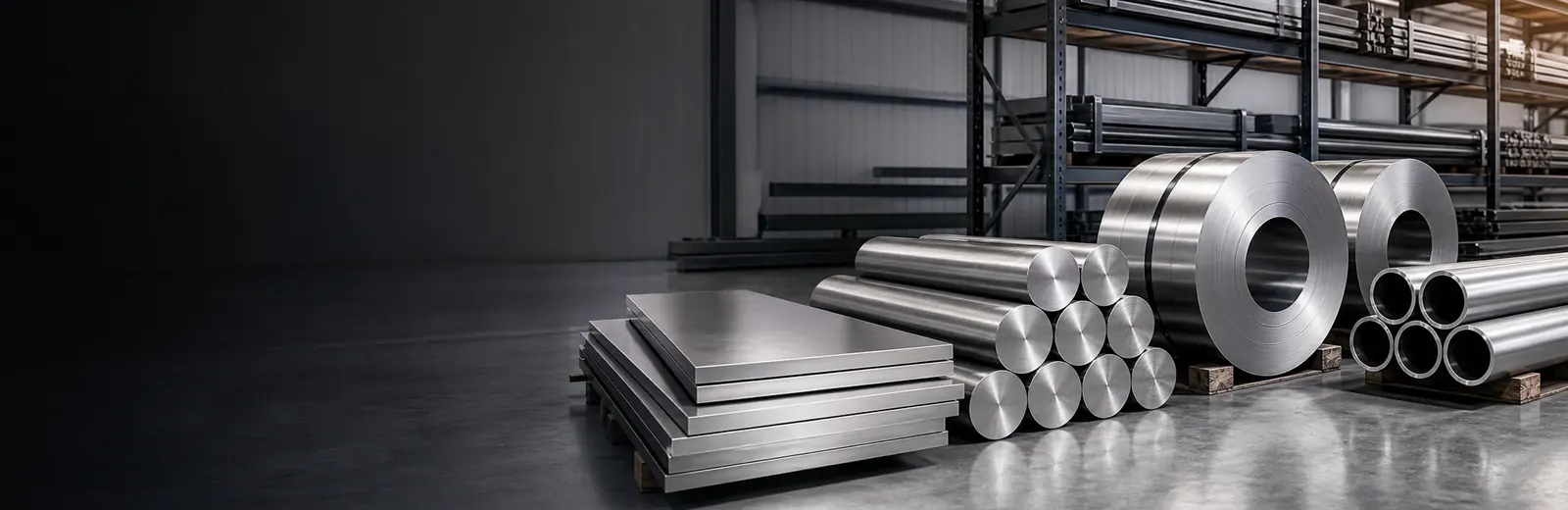
One more point matters in procurement: specify Monel 400 for sour gas service by UNS number, product form, delivery condition, mechanical property requirements, hardness limit, and certification package. Saying only “Monel 400” is not enough for critical service.
When Monel 400 Should Not Be Chosen Too Quickly
This alloy deserves respect, not blind confidence. Be cautious when the environment includes strong oxidizing contaminants, severe crevice geometry, frequent oxygen ingress, under-deposit exposure, or very high mechanical stress. Also be careful when someone proposes Monel 400 as a plant-wide default simply because one failed stainless component created urgency. That is not engineering; that is reactive purchasing.
Another common mistake is using a strength-driven argument to jump from Monel 400 to K-500 without re-checking sour-service cracking implications. In sour environments, higher strength can narrow the safe operating window. Many failures begin there.
Practical Procurement and Fabrication Checklist
Before releasing a PO, verify the following:
- the actual wet/dry profile of the service
- H2S, chlorides, CO2, temperature, and expected upset conditions
- applicable sour-service compliance requirements
- required hardness control after forming, machining, and welding
- crevice details, drainability, and solids deposition risk
- whether galvanic contact with carbon steel or stainless steel has been addressed
- whether the component really needs Monel 400, or whether a different alloy is more rational

結論
だから, how to choose Monel 400 for sour gas service? Not by reputation, and not by price alone. Choose it when the service is genuinely chloride-bearing and wet, when stainless SCC or unstable corrosion makes lower alloys risky, when oxygen is controlled, and when the component condition can meet the required hardness and fabrication discipline. Reject it, or at least escalate the review, when oxidizing contamination, severe crevice attack, uncontrolled stress, or mechanism uncertainty remain unresolved.
If your team is comparing Monel 400 against 316L, duplex, K-500, or Alloy 625 for a sour gas component, the most valuable next step is not a generic quote. It is a mechanism-based material review built around your process envelope, product form, and fabrication route.
関連Q&A
1. Is Monel 400 suitable for all sour gas service?
No. Monel 400 can be an excellent choice for selected sour gas components, especially in wet chloride-bearing service, but it is not universally suitable. Oxygen ingress, crevice geometry, deposits, high stress, and compliance requirements can all change the answer.
2. Why choose Monel 400 instead of stainless steel in sour gas systems?
The usual reason is reliability in chloride-containing wet service. Austenitic stainless steels may face chloride stress corrosion cracking or unstable localized attack, while Monel 400 often provides a wider operating margin in the right environment.
3. Is Monel K-500 a better option than Monel 400 for sour service?
Not automatically. K-500 has higher strength, but that does not always improve sour-service performance. For many stressed parts, the cracking risk and qualification limits must be reviewed very carefully before upgrading from Monel 400.