


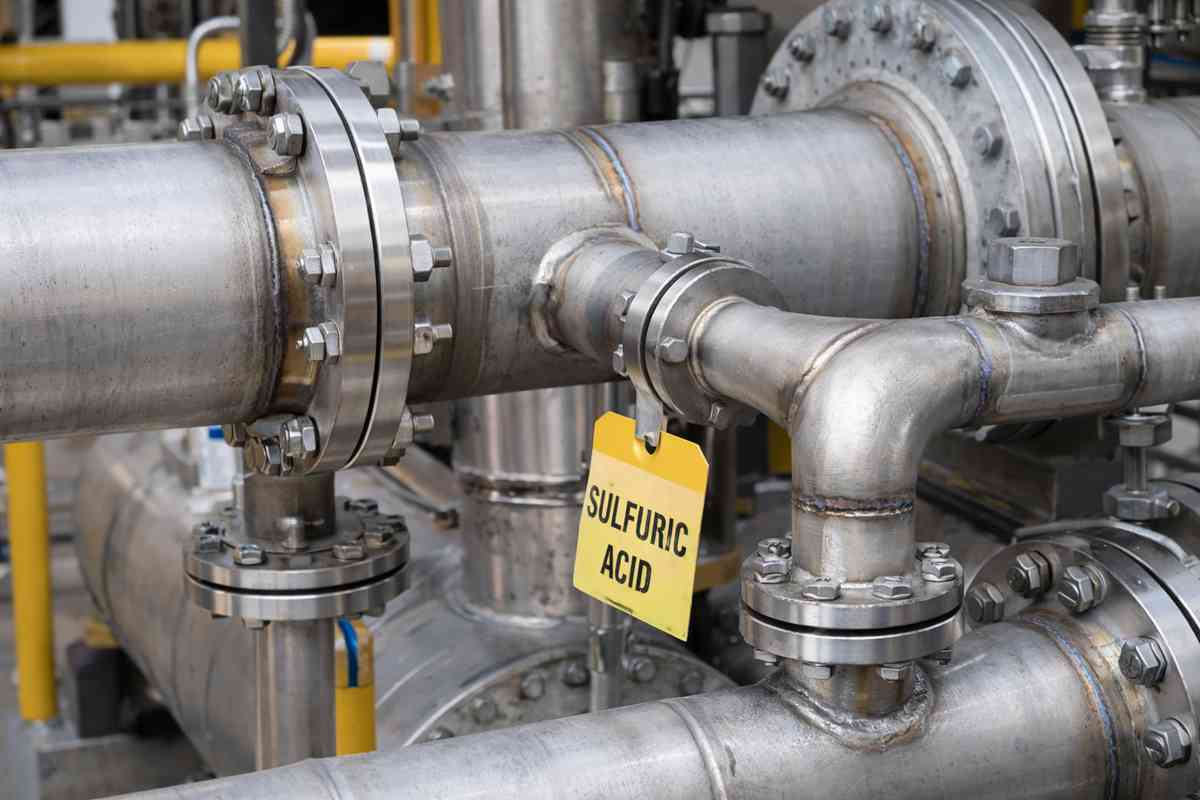
Inconel 625 Corrosion Resistance in Sulfuric Acid?
When engineers discuss Inconel 625 corrosion resistance in sulfuric acid, the conversation usually starts with a simple question and ends with several uncomfortable qualifiers.…
Read More
Resources
Material notes, grade guidance, and RFQ references for nickel alloy plate, bar, coil, and tube.
When engineers discuss Inconel 625 corrosion resistance in sulfuric acid, the conversation usually starts with a simple question and ends with several uncomfortable qualifiers.…
Read More
When engineers ask how to choose Inconel 617 for sour gas service, the right answer is rarely found in a single datasheet. Sour service…
Read More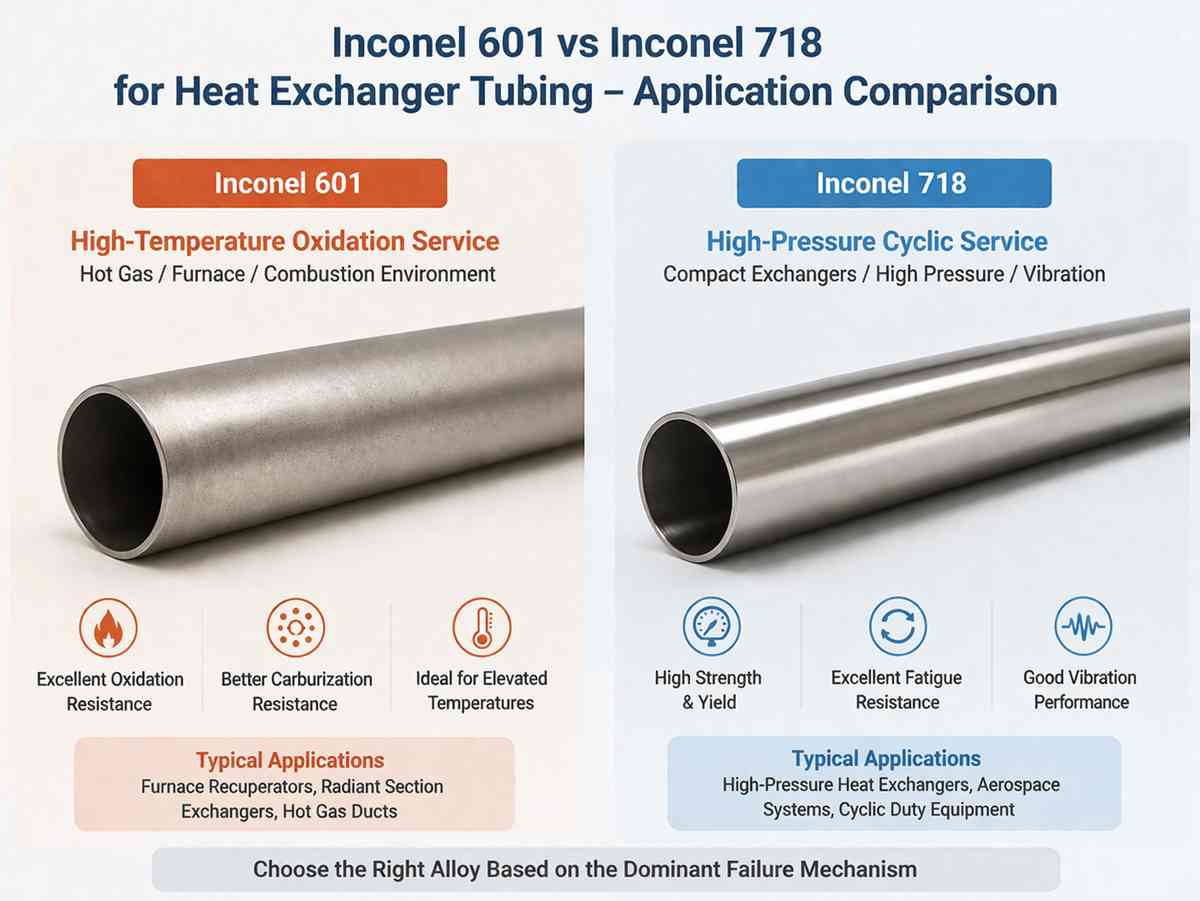
When engineers discuss Inconel 601 vs Inconel 718 for heat exchanger tubing, the real question is not which alloy is “better” in a general…
Read More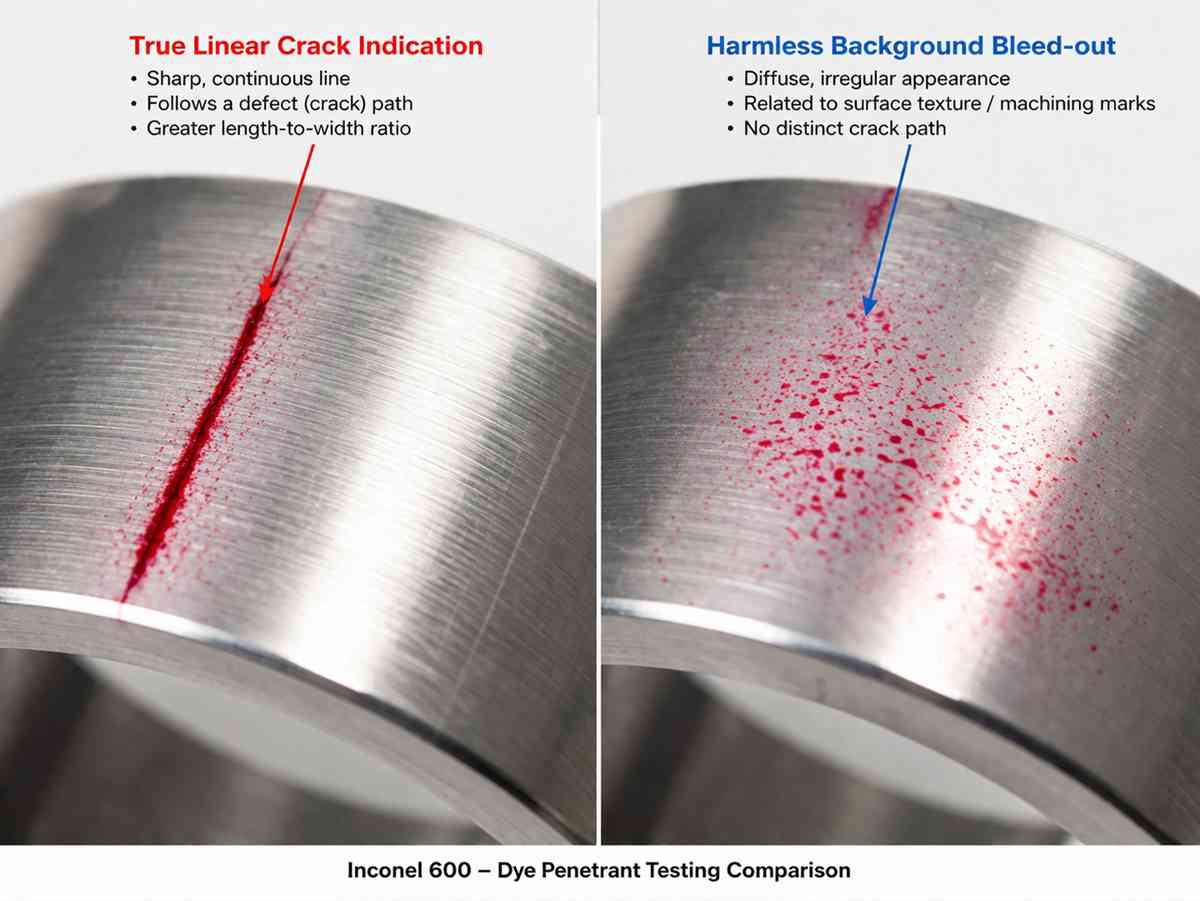
When engineers ask for an Inconel 600 dye penetrant testing quality checklist, they are usually not chasing paperwork. They are trying to avoid a…
Read More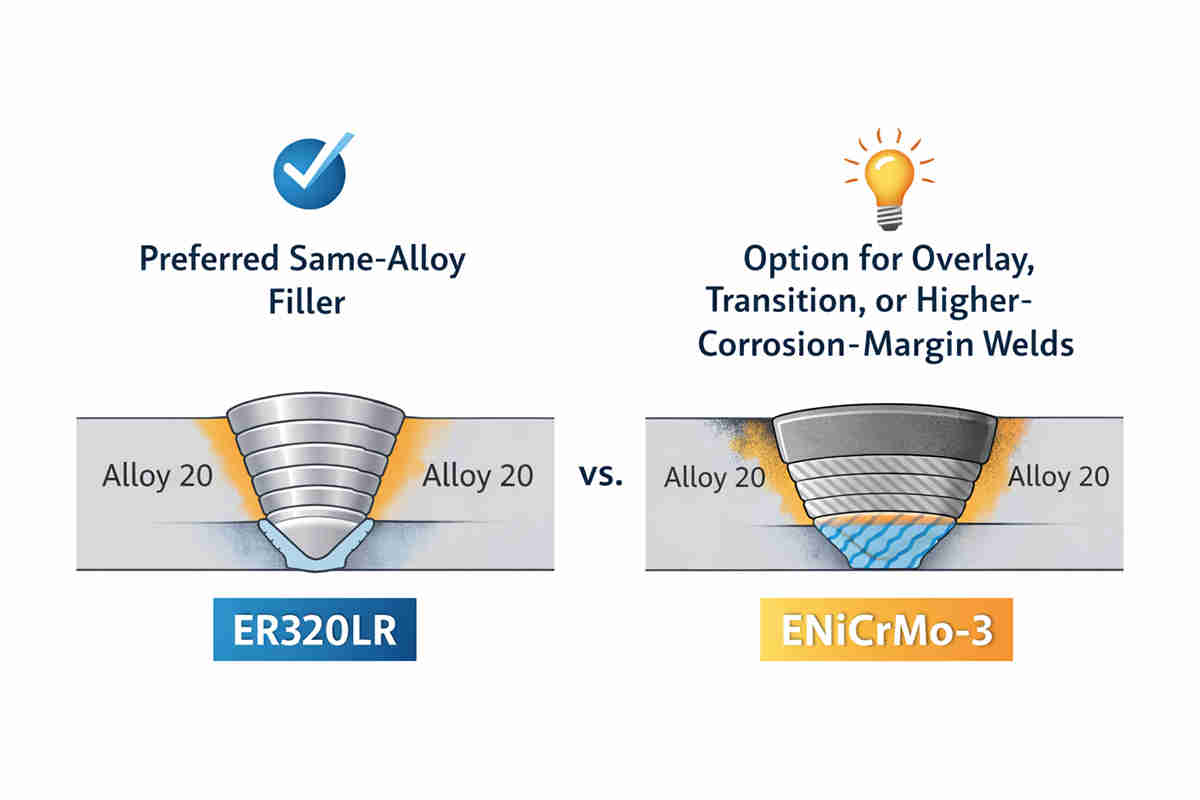
In Alloy 20 welding filler metal selection for valve bodies, the first mistake is assuming that “matching chemistry” alone settles the issue. Alloy 20,…
Read More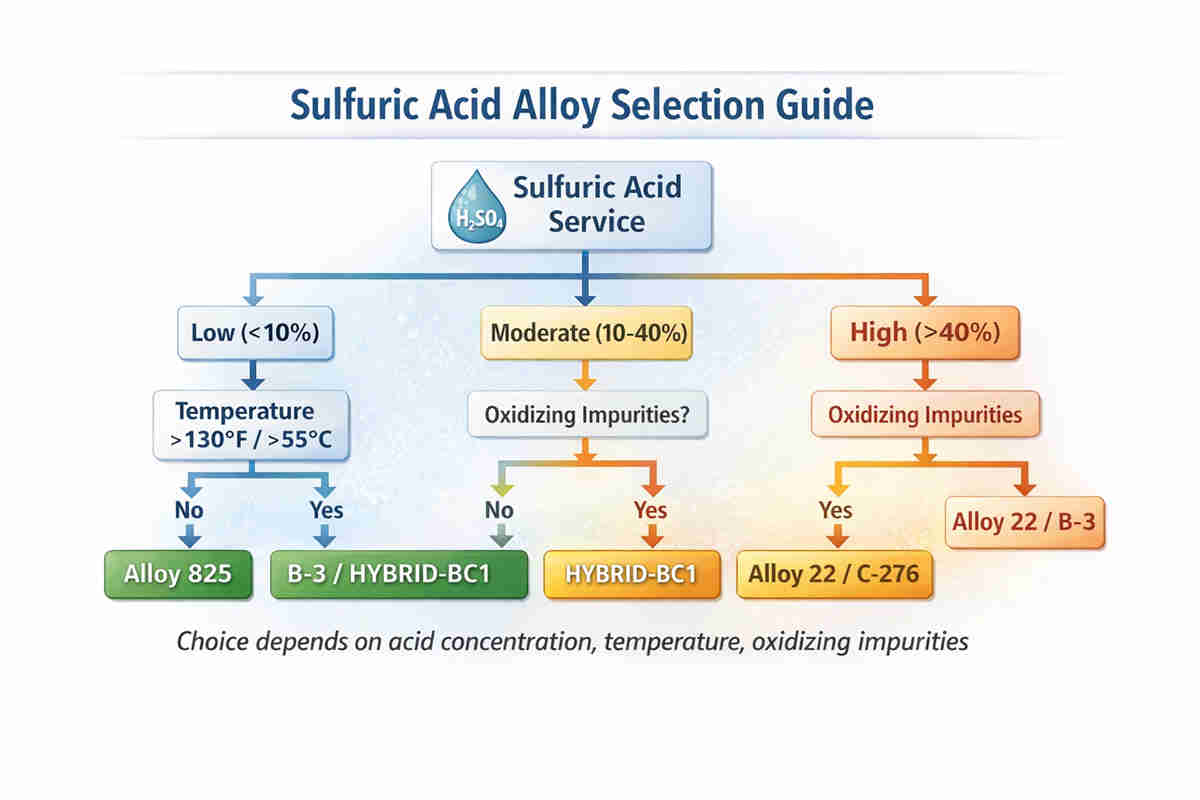
When engineers ask about Haynes 214 corrosion resistance in sulfuric acid, the real issue is not whether 214 is a nickel alloy. The issue…
Read More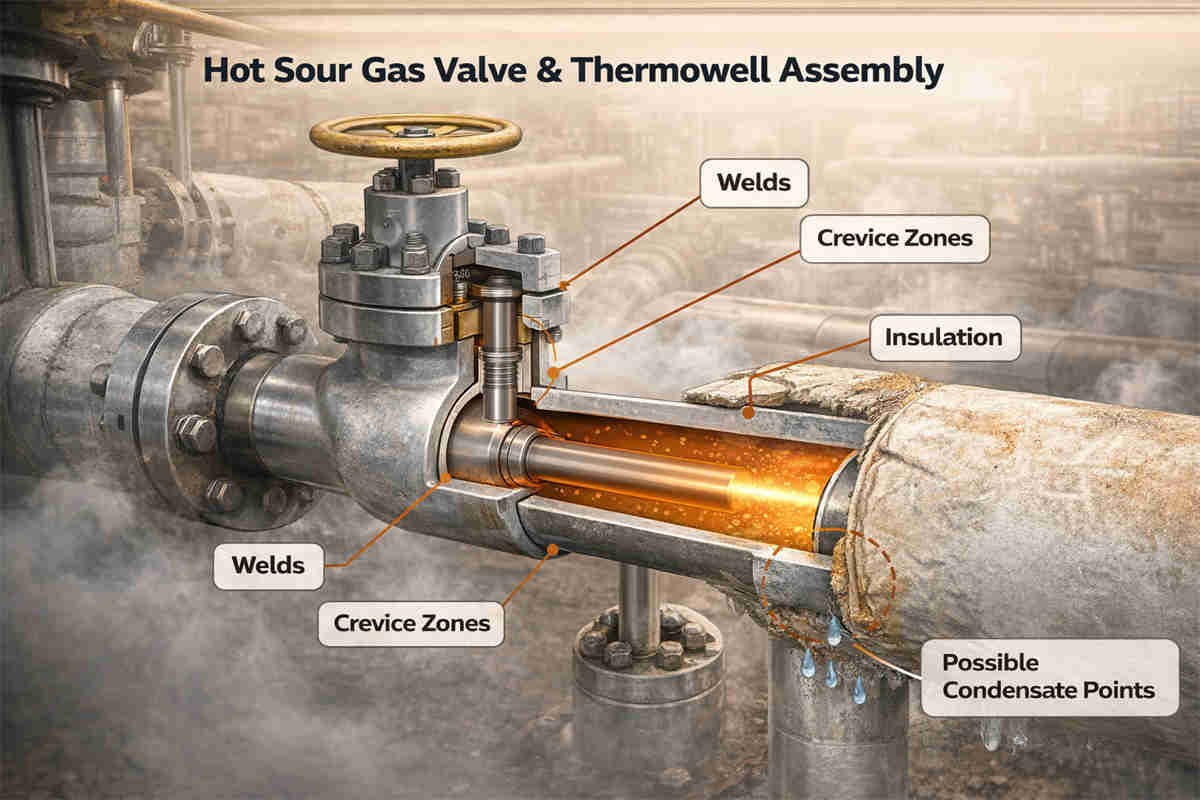
When engineers ask how to choose Haynes 230 for sour gas service, the real question is rarely about brochure-level corrosion resistance. It is about…
Read More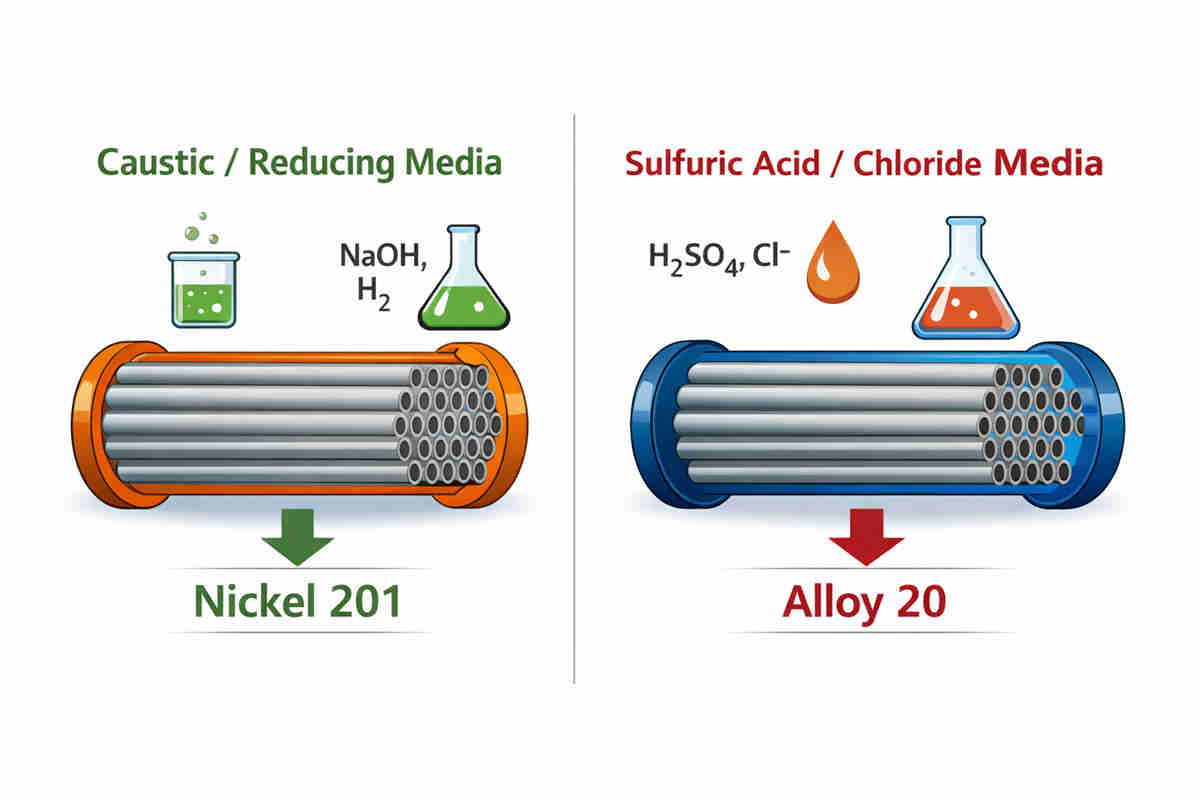
In real projects, Nickel 201 vs Alloy 20 for heat exchanger tubing is not a theoretical debate. It is usually a shutdown-cost debate. Engineers…
Read More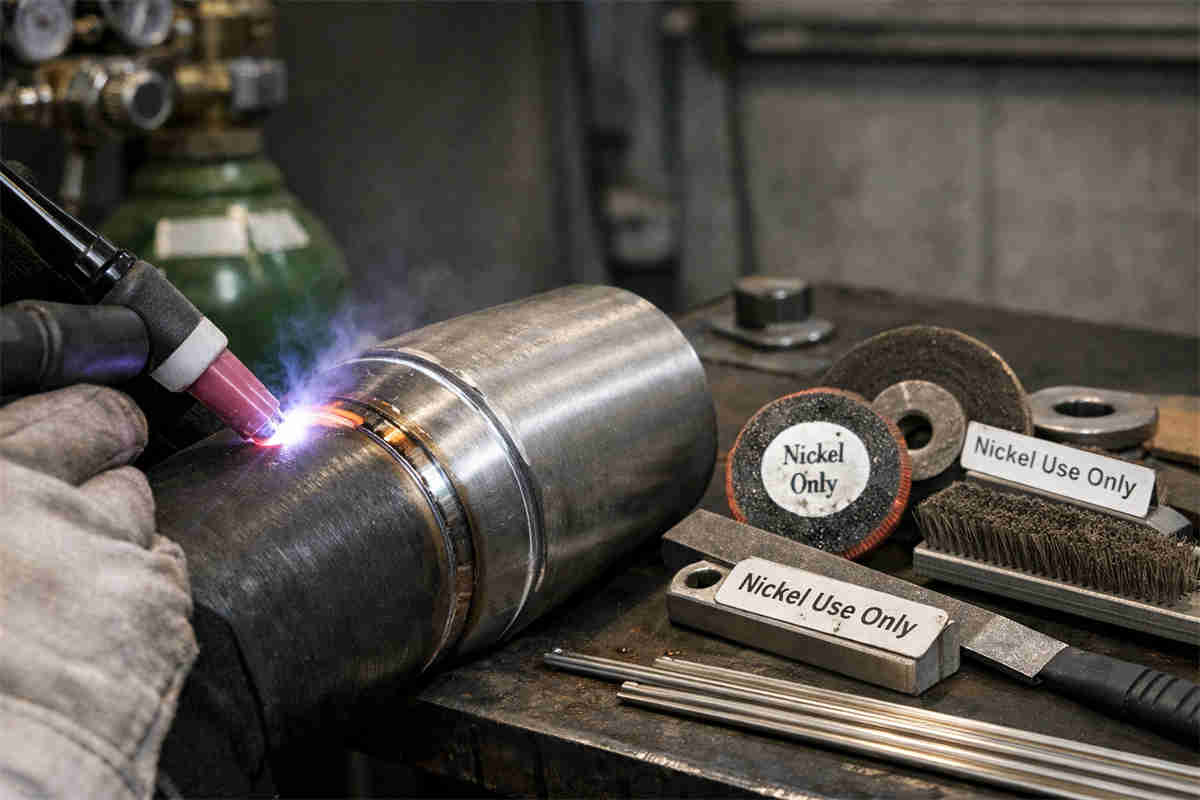
If a Nickel 200 weld looks acceptable on the outside but fails a root bend, leaks in caustic service, or comes back from PT…
Read More