










How to Vet a Nickel Alloy Supplier for Aerospace
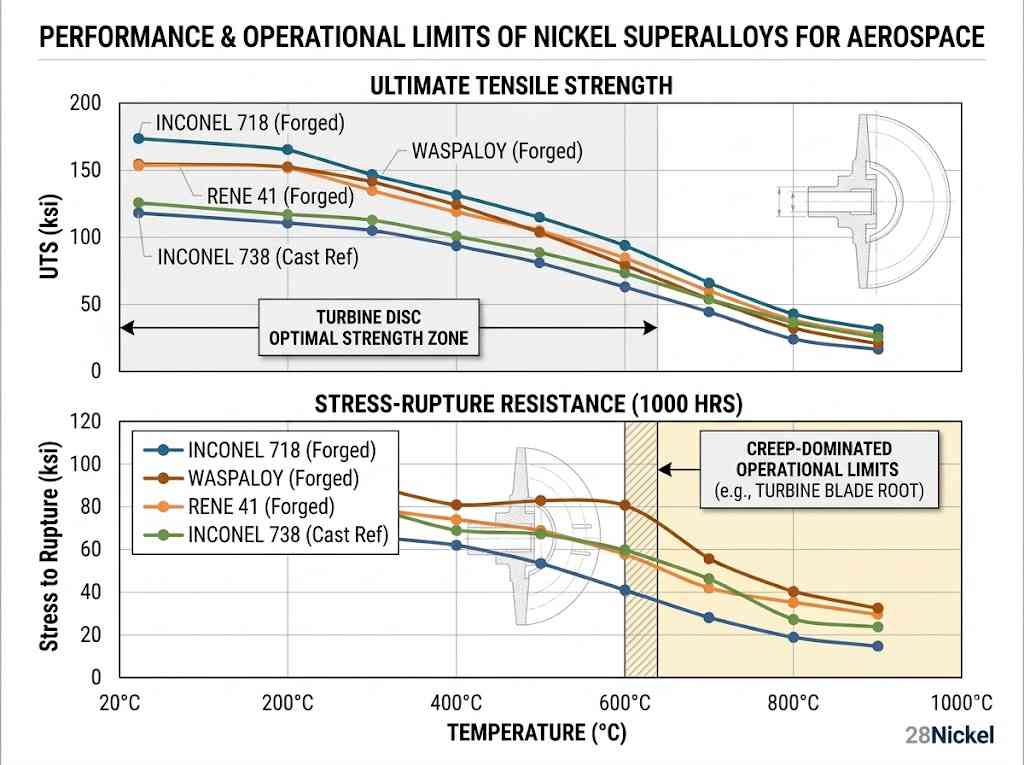
The extreme operational environments of modern turbine engines and exhaust assemblies leave zero margin for metallurgical inconsistencies. When turbine blades and compressor discs operate…
Read More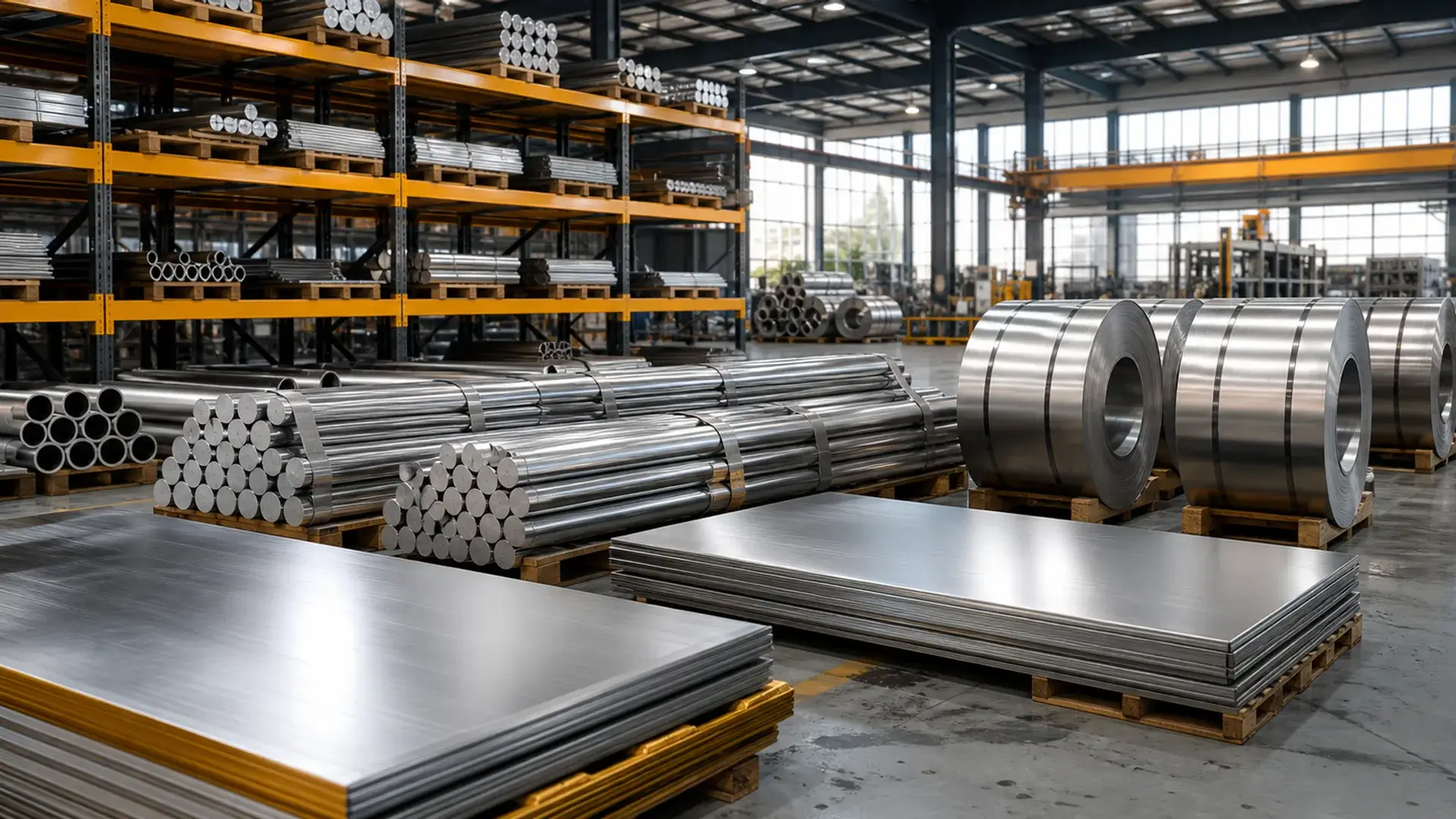
Resources
Material notes, grade guidance, and RFQ references for nickel alloy plate, bar, coil, and tube.
The extreme operational environments of modern turbine engines and exhaust assemblies leave zero margin for metallurgical inconsistencies. When turbine blades and compressor discs operate…
Read More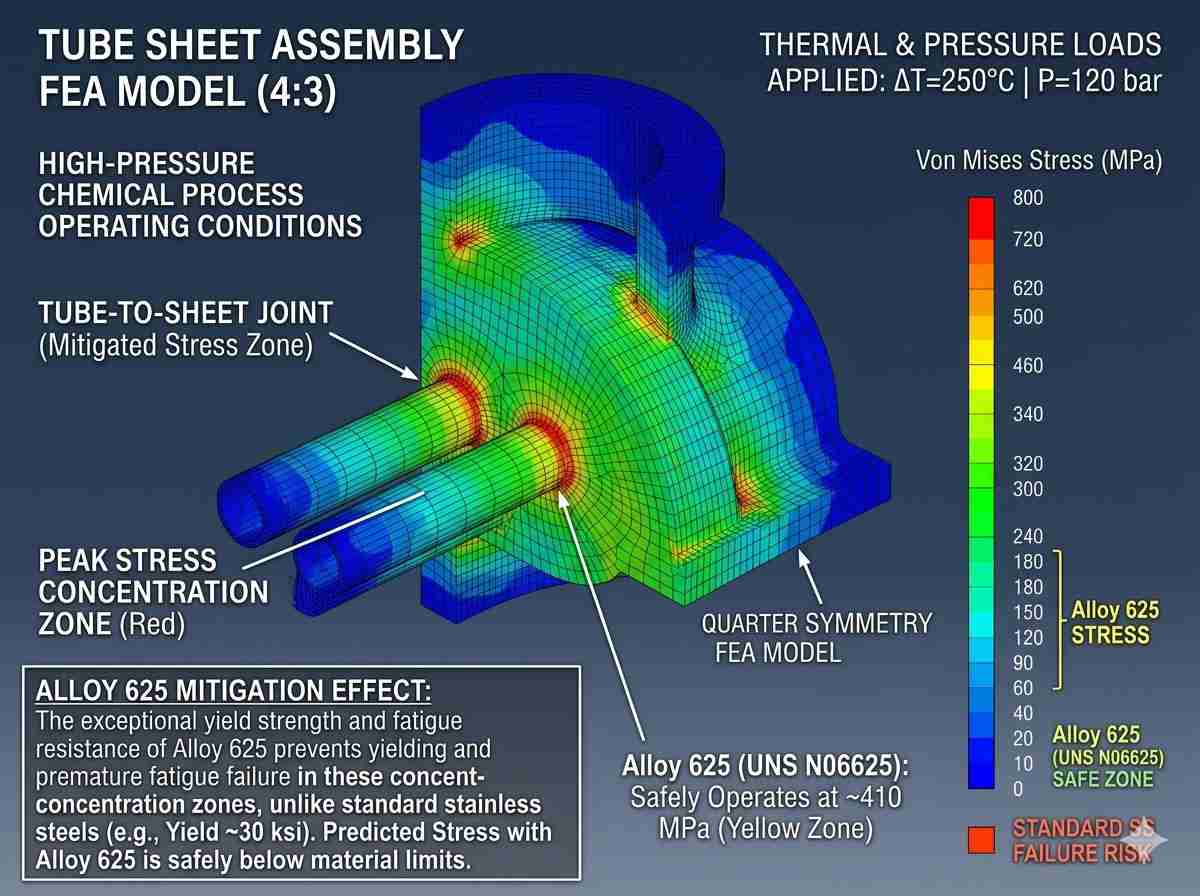
In the severe environments of modern chemical processing, material degradation is an ever-present threat to operational stability. Halides, localized high-temperature zones, and mixed acid…
Read More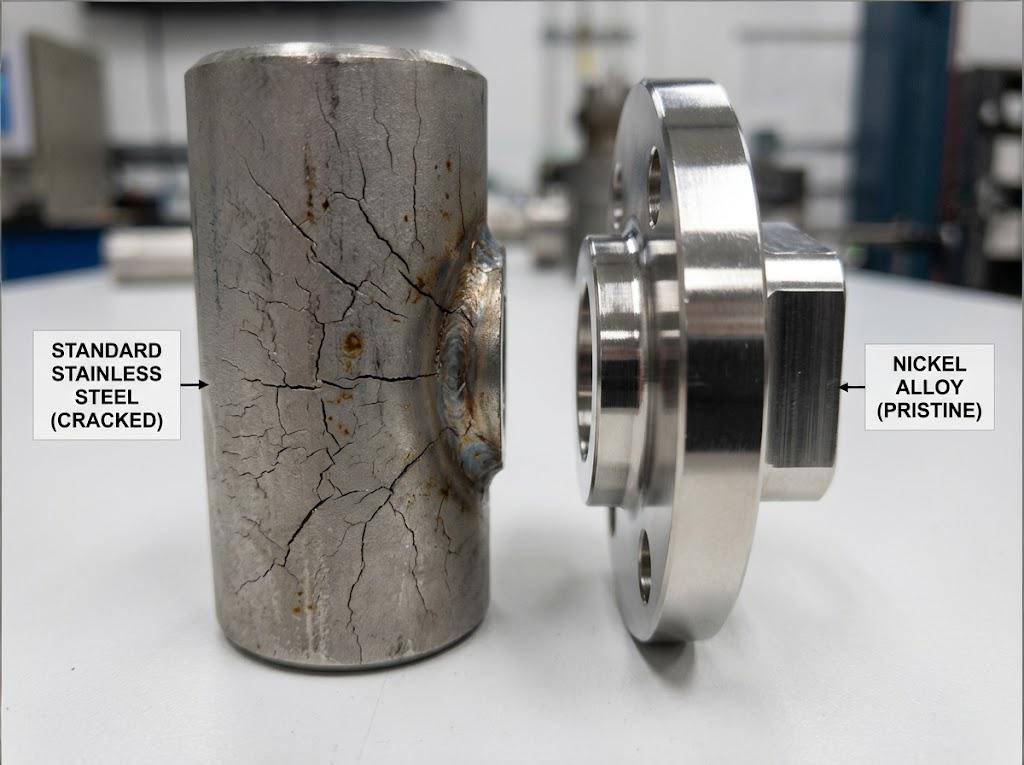
When operating in High-Pressure, High-Temperature (HPHT) environments with elevated hydrogen sulfide (H2S) and chloride levels, material selection is not just a preference; it is…
Read More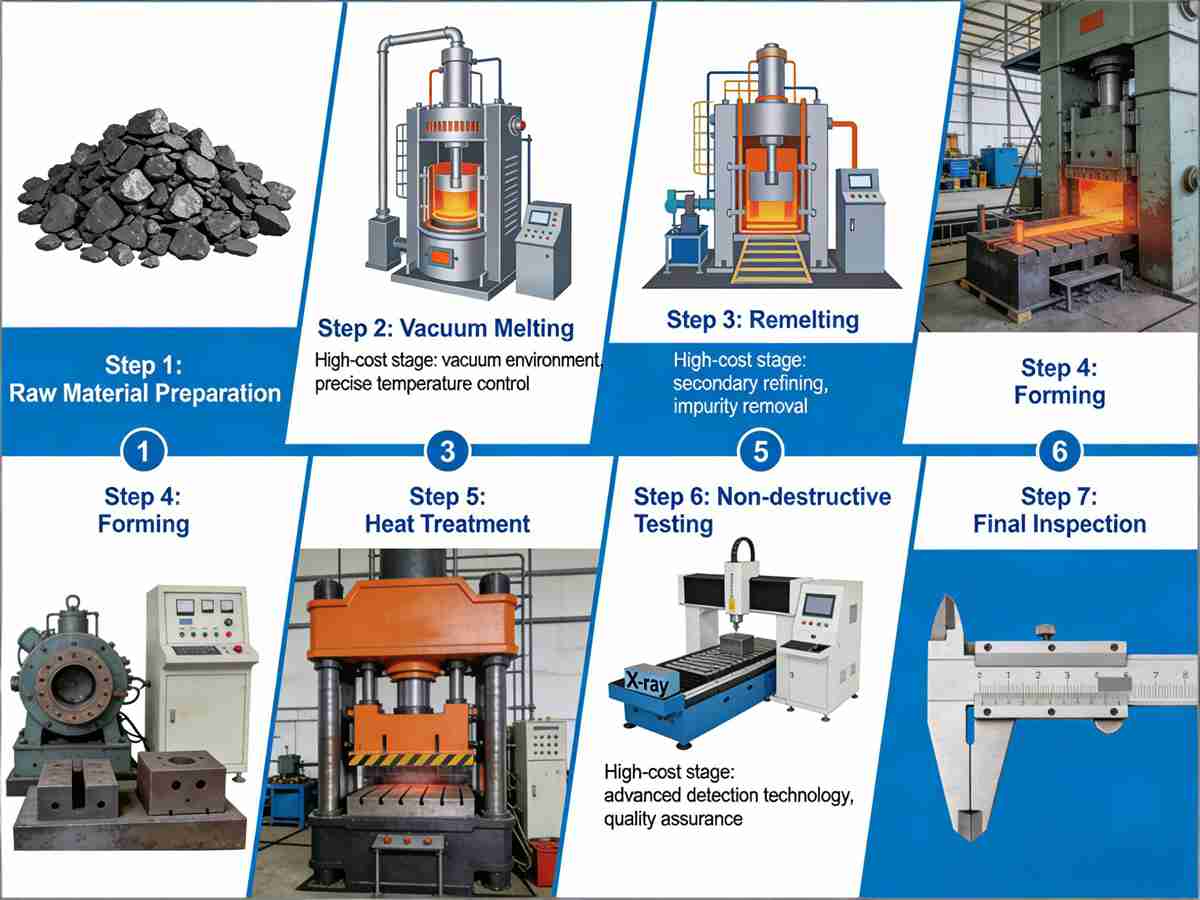
Nickel alloys are the backbone of critical industrial applications, from chemical processing vessels and offshore oil and gas components to aerospace turbine engines, where…
Read More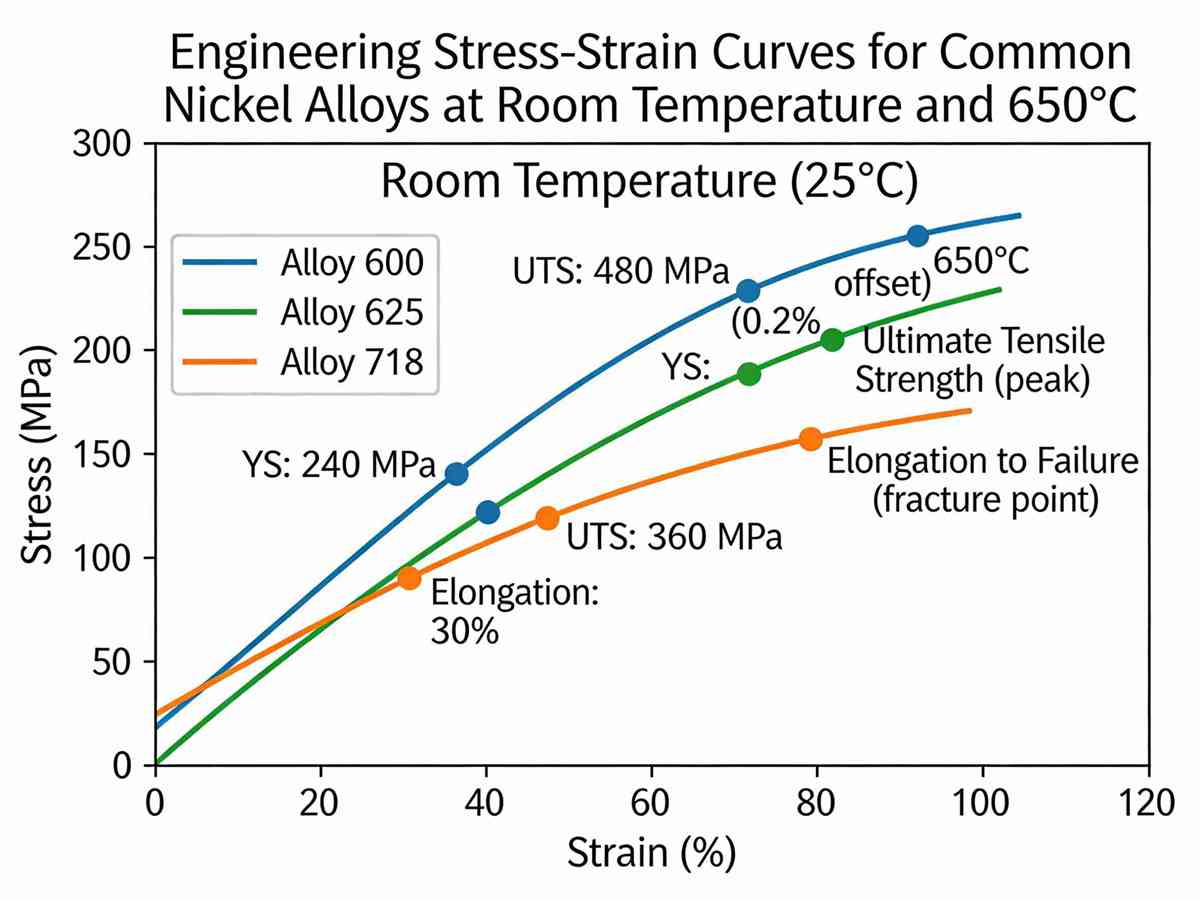
Nickel alloys are the backbone of high-performance industrial systems operating in extreme environments, from chemical processing reactors to aerospace turbine components and marine offshore…
Read More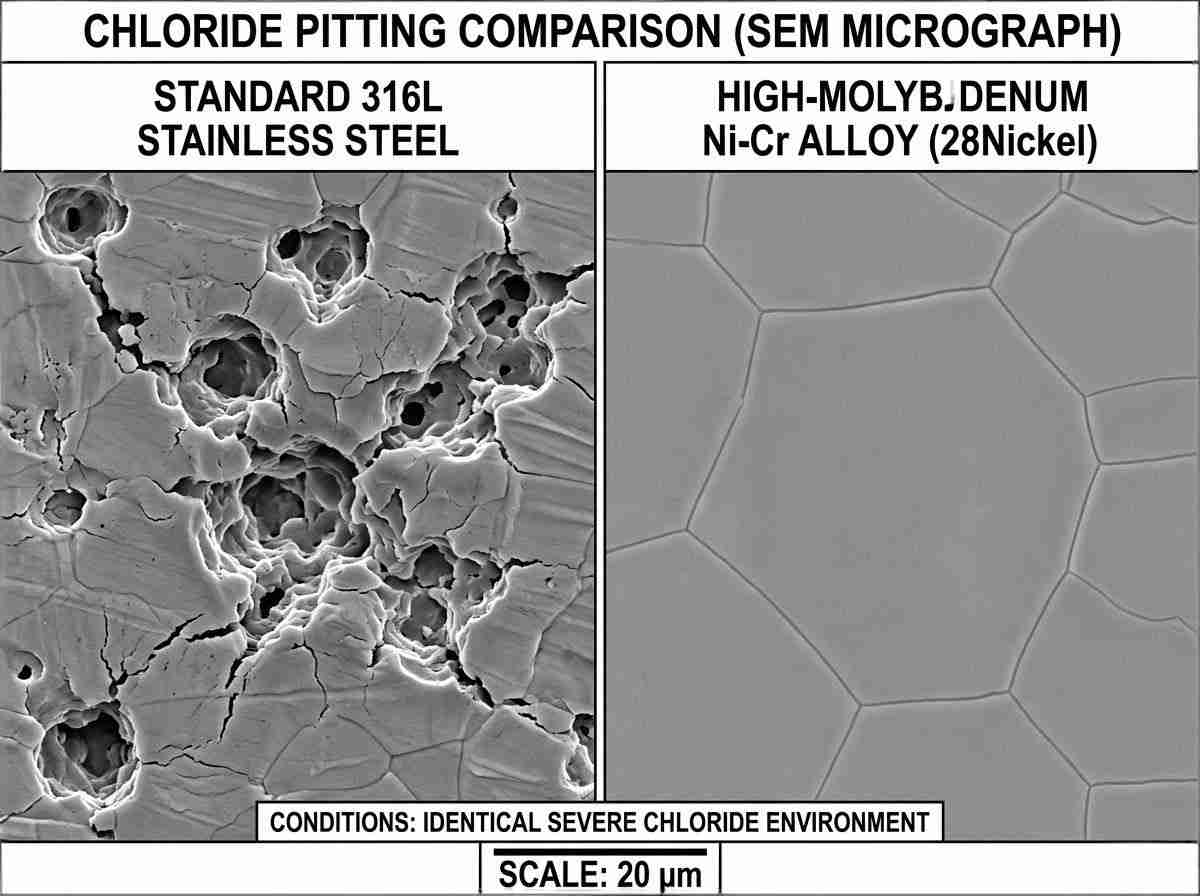
Evaluating the microstructural integrity of metallurgical components in aggressive chloride environments often reveals a glaring vulnerability: localized corrosion. For chemical processing, aerospace, and offshore…
Read More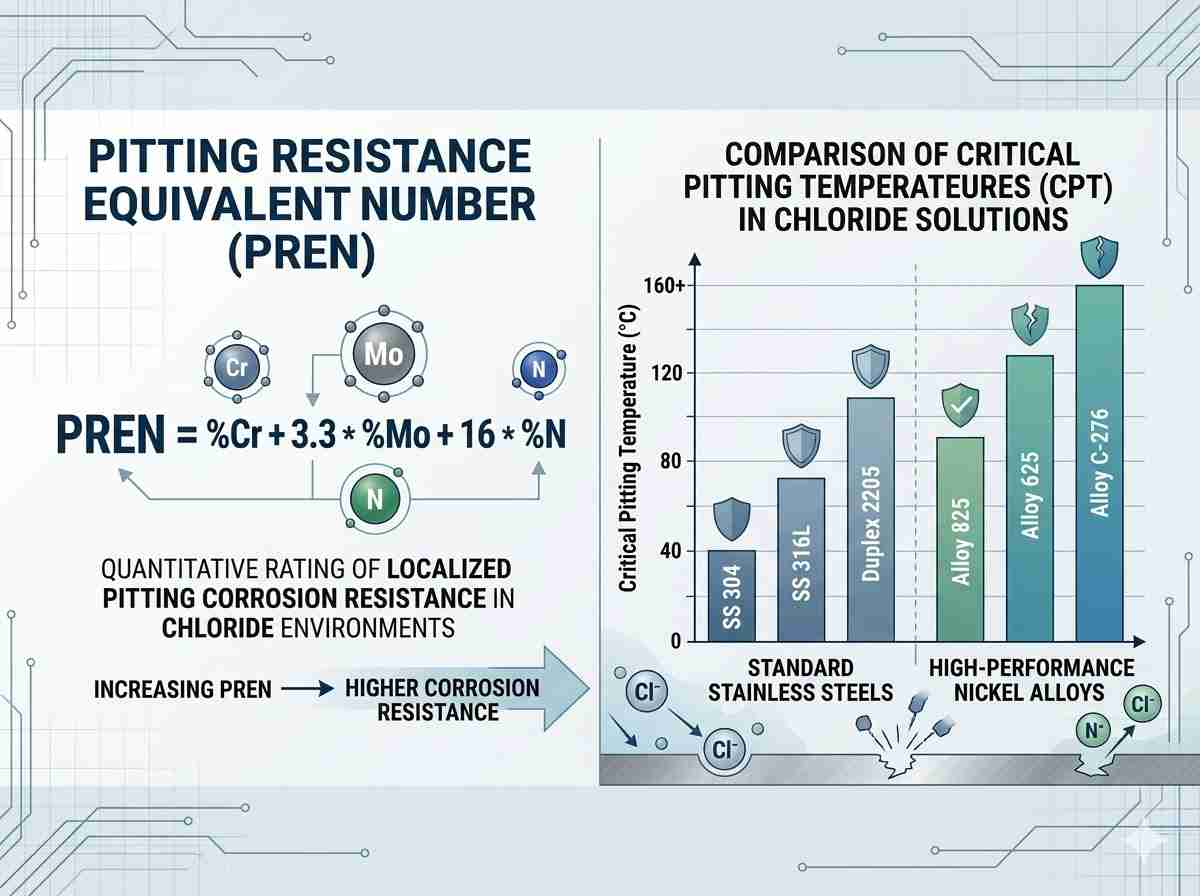
When specifying materials for sour gas wells, petrochemical refineries, or aggressive chemical processing units, metallurgical integrity is non-negotiable. Materials engineers frequently encounter catastrophic localized…
Read More
When engineering critical infrastructure for high-chloride, sour gas, or high-temperature oxidative environments, the margin for error is functionally zero. Stress corrosion cracking (SCC) and…
Read More
When operating in severe industrial environments—whether in subsea sour gas extraction or high-temperature aerospace turbines—the margin for metallurgical error is exactly zero. Stress corrosion…
Read More