


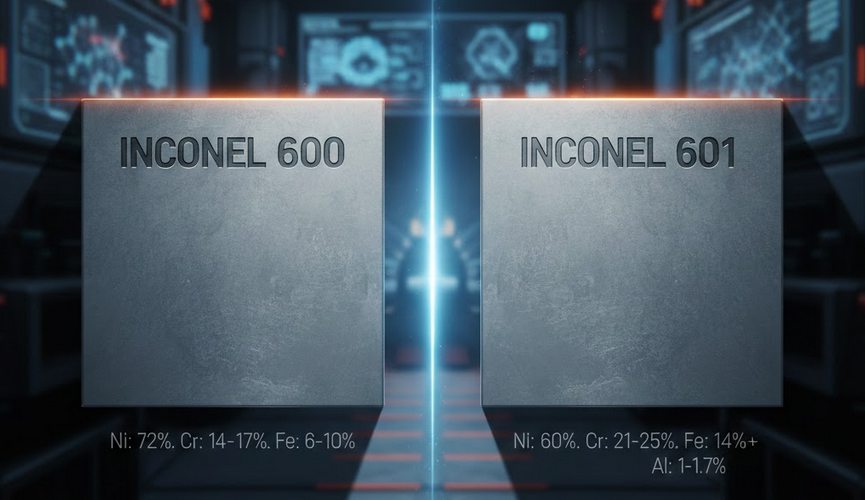
Inconel 600 vs Inconel 601
In the realm of superalloys, the Nickel-Chromium-Iron family remains the gold standard for environments requiring extreme heat and corrosion resistance. Among these, Inconel 600…
Read More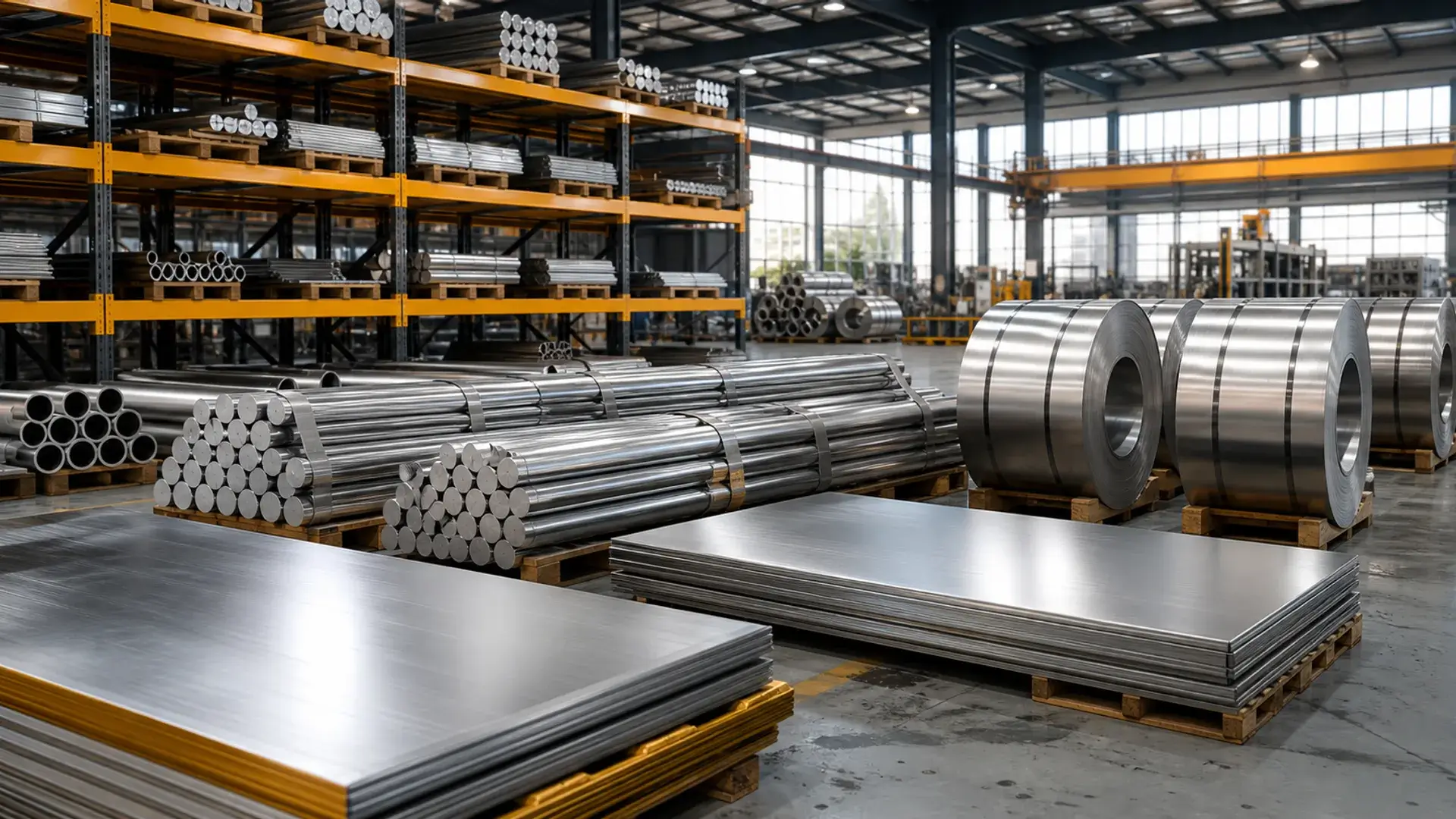
Resources
Material notes, grade guidance, and RFQ references for nickel alloy plate, bar, coil, and tube.
In the realm of superalloys, the Nickel-Chromium-Iron family remains the gold standard for environments requiring extreme heat and corrosion resistance. Among these, Inconel 600…
Read More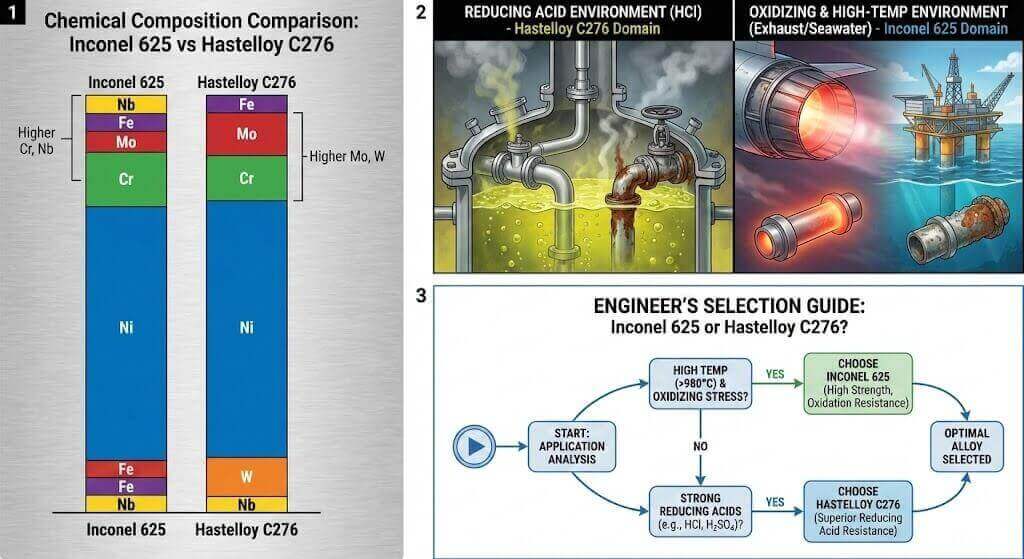
When selecting materials for extreme environments, the decision often narrows down to two titans of the nickel-alloy world: Inconel 625 and Hastelloy C276. Both…
Read More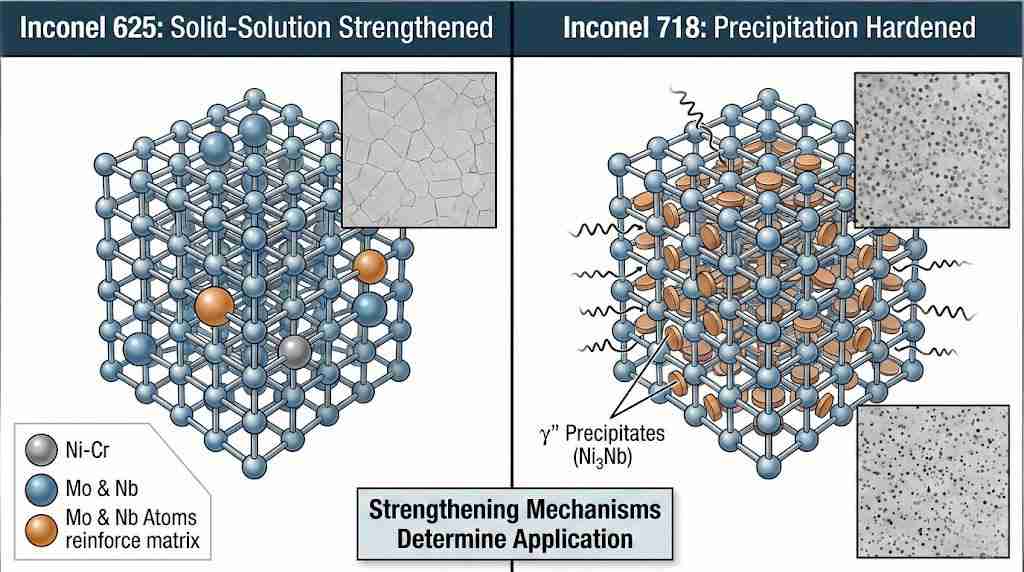
In the realm of extreme metallurgy, Inconel 625 and Inconel 718 stand as the industry standards for nickel-based superalloys. While they share a base…
Read More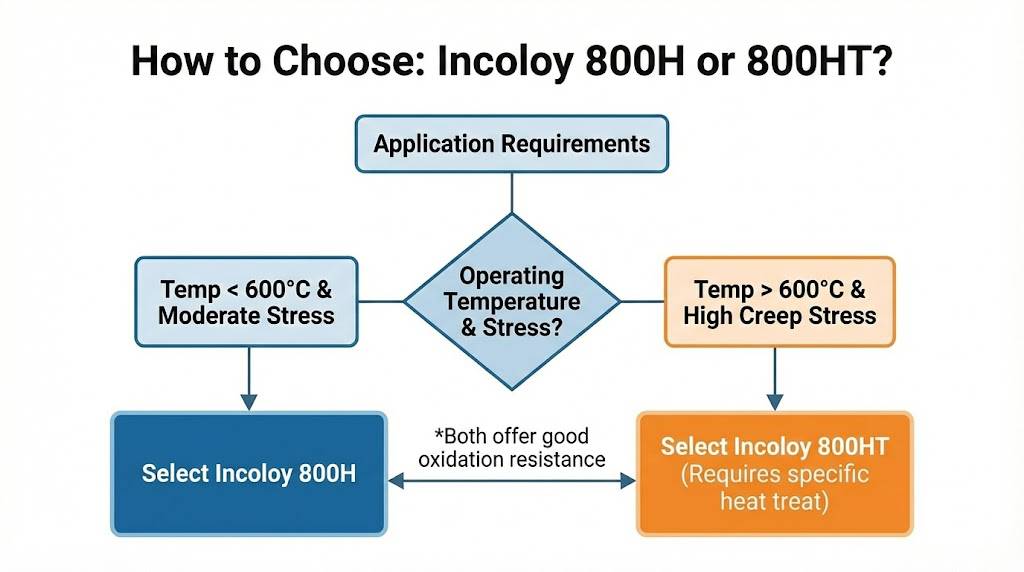
This article gives a focused, engineer-level comparison of Incoloy 800H vs 800HT, explains how to choose between them for high-temperature service, and breaks down…
Read More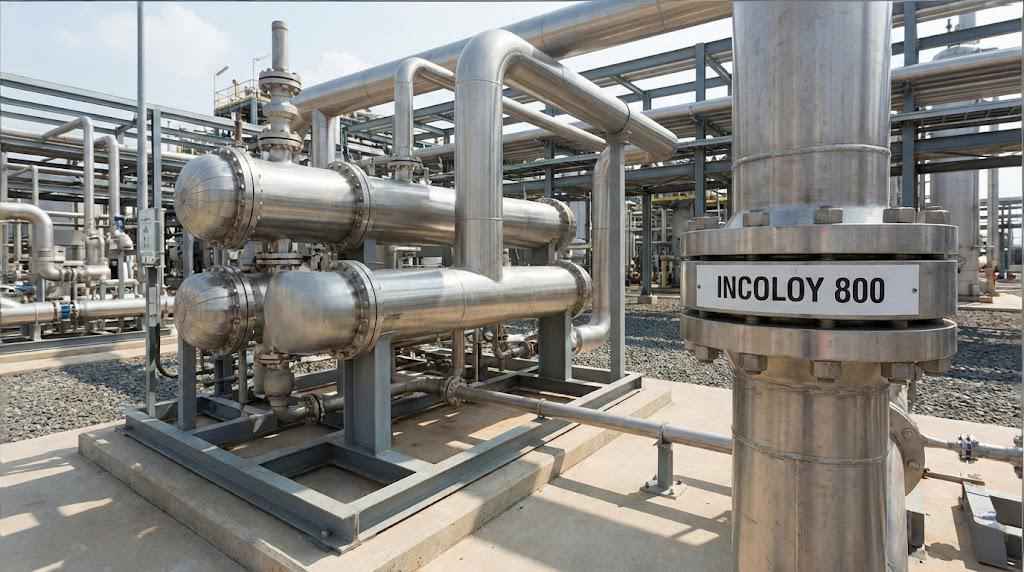
When engineers evaluate corrosion-resistant nickel-iron-chromium alloys for elevated-temperature service, the recurring comparison is Incoloy 800 vs Incoloy 800H. Although both alloys share the same…
Read More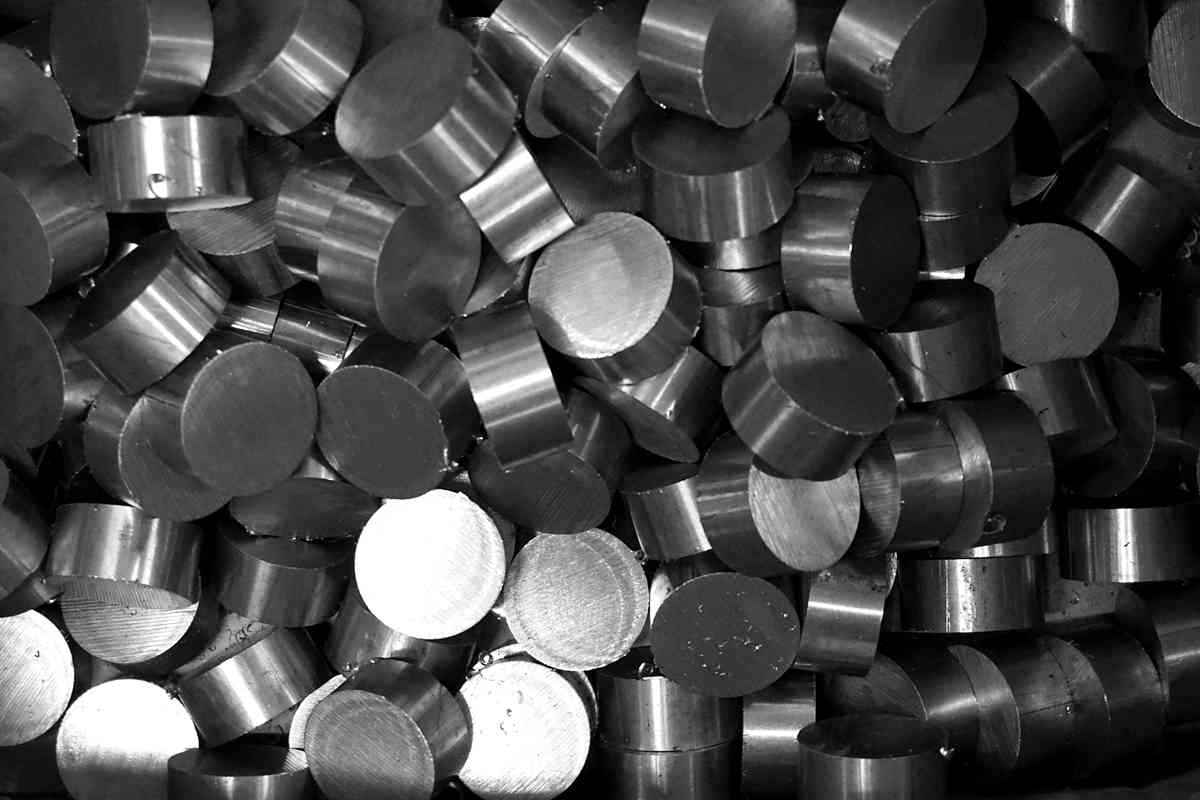
The uses of high-purity nickel include: I. Battery power Used as a cathode material for lithium-ion batteries — it offers high stability, good partial-discharge…
Read More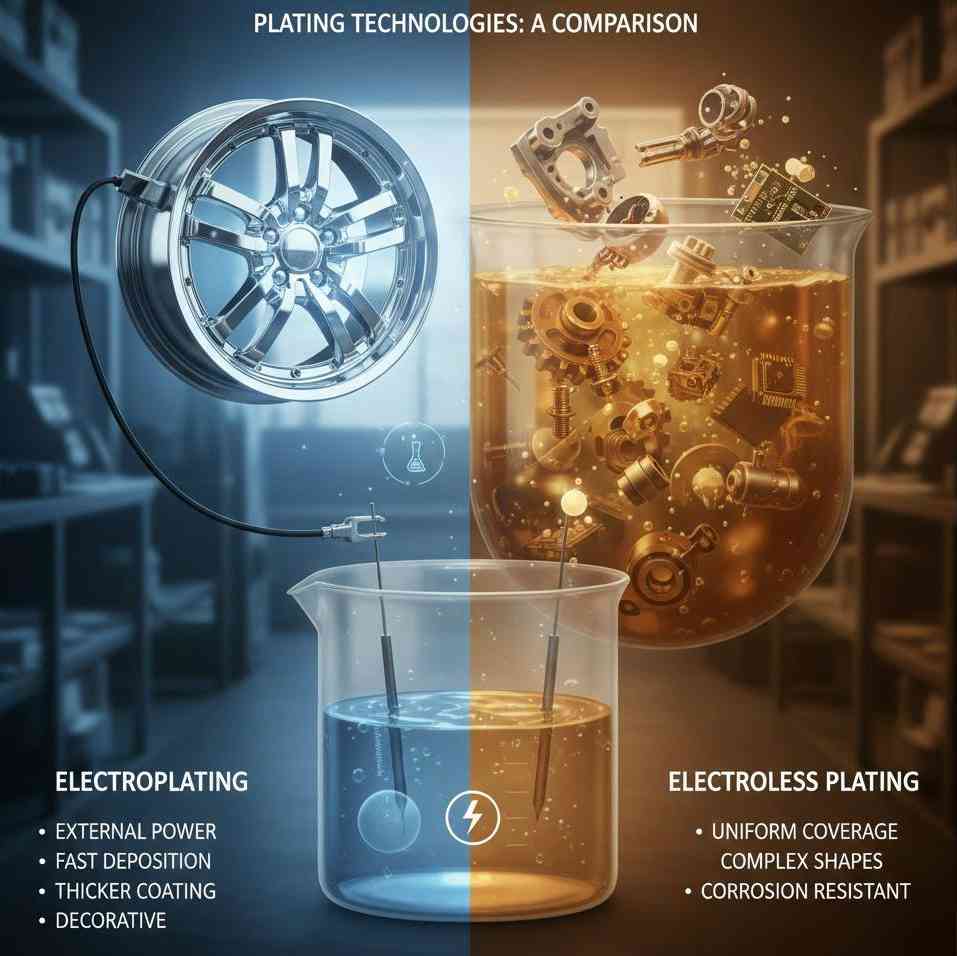
Electroless plating (Electroless Nickel Plating) is carried out through autocatalytic reduction, which is different from electroplating. Electroplating is performed by an external current due…
Read More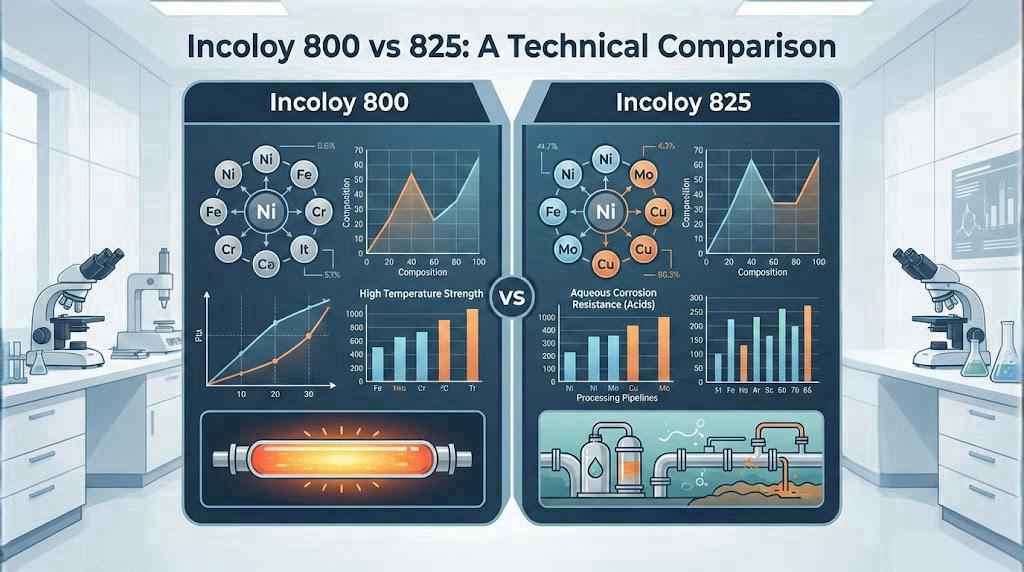
Choosing the wrong grade can lead to catastrophic component failure—either through high-temperature rupture or aggressive chemical corrosion. This guide breaks down the critical differences…
Read More
Nickel is a powerhouse metal in modern industry. Known for its silver-white appearance and exceptional processing capabilities, Pure Nickel (defined as alloys containing greater…
Read More