









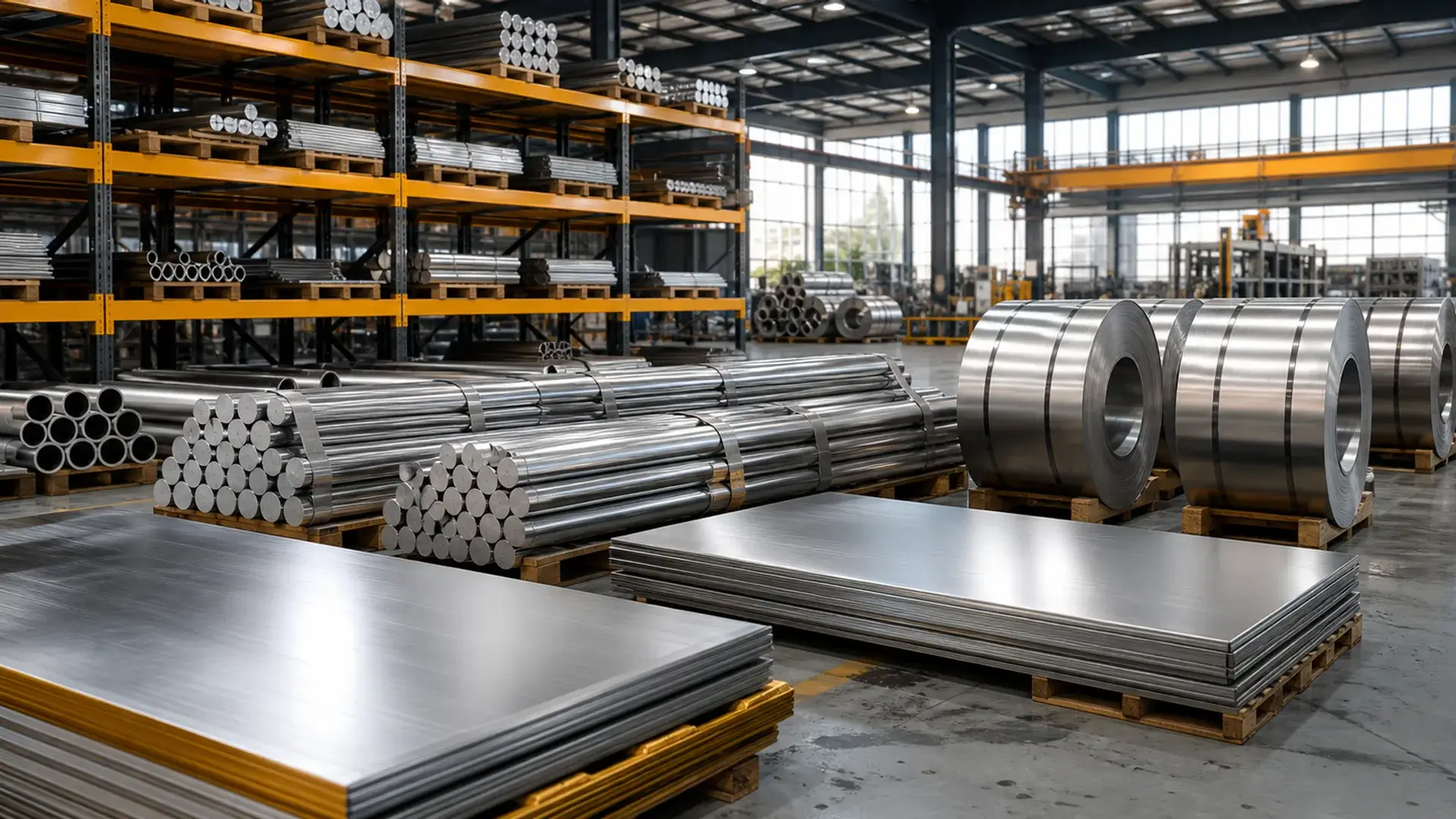
Incoloy 800 vs 825: A Technical Comparison
Choosing the wrong grade can lead to catastrophic component failure—either through high-temperature rupture or aggressive chemical corrosion. This guide breaks down the critical differences…
Read More
Resources
Material notes, grade guidance, and RFQ references for nickel alloy plate, bar, coil, and tube.
Choosing the wrong grade can lead to catastrophic component failure—either through high-temperature rupture or aggressive chemical corrosion. This guide breaks down the critical differences…
Read More
Nickel is a powerhouse metal in modern industry. Known for its silver-white appearance and exceptional processing capabilities, Pure Nickel (defined as alloys containing greater…
Read More
In the demanding sectors of oil and gas, chemical processing, and power generation, material failure is not an option. Nickel alloy steel pipe stands…
Read More
Engineers choosing materials for demanding environments increasingly rely on nickel and nickel alloys because of their unique combination of strength, creep resistance, and corrosion…
Read More
The short answer is no. While both are high-performance nickel alloys used in extreme environments, they are distinct materials with different chemical compositions, performance…
Read More
While they share a nearly identical genetic code regarding corrosion resistance, the distinction lies entirely in how they handle mechanical stress. Chemical Composition To…
Read More
The short answer is that Inconel 625 contains a minimum of 58.0% Nickel. However, unlike simpler metals, the precise “balance” of nickel in Alloy…
Read More
In the world of metallurgy and industrial engineering, selecting the right material is rarely a simple choice between “good” and “bad.” It is a…
Read More
In the unforgiving environment of a jet turbine, where temperatures can exceed 1,000°C and centrifugal forces are immense, standard metals simply disintegrate. This is…
Read More