



Quando os engenheiros discutem Seleção do metal de adição para soldadura de Inconel 718 em corpos de válvulas, a verdadeira questão não é simplesmente “qual o fio que corresponde às características químicas”. No caso dos corpos de válvulas, especialmente peças de parede espessa que contêm pressão em aplicações de petróleo e gás, a seleção do material de adição situa-se na interseção entre a resistência do metal de soldadura, o risco de fissuração, a diluição, o tratamento térmico pós-soldadura e, por vezes, os limites de dureza da NACE/API. A liga 718 é popular nestes ambientes porque combina elevada resistência, resistência à corrosão e boa soldabilidade, mas as juntas soldadas podem ainda assim perder desempenho se se permitir o desenvolvimento de segregação de nióbio, formação da fase de Laves ou microfissuras na zona afetada pelo calor (HAZ).
É por isso que os engenheiros de soldadura experientes não começam por uma página do catálogo. Começam pela função da junta. A soldadura encontra-se no interior da parede sob pressão? O desenho técnico exige uma resistência próxima da do metal de base após o envelhecimento? O corpo da válvula é de 718 forjado, API/NACE 718 ou trata-se de uma reparação em material previamente envelhecido? A junta é totalmente de 718 com 718, ou existe uma peça de transição de material diferente algures na composição? Enquanto estas questões não forem respondidas, qualquer recomendação de material de adição fica incompleta.
O que determina realmente a escolha do material de enchimento nos corpos de válvulas 718
Na maioria dos trabalhos no corpo da válvula, a escolha resume-se a duas opções práticas. A primeira é uma material de enchimento compatível e endurecível por envelhecimento, normalmente AWS A5.14 ERNiFeCr-2 / UNS N07718, utilizado quando a soldadura final deve manter-se próxima dos níveis de resistência da Liga 718 após o ciclo de tratamento térmico qualificado. A Special Metals afirma que o metal de adição INCONEL 718 se destina à soldadura das ligas 718, 706 e X-750, e que o metal de soldadura é endurecível por envelhecimento, com propriedades mecânicas comparáveis às dos metais de base.
A segunda rota é uma material de adição de Ni-Cr-Mo com excesso de liga, mais frequentemente ERNiCrMo-3 (tipo Alloy 625), utilizado quando a junta é dissimilar, quando se trata de sobreposição ou revestimento, ou quando o risco de fabrico associado a um depósito de soldadura 718 correspondente supera a necessidade de correspondência total em termos de resistência. A Special Metals posiciona explicitamente o Metal de Adição 625 para muitas juntas dissimilares que envolvam ligas de níquel, aços ao carbono, aços de baixa liga e aços inoxidáveis, bem como para trabalhos de revestimento e sobreposição.
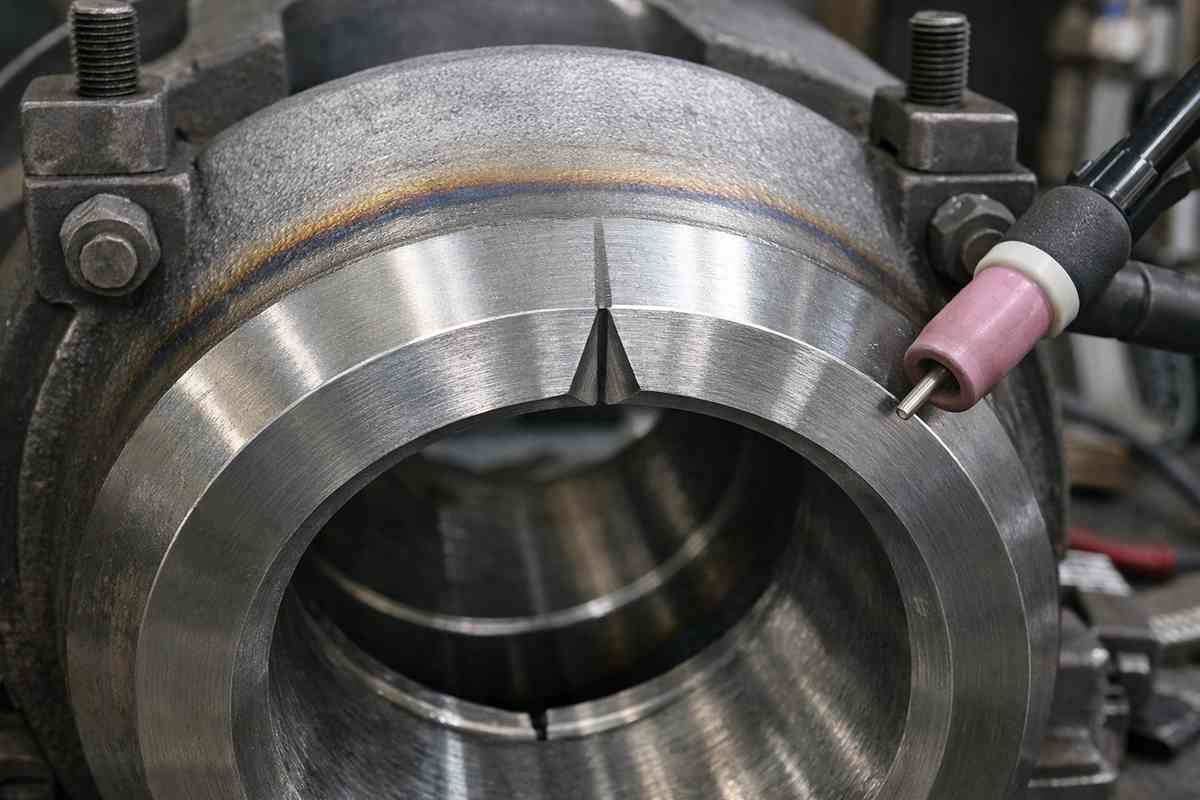
Quando o ERNiFeCr-2 é a resposta certa
Se a soldadura for 718-para-718, limite de pressão e resistência crítica, o ERNiFeCr-2 é normalmente o primeiro material de adição a ser avaliado. Isto não é retórica de marketing; é metalurgia. O material de adição 718 foi concebido para endurecimento por envelhecimento. A ficha técnica da Special Metals identifica-o como ERNiFeCr-2 e indica uma resistência à tração mínima de 165 ksi (1138 MPa) em estado envelhecido. É precisamente por isso que continua a ser a escolha lógica para soldaduras de topo com carga total, reconstruções de secções ou procedimentos de reparação qualificados em corpos de válvulas, em que a base de projeto pressupõe uma resistência da classe 718, em vez de um metal de soldadura substituto mais macio.
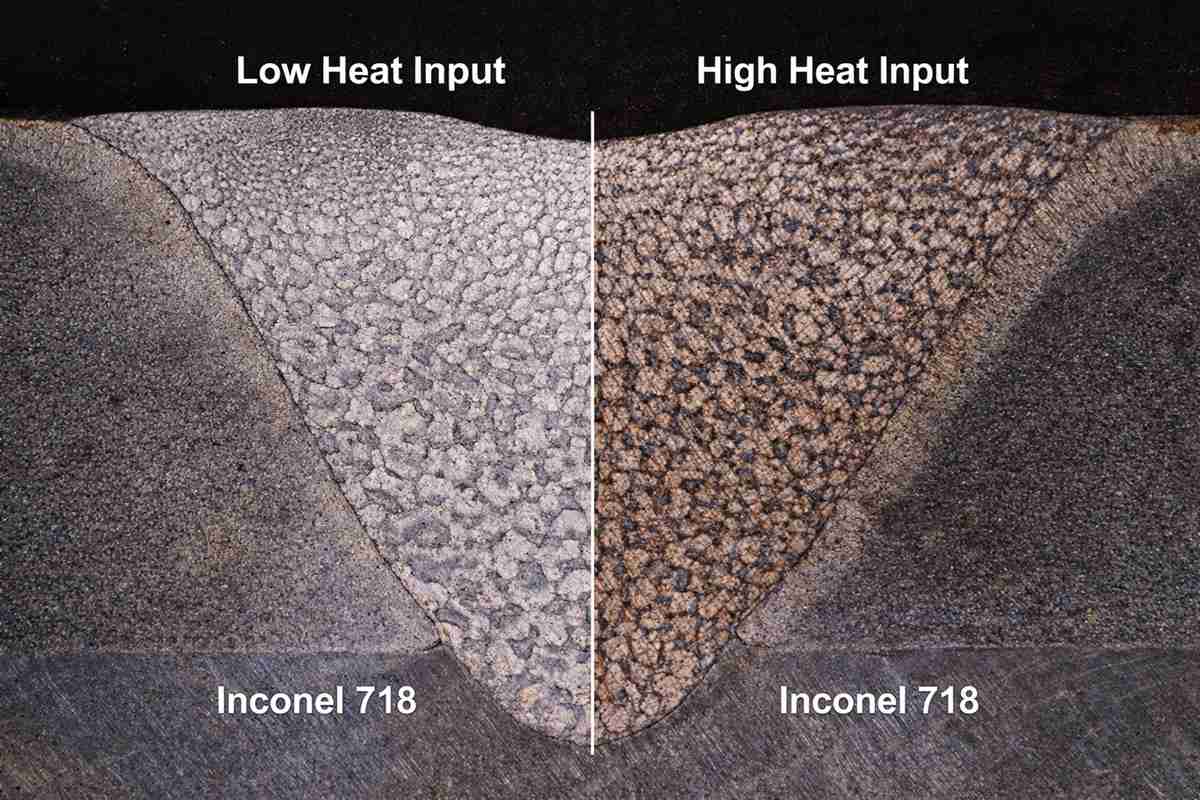
No entanto, a compatibilidade química não é sinónimo de tolerância ao comportamento de fabrico. A literatura sobre a soldadura da liga 718 é clara neste ponto: o metal de soldadura e a zona afetada pelo calor (HAZ) podem sofrer segregação, formação da fase de Laves, fissuração a quente e danos relacionados com a liquação, caso a entrada de calor não seja controlada. A literatura de referência também refere que uma menor entrada de calor e um arrefecimento mais rápido ajudam a reduzir estes problemas. Em termos práticos de oficina, um material de adição 718 exige disciplina processual — faces de junção limpas, tamanho do cordão controlado, oscilação limitada e encaixe muito estável — porque os corpos de válvula espessos criam uma restrição que amplifica todos os erros metalúrgicos.
Quando o ERNiCrMo-3 é a escolha de engenharia mais inteligente
O ERNiCrMo-3 torna-se uma opção interessante quando a aplicação é não exigindo que o metal de soldadura se comporte exatamente como o 718 envelhecido. A Special Metals apresenta o Filler Metal 625 como um metal de adição à base de Ni-Cr-Mo adequado para muitas juntas dissimilares e destaca a sua forte resistência à corrosão localizada. A resistência à tração mínima indicada na ficha técnica do produto é de 105 ksi (724 MPa), o que é respeitável, mas está claramente muito abaixo da classe de material de adição 718 envelhecido. Essa diferença é importante. Para uma soldadura estrutural de limite de pressão que se espera que suporte uma carga ao nível do 718, o metal de adição do tipo 625 é normalmente um compromisso. Para camadas de revestimento, juntas de transição, sobreposições ou reparações localizadas que não exigem correspondência de resistência, é frequentemente um compromisso muito racional.
Esta é a nuance que muitos compradores não percebem: O material de adição do tipo 625 reduz frequentemente o risco de fabrico, mas também altera o perfil de desempenho do depósito de soldadura. Se uma soldadura no corpo da válvula se situar fora do percurso de maior tensão, ou se a junta for dissimilar e a resistência à corrosão e a tolerância à fissuração forem mais importantes do que a resistência pós-envelhecimento correspondente, o ERNiCrMo-3 poderá ser a melhor decisão de engenharia. A literatura sobre soldadura também refere que os metais de adição com elevado teor de molibdénio podem ajudar a conter as tendências de fissuração em soldaduras de 718, o que explica por que razão muitas oficinas os preferem para reparações difíceis.
| Cenário de soldadura do corpo da válvula | Metal de enchimento preferido | Por que é que, normalmente, se opta por esta opção | O que deve ser verificado antes do lançamento |
|---|---|---|---|
| Soldadura de limite de pressão 718-para-718 com penetração total | ERNiFeCr-2 | Endurecível por envelhecimento; destinado à soldadura da liga 718; a forma mais eficaz de igualar a resistência | Percurso final do PWHT, valor-alvo de resistência à tração, dureza, diluição, aceitação dos ensaios não destrutivos (NDE) |
| Reparação de uma secção espessa 718 numa zona de elevada restrição | ERNiFeCr-2, mas apenas com um processo GTAW/WPS rigorosamente controlado | Mantém a possibilidade de características finais da classe 718 | Dados representativos relativos à espessura, controlo de fissuras, estado da zona afetada pelo calor (HAZ) e profundidade de reparação |
| Detalhe da transição do 718 para aço inoxidável ou de baixa liga | ERNiCrMo-3 | Mais adequado para muitas juntas de características diferentes | Resistência do metal de soldadura inferior à do 718 envelhecido, trajetória de tensão em serviço, conformidade com as normas |
| Aplicação de camada de lubrificação ou revestimento antes da maquinagem/união final | ERNiCrMo-3 | Utilizado habitualmente para revestimento e acabamento de materiais ferrosos | Diluição, espessura da camada, composição química final da interface |
| Reparação localizada de uma vedação ou fixação que não cumpre os requisitos de resistência | Frequentemente ERNiCrMo-3 | Maior flexibilidade de fabrico nos casos em que não é necessária a resistência total do 718 | Se a zona reparada se situa dentro do envelope de pressão |
A tabela acima reflete a lógica de seleção mais fundamentada, com base nos dados dos fabricantes sobre os metais de adição 718 e 625 e na literatura publicada sobre soldadura do 718 no que diz respeito a fissuração, segregação e sensibilidade à entrada de calor.
O aspeto que a maioria das equipas subestima: o estado final, não apenas o recheio
No papel, a escolha do material de enchimento parece ser uma questão relacionada com consumíveis. Na realidade, trata-se de uma questão sobre a condição final. A liga 718 pode ser soldada no estado recozido ou endurecido por envelhecimento, mas as propriedades finais da peça soldada dependem do tratamento térmico pós-soldadura. Algumas orientações para a soldadura da liga 718 indicam que um ciclo simples de envelhecimento pós-soldadura pode reforçar o depósito, deixando, no entanto, uma zona de resistência relativamente mais baixa junto à linha de fusão. No caso de um corpo de válvula, isso significa que nunca se deve aprovar o fio antes de definir o percurso de tratamento térmico efetivo e as propriedades de aceitação após a soldadura.
Este aspeto torna-se ainda mais importante em trabalhos com válvulas para serviços em meios ácidos ou relacionados com as normas API/NACE. A Special Metals refere que o 718 para aplicações em campos petrolíferos é produzido de acordo com os requisitos de dureza da norma NACE MR0175, e os fornecedores que servem o setor do petróleo e do gás descrevem a norma API/NACE 718 como adequada para equipamentos de contenção e controlo de pressão em ambientes corrosivos. Assim, no caso dos corpos de válvula, a decisão relativa à soldadura não termina quando o soldador pára. É ainda necessário avaliar a qualidade da soldadura em termos de dureza, resistência e ambiente de serviço — e não apenas com base na composição química e nos resultados dos ensaios RT.
A escolha do processo também é importante. Estudos publicados mostram que o GTAW continua a ser amplamente utilizado na produção de juntas de 718 de alta qualidade, enquanto uma elevada entrada de calor está diretamente associada a uma segregação mais grave e à formação de Laves. É por isso que, em reparações de corpos de válvulas com restrições, um procedimento conservador de GTAW com entrada de calor controlada é frequentemente mais seguro do que procurar maximizar a taxa de deposição. Na minha experiência, muitas falhas atribuídas a um “metal de adição errado” são, na realidade, falhas relacionadas com a entrada de calor, a diluição ou a sequência de reparação, mas que são rotuladas como falhas do metal de adição.
Conclusão
Para a maioria soldaduras no corpo da válvula, da mesma liga, em zonas críticas em termos de resistência, o ponto de partida tecnicamente correto é ERNiFeCr-2. Para juntas de materiais diferentes, união por espalhamento de material, sobreposição ou reparações em que a resistência a fissuras e a margem de resistência à corrosão são mais importantes do que a correspondência total da resistência do 718, ERNiCrMo-3 torna-se frequentemente a melhor opção. A resposta certa não é o material de enchimento com a alegação de vendas mais abrangente; é o material de enchimento que continua a cumprir os requisitos de resistência, dureza, resistência à fissuração e de utilização após o seu ciclo de soldadura e processo de tratamento térmico efetivos.
Se a sua equipa estiver a certificar um novo WPS para um corpo de válvula, a resolver problemas num procedimento de reparação ou a comparar opções de cabos para o lançamento de um projeto, 28Níquel deve ser envolvido numa fase inicial — antes da aquisição do metal de adição, e não depois de a primeira reparação com fissuras ter sido devolvida após a análise não destrutiva (NDE).
Perguntas e respostas relacionadas
P1. É possível utilizar ERNiCrMo-3 para reparar o corpo de uma válvula de Inconel 718?
Sim, mas apenas quando a reparação for não exigem que o depósito de soldadura corresponda totalmente à resistência do 718 envelhecido. O ERNiCrMo-3 é amplamente utilizado em juntas dissimilares e revestimentos, podendo constituir uma opção de reparação inteligente nos casos em que a margem de resistência à fissuração e a resistência à corrosão têm prioridade sobre a correspondência de resistência.
P2. O ERNiFeCr-2 é o material de adição por defeito para as soldaduras de topo do corpo da válvula 718?
Na maioria dos casos em que se utiliza a mesma liga, com restrições de pressão e em que a resistência é fundamental, sim. Trata-se da classificação específica de material de adição 718, é endurecível por envelhecimento e os dados do fabricante descrevem as suas propriedades como comparáveis às da liga de base após o ciclo térmico adequado.
P3. O envelhecimento pós-soldadura restaura automaticamente todas as propriedades numa peça soldada do corpo de uma válvula 718?
Não automaticamente. O envelhecimento pós-soldadura pode reforçar o depósito, mas a distribuição final das propriedades junto à linha de fusão depende de toda a sequência de soldadura e tratamento térmico. No caso de corpos de válvulas críticos, isso deve ser confirmado através da qualificação do procedimento, não sendo suficiente basear-se apenas na classificação do material de adição.